Balat is the color postcard of Istanbul — the old quarter on the Golden Horn where the houses climb the hill in every shade, where the cobbled streets wind past the synagogues and the churches, and where the city’s most photographed corner hides one of its oldest neighborhoods. It is the historic heart of the old Jewish quarter, the neighbor of the Greek Fener, and it has become the most fashionable day-trip corner of the old city — the cafes and the antique shops filling the colorful streets. This guide covers what a first-time visitor needs to know.
Where Balat Sits in the City
Balat occupies the hillside above the Golden Horn, on the European side of the old city’s peninsula — the quarter between the shore and the land walls, west of the old city’s core. It sits at the head of the Golden Horn’s curve, below the rise of the historic peninsula, and its streets climb from the waterfront toward the ancient walls. The quarter is the neighbor of Fener — the Greek quarter with the Patriarchate — and the two together form the historic heart of the city’s old waterfront. Its character is the old city’s deepest layer: the houses of the past centuries, the synagogues and the churches, the life of the working quarter — now painted in the colors that made it famous.
Getting There
Reaching Balat is easy, and the approach is part of the experience. From the airports: Istanbul Airport (IST) connects via the metro and the bus or the tram and the bus in about an hour and a half; Sabiha Gökçen (SAW) via the metro and the Marmaray in about two hours. Within the city, the buses from the old city’s main stops run to the quarter’s streets, and the ferry across the Golden Horn from the Asian side lands at the nearby piers. The walk from the old city’s monuments — Sultanahmet to the quarter — is a bus ride or a long walk along the water. The Istanbulkart transit card works on all of it. The key fact for the first-timer: Balat is the old city’s hidden quarter — off the tram lines, reached by the buses and the walking, and the better for being off the beaten path.

The First-Timer’s Walk
The classic introduction to Balat is the walk of the colored streets, and it takes a leisurely afternoon. Start at the waterfront below the quarter, where the Golden Horn curves along the shore, and walk up into the streets: the colorful houses climbing the hill in their rows — the pinks and the blues, the greens and the yellows, the restored facades of the famous streets. Wander the lanes of the quarter — the cobbles and the steps, the cats and the washing lines, the cafes and the antique shops tucked into the old houses — and let the streets take you where they will. Then find the landmarks: the Bulgarian church on the waterfront, the Patriarchate of Fener on the hill, the synagogues of the old Jewish quarter. The walk is the lesson of Balat: the color, the history, and the life of the old quarter, in a single afternoon of wandering.
The Colorful Streets: The Famous Facades
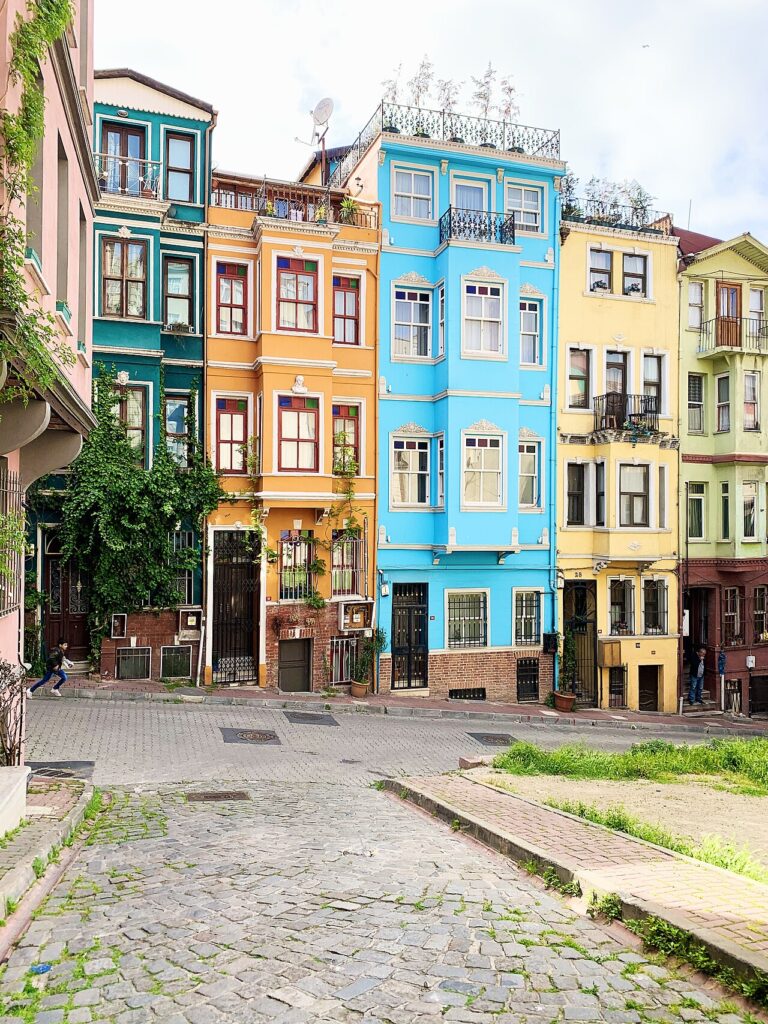
The colorful streets of Balat are the quarter’s fame — the rows of the old houses painted in the bright shades that made the neighborhood one of the city’s most photographed. The houses are the old fabric of the quarter — the timber and the brick of the past centuries, restored and painted in the recent decades — and the streets they line are the famous ones: the lanes climbing the hill, the facades in the pink and the blue, the cobbles and the steps. The morning light is the streets at their best — the soft sun on the facades, the crowds still thin — and the photographs are the reward. The colorful streets are the quarter’s postcard face, and the walk through them is the essential Balat experience.

The History: The Jewish Quarter and Its Neighbors
Balat’s history is the history of the old city’s communities. The quarter was the Jewish quarter of the Ottoman city — the home of the Sephardic community that arrived from Spain in the fifteenth century, the synagogues and the schools and the daily life of the community that lived here for five centuries. The neighbor Fener was the Greek quarter — the seat of the Orthodox Patriarchate, the great church of St. George, the schools and the houses of the Greek community. The churches and the synagogues, the old schools and the houses of the two quarters survive: the layers of the city’s communities in the stone. The history of Balat is the history of the city’s tolerance — the quarters where the communities lived side by side for centuries — and the walk with the history in mind reads it in the buildings.
The Landmarks: The Church and the Patriarchate
The landmarks of the quarter are the monuments of its communities. The Bulgarian church — the Church of St. Stephen, the famous “iron church” of the waterfront — is the quarter’s architectural wonder: the prefabricated cast-iron church, shipped from Vienna and assembled on the shore in the nineteenth century, the Gothic Revival building that the guidebooks call unmissable. The Ecumenical Patriarchate of Fener — the seat of the Orthodox world’s first church — is the quarter’s spiritual heart: the church of St. George with its relics and its icons, the courtyard of the Patriarchate on the hill. And the synagogues of the old Jewish quarter — the historic houses of worship of the Sephardic community — are the quarter’s hidden monuments. The landmarks of Balat are the landmarks of the city’s faiths, and they are the quarter’s depth.

The Cafes and the Antique Shops: The New Life
The new life of Balat fills the old houses: the cafes and the antique shops that have made the quarter the fashionable corner of the old city. The cafes of the colored streets — the coffee shops and the tea houses in the restored houses, the vintage decor and the courtyard tables — are the quarter’s social rooms, the meeting places of the young Istanbul. The antique shops — the vintage dealers and the second-hand rooms of the old streets — are the quarter’s treasure hunt: the objects and the furniture of the old city, the finds of the past centuries. And the street life — the cats, the locals, the crowds of the fashionable day-trippers — fills the lanes. The new Balat is the old quarter remade, and its cafes and its shops are the present face of the historic streets.
Where to Eat
Balat eats the old way and the new way, and the first-timer should try both. The cafes of the colored streets — the brunch rooms and the coffee shops of the restored houses — are the new Balat’s tables: the coffee and the cake, the brunch of the fashionable day. The lokantas and the kebab houses of the working streets are the old Balat’s tables: the daily dishes and the honest food of the quarter’s residents. The fish restaurants of the waterfront — the tables along the Golden Horn — are the quarter’s classic dinner, the fish of the day with the water below. And the tea houses and the simit stands are the everyday tables of the quarter: the tea and the bread rings of the old city’s life. The rule of the quarter: eat the brunch in the cafes and the honest food in the working streets — the new Balat and the old one, at the table.

The Practical Notes
A few things make the first visit smooth. The buses are the transport: the quarter is off the tram lines, and the buses from the old city’s stops run to the streets — the Istanbulkart covers them. The walking is the quarter: Balat is a wanderer’s neighborhood — the colored streets and the lanes are the experience, and the walking is the transport. The morning is the light: the colorful facades are at their best in the soft morning sun, and the crowds are thinner — start early. The shoes are the cobbles: the lanes are steep and uneven — wear the sturdy shoes. And the respect is the quarter’s: the synagogues and the churches are working places of worship, and the streets are the residents’ homes — the quiet respect goes with the wandering.
The Takeaway
Balat is the color postcard of Istanbul — the old quarter on the Golden Horn where the houses climb the hill in every shade, where the cobbles wind past the synagogues and the churches, and where the history of the city’s communities meets the cafes of the fashionable present. It is the old Jewish quarter and the neighbor of the Greek Fener, the iron church and the Patriarchate, the colorful streets and the antique shops — the city’s deepest history in its most photographed corner. Walk the colored lanes, find the landmarks, take the coffee in the old houses, and you will have seen the quarter whole — the old city’s hidden heart, painted in the colors that made it famous.
Frequently asked questions
How do I get to Balat from the old city?
The buses from the old city’s main stops run to the quarter in about twenty minutes — the Istanbulkart covers them, and the walking from the waterfront is the alternative.
Is Balat safe?
Yes — the quarter is busy and well-policed, with the standard city awareness in the crowded lanes of the famous streets.
How much time do I need?
A half day covers the quarter — the colored streets, the landmarks, and the cafes; a full day adds Fener and the waterfront.
Is the iron church worth seeing?
Yes — the Church of St. Stephen is the quarter’s architectural wonder, the prefabricated cast-iron church of the nineteenth century.
Is Balat good for photos?
Excellent — the colorful houses and the cobbled lanes are among the most photographed streets in the city, best in the morning light.

All Over Information
The All Over Information editorial team researches and writes practical English-language guides to Turkey. Facts are checked against official and local sources before publication, prices are published as dated ranges rather than quotes, and guides are revised when things change. We accept no sponsored posts, paid placements or paid links.
More guides like this

Nightlife Guide to Balat
Balat is not the nightlife quarter of Istanbul — the clubs and the loud bars belong to other districts — but the…
Balat in Winter: What to Expect
Winter changes Balat the way it changes every old quarter — the crowds thin, the colors soften under the gray light, and…
Best Time of Year to Visit Balat
Balat is a year-round quarter — the colors and the cafes, the landmarks and the lanes run through all four seasons —…

Photography Spots in Balat You Can’t Miss
Balat is the photographer's color postcard — the painted houses and the cobbled lanes, the iron church and the Patriarchate, the walls…
Top 10 Things to Do in Balat
Balat is the color postcard of Istanbul — the old quarter on the Golden Horn where the houses climb the hill in…

Balat in Summer: A Complete Travel Guide
Summer is Balat's liveliest season — the long days, the full streets, the colors at their brightest under the high sun, the…