Baklava is one of the most traveled desserts in the world, and every country it has touched has made it its own. The Greek version, the Lebanese version, the Balkan versions, and the western restaurant version all look familiar, yet each differs in syrup, spice, and spirit. Understanding those differences helps you appreciate the Turkish original, with its pistachios, its butter, and its disciplined sweetness, and explains why it remains the reference point for the entire baklava family.
A Dessert Without Borders
Baklava belongs to a vast region, not a single nation. It appears across the Balkans, the Middle East, the Caucasus, and the Mediterranean, and every culture claims a version.
This wide spread is the legacy of the Ottoman Empire, which carried the dessert across three continents and left its layers in a hundred local kitchens.
The result is a family of baklavas, all recognizable, all delicious, and all slightly different. The differences are the dessert’s biography, written in sugar and nuts.
For the traveler, this is a gift. You can eat baklava across a dozen countries and never have the same piece twice, and each version teaches you something new.
This family resemblance is the best proof of a shared ancestry. However the versions differ, the layers, the nuts, and the syrup are constants, and those constants point to a common origin in the Ottoman world.
Greek Baklava, Turkish Baklava
The comparison between Greek and Turkish baklava is the most famous in the dessert world, and the two styles are genuinely different.
Greek baklava is often made with walnuts, spiced with cinnamon and cloves, and sweetened with honey. Its flavor is warm, spicy, and deeply aromatic.
Turkish baklava, especially the pistachio version of the southeast, favors cleaner flavors. The butter and pistachio lead, and the syrup is made from sugar, sometimes with a touch of lemon.
Neither is better; they are different expressions of the same idea. But tasting them side by side makes the Turkish identity wonderfully clear.
The comparison also invites a little humility. Both traditions have centuries of craft behind them, and both deserve respect. The point of comparing is not to rank but to understand, and the understanding makes every piece more enjoyable.

The Middle Eastern Family
The Arab world has its own baklava traditions, which fill the sweet shops of Lebanon, Syria, and beyond. These versions often feature a lighter, more delicate style.
Rose water and orange blossom water are common in the region, adding a floral perfume that the Turkish versions rarely use. The syrup is often scented and lighter in body.
The shape language differs too. Middle Eastern baklava includes a wide variety of pastries, some rolled, some folded, alongside the classic diamond-cut trays.
These versions are delightful, and they show how the same ingredients can be rearranged into an entirely different personality.
The Middle Eastern shops are also the best places to taste the rolled and folded members of the family, which are often served alongside the classic diamond trays. A mixed box is a tour of the region in miniature.
Western Interpretations
In the West, baklava has become a beloved exotic dessert, served in Greek and Middle Eastern restaurants and sold in supermarket aisles.
Western versions often simplify the craft. The phyllo may be thicker, the nuts fewer, and the syrup sweeter, and the dessert is frequently served cold from the refrigerator.
The restaurant version is usually pleasant, but it rarely reaches the depth of the original. The layers blur, the butter fades, and the nuts recede.
The western baklava is the dessert as souvenir, a memory of the real thing. It is why traveling to taste the original is always worth it.
One western habit worth resisting is refrigerating baklava. Cold dulls the pastry and the syrup, and the dessert is meant to be served at room temperature, the way it is in every traditional shop of the region. Yet the western version has one virtue: it is always available. When you cannot travel, the supermarket tray is a reminder of the real thing, and it often awakens the desire to travel and taste the original.

The Syrup Question
The syrup is the great divide in the baklava family. Turkish tradition favors a simple sugar syrup, sometimes sharpened with lemon, poured over the hot pastry.
Honey is the choice of many Greek and Balkan versions, lending a deeper, more floral sweetness that pairs with their spiced fillings.
Rose water and orange blossom appear across the Middle East, adding perfume to the sugar, and some versions use mastic, a resin with a piney, sweet character.
The Turkish choice of plain syrup is not simplicity for its own sake. It is a decision to let the pistachio and butter speak first, and that decision defines the taste.
The syrup debate even extends to the serving temperature, since some traditions pour the syrup over warm pastry and others over cooler. Each method produces a different texture, and the variety is part of the dessert endless fascination.
Pistachio or Walnut?
The nut is the second great divide. Turkish baklava, at its most famous, is built on the green pistachio of Gaziantep, with its intense flavor and its signature color.
Walnut is the classic filling of Greek, Balkan, and western Anatolian baklava, bringing an earthy depth that pairs with honey and spice.
Hazelnuts anchor the Black Sea versions, almonds appear across the Middle East, and some modern creations mix nuts for complexity.
Each nut changes the entire dessert. When you taste the green, aromatic pistachio version of Turkey, you are tasting the identity of the southeast.
The nut question is also economic. Pistachios are precious, which is one reason the pistachio version is the luxury of the family, while walnut baklava has always been the more democratic choice. Both have their place.

What Makes the Turkish Version Different
The Turkish baklava is defined by a few quiet choices. The first is the pistachio, used generously and with respect for its flavor.
The second is butter, applied with discipline between every layer, which creates the golden, crisp, flaky texture that is the Turkish signature.
The third is restraint in the syrup. The sweetness supports the filling rather than drowning it, so the dessert finishes clean, not cloying.
Together these choices produce a baklava of balance and precision. It is why the Turkish version is the benchmark the others are measured against.
The Turkish style also travels well in reputation. When food writers and travelers describe the world best baklava, the pistachio trays of Gaziantep are almost always near the top of the list, and the praise is earned.
The Gaziantep Protection
Gaziantep baklava has been granted protected geographical indication, a legal recognition that the name means something specific.
The protection requires that Antep baklava use the region’s pistachios and follow the traditional technique. It is a shield around a standard.
This status also influences the comparison between versions. When you buy Antep baklava, you are guaranteed a certain level of authenticity.
The protection has inspired similar efforts elsewhere, and it stands as proof that the Turkish tradition takes its baklava identity seriously.
The protection also has an educational side, since the label teaches buyers what real Antep baklava should be. A traveler who learns to read the label has already learned to recognize the standard.

How to Tell Them Apart
You can learn to identify the origin of a baklava at a glance. Look at the filling: bright green pistachio points to the Turkish southeast, pale walnut to the Greek or Balkan style.
Taste the sweetness. A clean, restrained sugar sweetness with strong butter and nut flavors is the Turkish signature; honey and spice suggest Greece or the Balkans.
Notice the texture. Turkish baklava is crisp, with distinct, audible layers; a softer, more syrup-soaked piece suggests other traditions.
Finally, check the perfume. Rose and orange blossom notes are Middle Eastern, while a clean, nutty finish is the Turkish style. The differences are learnable and delicious.
Practice makes the reading easy. Taste widely, compare deliberately, and within a few trays you will identify a baklava homeland at a glance. It is a skill that will serve you for the rest of your sweet life.
Why Turkish Baklava Endures
Turkish baklava endures because it is built on standards. The pistachio, the butter, the technique, and the syrup are all held to a discipline that the tradition enforces.
That discipline is passed from master to apprentice, generation to generation, and it is protected by law and by pride.
The international versions will continue to evolve, and they should. The family is rich because of its variety.
But the Turkish original remains the reference point, the version against which all others are measured. When you taste it in Turkey, you understand why it has held that place for centuries.
The endurance of Turkish baklava is also a story of markets. The dessert supports orchards, mills, bakeries, and shops, and that economic foundation gives the tradition real weight. It is not merely loved; it is vital.
Frequently asked questions
What is the difference between Greek and Turkish baklava?
Greek baklava typically uses walnuts, spices like cinnamon and cloves, and honey syrup, giving it a warm, aromatic character. Turkish baklava, especially the pistachio version, uses a clean sugar syrup and lets the butter and pistachio dominate. Both are traditional, but the flavors are distinct.
Why does Turkish baklava taste less sweet than other versions?
Turkish baklava is made with a restrained sugar syrup, poured in measured amounts over the hot pastry. The goal is balance, with the pistachio and butter leading and sweetness supporting. Many other versions use honey or heavier syrup, which tastes sweeter and richer.
How can I tell authentic Turkish baklava?
Look for a bright green pistachio filling, crisp and distinct layers, and a clean, nutty flavor without heavy spice or floral perfume. Real Antep baklava carries a protected geographical indication and is made with Gaziantep pistachios and traditional technique.

All Over Information
The All Over Information editorial team researches and writes practical English-language guides to Turkey. Facts are checked against official and local sources before publication, prices are published as dated ranges rather than quotes, and guides are revised when things change. We accept no sponsored posts, paid placements or paid links.
More guides like this

Turkish Soups (Corba): A Taste of Turkish Culture
Ask any Turk to name the food of home, and the answer will often be a soup.

Where to Find the Best Lahmacun in Turkey
Lahmacun is served in every city of Turkey, but the best versions come from the southern and southeastern regions where the dish…
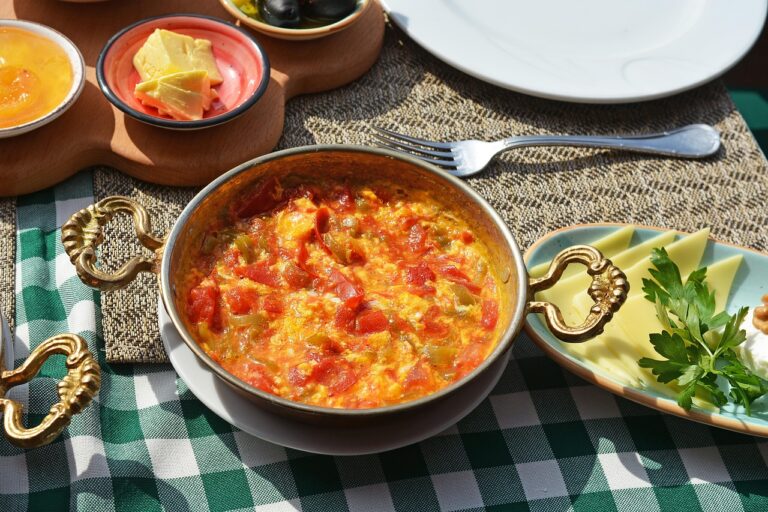
The Ultimate Guide to Menemen
Menemen is the soul of the Turkish breakfast table, a simple dish of eggs, tomatoes, and peppers simmered gently in olive oil…

A Guide to Turkish Coffee Culture and Fortune Telling
Turkish coffee is far more than a drink; it is a ceremony, a social ritual, and a window into a culture that…

The Ultimate Guide to Lahmacun
Lahmacun is the thin flatbread of Turkey that carries a topping of spiced minced meat, baked in a fierce oven until the…

The History Behind Doner Kebab
Doner kebab is one of the great success stories of world food, a dish that began in the Ottoman kitchens and now…