Ortakoy is the postcard of the Bosphorus — the waterfront village where the baroque mosque stands beside the great bridge, where the kumpir fills the square, and where the ferries and the fishing boats work the strait. It is the smallest and the most charming of the Bosphorus villages, and its attractions are the village’s own: the square and the shore, the mosque and the bridge, the water life and the food of the waterfront. This is the essential top ten — the things that define the village and reward every visitor.
1. Photograph the Mosque and the Bridge
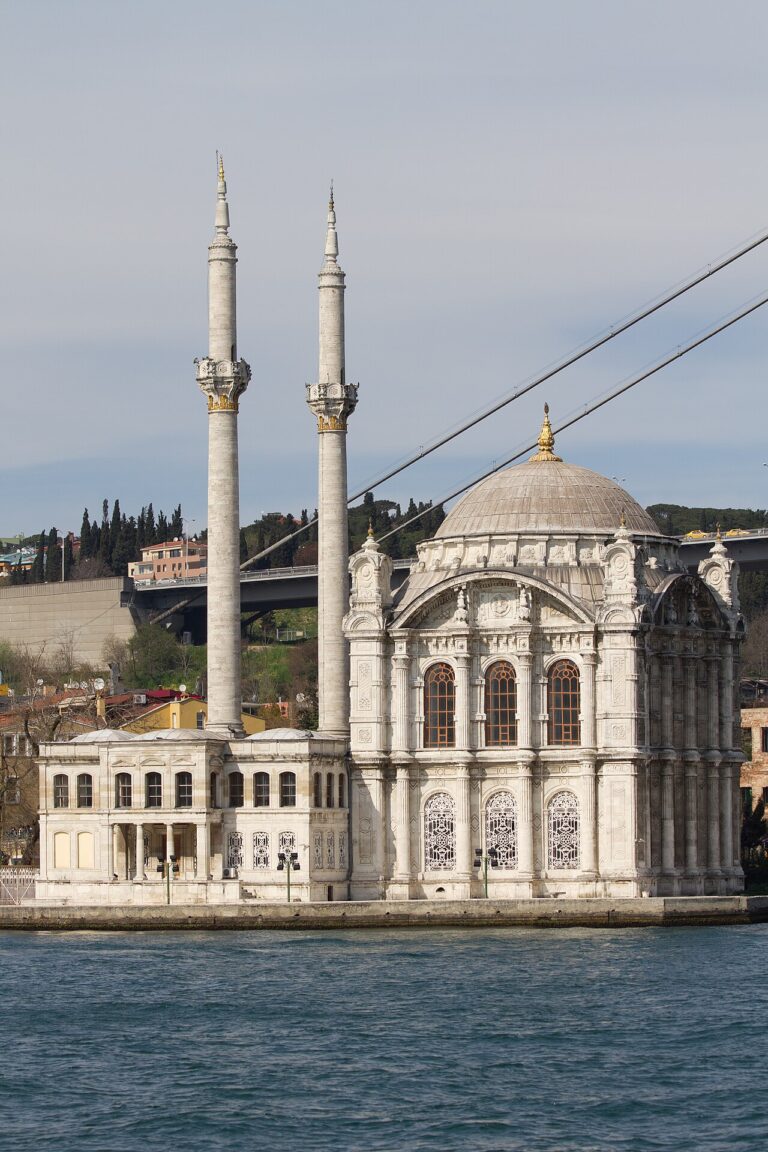
Start with the village’s fame: the composition that made Ortakoy the postcard of Istanbul — the Ortakoy Mosque at the water’s edge, the baroque dome and the slender minarets, with the great span of the Bosphorus Bridge leaping overhead. The square gives the classic frame: the mosque in the foreground, the bridge above, the strait between. The morning light is the composition at its cleanest, and the sunset turns it amber. It is the most photographed view on the Bosphorus, and the visitor’s own shot of it is the essential Ortakoy souvenir.
2. Eat the Kumpir at the Square
The kumpir — the stuffed baked potato of Ortakoy — is the village’s famous food, and the stalls of the square are the kumpir’s home. The baked potato is split and filled with the toppings of the stall: the cheese and the butter, the sausage and the corn, the olives and the pickles, the salads and the sauces — the potato piled high with the choice of the counter. Take the kumpir in the hand, the square around, the bridge overhead — the essential Ortakoy meal, eaten at the water’s edge.

3. Walk the Waterfront Both Ways
The waterfront of the village — the shore of the Bosphorus — is the walk that shows the village whole. Walk the promenade both ways from the square: the views of the strait and the Asian side, the fishing boats at the moorings, the villas and the gardens of the shore, the ferries crossing between the continents. The walk is free and easy, the breeze is the village’s air-conditioning, and the views change with every few steps. The waterfront of Ortakoy is the village’s second face, and the walk is the essential hour.
4. Visit the Ortakoy Mosque
The Ortakoy Mosque — the Büyük Mecidiye Camii — is the village’s landmark, and the interior is the reward of the visit. Built in the nineteenth century in the ornate baroque style of the Ottoman waterfront, the mosque stands at the water’s edge, and its interior is small and exquisite: the light through the windows, the delicate decoration, the sense of the worship space at the edge of the strait. The mosque is the village’s heart and its image, and the visit — the respect of the working place of worship, the shoes off at the door — is the quiet depth behind the postcard.

5. Take the Ferry Across the Strait
The ferries from the nearby piers cross the Bosphorus to the Asian side — and the crossing is the village’s best ride. The gulls and the spray, the skyline of both shores, the mosque and the bridge receding behind: the twenty minutes of the crossing are the classic view of the village from the water, the postcard from the deck. The destination is the reward too — the life of the Asian shore, the markets and the waterfronts across the strait — but the crossing itself is the essential Ortakoy experience.
6. Ride the Bosphorus Cruise
The Bosphorus cruise — the ferry that runs the length of the strait — passes the village in its route, and the ride from the nearby piers is the full water adventure. The cruise runs from the strait’s mouth toward the Black Sea: the palaces and the fortresses, the villages and the bridges, the villas and the hills of the Bosphorus — Beşiktaş and Arnavutköy, Rumeli Hisarı and the fortress, Sarıyer and the villages beyond. It is the classic ride of the city, the strait’s whole story in a morning, and the village is the perfect starting point.

7. Climb the Back Streets
The streets behind the square — the old houses and the lanes of the village climbing the hill — are the quieter Ortakoy: the gardens and the doorways, the cafes of the back streets, the viewpoints over the strait. The climb gives the second view of the postcard: the bridge and the mosque from above, the water and the Asian side beyond. The back streets are the village’s neighborhood face — the life of the residents away from the square — and the climb is the walk that the day-trippers miss.
8. Watch the Sunset from the Shore
The sunset over the Bosphorus is the village’s golden hour: the bridge and the mosque lit, the water turning amber, the ferries crossing in the low light, the day’s end over the strait. The shore is the seat: the benches of the waterfront, the promenade’s length, the square’s edge — the whole village turns to the water for the sunset. It is the village’s most dramatic hour, the postcard at its most beautiful, and the essential evening of the Ortakoy visit.

9. Coffee in the Back-Street Cafes
The cafes of the back streets — the coffee shops in the old houses of the village — are the quieter Ortakoy: the coffee and the cake, the garden tables, the village’s calm away from the square. The specialty coffee of the village’s new life, the pastries and the tea, the hours that pass with the view of the strait: the back-street cafe is the sitting room of the village, the place where the residents and the travelers rest. Take the coffee in the old house, and you have found the Ortakoy behind the postcard.
10. Feed the Gulls at the Water
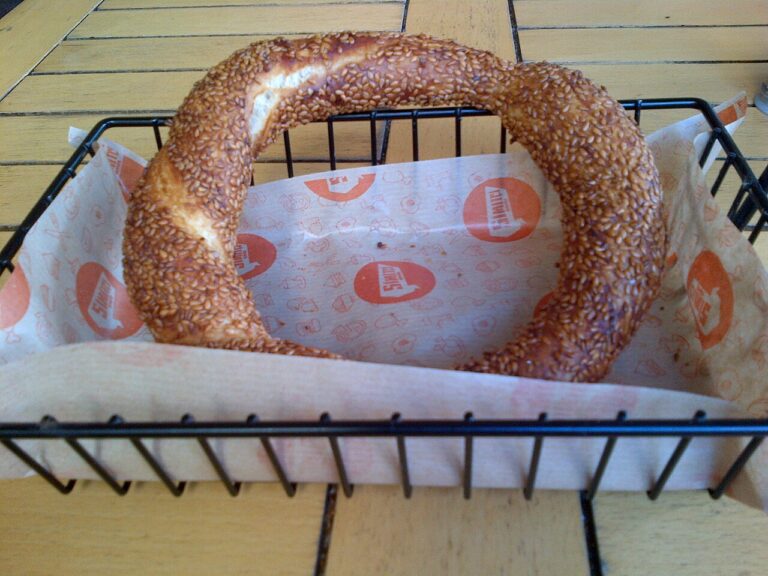
The gulls of Ortakoy are the village’s constant companions — the birds of the waterfront, circling the square and following the ferries, waiting for the bread of the visitors. Feeding them at the water’s edge — the crust from the kumpir, the simit crumbs, the bread of the shore — is the village’s simplest pleasure: the gulls diving, the children delighted, the waterfront life of the Bosphorus in the hand. It is the smallest item on this list and one of the most characteristic — the everyday life of the water, shared with the village’s birds.
The Practical Notes
A few things make the list easier. The card is the ticket: the Istanbulkart covers the buses and the ferries — one card, every ride. The square is the center: the mosque, the bridge, and the kumpir gather at the square — start there and radiate out. The morning is the light: the postcard composition is at its cleanest in the morning, and the crowds are thinner — start early. The sunset is the evening: the golden hour over the bridge is the village’s best hour — plan the evening around it. And the village is small: the whole of Ortakoy is the walking — the top ten fits an afternoon, and the half-day is the natural length of the visit.
Before you head out, download an offline map of Ortaköy. The neighborhood is small, but the back streets twist in surprising ways, and a saved map saves you from retracing your steps. Wear comfortable shoes for the cobblestones, and keep a light jacket handy even in summer, because the Bosphorus breeze turns cool the moment the sun drops behind the hills. Most of the ten experiences here are free, so the only real cost of a full Ortaköy day is the kumpir you will almost certainly buy.
The Takeaway
Ortakoy’s top ten is a portrait of the Bosphorus village — the mosque and the bridge, the kumpir and the ferries, the waterfront and the back streets, the sunset and the gulls. It is the smallest village of the strait and the most complete: the postcard and the life behind it, the water and the food, the quiet and the golden hours. Photograph the postcard, eat the kumpir, ride the ferries, climb the back streets, and feed the gulls — and you will have seen the village whole, the Bosphorus in a single afternoon.
Frequently asked questions
How much time do I need in Ortakoy?
A half day covers the top ten — the square, the shore, the mosque, and the kumpir; a full day adds the cruise and the crossing.
What is the one thing I should not miss?
The kumpir at the square with the mosque and the bridge overhead — the village’s famous food in its postcard setting.
Is Ortakoy family-friendly?
Very — the kumpir, the gulls, and the ferries are built for the whole family, and the village is safe and easy.
When is the best time to visit?
The morning for the light and the thin crowds, the afternoon for the water, the sunset for the golden hour — the village’s day is its own itinerary.
Is the Bosphorus cruise worth it?
Yes — it is the classic ride of the city, the strait’s whole story in a morning, and the village is the perfect starting point.

All Over Information
The All Over Information editorial team researches and writes practical English-language guides to Turkey. Facts are checked against official and local sources before publication, prices are published as dated ranges rather than quotes, and guides are revised when things change. We accept no sponsored posts, paid placements or paid links.
More guides like this
A First-Timer’s Guide to Ortakoy
Ortakoy is the postcard of the Bosphorus — the waterfront village on the European shore where the baroque mosque stands beside the…

How to Get to Ortakoy from Istanbul
Ortakoy sits on the Bosphorus at the foot of the first bridge — the buses along the shore, the ferries at the…
Ortakoy on a Budget: Money-Saving Travel Tips
Ortakoy is the budget day-trip of the Bosphorus — the village where the famous sights are free and the famous food is…

Family-Friendly Activities in Ortakoy
Ortakoy is a family village — safe, small, and full of the things children actually enjoy.

A Foodie’s Guide to Ortakoy
Ortakoy is the Bosphorus village on the plate — the kumpir at the square and the fish at the shore, the tea…

Ortakoy in Summer: A Complete Travel Guide
Summer is Ortakoy's liveliest season — the long days, the full square, the kumpir stalls at their busiest, the ferries crossing through…