Uskudar in winter is the district’s true character revealed. The summer crowds — never large by the European shore’s standards — thin to nothing, the waterfront empties, the teahouses move indoors or behind glass, and the district settles into the version of itself that the locals know best: the ferries running through the squalls, the mosques warm and welcoming, the hamsi season at its peak, and the hills wrapped in the particular drama of the winter light. It is not the season of the postcards, and that is exactly the point. This guide covers what to expect, what to pack, and how to have the best possible winter visit to Uskudar.
The Winter Weather, Honestly
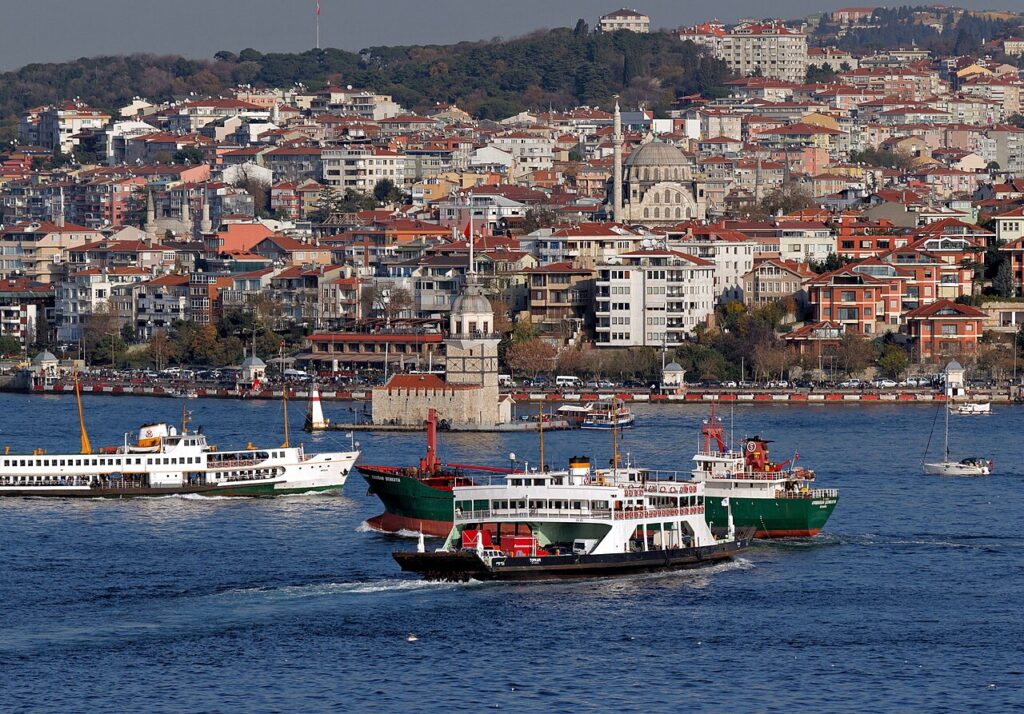
Istanbul’s winters are cold, wet, and dramatic rather than freezing, and Uskudar’s position on the Asian shore gives it the full force of the Bosphorus weather. From December through February, expect daytime highs around 8–11°C (46–52°F), nights near freezing, and rain that arrives in sudden, driven squalls — the wind off the strait makes the waterfront feel colder than the thermometer, and the spray is a fact of the season. Snow is a rarity that usually melts within a day, but when it falls it is a spectacle: the tower dusted white in the strait, the mosque domes against the snow, the European shore across the water in its winter coat. The clear winter days are the prize — crisp, brilliant, the light low and golden, and the ferries crossing a steel-blue Bosphorus. The wind is the real enemy; dress for it.
What Winter Changes in Uskudar
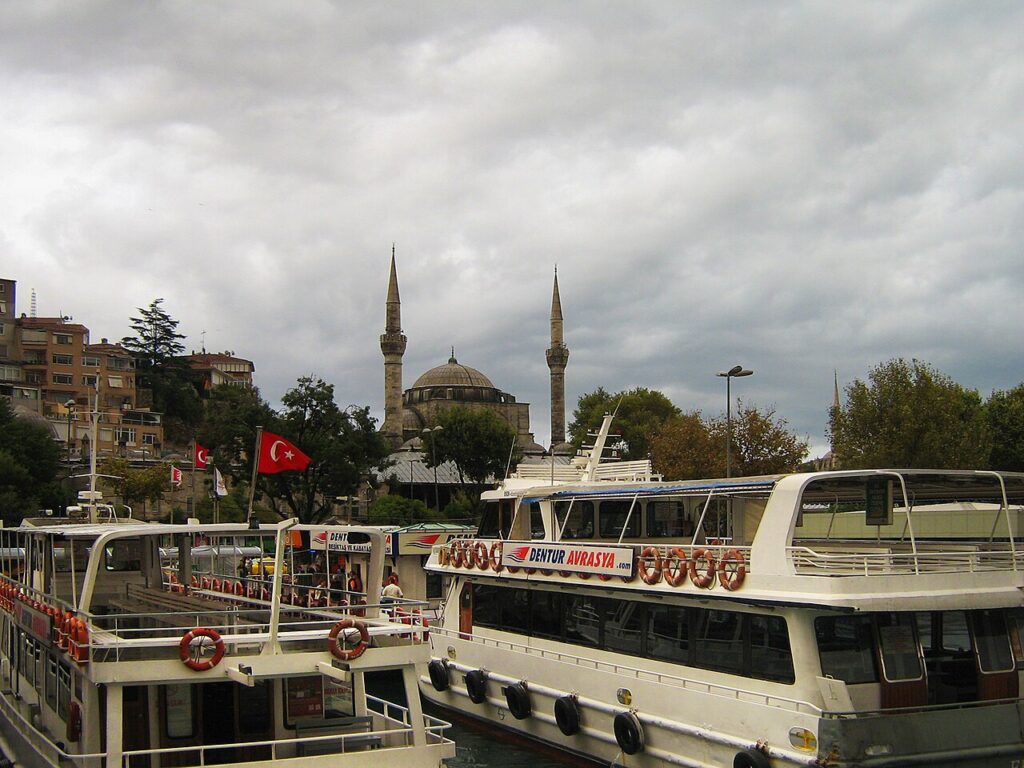
The district’s rhythm shifts with the season. The waterfront walks shorten — the wind off the strait is bracing — and the life of the district moves indoors and behind glass: the teahouses with their steam-fogged windows, the lokantas full of the warm steam of the day’s stews, the mosques with their welcoming interiors. The hamsi season arrives with the cold — the anchovies pile the market stalls silver, and the fish restaurants and the meyhanes do their warmest business of the year. The hills of Çamlıca turn dramatic — the winter light over the strait from the summit is one of the great winter views of the city, and the hill walks are the bracing version of the summer ones. The district’s inner life — the tea, the food, the warm rooms — takes over the day.
The Winter Food Season
This is the season when the district eats its best. The anchovy — hamsi — is the winter star: fried whole and eaten with bread and raw onion, baked, or grilled, the comfort food of the Turkish winter, and the market and the fish restaurants of the waterfront both do it justice. The winter soups and stews fill the lokantas — the lentil soup, the ezogelin, the yogurt-and-barley yayla çorbası — and the chestnut and corn carts smoke on every corner. The winter meal is the waterfront fish dinner: the meze table, the hamsi, the rakı or the wine, the long conversation in a warm room while the squalls rattle the windows. And the teahouse — the tulip glass, the steam, the view of the winter strait — is the district’s warmest ritual.
The Winter Itinerary
A winter day in Uskudar writes itself around the weather and the warmth. Morning: the waterfront mosque walk — the grand domes and minarets against the grey light, the courtyards as the calm — then the breakfast spread at a district house, the menemen and the honey and kaymak steaming in the cold. Mid-morning: the teahouse, the tulip glass, the winter light on the strait. Lunch: the lokanta trays — the soups, the stews, the beans — the steam rising in the warm room. Afternoon: the bus up to Çamlıca for the winter panorama — the light low, the city spread below — or, if the wind is brutal, the market streets and the indoor layers of the center. Early evening: the hamsi dinner at the waterfront, the meze table, the warm room. Late: the ferry across for the winter lights of the European shore — or the waterfront walk home with the tower lit in the strait.
What to Pack
Winter in Uskudar is a layering game, and the uniform is specific. A warm, waterproof coat is non-negotiable — the rain and the wind off the strait defeat umbrellas. A sweater and a thermal layer beneath; a hat and gloves for the waterfront and the open ferry decks; waterproof shoes or boots, because the rain runs in the streets; and one smart-but-warm outfit for the fish-dinner evenings. The Istanbulkart for the ferries, which run all winter — fewer boats, but the heated lower decks are the warmest place in the city. And cash for the market, the teahouses, and the small places that prefer lira.
The Crowds Question
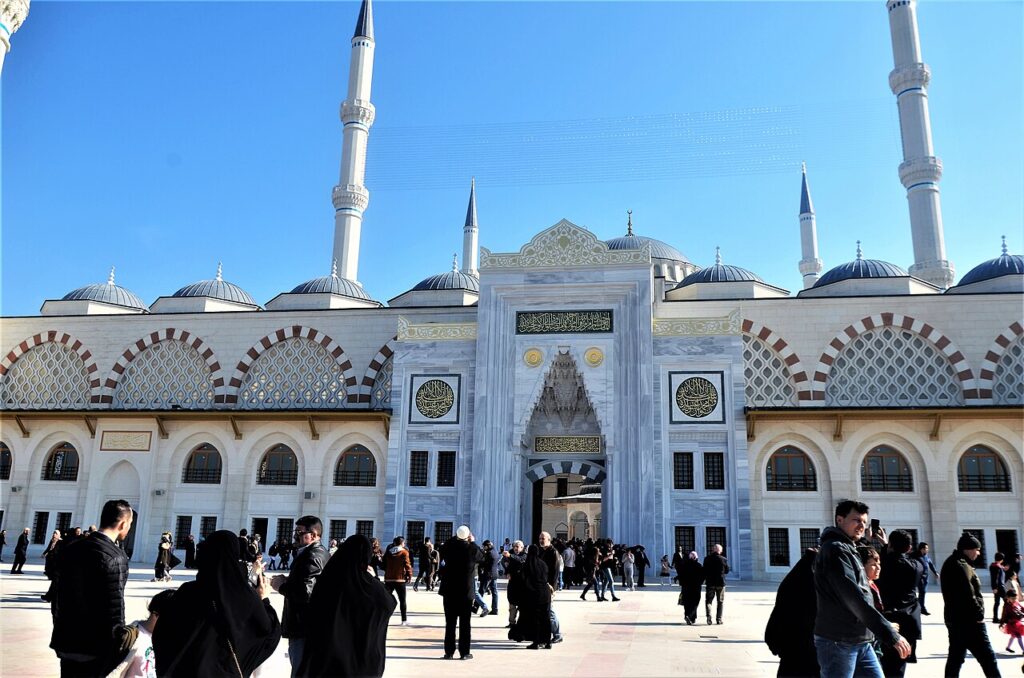
Winter is the season of empty streets and available tables. The mosques and the tower boats walk on in the day, the ferry queues are short, the fish restaurants take the evening walk-ins, and the accommodation prices drop with the temperature — sometimes sharply. The one caveat is the holidays: the week around New Year brings the city to the waterfront for the fireworks and the celebrations, and the ferry queues return for a few days. Plan around the holidays, and winter Uskudar is the most relaxed version of the district there is.

The Honest Downsides
Winter is not without its costs. The daylight is short — dark by 5 p.m. in December — and the wind on the waterfront can be genuinely punishing in a storm. Some of the summer things shut down: the open-air teahouse terraces move behind glass, and the island ferries shrink to weekend schedules. The rain can lock you indoors for a full day. None of this is a reason to avoid the season; it is a reason to plan for it, and the district’s indoor life — the teahouses, the lokantas, the mosques, the fish dinners — is exactly what makes the plan work.
Why Winter Uskudar Is Worth It
The case for the winter visit is simple: you get the real district. The summer Uskudar is the pleasant version — the teahouse terraces, the long evenings; the winter version is the working one — the ferries carrying the commuters through the squalls, the hamsi season at its peak, the warm rooms full of the district’s life, the tower lit over the dark water. It is the Bosphorus at its most dramatic, the food at its most comforting, and the prices at their lowest. Bring a coat, an appetite, and a ferry card, and you will have the winter trip that the summer visitors never get — and the version of Uskudar that its residents would tell you is the best one.
The Winter Crowds, Honestly
The one caveat of the season is the holidays: the week around New Year brings the city to the waterfront for the fireworks and the celebrations, and the ferry queues return for a few days. Outside that week, the district is at its quietest — the mosques and the tower boats walk on in the day, the ferry queues are short, the fish restaurants take the evening walk-ins, and the accommodation prices drop with the temperature, sometimes sharply. The football and the festival calendar of the European shore matter little here — Uskudar’s winter is its own, calm and local. Plan around the holiday week, and winter Uskudar is the most relaxed version of the district there is.
Frequently asked questions
Does it snow in Uskudar?
Occasionally — a few days a year, usually in January or February, and it rarely lasts. When it does, the tower against the snow is one of the city’s great sights.
Are the ferries running in winter?
Yes, year-round, though less frequently. The commuter lines keep the city moving all winter, and the heated lower decks are the warmest seats on the water.
Is the tower visit possible in winter?
Yes — the boats run through the winter, weather permitting. On the stormy days, the tower from the shore is the version, and the photographs are dramatic.
Is the hamsi season really the winter?
Yes — the anchovies arrive with the cold, and the winter is the season of the district’s best fish eating.
Is winter much cheaper?
Yes — the accommodation prices drop noticeably outside the holiday weeks, and the tables and the ferries are all quieter.
What should I pack for a winter visit?
Layers are the uniform: a warm, waterproof coat, a sweater and a thermal layer, a hat and gloves for the waterfront, waterproof shoes, and one smart-but-warm outfit for the fish-dinner evenings.
Are the teahouses open in winter?
Yes — the gardens move indoors or behind glass, and the steam-fogged windows are the district’s winter signature; the tulip glass is the warmest ritual in the city.
Is the Çamlıca summit worth it in winter?
Yes — the winter light over the strait from the summit is one of the great winter views of the city, and the clear days are crisp and brilliant.
What about the New Year crowds?
The week around New Year brings the city to the waterfront for the fireworks — the ferry queues return for a few days, then the district settles back into its quiet winter.

All Over Information
The All Over Information editorial team researches and writes practical English-language guides to Turkey. Facts are checked against official and local sources before publication, prices are published as dated ranges rather than quotes, and guides are revised when things change. We accept no sponsored posts, paid placements or paid links.
More guides like this

Top 10 Things to Do in Uskudar
Uskudar is the Asian shore's traditional heart, and it offers something the tourist districts cannot: the working Istanbul of grand mosques, waterside…

Best Time of Year to Visit Uskudar
Every season in Uskudar has its own character, and the honest truth about the district's climate is that it has no bad…

A Foodie’s Guide to Uskudar
Uskudar is the district where Istanbul's food traditions are at their most intact — the working Asian shore where the teahouse, the…

Family-Friendly Activities in Uskudar
Uskudar is the district that families discover and then quietly make their own.
Uskudar in Summer: A Complete Travel Guide
Summer is when Uskudar shows its most beautiful side.
Best Local Restaurants in Uskudar
Uskudar is the district where Istanbul's traditional food culture is at its most intact — a working Asian shore where the restaurants…