Summer is Ayder at its fullest — the plateau green and alive, the highland meadows at their brightest, the thermal waters at their most welcoming, and the village filling with travelers from across Turkey. It is also the season that requires the most planning: the famous plateau draws its biggest crowds, the good chalets fill far ahead, and the center is at its liveliest. But the summer is also when the plateau is at its most beautiful — the green, the light, and the long mountain evenings — and with the right approach, it delivers the complete Ayder. This guide is the complete summer handbook: what the weather and the crowds really do, how to handle the peak season, how to get the most from the plateau, the thermal waters, and the high country, and the practical details that make a summer trip run smoothly.
Summer in Ayder: The Reality
The weather. The high country’s summer is mild, green, and changeable. Expect:
- Daytime highs: 18–26°C on the plateau — warm and pleasant, with the mountain air keeping it comfortable. The high country is cooler still.
- Nights: cool and comfortable — the high valley needs a layer even in the summer.
- Rain and cloud: the region is famously wet, and the summer brings showers and cloud at any time. But the rain passes, the green is the reward, and the mist over the plateau is part of the beauty.
- The thermal waters: the constant of the Ayder summer — the hot springs at their most welcoming, with the warm days and the cool evenings.
The crowds. Ayder is one of Turkey’s most famous highland destinations, and the summer — especially the school holidays and the weekends — brings its biggest crowds. The center is busy, the good rooms go early, and the thermal waters have their queues. It is never a mass-market resort, but the summer is the full season, and planning ahead is essential.
The prices. Summer is the peak season, and the accommodation prices rise accordingly. Booking well ahead — weeks or months for the good chalets — is essential.
The Summer Days: What Actually Happens
A good summer day in Ayder follows the high country’s rhythm: early mornings for the plateau at its best, middays for the high country, and evenings for the thermal waters and the long dinners.
The morning: the plateau before the crowds. Start early. The plateau in the morning — the mist, the green, the light — is the high country at its most beautiful, and the early hours are the calmest. Walk the plateau, photograph the chalets and the stream, and have the place to yourself before the day-trippers arrive.
The middle of the day: the high country. As the plateau fills, go high. The yayla meadows and the highland paths above the plateau are the summer’s great escape — the green pastures, the views over the peaks, and the cool mountain air. A highland drive or a walk is the midday activity, and the meadows are at their greenest in the summer.
The afternoon: the plateau and the thermal waters. Back down, the afternoon belongs to the plateau and the hot springs — the thermal waters at their most welcoming, and the easy hours by the stream and the cafés.
The evening: the plateau’s best hours. As the light softens, the plateau comes into its own — the golden light over the valley, the long trout dinners, and the mountain evenings that run late. The evening is the plateau’s best hours, and the central restaurants with the view are the summer’s social center.
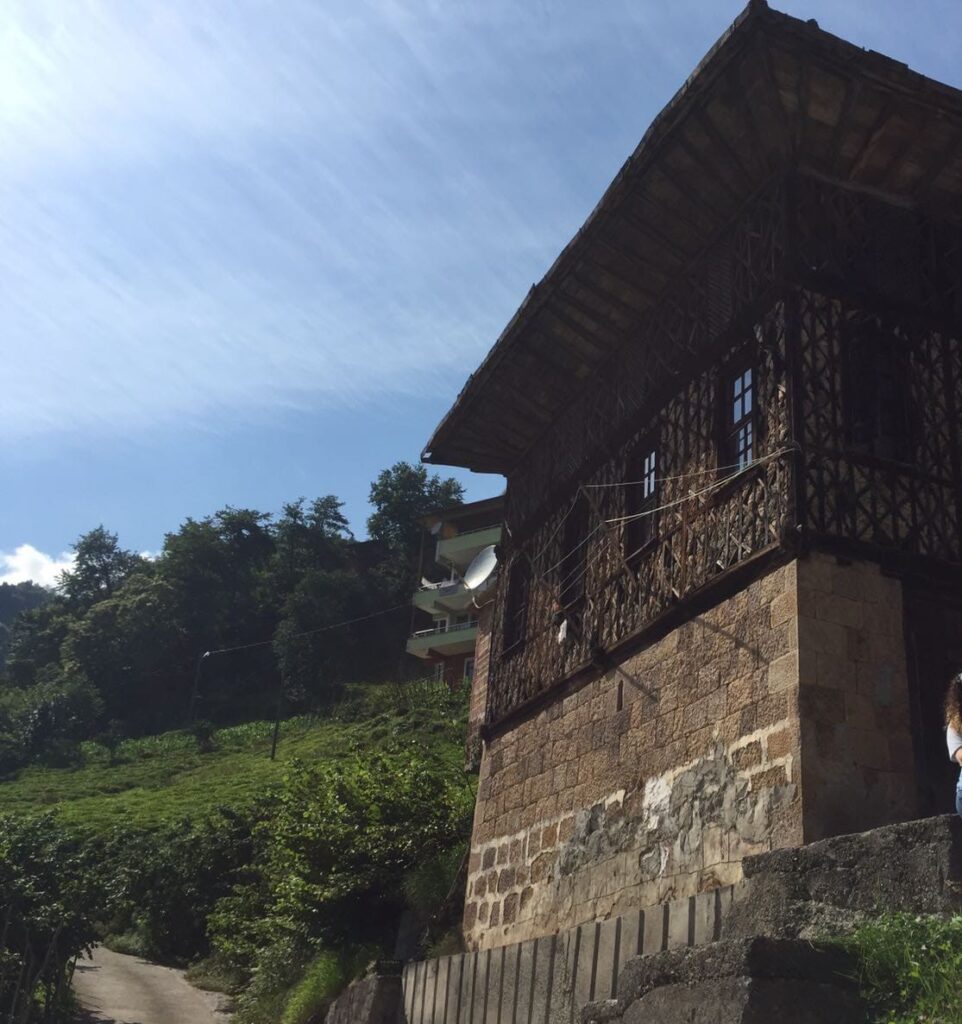
The Summer Essentials List
- Comfortable walking shoes. The plateau walks, the highland paths, and the thermal waters are all on foot.
- Layers and a rain layer. The high valley is cool in the evenings and wet at times — a light rain jacket and a warm layer are essential.
- Swimwear. For the thermal waters — the constant of the Ayder summer.
- A camera. The summer plateau — the green, the mist, the light — is made for it.
- Sunscreen and a hat. The high-altitude sun is real, even when the air is cool.
- Cash. The smaller restaurants, the cafés, and the stalls prefer lira.
- Book everything ahead. The good chalets, the restaurants, and the thermal spa slots fill in the peak weeks.
Making the Most of Summer’s Highlights
The plateau. The summer’s centerpiece, and the morning is its best hour — the mist, the green, and the light. Walk it early, photograph it at golden hour, and feel the plateau at its most itself.
The thermal waters. The constant of the summer — the hot springs at their most welcoming, with the warm days and the cool evenings. Go early or late to avoid the busiest hours, and do the simple local baths as well as the spas.
The high country. The yayla meadows and the highland paths are the summer’s great escape — green, high, and alive. Drive up early or late, when the light is best, and the meadows are at their emptiest.
The trout dinners. The central restaurants with the valley view are the summer’s social center, and the trout of the mountain streams is the essential meal. Book or arrive early for the good tables.

Handling the Crowds and the Peak Season
- Book far ahead. The good chalets and the hotels fill weeks, sometimes months, ahead for the summer. Reserve as soon as your dates are fixed.
- Go early or go high. The plateau in the morning, the high country at midday — the edges of the day and the heights of the valley are the calmest.
- Go midweek. The weekends bring the biggest day-tripper crowds; the weekdays are the calmest.
- Have a plan B for the weather. The region is wet, and a summer shower can arrive at any time — the cafés, the thermal waters, and the indoor places are the plan B.
The Season’s Practical Notes
- The thermal waters are the constant. Unlike the Mediterranean coast’s beach, the hot springs are the summer’s water-based constant — and they work in any weather.
- The high country is the escape. When the plateau is at its busiest, the yayla meadows above it are the retreat — cooler, emptier, and at their greenest in the summer.
- The rain is part of it. The green that makes the plateau beautiful is the rain’s gift, and the summer showers pass — the mist over the valley is a feature, not a problem.
Summer Day-Trips
Summer is also the season for the day trips — the other yayla meadows, the high lakes, the waterfalls, and the tea country are all at their best, and the long daylight hours make the drives easy. See the dedicated day-trip guide for the full rundown.
The Working Plateau Under the Holiday
The summer crowds can obscure the fact that Ayder and its high country live by their own working rhythms, and the traveler who notices gets a richer trip. The highland meadows are not scenery but a working landscape — the herders move their animals to the summer pastures, the milking and the cheese-making go on around the travelers, and the wooden huts are homes, not props. The tea gardens of the lower slopes are a working crop, and the trout on the tables was raised in the region’s streams. And the plateau itself carries its daily life through the holiday — the families, the shops, the school summer. Take the time to watch the working side of the high country, ask the herders and the farmers about their life, and eat the food that the working landscape produces. The holiday Ayder is lovely; the working highland underneath it is what makes the place real.

The Takeaway
Summer is Ayder at its fullest: the green plateau, the thermal waters at their most welcoming, the high country alive, and the village at its busiest. It asks for planning — book far ahead, go early or go high, and take the rain as it comes — and repays it with the complete summer highland: the mist over the valley, the trout dinners with the peaks in the frame, and the long mountain evenings. Follow the plateau’s rhythm — early for the plateau, high for the meadows, thermal for the evenings — and you will have the summer Ayder at its best.
Frequently asked questions
How hot does it get in Ayder in summer?
Warm and pleasant rather than hot — daytime highs of 18–26°C on the plateau, cooler in the high country, with cool nights and occasional rain.
Are the thermal waters good in summer?
Yes — they are the constant of the Ayder summer, welcoming in any weather, with the warm days and the cool evenings.
Is Ayder very crowded in summer?
Yes, it is one of Turkey’s most famous highland destinations, and the summer — especially the school holidays and the weekends — brings its biggest crowds. Book ahead and go early or high for the calm.
Do I need to book accommodation far in advance?
Absolutely — the good chalets fill weeks or months ahead for the summer.
What is the best time of day in summer?
The morning for the plateau in the mist and light, and the evening for the valley at its best.
Is Ayder good for families in summer?
Yes — the plateau, the thermal waters, and the high country are all family-friendly, and the setting is spectacular.

All Over Information
The All Over Information editorial team researches and writes practical English-language guides to Turkey. Facts are checked against official and local sources before publication, prices are published as dated ranges rather than quotes, and guides are revised when things change. We accept no sponsored posts, paid placements or paid links.
More guides like this
Top 10 Things to Do in Ayder Plateau
Ayder Plateau is a small highland valley with a concentrated list of pleasures, and nearly everything on the list is free, beautiful,…

Best Time of Year to Visit Ayder Plateau
Ayder is a plateau of seasons, and the season you choose changes the entire character of the visit.
History and Culture of Ayder Plateau
Ayder looks like a landscape without a history — a green valley in the mountains, the way it might have been for…
Best Local Restaurants in Ayder Plateau
Ayder's food is the eastern Black Sea's own, and the plateau serves it with the mountains as the backdrop — the trout…
Hidden Gems of Ayder Plateau Most Tourists Miss
Ayder is a famous plateau, and the crowds follow a well-worn circuit: the center with its thermal waters and restaurants, the main…

Where to Stay in Ayder Plateau: Neighborhood Guide
Ayder is a small highland plateau, and the choice of where to stay is essentially a choice of view and position around…