Balat is the old city’s hidden quarter — off the tram lines, reached by the buses and the ferries, and the better for being off the beaten path. The quarter’s transport is the transport of the old city’s edge: the buses from the core, the ferries across the Golden Horn, the metro and the bus from the airports. This guide covers the airports and the transport of Balat — the routes, the cards, the times, and the tricks of the quarter’s connections.
Istanbul Airport (IST): The Metro and the Bus
The main airport of the city connects to Balat by public transport in about an hour and a half. The route: the M11 metro from the airport to the city, the connections to the old city, and the buses from the old city’s main stops to the quarter’s streets. The route is one card and three or four legs, and the last leg — the bus through the old city’s edge to the colorful streets — is the arrival worth having. The alternatives: the HAVAIST shuttle runs from the airport to the city’s hubs, with the bus or a short taxi covering the last stretch; the taxi is the door-to-door option, forty minutes to an hour depending on the traffic, at the city’s higher prices. For most travelers, the metro and the bus are the answer — cheap, reliable, and immune to the traffic.
Sabiha Gökçen (SAW): The Crossing Route
The city’s second airport, on the Asian side, connects to Balat by public transport in about two hours. The route: the M4 metro from the airport to the Asian side’s main transfer, the Marmaray under the Bosphorus to the European side, and the connections onward to the old city and the quarter. The route is longer than the IST route but scenic: the underwater crossing of the Marmaray, the two sides of the city connected in minutes. The alternatives: the HAVAIST shuttle with the bus for the last stretch, or the taxi — an hour or more in the traffic, the city’s most expensive ride. The Sabiha route rewards the traveler with the crossing itself, and the time passes quickly.
The Buses: The Quarter’s Gate
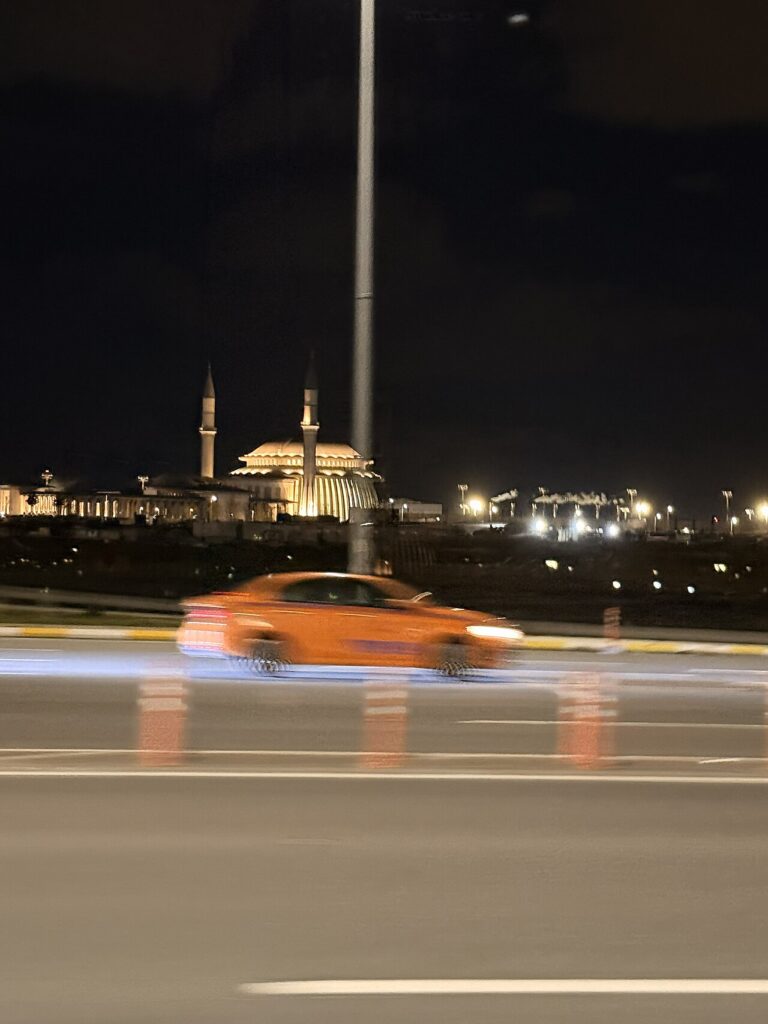
The buses are the quarter’s gate — the routes from the old city’s main stops to the streets of Balat, about twenty minutes through the old city’s edge. The buses run frequently through the day, and the Istanbulkart covers them at the price of a metro ride. The quarter’s own stops — at the edge of the colored streets and the working lanes — put the visitor at the heart of Balat within the walk. The buses are also the connections beyond: the routes from the quarter’s stops to the monuments, the waterfront quarters, and the wider city. For the traveler in Balat, the buses are the spine — the gate to the quarter and the gate out of it.
The Ferries: The Water Routes
The ferries are the quarter’s water transport, and the piers along the Golden Horn are a short walk from the streets. The Golden Horn ferries — the short rides along the inlet — connect the quarter to the waterfront and the gateway quarters. The Bosphorus crossings — the ferries across the strait to the Asian side — are the longer rides with the city from the deck. And the Bosphorus cruise — the ferry that runs the length of the strait — is the scenic route: the palaces and the fortresses, the villages and the bridges. The ferries run through the day, the Istanbulkart covers them at the price of a metro ride, and the piers are the quarter’s second gate. For the traveler who wants the water views, the ferries are the essential transport — and the crossings are the rides.

The Walking: The Quarter’s Real Transport
The walking is the quarter’s real transport, and the visitor should plan for it. The colored streets and the lanes are the experience, and the walker covers the quarter completely — the famous facades, the back ways, the climb to the walls. The walking also connects the quarter to the wider old city: the walk along the Golden Horn from the gateway quarters is the scenic approach, about an hour with the ferries and the fishing boats and the quarter’s colors rising ahead. The pavements are the old city’s own — the cobbles and the steps of the lanes, the flatter streets of the shore — and the sturdy shoes are the equipment. For the traveler in Balat, the walking is the transport that costs nothing and shows everything.
The Practical Notes
A few things make the transport smooth. The Istanbulkart is the key: buy it at any station, load it once, and it covers the buses, the ferries, the metros, and the trams — the whole city on one card, at a fraction of the taxi price. The buses are the spine: the routes from the old city’s stops run to the quarter — learn the stops and the quarter is yours. The ferries are the views: the crossings from the shore give the approach worth having — take the water when the time allows. The quarter is off the tram lines: the buses and the walking are the transport — plan the connections, and the quarter rewards the extra effort. And the walking is the quarter’s own: the cobbles and the steps are the terrain, and the sturdy shoes are the equipment.

The Accessibility Notes
The transport of the quarter is the old city’s own, and the accessibility is part of the planning. The buses are the accessible models of the city’s fleet, with the ramps and the level boarding — the quarter’s main gate. The ferries board with the ramps and the level decks, and the piers are served by the accessible routes. The metro — the airport and the city lines — has the elevators and the level access at the stations. And the walking is the variable: the waterfront and the main streets are manageable, while the cobbled lanes and the steps of the quarter ask for the care. The practical notes: the station maps mark the elevators, the ferry staff assist with the boarding, and the quarter’s scale — the compact lanes and the bus connections — is navigable with the planning, the sturdy wheels, and the extra time for the old city’s terrain.
The First-Timer’s Approach: The Smooth Arrival
The first arrival sets the tone, and the sequence is simple. From Istanbul Airport: take the metro to the city and the bus to the old city’s stops, then the quarter’s bus to the streets — the total about an hour and a half, all of it on the card bought at the station. The first ride is the lesson: the buses of the old city are the quarter’s gate, and the stops at the edge of the colored streets put the visitor at the heart of Balat within the walk. The ferry is the alternative: the arrival by the water — the crossing of the Golden Horn to the nearby piers — is the scenic approach, the quarter’s colors from the deck. And the card is the constant: load the Istanbulkart once, and the buses, the ferries, and the connections of the whole city are covered. The first arrival is the quarter’s introduction: the old city’s edge, the buses and the water, the colored streets at the end of the route.

The Takeaway
The transport of Balat is the old city’s hidden-route network — the buses from the core, the ferries across the water, the metro and the bus from the airports, and the walking that ties it all together. The Istanbulkart unlocks the whole of it: one card, every mode, the old city at the traveler’s feet. The quarter is off the tram lines and the better for it — the extra effort of the connections is the price of the hidden quarter, and the reward is the color postcard itself. Arrive by the bus through the old city’s edge, cross by the ferry, and walk the lanes — the most photographed corner of Istanbul, reached by the least-touristed routes, with the transport as simple as the old city’s own life.
Frequently asked questions
How do I get from Istanbul Airport to Balat?
The metro and the bus — the M11 to the city, the connections to the old city, and the bus to the quarter’s streets — about an hour and a half, cheap and reliable.
How do I get from Sabiha Gökçen?
The M4 to the Asian side, the Marmaray under the Bosphorus, and the connections onward — about two hours, with the crossing as the scenic highlight.
How do I get from the old city?
The buses from the main stops — about twenty minutes to the quarter’s streets — or the walk along the Golden Horn.
Is the taxi worth it?
Only for the door-to-door convenience and the heavy luggage — the buses and the metro are cheaper and often faster in the traffic.
Do I need a car in Balat?
No — the buses, the ferries, and the walking cover the quarter and the old city, and the traffic makes the car the slowest option.

All Over Information
The All Over Information editorial team researches and writes practical English-language guides to Turkey. Facts are checked against official and local sources before publication, prices are published as dated ranges rather than quotes, and guides are revised when things change. We accept no sponsored posts, paid placements or paid links.
More guides like this
48 Hours in Balat: The Perfect Itinerary
Two days in Balat is a deep dive into the old city's hidden quarter — long enough to walk the colored streets…

Best Local Restaurants in Balat
Balat eats the old way and the new way, and the quarter's tables run the full range of the old city's food.

Balat in Summer: A Complete Travel Guide
Summer is Balat's liveliest season — the long days, the full streets, the colors at their brightest under the high sun, the…
Balat in Winter: What to Expect
Winter changes Balat the way it changes every old quarter — the crowds thin, the colors soften under the gray light, and…

A Solo Traveler’s Guide to Balat
Balat is one of the best quarters in Istanbul for the solo traveler — safe, walkable, and full of the quiet company…

Balat on a Budget: Money-Saving Travel Tips
Balat is the budget quarter of the old city — the colorful streets cost nothing to walk, the working tables feed the…