Winter changes Balat the way it changes every old quarter — the crowds thin, the colors soften under the gray light, and the quarter returns to its residents. The day-trippers of the summer are gone; the colored streets are walkable and quiet; the cafes and the tea houses are the warm rooms of the season; and the rare snow transforms the painted facades into the photographs of a lifetime. This guide covers what to expect from a winter visit to Balat — the weather, the light, the rhythms, and the pleasures of the quarter’s cold season.
The Weather: What Winter Actually Feels Like
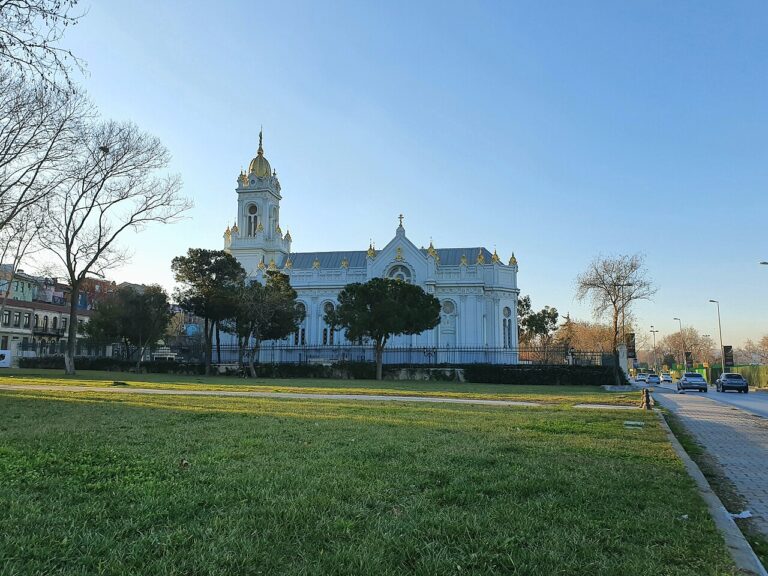
Istanbul’s winter is wet and gray rather than freezing — the temperatures hover around freezing in the coldest weeks, rarely dropping far below, with the rain and the damp doing more work than the cold. Balat, on the hillside above the Golden Horn, catches the winter wind off the water, and the cobbled lanes feel colder than the thermometer suggests — the wind off the inlet is the quarter’s winter signature. The practical kit: the waterproof coat, the umbrella, the warm layers, the shoes that handle the wet cobbles — the quarter’s walking is the winter’s main activity, and the right kit makes it a pleasure. Snow is rare — a few days a year, most likely in January or February — and when it falls, it transforms the quarter: the colorful houses under the white, the iron church against the snow, the photographers out in force. The winter visitor should expect the gray and hope for the snow.
The Light: The Colors in the Gray
The winter days are short — the light fades by the late afternoon — and the quality of the light is the season’s secret. The low winter sun throws the long shadows across the colored streets; the painted facades glow softly under the winter sky; and the early evenings bring the lights early, the cafes and the windows glowing against the dusk. The photographers know the winter light — the sharpest and most dramatic of the year — and the winter afternoons, brief as they are, are the best time for the quarter’s colors: the facades in the low light, the mist over the Golden Horn, the rare snow on the painted houses. The visitor should plan the outdoor time for the middle of the day and the indoor time for the evenings — the quarter’s winter rhythm runs on the light.

The Crowds: The Quiet Season
Winter is Balat’s quiet season, and the quiet is the season’s great gift. The colorful streets, crowded to a crush in the summer, are walkable and peaceful in the winter; the cafes and the tea houses have the tables; the famous lanes belong to the residents and the few winter travelers; and the quarter’s life runs at the pace of the old neighborhood rather than the pace of the day-trip season. The prices follow the crowds: the guesthouses of the quarter drop with the season, and the winter visitor gets the old quarter at the year’s lowest rates. The trade-off is the weather — the gray days and the rain — and the traveler who comes for the quiet, the prices, and the city’s own life finds the winter Balat the most authentic version of the quarter.
The Indoor Layers: The Warm Rooms
The quarter’s indoor life is built for the winter, and the cold season is its time. The cafes of the colored streets — the vintage rooms and the courtyard tables under cover — are the winter’s sitting rooms: the coffee and the cake, the windows fogged, the fashionable life indoors. The tea houses of the working streets are the winter’s residents’ rooms: the tea glasses, the backgammon boards, the conversation of the neighborhood against the cold. The antique shops — the treasure rooms of the old quarter — are the winter’s hunting: the warm rooms, the objects to turn over, the hours that pass inside. And the churches and the synagogues — the monuments of the communities — are the winter’s quiet visits: the warmth and the history of the old buildings. The winter visitor’s Balat is an indoor quarter, and it is the richest version of the quarter.

The Food: The Winter Tables
The winter changes the quarter’s tables, and the season’s food is one of its pleasures. The tea houses do their warmest trade — the tea and the conversation against the cold, the residents’ rooms at their most welcoming. The lokantas do the season’s stews — the lamb and the beans, the soups and the hearty dishes of the cold months. The cafes of the colored streets do the winter comfort — the cakes and the hot drinks, the warm rooms of the fashionable quarter. And the street food does the season’s treats — the roasted corn and the chestnuts of the winter corners, the simit from the cart with the steam rising. The winter table of Balat is the old quarter’s comfort food at its best, and the visitor who eats with the season eats the quarter’s warmest meals.
The Evenings: The Early Nights
The winter evenings come early, and the quarter’s night life moves indoors with them. The tea houses and the cafes do their warmest evenings; the restaurants of the working streets fill with the residents; and the colored streets — empty of the day-trippers — glow with the lights of the windows. The night walk of the winter quarter is one of its best pleasures: the painted facades in the lamplight, the quiet lanes, the cafes glowing — the old quarter at its most atmospheric, without a crowd in the frame. The visitor should plan the days around the light and the evenings around the warmth — the winter Balat’s rhythm, and the key to enjoying the season.

The Festive Weeks: The Winter Calendar
The winter weeks carry the season’s events. The December weeks bring the holiday decorations: the quarter’s streets and the cafes dressed in their lights, the festive windows, the quiet crowds of the season. The New Year is the great winter event: the restaurants and the cafes of the quarter do their festive evenings, and the fireworks rise over the Golden Horn and the Bosphorus — from the quarter’s hill, the shows of the city are visible in the distance. The January weeks are the quietest of the year, the city recovering, the prices at their floor. And the February weekends bring the last of the winter — the cold, the possible snow, the season’s end approaching. The winter calendar of the quarter runs from the festive to the quiet, and each stretch has its own character.
The Practical Notes
A few things make the winter visit smooth. The kit is the key: the waterproof coat, the umbrella, the layers — and the sturdy shoes for the wet cobbles, which are the quarter’s winter terrain. The midday is the day: plan the outdoor time for the middle hours, when the light is at its best and the cold at its gentlest. The indoor layers are the plan: the cafes, the tea houses, and the antique shops are the winter’s destinations — build the days around them. The prices are the season’s gift: the guesthouses of the quarter drop with the crowds — book the winter and pay the year’s lowest rates. And the snow is the bonus: rare, brief, and magical — when it falls, drop the plan and walk the colored streets under the white.

The Takeaway
Winter Balat is the quarter at its quietest and its most authentic — the crowds gone, the prices down, the warm rooms rich, the short days lit by the low winter sun on the painted facades and the rare snow over the colored streets. The cafes and the tea houses, the antique shops and the winter tables, the quiet lanes and the festive weeks: the season gives the quarter back to its residents, and the visitor who comes for it gets the year’s most genuine version of the color postcard. Come for the quiet and the prices; stay for the light, the food, and the warmth — the winter Balat, the season the old quarter knows best.
Frequently asked questions
How cold does it get in Balat in winter?
The temperatures hover around freezing in the coldest weeks — but the wind off the Golden Horn makes the lanes feel colder, and the right coat and the sturdy shoes solve both.
Does it snow in Balat?
Occasionally — a few days a year, most likely in January or February — and when it does, the colorful houses under the white are the photographs of a lifetime.
Is Balat worth visiting in winter?
Yes — it is the quiet season with the year’s lowest prices, and the warm rooms of the quarter — the cafes, the tea houses, the antique shops — are built for exactly this weather.
What should I pack?
The waterproof coat, the umbrella, the warm layers, and the sturdy shoes for the wet cobbles.
What is the best winter event?
The New Year — the festive evenings of the quarter and the fireworks over the Golden Horn and the Bosphorus.

All Over Information
The All Over Information editorial team researches and writes practical English-language guides to Turkey. Facts are checked against official and local sources before publication, prices are published as dated ranges rather than quotes, and guides are revised when things change. We accept no sponsored posts, paid placements or paid links.
More guides like this

Balat on a Budget: Money-Saving Travel Tips
Balat is the budget quarter of the old city — the colorful streets cost nothing to walk, the working tables feed the…

How to Get to Balat from Istanbul
Balat is the old city's hidden quarter — off the tram lines, reached by the buses and the walking, and the better…
The Best Day Trips from Balat
Balat sits on the Golden Horn at the edge of the old city — the ferries at the shore, the buses to…

History and Culture of Balat
Balat is the old city's deepest layer — the quarter on the Golden Horn where the history of the city's communities is…

Best Local Restaurants in Balat
Balat eats the old way and the new way, and the quarter's tables run the full range of the old city's food.

Photography Spots in Balat You Can’t Miss
Balat is the photographer's color postcard — the painted houses and the cobbled lanes, the iron church and the Patriarchate, the walls…