Arnavutkoy is a village of seasons, and each one shows a different face to the water. The summer brings the crowds and the long evenings, the autumn brings the golden light and the best fish, the winter brings the fog and the solitude, and the spring brings the blossom and the mild air. There is no bad season, only different villages. This guide lays out what each part of the year offers, from the weather and the light to the crowds and the food, so you can choose the season that suits the visit you want.
The Four Seasons of the Village
The calendar of Arnavutkoy turns on the water. The strait is the thermometer, the light, and the mood-setter, and each season rearranges the village around it. The summer village is loud and golden, the winter one is quiet and silver, and the shoulder seasons blend the two, so the same promenade can feel like three different places across the year.
The weather of the village is milder than the city’s extremes. The water moderates the temperature, keeping the summers cooler and the winters less harsh than the inland districts, and the breeze is the constant companion of every season.
The practical choice is a balance of light, crowds, and price. The perfect visit is a matter of taste, and the village serves every taste with one season or another. The only wrong season is the one that does not match your idea of a holiday.
Spring: Blossom and Mild Days
Spring is the village at its most romantic. The hillside gardens and the lanes explode into blossom, the wisteria climbs the timber houses, and the air is mild and fresh. The spring light is soft, and the water is clear and bright.
The crowds are gentle in spring. The weekend days draw the locals to the shore, but the midweek village is calm, and the cafes have their tables free. The weather is warm enough for the promenade and the terraces, and the evenings are cool and pleasant, with just enough warmth to keep the waterfront alive without the summer press.
Spring is also the season of the long walks. The coast path to Bebek, the hillside lanes, and the ferry rides are all at their best, and the blossom makes every frame a photograph. For the traveler who wants beauty without the heat, spring is the answer.

Summer: The Full Season
Summer is the village at full volume. The promenade fills with families and strollers, the cafes spill onto the pavement, and the long evenings turn the waterfront into a festival. The summer village is the one the postcards mean.
The weather is warm, and the breeze off the strait keeps the shore comfortable. The sunsets are late and long, the ferries run their full schedules, and the night tables stay full past midnight. The summer is the season of the holiday village, and the swimming and the pleasure boats add the seaside life to the shore.
The price of the summer is the crowds. The weekends and the holidays are dense, and the good tables need booking. The weekday mornings are the calm windows, and the savvy visitor saves the promenade for the early hours and the evenings.
Autumn: The Golden Season
Autumn is the connoisseur’s season in Arnavutkoy. The light turns low and golden, the heat retreats, and the crowds thin to a pleasant murmur. The village settles into the calm that the summer never allows, and the shore is at its most beautiful.
The autumn is also the season of the bonito. The fish of the autumn run fills the tables, and the fish houses are at their best, with the catch of the season and the evenings crisp enough for the long dinners. The food calendar peaks in the autumn.
The practical picture is the best of the year: mild days, golden light, reasonable prices, and a village that is lively without being crowded. For the balance of everything, the autumn is the season the locals themselves would choose.

Winter: The Quiet Season
Winter is the village at its most private. The crowds vanish, the promenade empties, and the wooden yalis stand against the low silver light of the cold months. The winter village is a place of solitude, and the solitude is the attraction.
The winter weather is raw but rarely harsh. The rain is frequent, the wind off the strait is sharp, and the fog is the season’s signature, rolling down the water and swallowing the Asian shore. The clear winter days, when they come, have a light that no other season matches.
The winter is also the season of the bargain. The hotels drop their rates, the cafes keep their warmth, and the village gives itself to the few who come. For the traveler who wants Arnavutkoy to themselves, the winter is the answer, and the warm window table with the strait beyond is the winter trade.
The Sunsets by Season
The sunset is the village’s daily show, and the seasons stage it differently. The summer sunsets are late, long, and golden, filling the evenings with the slowest light of the year. The winter sunsets are early, brief, and dramatic, with the low sun carving the water in fire.
The autumn sunsets are the connoisseur’s choice. The low sun sits in the clear air, the water turns to metal, and the village glows against the burning strait. The spring sunsets are the softest, pink and gentle over the blossom.
The practical rule is to see the sunset in the season you choose, because each one is a different performance. The golden hour comes early in winter and late in summer, and the visitor who plans around it sees the village at its best.
The Crowds by Season
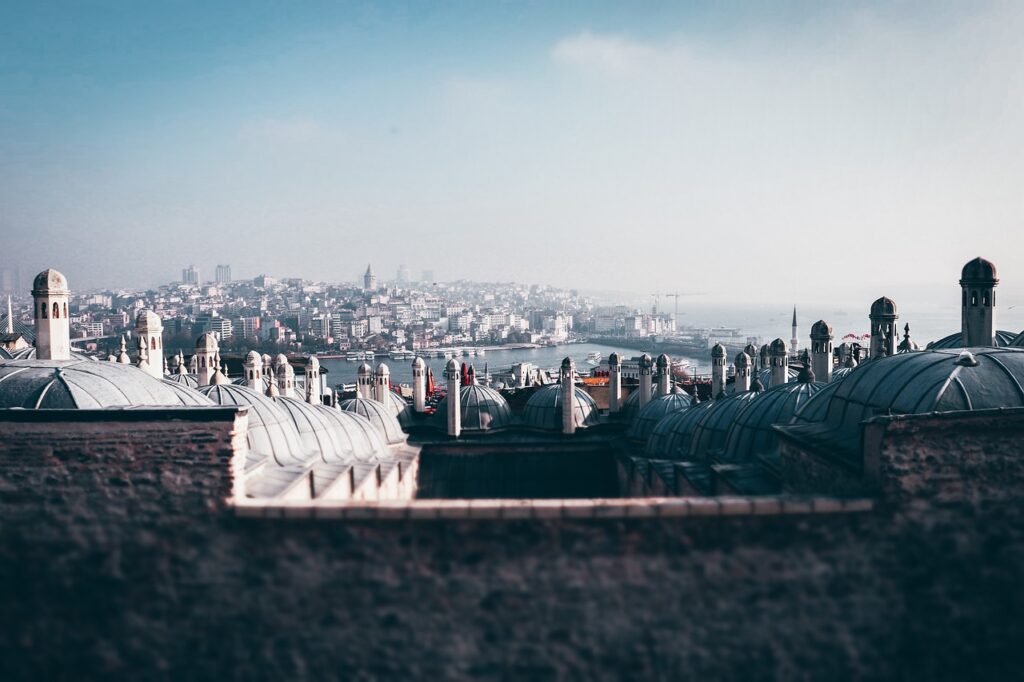
The crowds of the village follow a simple calendar. The summer brings the full houses and the packed promenade, with the weekends and the holidays the densest hours. The autumn and the spring bring the pleasant middle, busy but manageable.
The winter brings the empty benches and the private lanes, and the midweek winter is the quietest the village ever gets. The traveler who hates crowds will find the winter perfect and the summer trying.
The strategy is the same in every season: mornings and midweek. The early hours are calm even in the summer, and the weekdays soften the weekend rush. The village gives its best to the visitor who moves with the light.
The Food Calendar
The food of Arnavutkoy follows the seasons, and the calendar is worth knowing. The autumn is the bonito season, when the tables are at their finest, and the winter brings the anchovy and the hearty stews of the cold months.
The spring and the summer bring the lighter table. The cold meze, the salads, and the grilled fish of the warm months suit the long evenings, and the breakfasts are the longest and the best in the mild weather.
The practical rule is to eat what the season offers. The fish is the honest measure, and the waiter’s advice is the reliable one. The food calendar is one more reason the village rewards the return visit, and the traveler who tastes the same shore in two seasons will swear they are different places.

Festivals and Local Events
The year of the village has its events, and they color the seasons. The summer brings the concerts and the open-air gatherings of the shore, and the weekends of the warm months are the fullest of the year.
The religious calendar marks the rhythm of the neighborhood. The holidays bring the families to the shore, and the long holiday weekends are the busiest days of the year, with the promenade at its most festive.
The seasonal events are informal and local, and the visitor finds them by being present. The festival of the moment is rarely advertised; it simply happens on the shore, and the village welcomes whoever is there to enjoy it. The autumn evenings and the spring mornings carry their own quiet celebrations, the shared meal and the shore walk.
Planning Your Visit: The Verdict
The best time to visit Arnavutkoy depends on the visit you want. For the full holiday village, the summer is the season, with the long evenings and the living shore. For the golden calm, the autumn is the choice, with the best light and the best fish.
For the blossom and the mild air, the spring is the answer, and for the solitude and the bargains, the winter. The shoulder months of May, June, and September give the best balance of weather, light, and crowds.
The final verdict is the traveler’s own. The village is beautiful in every season, and the perfect visit is the one that matches your mood. Choose the season, plan the light, and let the Bosphorus do the rest.
Frequently asked questions
What is the best time of year to visit Arnavutkoy?
For most visitors, the late spring and the early autumn offer the best balance: mild weather, golden light, moderate crowds, and good prices. The summer is the full holiday season, and the winter is the quiet bargain season. There is no wrong choice, only different villages.
When is Arnavutkoy least crowded?
The winter, especially on weekdays, is the quietest the village ever gets, with the promenade nearly empty and the cafes full of regulars. The shoulder seasons are calm on weekdays too. The summer weekends and the holiday periods are the busiest times of the year.
Is Arnavutkoy worth visiting in winter?
Yes. The winter village has its own beauty: the fog over the strait, the silver light, the empty promenade, and the best fish of the year. The weather is raw, but the solitude, the atmosphere, and the lower prices are the rewards of the cold season.

All Over Information
The All Over Information editorial team researches and writes practical English-language guides to Turkey. Facts are checked against official and local sources before publication, prices are published as dated ranges rather than quotes, and guides are revised when things change. We accept no sponsored posts, paid placements or paid links.
More guides like this

The Best Day Trips from Arnavutkoy
Arnavutkoy is a small village with a big address book.

Top 10 Things to Do in Arnavutkoy
Arnavutkoy is a small village, but it concentrates more beauty per meter than almost anywhere in Istanbul.

History and Culture of Arnavutkoy
Arnavutkoy is a small village with a long memory.

A First-Timer’s Guide to Arnavutkoy
Arnavutkoy is one of the most atmospheric stretches of the Bosphorus, a waterfront village tucked between the livelier districts of Besiktas and…
Nightlife Guide to Arnavutkoy
Arnavutkoy does not have nightlife in the club sense, and that is precisely its appeal.
Arnavutkoy in Summer: A Complete Travel Guide
Summer is when Arnavutkoy performs. The Bosphorus fills with ferries and pleasure boats, the promenade crowds with families and strollers, and the…