The timing of the Side visit shapes the whole experience, and the seasons of the ancient town each bring their own character. The summer gives the peak of the heat, the crowds, and the prices; the shoulder seasons give the balance of the weather and the quiet; and the winter gives the authentic, the affordable town. This guide breaks down the seasons of Side and helps the visitor choose the best time for the trip.
The Seasons of Side
The climate of Side is the classic Mediterranean one, with the hot, the dry summers and the mild, the wetter winters. The summer runs from June to September, with the temperatures climbing through the thirties and the unbroken sunshine; the shoulder months of May and October give the warm days and the cooler nights; and the winter months from November to March bring the mild days, the rain, and the quiet. The sea is the warmest from July to October, and the swimming season stretches from the late spring to the late autumn. The seasons of the town each have their appeal, and the choice comes down to the priorities.
The Peak Summer: July and August
The peak summer of July and August is the busiest, the hottest, and the most expensive season of Side. The town and the beaches fill with the families and the visitors from across Europe; the resorts run at the full capacity, and the restaurants and the bars bustle through the evenings; the temperatures peak in the high thirties, and the sea is at its warmest; and the prices for the flights, the hotels, and the meals reach their highest. The peak summer suits the visitors who want the full holiday atmosphere and who book well ahead.
The practical note: the early bookings are the essential ones for the peak months; the midday heat calls for the shade and the siesta; and the shoulder weeks at the edges of the season give the same town with the lighter crowds.
The Shoulder Seasons: May, June, September, October
The shoulder seasons of May, June, September, and October give the best balance of the weather, the crowds, and the prices, and they are the favorite times of the regular visitors. The sea is warm enough for the swimming, the days are long and the sun is generous, and the heat stays below the peak of the high summer; the crowds are lighter and the prices are lower; and the town keeps its full services through most of the shoulder months. The shoulder seasons give the Mediterranean experience without the extremes, and they suit the widest range of the visitors.
The practical note: the early June and the late September are the sweet spots, with the warm sea and the lighter crowds; the October sea stays warm into the month; and the shoulder-season rates drop from the summer peaks.
The Spring: April and May
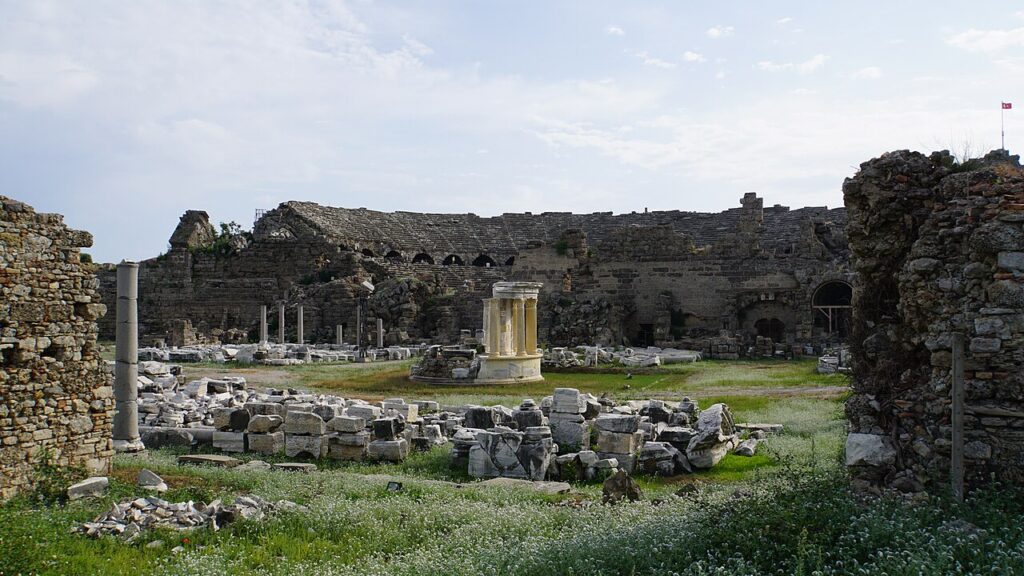
The spring of April and May brings the renewal of the region, and the town wakes from the winter quiet. The wildflowers cover the countryside, the greenery is the freshest, and the days warm through the spring; the sea starts the season cool, and the swimming comes later in the season; and the town reopens its restaurants and its hotels through the spring months. The spring suits the visitors who want the walking, the sightseeing, and the landscapes, and the empty ruins and the low prices are the bonuses of the season.
The practical note: the spring is the best time for the ancient sites and the walking; the sea is the cool one until the late spring; and the shoulder rates of the spring give the good value.

The Autumn: September, October, November
The autumn of September, October, and November gives the golden season of the region. The September sea is at its warmest, and the swimming continues into the October; the temperatures stay comfortable, and the crowds thin after the summer; the harvests of the region — the grapes, the pomegranates, the citrus — come in, and the markets fill with the produce; and the light of the autumn is the beautiful one. The autumn suits the visitors who want the swimming with the quieter town, and it is the favorite of the photographers.
The practical note: the early autumn gives the best of the swimming and the weather; the later autumn brings the cooler days and the closing services; and the autumn light and the harvests make the season the special one.
The Winter: December to March
The winter of December to March is the quiet season of Side, and the town settles into the local rhythm. The days stay mild by the northern standards, with the highs around the mid-teens; the rain comes in the showers between the sunny spells; the resorts and the beach hotels close for the most part, and the town lives the local life; and the prices drop to the lows of the year. The winter suits the visitors who want the quiet, the authentic, and the affordable, and the ancient sites stay open.
The practical note: the winter services are the reduced ones, and the planning comes ahead; the winter is the best time for the sightseeing without the crowds; and the mild coast is the escape from the northern cold.
The Swimming Season
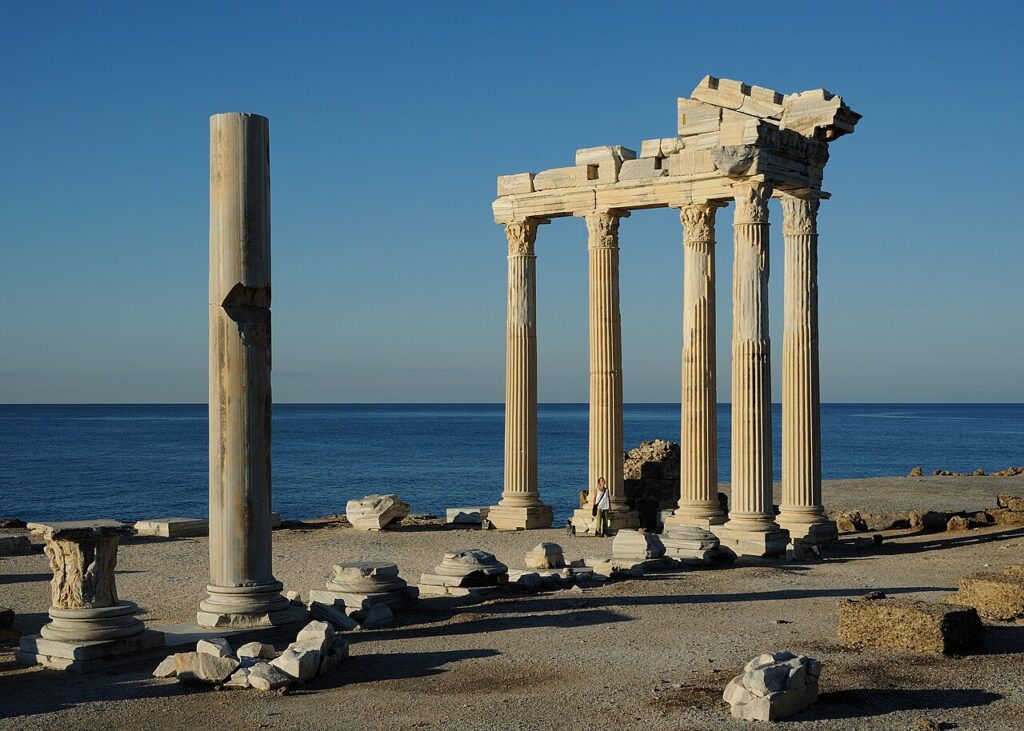
The swimming season of Side runs from the late spring to the late autumn, and the sea warms through the summer months. The May sea is the cool one, and the brave take the first dips; the June to October waters are the comfortable ones, with the peak warmth in the August and the September; and the November sea stays swimmable for the hardy. The visitor who wants the swimming plans the trip between the June and the October, and the shoulder months give the warm water with the lighter crowds.
The Best Time for the Activities
The best time for the different activities varies through the year. The swimming and the boating peak in the summer months; the walking and the sightseeing are the best in the spring and the autumn, when the heat stays down; the ancient sites work year-round, with the mild winters the comfortable ones; and the Aspendos performances and the festivals concentrate in the summer season. The visitor plans the trip around the activities that matter most, and the seasons of the town deliver the variety.

The Prices Through the Year
The prices of Side move with the seasons, and the timing saves the money. The peak summer brings the highest rates for the flights, the hotels, and the meals; the shoulder seasons give the moderate prices, with the savings against the peak; and the winter gives the lowest prices of the year, with the long-stay rates the bargain. The budget-conscious visitor chooses the shoulder or the winter seasons, and the same town costs the fraction of the summer price.
The Practical Notes for the Timing
The practical notes for the timing: the early bookings are the essential ones for the summer; the shoulder seasons need the less planning and give the more flexibility; the winter requires the checks on the open services; and the seasons of the town each have their character, so the choice follows the priorities of the visitor. The timing of the Side visit is the personal one, and the seasons deliver the variety.
The Climate DetailsnnThe climate of Side shows the details that matter for the planning. The summer nights stay warm, and the air conditioning is the standard one in the accommodation; the shoulder seasons give the comfortable days and the cooler nights, and the light layers serve the evenings; and the winter brings the rain and the occasional storms, with the sun breaking through between them. The sea temperatures follow the air, warming through the summer and holding the warmth into the autumn. The climate details of the region make the packing the simple one, and the seasons deliver the variety of the Mediterranean.n
The Takeaway
The best time to visit Side depends on the priorities of the traveler: the peak summer for the full holiday atmosphere, the shoulder seasons for the balance of the weather and the quiet, the spring and the autumn for the walking and the light, and the winter for the authentic and the affordable town. The seasons of the ancient town each deliver their own character, and the visitor who chooses the timing well gets the Side they came for.
Frequently asked questions
What is the best time to visit Side?
The shoulder months of May, June, September, and October give the best balance of the weather, the crowds, and the prices.
When is the sea warmest in Side?
The sea is the warmest from July to October, with the peak in the late summer.
Is Side good in winter?
Yes — for the mild weather, the low prices, and the quiet, the authentic town.
When is Side the most crowded?
The peak summer of July and August, when the town and the beaches fill with the holiday visitors.
When is the cheapest time to visit Side?
The winter months give the lowest prices; the shoulder seasons give the good value with the better weather.

All Over Information
The All Over Information editorial team researches and writes practical English-language guides to Turkey. Facts are checked against official and local sources before publication, prices are published as dated ranges rather than quotes, and guides are revised when things change. We accept no sponsored posts, paid placements or paid links.
More guides like this

How to Get to Side from Istanbul
The journey from Istanbul to Side crosses the country from the Marmara Sea to the Mediterranean coast, and the routes divide between…

Side in Summer: A Complete Travel Guide
Side in summer is the ancient town at its brilliant peak: the long beaches, the warm sea, the Roman ruins under the…

Where to Stay in Side: Neighborhood Guide
The choice of where to stay in Side shapes the whole visit, and the peninsula town offers the distinct areas with the…

Side in Winter: What to Expect
Side in winter is the ancient town at its quietest, and the visitors who brave the off-season find the ruins without the…

The Best Day Trips from Side
Side sits at the center of the rich region of the Antalya coast, and the day trips from the town reach the…
A Solo Traveler’s Guide to Side
Side is the safe, the walkable, the compact town that suits the solo traveler beautifully, and the ancient city by the sea…