Sisli is a year-round district — the malls and the stages, the fashion and the food run through all four seasons — and each season gives the district a different character. The spring brings the city’s green and the fashion’s new collections; the summer brings the long evenings and the terraces; the autumn brings the golden light and the quiet crowds; the winter brings the lowest prices and the indoor life. This guide covers the seasons of the district — the weather, the crowds, the prices, and the character of each — so the traveler can match the visit to the season.
The Seasons at a Glance
The district’s year divides cleanly. Spring (March–May) is the renewal: the parks green, the weather mild, the crowds building, the fashion’s new season in the windows. Summer (June–September) is the peak: the heat, the long evenings, the terraces full, the shopping at its liveliest, the prices at their top. Autumn (September–November) is the golden season: the light low and beautiful, the crowds easing, the district at its most pleasant. Winter (December–February) is the quiet season: the cold and the rain, the lowest prices, the indoor layers of the district at their richest. The choice is the traveler’s — the energy of the summer, the ease of the autumn, the prices of the winter — and each season has its case.
Spring: March to May
Spring is the district’s renewal — the season of the green and the new. The parks of Sisli — Maçka Park above all — come alive: the trees leafing, the lawns filling, the families of the district out after the winter. The weather is the season’s gift: the mild days, the cool mornings, the warmth building toward the summer, the rain of the early spring giving way to the blue of the late. The fashion turns over with the season — the new collections in the windows of Nişantaşı, the shopping streets at their freshest. The crowds are the shoulder: building from the quiet of the early spring to the bustle of the late, the prices rising with the warmth. The spring visit is the district at its freshest — the green, the new, the city waking up.

Summer: June to September
Summer is the district’s peak — the season of the long evenings and the full life. The heat is real — the afternoons in the high twenties and the thirties — and the district answers it: the malls air-conditioned, the evenings cool with the Bosphorus breeze, the terraces and the rooftops full. The shopping is at its liveliest: the summer collections, the late hours, the crowds of the fashionable quarter. The nights are the season’s gift: the bars and the terraces of Nişantaşı and Bomonti, the stages of Harbiye, the avenue’s evening life — the district’s best hours, stretched into the summer dark. The prices are at their top and the crowds at their fullest, and the visitor who comes for the energy gets the district at its most alive.
Autumn: September to November
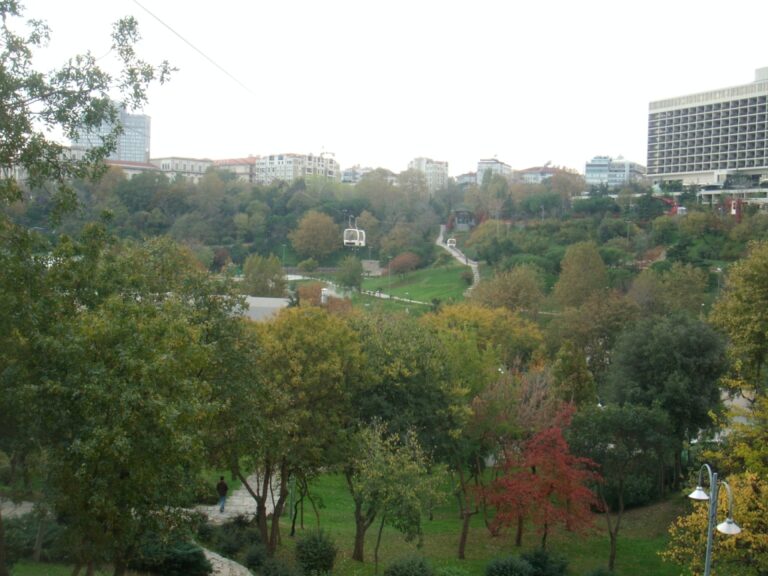
Autumn is the district’s golden season — the light, the ease, and the crowds gone. The low autumn sun throws the long shadows along the avenues; the towers and the old buildings catch the gold; and the parks turn with the season — the gold of the leaves, the crisp air, the last of the outdoor life. The crowds ease with the summer’s end: the shopping streets walkable, the tables findable, the district at its most pleasant. The fashion turns over again — the autumn collections in the windows — and the cultural season of Harbiye begins: the stages full, the programs rich. The prices ease with the crowds, and the weather holds the summer’s warmth into the October. The autumn visit is the district at its best — the light, the ease, and the life of the season.

Winter: December to February
Winter is the district’s quiet season — the lowest prices and the richest indoor life. The weather is the gray of the city: the cold, the rain, the rare snow that transforms the district. The indoor layers come into their own: the malls with their warmth and their cinemas, the museums and the patisseries, the stages of Harbiye running their full season, the restaurants and the bars of the fashionable quarters. The December weeks bring the festive decorations — the lights of the shopping streets, the holiday windows — and the New Year is the season’s great event: the gala evenings of the district, the fireworks over the Bosphorus. The crowds thin and the prices drop with them — the hotels of the district at the year’s floor. The winter visit is the district at its most local — the quiet, the prices, and the warm rooms of the city.
The Month-by-Month Notes
January–February: The coldest and quietest months — the prices at the floor, the snow a rare possibility, the indoor layers of the district at their richest. March: The first of the spring — the green beginning, the crowds still thin. April–May: The golden shoulder — the mild weather, the parks at their best, the fashion’s new season, the crowds building. June: The summer begins — the long evenings, the terraces, the manageable crowds. July–August: The peak — the heat, the crowds, the prices, the district at its most alive. September: The summer holding — the warm days, the crowds easing, the light turning golden. October: The classic choice — the golden light, the quiet crowds, the district at its most pleasant. November: The transition — the cooler days, the cultural season of Harbiye in full swing, the prices easing. December: The festive month — the decorations, the New Year, the winter’s prices.

The Seasoned Decision
Choose by the kind of trip you are planning. A shopping trip is a spring or an autumn trip — the new collections in the windows, the streets walkable, the fashion at its best. A culture trip is an autumn or a winter trip — the stages of Harbiye at their fullest, the programs rich, the indoor life of the district. A trip for the energy is a summer trip — the long evenings, the terraces, the district at its most alive. And a budget trip is a winter trip — the prices at the floor, the indoor layers warm and rich. The traveler who matches the season to the trip gets the version of the district they came for; the traveler who matches the trip to the season gets the best of both.
The Practical Notes
A few things make the seasonal choice easier. The shoulder seasons are the value: the spring and the autumn give the best weather and the moderate crowds at the moderate prices — the sweet spot of the district’s year. The summer needs the plan: the heat and the crowds call for the air-conditioned malls in the afternoons and the terraces in the evenings — book the hotels and the tables ahead. The winter needs the kit: the waterproof coat and the layers make the gray season a pleasure, and the indoor layers of the district are built for it. The fashion turns with the seasons: the windows of Nişantaşı change with the collections — the new seasons are the shopping’s best time. And the festivals move: the Islamic calendar shifts the holidays and the Ramadan evenings through the year — check the dates before you book.

The Takeaway
Sisli is a year-round district, and each season gives it a different character — the green and the new of the spring, the long evenings of the summer, the golden light of the autumn, the quiet and the prices of the winter. The choice is the traveler’s: the energy, the ease, the culture, or the budget — and the district delivers on all of them. Match the season to the trip — the shopping to the spring, the stages to the autumn, the nights to the summer, the prices to the winter — and the modern heart of Istanbul gives you the version you came for, in the season that suits it best.
Frequently asked questions
What is the best time to visit Sisli?
The autumn — the golden light, the quiet crowds, and the district at its most pleasant — with the spring as the close second.
Is Sisli worth visiting in winter?
Yes — the lowest prices of the year, the indoor layers at their richest, and the festive weeks of December.
When is the district most crowded?
The summer — July and August above all — when the shopping, the terraces, and the nights are at their fullest.
When is the shopping best?
The spring and the autumn — the new collections in the windows of Nişantaşı and the streets at their most walkable.
Does it snow in Sisli?
Occasionally — a few days a year in January or February — and when it does, the towers and the old buildings under the white are the photographers’ moment.

All Over Information
The All Over Information editorial team researches and writes practical English-language guides to Turkey. Facts are checked against official and local sources before publication, prices are published as dated ranges rather than quotes, and guides are revised when things change. We accept no sponsored posts, paid placements or paid links.
More guides like this
Hidden Gems of Sisli Most Tourists Miss
Sisli has a public face — the fashion of Nişantaşı, the malls of the center, the towers of the business district —…

A First-Timer’s Guide to Sisli
Sisli is the Istanbul that most first-time visitors never plan to see — and the one they should.

History and Culture of Sisli
Sisli is the district of the republic — the quarter where modern Turkey was made.

Shopping Guide: What to Buy in Sisli
Sisli is the shopping capital of Istanbul — the district where the city's commerce lives.

Best Local Restaurants in Sisli
Sisli eats the way the modern city lives — a full range of tables from the fashionable to the working, the fine…
Top 10 Things to Do in Sisli
Sisli is the modern heart of Istanbul — the district of the avenues and the boutiques, the towers and the malls, the…