Aphrodisias is quieter than Turkey’s most famous ancient sites, but it is still a UNESCO World Heritage destination, and the crowds come in waves. The good news is that those waves are predictable, and with a little planning you can have the marble city almost to yourself. This guide explains the best seasons, days, and hours for a visit that feels serene rather than crowded.
The Seasonal Overview
Turkey’s tourism year follows a simple rhythm, and Aphrodisias moves with it. The high season runs from June through August, when the coast swells with holidaymakers and day-trip groups reach even the inland sites. The shoulder seasons of spring and autumn bring moderate numbers, while winter, from December through February, is the quietest period of all.
Your choice of season is a trade-off between crowds and comfort. The busiest months are also the hottest, while the quietest months bring cool weather and occasional rain. Understanding this balance lets you choose the compromise that suits you.
For most visitors, the answer is the classic one: aim for the edges of the season. You get good weather, open facilities, and crowd levels that make the site feel spacious. The sections below explain exactly when those windows open and close.
Spring: The Sweet Spot
April and May are the best months to visit Aphrodisias for most travelers. The weather is warm but not hot, the valley is green, and the fields around the site are at their most beautiful. Crucially, the big tour groups that flood the region in summer have not yet arrived.
The spring light is also ideal for the site’s marble. Early and late in the day, the low sun brings out the warm tones of the stone, and the clear air keeps views of the surrounding hills sharp. Photographers consistently rate spring among the best times of year here.
There is one caveat: the busiest tourist holidays can fall in spring, and Turkish school holidays can bring domestic visitors. Check the calendar before booking, and aim for the middle of the week rather than a public holiday weekend.

Autumn: The Second Golden Window
September and October offer a second window of excellent conditions. The summer heat has broken, the crowds of August have thinned, and the site is still fully open and well maintained. The light softens, and the harvest season colors the countryside around the ruins.
October is especially rewarding for visitors who want calm. By mid-month, most European tour groups have gone home, and you may share the site with only a handful of other travelers. The temperatures remain pleasant for walking, though the evenings turn cool.
The only risk of autumn is rain, which can fall suddenly in October. A brief shower does not spoil a visit, but mud can make some paths slippery, so sturdy shoes are worth packing. Otherwise, autumn matches spring as the ideal season.
Summer: Manageable Despite the Heat
Summer at Aphrodisias is hot, with afternoon temperatures that can make walking the exposed site exhausting. It is also the season of maximum crowds, when tour groups from the coast arrive in waves around mid-morning. If summer is your only option, the site is still absolutely worth visiting.
The strategy for summer is simple: arrive at opening time and move fast. The first hour after the gates open is noticeably quieter and far cooler than the rest of the day. By ten or eleven in the morning, the groups arrive, and by early afternoon the heat is the bigger problem than the people.
Pace yourself between the shaded sections of the site, carry water, and plan to finish the outdoor walking by early afternoon. The museum is air-conditioned and makes a natural midday refuge, letting you enjoy the collection while the sun does its worst outside.

Winter: Quiet but Unpredictable
From December through February, Aphrodisias sees very few visitors, and on many days you may have the site nearly to yourself. The light is low and dramatic, and the empty ruins have a special atmosphere that summer visitors never experience. For solitude, winter is unmatched.
The trade-off is the weather. Rain is common, and the site can be cold and windy, especially on the open slopes. Some facilities may operate on reduced schedules, and the shortest days limit the hours of good light. A wet winter day can turn the visit into a muddy trudge.
If you choose winter, go with flexibility. Have a backup day in case the weather is poor, and check that the site is open on your chosen date. With a little luck, you will have one of the most atmospheric ancient sites in Turkey entirely to yourself.
Time of Day: Early Morning Wins
Whatever the season, the best time of day to visit Aphrodisias is early morning. The site opens to a soft light that flatters the marble, the temperature is at its most comfortable, and the tour groups have not yet arrived. The first hour is when the stadium and the Tetrapylon look their best.
Midday is the least rewarding time. The sun is harsh, the shadows flatten the architecture, and the heat drains your energy. It is also when the crowds peak, as day-trippers from the coast arrive and the site fills with organized groups.
Late afternoon is the second-best window. The crowds thin as the buses leave, and the low sun returns, bathing the marble in warm color. If you cannot manage an early start, a late arrival gives you many of the same benefits.

Weekdays versus Weekends
The day of the week matters more at Aphrodisias than at some Turkish sites because of the pattern of domestic and international tourism. Weekdays, especially Tuesdays through Thursdays, are the quietest. Weekend days bring more Turkish visitors, who often travel in family groups.
Monday has its own complication: the site’s museum may close on Monday, as museums across Turkey traditionally do. If seeing the museum is a priority, plan your visit for a day when it is open, and double-check the current schedule before you travel.
International tour groups are less tied to the weekend, but they cluster on particular routes and days. Asking your hotel or a local tour operator about current patterns can pay off. In general, a midweek visit in spring or autumn is the surest formula for a peaceful day.
Matching Your Visit with Nearby Sites
Your timing at Aphrodisias is often dictated by the rest of your itinerary, since the site is usually visited as part of a broader circuit. If you are coming from the Ephesus or Kusadasi area, an early departure gets you to the gates at opening time, the ideal hour for a quiet visit.
Travelers continuing to Pamukkale often visit Aphrodisias first and then drive on, which can put them at the site at midday. If your route does not allow an early start, consider reversing it: see Aphrodisias on the way back, arriving in the late afternoon when the crowds have gone.
The site is also a natural lunchtime destination, and many tour operators schedule it that way. Avoiding the midday slot entirely, whether by going early or late, is the single most effective way to dodge both the crowds and the heat.

Festivals and Events to Factor In
Turkey’s national holidays and the school calendar create predictable spikes in domestic travel. Around the spring and autumn holiday periods, the country’s museums and archaeological sites see a surge in Turkish visitors, and Aphrodisias is no exception.
Religious and national holidays shift each year, so check the calendar for the dates of your travel. Even a short public holiday can fill the roads and the sites for days, especially when it creates a long weekend. Booking accommodations well in advance is wise during these periods.
The good news is that Aphrodisias has no single dominant annual event that draws enormous crowds, unlike some festival sites. Its busy periods are simply the general peaks of Turkish tourism, which means the standard avoidance rules apply.
Practical Comfort: Shade, Water, and Pace
Your ability to enjoy the site depends partly on how you handle its conditions. Aphrodisias has relatively little shade, and the white marble reflects the sun, making the heat feel stronger than the thermometer suggests. A hat, sunscreen, and a full bottle of water are essentials in every season.
The site is spread out, and a full visit involves a lot of walking over uneven ancient paving. Comfortable, sturdy shoes matter more than fashion. Plan breaks in the shaded and sheltered corners of the site, and use the museum as both an educational stop and a cool resting point.
Finally, give yourself time. The travelers who enjoy Aphrodisias most are those who do not rush, who sit in the stadium and look, who let the site unfold. Coming in a quiet season, at a quiet hour, makes that unhurried pace possible, and that is the real secret of a memorable visit.
Frequently asked questions
What is the best month to visit Aphrodisias?
April, May, September, and October are the best months. The weather is pleasant, the light is beautiful, and the crowds are far smaller than in summer. For the quietest experience of all, late September and October, after the European holiday season ends, are hard to beat.
What time of day should you arrive at Aphrodisias?
Arrive at opening time in the morning. The first hour is the coolest, the light is the softest, and the tour groups have not yet arrived. Late afternoon is the second-best window, when the crowds have thinned and the marble glows in the low sun.
How busy does Aphrodisias get in summer?
Summer brings the largest crowds, especially between mid-morning and early afternoon, when tour groups arrive from the coast. Even then, the site rarely feels as packed as Ephesus or Pamukkale. Arriving early and finishing the outdoor walking by early afternoon keeps the experience pleasant.

All Over Information
The All Over Information editorial team researches and writes practical English-language guides to Turkey. Facts are checked against official and local sources before publication, prices are published as dated ranges rather than quotes, and guides are revised when things change. We accept no sponsored posts, paid placements or paid links.
More guides like this

The Complete History of Perge
If you want to understand what a rich Roman city of southern Turkey looked like at its peak, Perge is the best…

Best Time to Visit Miletus to Avoid Crowds
Miletus is a quieter site than the great Aegean showpieces, but it still has its crowded hours.
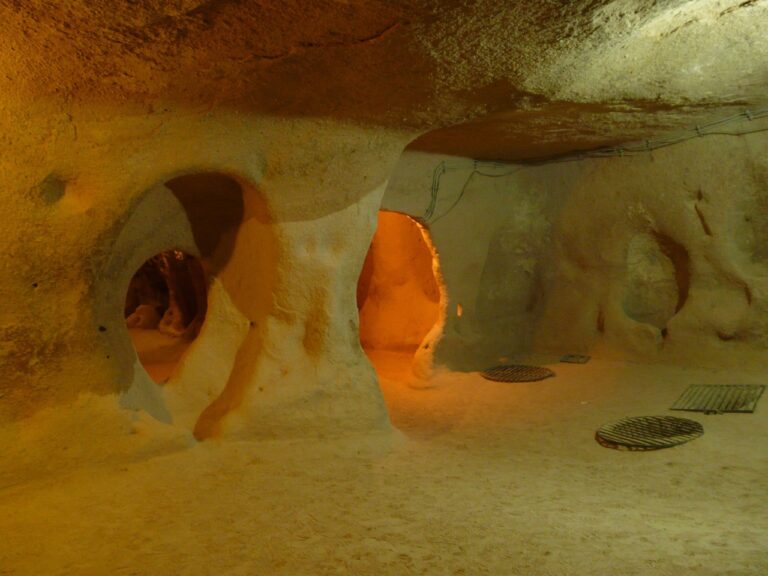
The Complete History of Derinkuyu Underground City
Beneath the rolling farmland of Cappadocia lies one of the most astonishing creations of the ancient world: Derinkuyu, an underground city carved…

Why Ephesus Should Be on Your Turkey Bucket List
Every country has one site that sums it up, and for Turkey that site is Ephesus.

Pamukkale Travertines Through the Centuries
The white terraces of Pamukkale are older than any city, any empire, any religion. They were built by mineral water over thousands…

Ephesus Through the Centuries
No ancient city in Turkey tells a longer or richer story than Ephesus, and the secret of enjoying it fully is to…