Turkey has a serious leather industry, and for travelers that means one thing: some of the best leather jackets, bags, and shoes in the world, at prices well below the boutiques of Europe or America. From the tanneries and workshops of Istanbul to the factory outlets along the coast, the quality can be outstanding. But the market also has its traps, from poor-quality bonded leather to inflated tourist prices. This guide tells you what to know before you buy leather goods in Turkey, so you can shop with confidence and come home with something that will last for years.
Why Turkish Leather Is Special
Leather working in Anatolia is an ancient trade. The Ottomans were famous for the quality of their leather, and Istanbul’s historic tanneries supplied the empire with everything from bookbindings to saddles to the finest shoes. That tradition of skill never disappeared, and it underpins the modern industry today.
Turkey is now a major player in the global leather market. Its tanneries process large quantities of sheepskin and cattle hide, and its workshops produce finished goods for both domestic and international brands. The combination of skilled labor, modern machinery, and competitive costs makes Turkish leather products genuinely good value.
The climate helps the craft too. The dry air of Anatolia suits the curing and tanning process, and the country’s tradition of animal husbandry provides quality raw hides. The result is leather that is soft, durable, and well-finished, at a price-to-quality ratio that is hard to match anywhere else in the world.
The Big Product: Leather Jackets
The leather jacket is the classic Turkish purchase, and the country is famous for it. Workshops produce every style imaginable, from classic biker jackets to fashion-forward designs in soft, dyed lambskin, and the quality of the skins and stitching is generally excellent.
Lambskin is the premium choice: soft, light, and supple, it molds to the body. Cowhide is heavier and more durable, while sheepskin, the traditional favorite, is soft and warm, used for the famous fleece-lined coats.
Try the jacket on and examine it carefully. Check the stitching for evenness, the zippers and buttons for quality, and the lining for finish. A good jacket should fit snugly and move with you. And remember that Turkish sizing can run small, so try a size or two larger than you usually wear.

Other Leather Goods Worth Buying
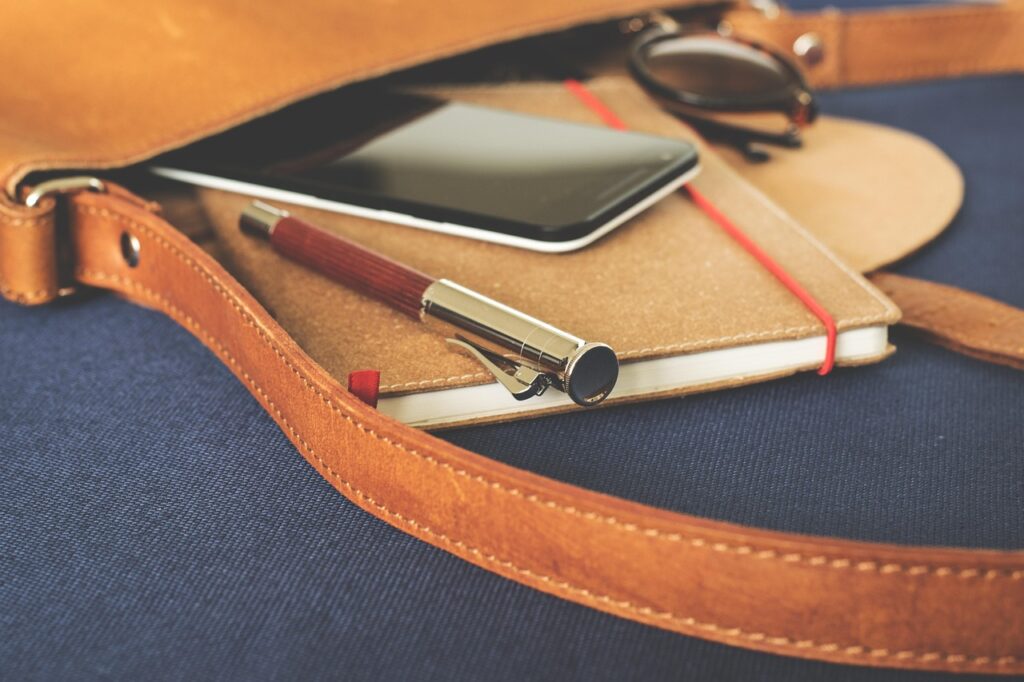
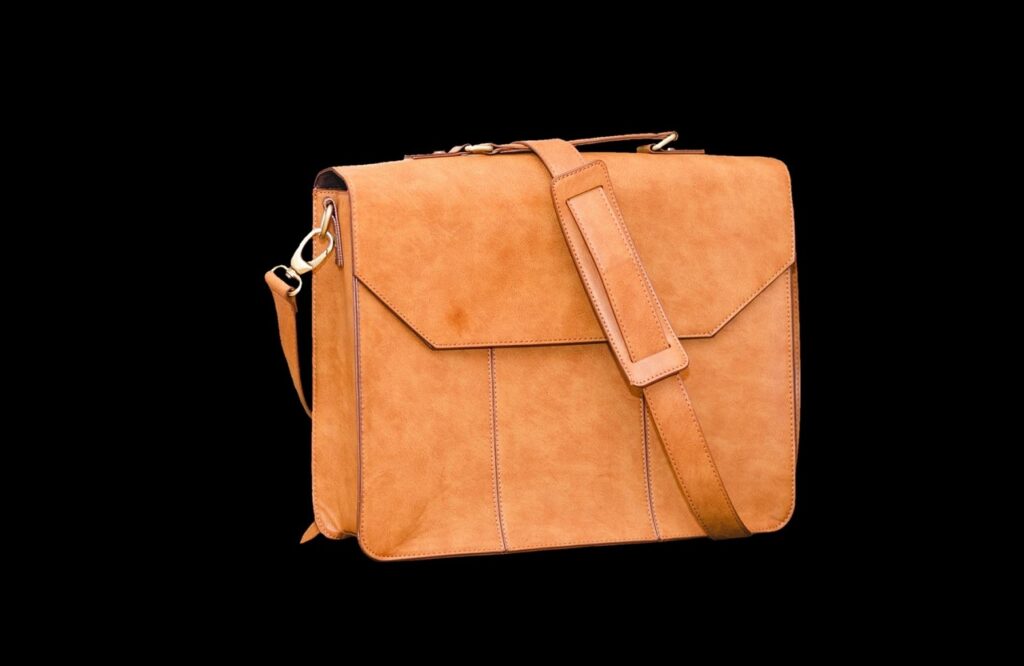
Beyond jackets, Turkish workshops produce a wide range of excellent leather goods. Bags and handbags are a specialty, from simple totes to structured handbags in every finish, often indistinguishable from designer bags at a fraction of the price.
Shoes and boots are another strong category. Turkish shoemakers have a long tradition, and the quality of leather footwear available is high, especially in the dedicated shoe districts of the big cities. Belts, wallets, and small accessories are easy, affordable purchases, and they make excellent gifts.
For something more distinctive, consider the traditional Turkish products: the soft leather slippers known as yemeni, handmade with colorful stitching, or a hand-tooled belt in traditional patterns. These pieces carry a local character that mass-produced goods cannot match, and they are genuinely unique souvenirs.
The Leather Districts of Istanbul
Istanbul is the natural starting point for leather shopping, and the city’s leather districts have been trading for centuries. The old leather bazaar in the historic center, the Bedesten, is a shadow of its former self, but the modern industry is concentrated in a few well-defined areas.
The most famous is the Grand Bazaar, whose lanes include shops selling leather jackets, bags, and accessories of every quality level. Prices here start high and negotiation is expected. For a more focused experience, the Besiktas and Nisantasi areas have boutiques with higher-end collections, and the Asian side’s Kadikoy has a growing number of independent leather shops.
The largest concentration of manufacturers is in the Leather City of Kazlicesme, on the European side near the Sea of Marmara, where the workshops and showrooms are open to visitors. Factory outlets there sell direct, and while the experience is less glamorous than the bazaar, the prices are the best in the city.
Factory Outlets on the Coast
The Aegean and Mediterranean coasts are dotted with leather factory outlets, a legacy of the mass-market tourist trade. Towns like Kusadasi, Marmaris, and Antalya have large leather stores attached to the workshops, where tour groups are brought to buy jackets at show prices.
The quality at these outlets varies. The top end is genuinely good, with fine lambskin jackets at reasonable prices, while the bottom end sells thin, stiff leather that will not last. The famous selling technique, measuring a customer for a made-to-measure jacket that is delivered in hours, works best at the more established outlets.
If you are on a coastal holiday, visiting a reputable outlet can be a great way to buy quality leather without a separate trip to Istanbul. Ask to see the workshop, examine the hides yourself, and remember that the same jacket will be offered at very different prices depending on how you negotiate.
How to Judge Leather Quality
Learning to judge leather quality takes ten minutes of practice, and it will save you money immediately. Start with the surface: full-grain leather shows natural markings, pores, and slight irregularities, while corrected leather has been sanded and embossed with an artificial grain, and bonded leather is made from scraps glued together.
The smell and feel matter. Quality leather smells rich and natural, softens as you handle it, and wrinkles gently when bent. Poor leather smells chemical, feels stiff or plasticky, and creases sharply. The edge of a good jacket shows a solid, dense cut, while cheap leather often shows a spongy, fibrous edge.
Check the label and ask questions. Full-grain, top-grain, and genuine leather are different grades, and a seller who can explain the difference is more trustworthy than one who cannot. Lambskin, sheepskin, and cowhide all have different characteristics, and the right choice depends on what you want from the garment.
Spotting the Fakes and the Traps
The biggest risk in Turkish leather shopping is paying leather prices for a product that is not really leather. Bonded leather, made from ground scraps and adhesive, is sometimes sold to tourists, and it peels and cracks within a season. The price should tell you something: if the deal seems impossibly good, be suspicious.
Another trap is the “genuine leather” label, which sounds reassuring but is actually the lowest grade of real leather. Always examine the piece itself rather than trusting the label. And beware of the made-to-measure rush: the fast tailoring service is impressive, but it is harder to check the quality of the finished piece before you pay.
Tourist pricing is the final hazard. In bazaars and resort outlets, the same jacket can be quoted at wildly different prices to different customers. The defense is knowledge: know the type of leather, the fair price range, and your own budget, and be ready to walk away. There is always another jacket.
Negotiating a Fair Price
Negotiation is part of buying leather in Turkey, especially in the bazaars and coastal outlets, and it is a skill worth practicing. Start by establishing what the piece is worth to you, not what the seller asks. Then make an offer at a level you consider fair, and let the conversation develop from there.
The rhythm is familiar: the seller counters, you consider, you may walk away, and the seller may call you back with a better price. Stay polite, stay patient, and never feel pressured. In the best case, you both walk away satisfied, and the jacket you bought for a fair price is the one you will wear for years.
In the fixed-price boutiques of Istanbul’s fashion districts, negotiation is not expected, and the prices are marked. The value there comes from the guarantee of quality and the service. Choose your shopping ground according to your priorities: fixed prices for certainty, bazaars for the sport of it.
Taking Care of Your Leather
A quality leather jacket will last for decades with minimal care. Store it on a wide hanger in a cool, dry place, and let it air out after wearing. Clean it occasionally with a soft damp cloth, and treat it with a leather conditioner once or twice a year to keep the fibers supple.
Protect your leather from rain and long sun exposure. If it gets wet, let it dry naturally away from heat, and never use a hairdryer or radiator, which will stiffen and crack the leather. For stains, take it to a professional leather cleaner rather than experimenting with home remedies.
One of the joys of good leather is that it improves with age. The surface develops a rich patina, the jacket molds to your shape, and small marks become part of its character. Buy the best quality you can afford, care for it sensibly, and your Turkish leather will be with you for a very long time.
The Seasons of Leather Shopping
Like most of the Turkish market, leather shopping has its seasons, and the timing affects both price and choice. The biggest selection appears in autumn, when the new season’s jackets arrive, and the sales follow.
Summer is the quiet season, when many shops discount their winter stock. For the traveler, this can mean genuine bargains, though the range of sizes and styles is thinner.
The coastal outlets follow their own calendar, tied to the tourist season from spring to autumn. The workshops keep producing year-round, so a visit outside the peak months often means more attentive service and more room to negotiate.
Frequently asked questions
Is Turkish leather good quality?
Yes, Turkish leather goods are generally high quality and excellent value. The country has a long leather-working tradition and a modern industry that supplies international brands. The key is to buy the right grade: full-grain and top-grain leather are the best choices, while bonded leather and the lowest grades should be avoided.
What should I pay for a leather jacket in Turkey?
Prices depend on the type of leather, the design, and where you shop. Lambskin jackets are the most expensive, cowhide mid-range, and sheepskin often the most affordable. Factory outlets and negotiated bazaar prices are lower than fixed-price boutiques. Compare several shops before buying, and judge quality rather than chasing the lowest price.
Is it safe to buy made-to-measure leather in Turkey?
Yes, at established workshops and reputable outlets, the made-to-measure service is genuine and impressive. The risk is that you cannot inspect the finished piece before paying. Choose a well-known outlet, examine the leather they offer, get the details in writing, and ask about delivery times. For certainty, buy a finished jacket you can inspect instead.

All Over Information
The All Over Information editorial team researches and writes practical English-language guides to Turkey. Facts are checked against official and local sources before publication, prices are published as dated ranges rather than quotes, and guides are revised when things change. We accept no sponsored posts, paid placements or paid links.
More guides like this

How Turkish Delight Is Traditionally Made
Turkish delight, known in Turkish as lokum, is one of the world's most famous sweets, and its history stretches back to the…

One Week in Turkey: The Perfect Route
One week in Turkey is a question of choices. The country is vast, and a single week cannot see it all, but…

Modern Turkish Pop and Its Global Influence
Modern Turkish pop is the sound of a country in motion and a generation in love with music.

Turkish Scholarship Programs for Foreign Students
Turkey funds one of the most generous scholarship systems in the world for foreign students, and you do not need to be…

Turkish Domestic Airlines Compared
Flying within Turkey is easier than many visitors expect.
Turkey’s Best Sunset Spots
Turkey sits between two seas and a mountain range, and its geography produces sunsets that photographers plan whole trips around.