Turkey has an embarrassment of hotels, from the giant all-inclusive resorts of the coast to the historic konak mansions of the provinces. But for many travelers, the sweet spot is the boutique hotel: small, stylish, personal, and full of character. Turkey does boutique hotels exceptionally well, converting Ottoman mansions, cave dwellings, and seaside villas into some of the most memorable places to stay in the world. This guide ranks the best boutique hotels in Turkey across its most beautiful regions, and explains what to look for when you choose one for your own trip.
What Makes a Turkish Boutique Hotel Special
The boutique hotel concept, small-scale luxury with a strong sense of place, fits Turkey naturally. The country is full of historic buildings waiting to be reborn as hotels, from the wooden mansions of the Black Sea coast to the stone houses of the Aegean. Converting them preserves the architecture while creating something genuinely unique to stay in.
The Turkish boutique scene also benefits from the country’s craft traditions. The same hands that weave carpets and paint ceramics decorate the rooms, and the result is interiors you will not find in any chain hotel. Antiques, handmade textiles, and local art fill the spaces with character.
Hospitality is the final ingredient. Turkish hospitality, misafirperverlik, is famous, and in a small hotel with a handful of rooms, it becomes personal. The owner greets you, the staff remembers your name, and breakfast is served with the care of a home kitchen. That combination of place, craft, and welcome is the essence of the experience.
How the List Was Ranked
Ranking boutique hotels is inevitably subjective, so it helps to state the criteria. This list weighs character and design, the sense of place, the quality of service and food, and the value for money. A hotel that could exist anywhere ranks lower than one that could only exist where it is.
Location counts heavily. The best boutique hotels are not just beautiful buildings; they sit in settings that enhance the experience, whether that is a cliff over the Bosphorus, a vineyard in Cappadocia, or a stone village above the Aegean. The setting is part of the stay.
Finally, the list favors hotels that welcome international travelers comfortably, with English-speaking staff and modern comforts. A historic building with terrible plumbing is atmospheric but not a great hotel. The winners here combine atmosphere with genuine comfort, which is exactly the balance boutique hospitality should strike.

Istanbul: The City’s Hidden Mansions
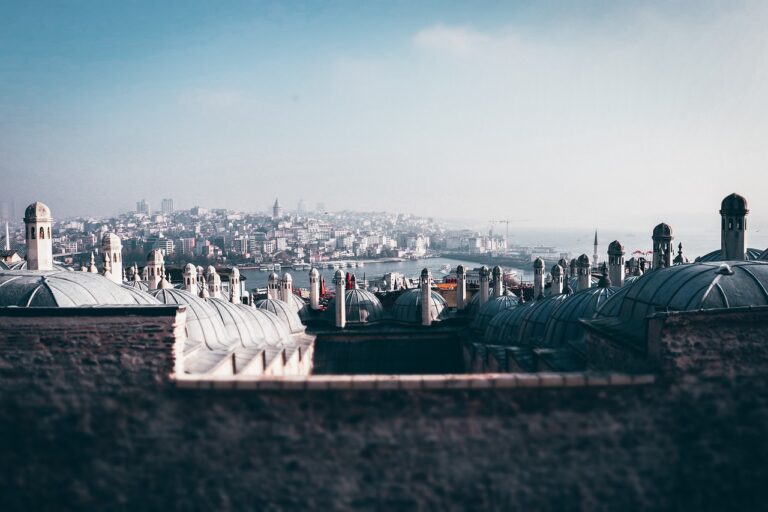
Istanbul‘s boutique hotels are a world of their own, tucked into the historic neighborhoods of Sultanahmet, Beyoglu, and the Bosphorus villages. The best of them occupy restored Ottoman mansions, with creaking wooden staircases, tiled fireplaces, and terraces overlooking the water or the minarets of the old city.
The Sultanahmet district holds a concentration of small hotels in historic houses within walking distance of the great monuments. The Beyoglu side, across the Golden Horn, offers a younger, more design-led scene, with converted apartment buildings and warehouses hosting stylish rooms. The Bosphorus villages, from Bebek to Arnavutkoy, have the most romantic options, with views across the strait.
Choosing in Istanbul comes down to atmosphere: the old-city calm of Sultanahmet, the creative energy of Beyoglu, or the riverside elegance of the Bosphorus. All three scenes have excellent boutique options, and the right choice depends on how you want your Istanbul to feel.
Cappadocia: Hotels in the Rock
Cappadocia is the most extraordinary hotel destination in Turkey, and arguably in the world. Here the boutique hotels are carved into the soft volcanic rock, with rooms, bathrooms, and terraces hewn from the same stone that houses the region’s ancient cave dwellings. Staying in them is an experience like no other.
The best cave hotels balance authenticity with comfort: stone walls and vaulted ceilings, underfloor heating, deep bathtubs, and terraces with the famous view over the fairy chimneys and the valley. The famous hot-air balloons drift past the windows at dawn, and the hotels time their breakfasts to match the spectacle.
The village of Goreme has the greatest concentration of cave hotels, while Urgup and Uchisar offer quieter, more luxurious options, including one carved into a hilltop castle. Prices vary widely, and the top end is genuinely special, but even the modest cave hotels give you the experience of sleeping inside a thousand-year-old dwelling.

The Aegean Coast: Stone Villages and Sea Views
The Aegean coast, with its white-washed villages and olive groves, is home to some of Turkey’s most beautiful boutique hotels. Many occupy the restored stone houses of the old Greek villages, with courtyards, bougainvillea, and terraces that drop toward the sea. The atmosphere is relaxed, romantic, and unmistakably Mediterranean.
Alacati, the windmill town on the Cesme peninsula, is the Aegean’s boutique capital, with restored stone houses arranged around cobbled streets. Bodrum, further south, mixes boutique hotels with the glamour of the Turkish Riviera, from cliff-top villas to converted windmills. The smaller villages, like Selcuk and Sirince, offer quieter, more traditional stays.
The Aegean boutique experience is about slowness: long breakfasts with local cheese and olives, afternoon swims, and dinners of grilled fish under the stars. The hotels are small enough that the staff know your habits by the second day, and the sense of being a guest in a village rather than a customer in a resort is the core of the appeal.
The Turquoise Coast: Coves and Hillsides
The Mediterranean coast, the Turquoise Coast as it is known, has its own boutique traditions, concentrated in the most beautiful stretches between Fethiye and Kas. Here the hotels perch on hillsides above the sea, with terraced gardens, infinity pools, and views over the islands and coves of the Turkish Riviera.
Kas, the laid-back town west of Antalya, is a particular favorite, with small hotels in restored stone houses above the harbor and the sunken city of Kekova nearby. The region around Fethiye, including the peninsula of Gocek, hosts boutique hotels set among the pine forests, with private jetties for boats.
The Mediterranean boutique experience emphasizes the water: day trips by boat, swimming from the hotel’s own cove, and evenings watching the sun set over the islands. The hotels are often family-run, and the hospitality has a warm, personal quality that the big resorts cannot match.

The Black Sea: Wooden Mansions Reborn
The Black Sea coast is Turkey’s least-known boutique destination, and its hotels are among the most charming in the country. The region’s traditional architecture, the wooden konak mansions with their carved facades and overhanging upper floors, has been restored into atmospheric small hotels in towns like Safranbolu and Amasra.
Safranbolu, a UNESCO-listed town of extraordinary Ottoman architecture, is the star. Its restored mansions, with their courtyards, bay windows, and tiled interiors, offer a stay inside a living museum. Amasra, on the coast, adds sea views and a fishing-harbor atmosphere to the mix.
The Black Sea boutique experience is for travelers who want to get off the standard route. The hotels are smaller, the tourism lighter, and the sense of discovery real. The region’s food, with its anchovies, hazelnuts, and corn bread, adds another dimension to the stay.
Beyond the Classics: New and Surprising Stays
Beyond the famous regions, boutique hotels are appearing in surprising places across Turkey. The vineyards of the Aegean have winery hotels, where you sleep among the vines and taste the estate’s wines. The mountains of the north have converted farmhouses, and the historic towns of the interior have restored caravanserais.
The winery hotels deserve special mention. Combining a boutique stay with a wine estate is a uniquely enjoyable experience, and the Aegean region has several excellent examples. The caravanserai conversions, ancient roadside inns reborn as hotels, offer a taste of the Silk Road that no other country can match.
For the adventurous traveler, these new and unusual stays are the frontier of Turkish boutique hospitality. They are less known, less predictable, and often better value than the established names. If you have already done the classics, this is where to point your curiosity next.

How to Choose Your Boutique Hotel
Choosing among Turkey’s boutique hotels starts with your route. Istanbul, Cappadocia, and the Aegean coast are the classic trio, and each has a mature boutique scene. Add the Mediterranean coast for sea-focused stays or the Black Sea for off-the-beaten-path charm, and you have the country covered.
Then consider the style you want. A restored historic building gives you atmosphere and a sense of place. A modern design hotel gives you comfort and amenities. The best boutique hotels blend both, and the balance is the thing to check in the photos and reviews before you book.
Finally, check the practical details: the number of rooms, the location within the town, the breakfast, and the level of service. A boutique hotel is a personal experience, and reading recent reviews from travelers like you is the most reliable way to find the one that fits. The right choice can turn a good trip into an unforgettable one.
When to Book and What to Pack
The timing of a boutique hotel stay shapes the experience. The Aegean and Mediterranean hotels close or slow down in winter, while Istanbul and Cappadocia are year-round destinations, each season with its own character.
Booking strategy matters at the boutique end of the market. The best properties are small, and the best rooms are few, so book early for the high season and consider midweek stays for quieter terraces and better rates. Many hotels offer direct booking advantages.
Packing follows the setting: light layers for the coast, warm clothes for the Cappadocian nights, and comfortable shoes for the stone streets everywhere. A small gift for the staff, a custom in Turkish hospitality, is a thoughtful touch that is always appreciated.
Frequently asked questions
What is the best area for boutique hotels in Istanbul?
Sultanahmet has the most historic options, with restored mansions near the great monuments. Beyoglu offers a younger, design-led scene with converted buildings. The Bosphorus villages have the most romantic choices with water views. Choose based on the atmosphere you want: historic calm, creative energy, or riverside elegance.
Are cave hotels in Cappadocia comfortable?
Yes, the best cave hotels combine the extraordinary rock-carved setting with modern comfort: underfloor heating, quality bathrooms, and attentive service. Temperature in the caves is naturally stable year-round, which is a real benefit. Standards vary, so read recent reviews and check photos, but the top cave hotels are genuinely luxurious.
How much should I expect to pay for a boutique hotel in Turkey?
Prices vary enormously by region and season. Istanbul and Cappadocia’s top cave hotels are the most expensive, especially in high season, while the Aegean and Black Sea offer excellent value. Off-season rates can be half of peak rates. Set a budget, then compare a few properties in your chosen region for the best balance of character and comfort.

All Over Information
The All Over Information editorial team researches and writes practical English-language guides to Turkey. Facts are checked against official and local sources before publication, prices are published as dated ranges rather than quotes, and guides are revised when things change. We accept no sponsored posts, paid placements or paid links.
More guides like this

Turkey for Backpackers: A Complete Guide
Turkey is one of the great backpacker destinations in the world.

Budget Hostels for Backpackers in Turkey
Turkey is one of Europe's great backpacking destinations, and its hostel scene has grown up to match.

Leather Goods in Turkey: What to Know Before You Buy
Turkey has a serious leather industry, and for travelers that means one thing: some of the best leather jackets, bags, and shoes…

Two Weeks in Turkey: A Complete Itinerary
Two weeks is the ideal length for a first visit to Turkey.
One Week in Turkey: The Perfect Route
One week in Turkey is a question of choices. The country is vast, and a single week cannot see it all, but…
Street Vendors of Istanbul: What to Try
Istanbul is a city that eats on its feet. From the first simit of the morning to the late-night kokoreç, street vendors…