Climate Zones Across Turkey Explained
Turkey’s climate is far more varied than its holiday-brochure image suggests.
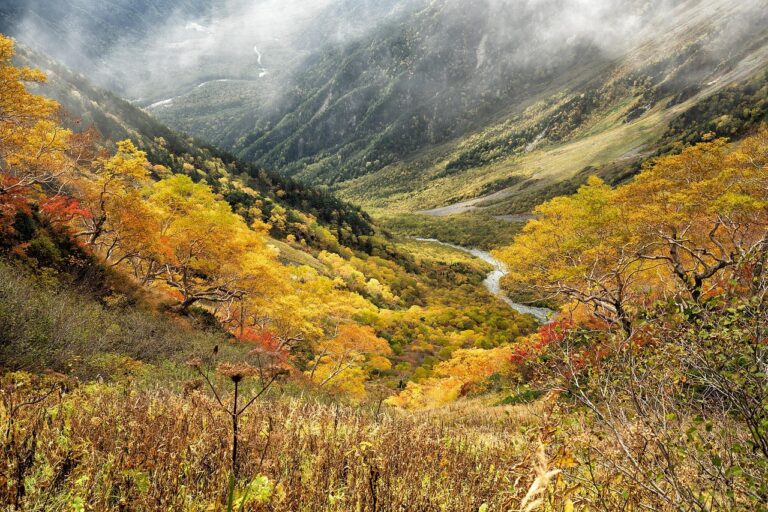
Turkey’s climate is far more varied than its holiday-brochure image suggests.
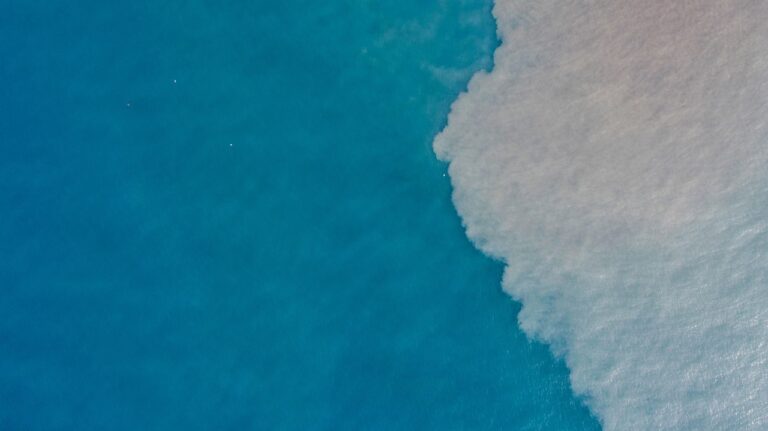
Turkey is a land framed by water.

Turkey is a birdwatcher’s paradise, sitting directly on one of the world’s great migration routes.

Turkey’s position at the crossroads of Europe, Asia, and the Middle East makes it one of the most biodiverse countries in the region.
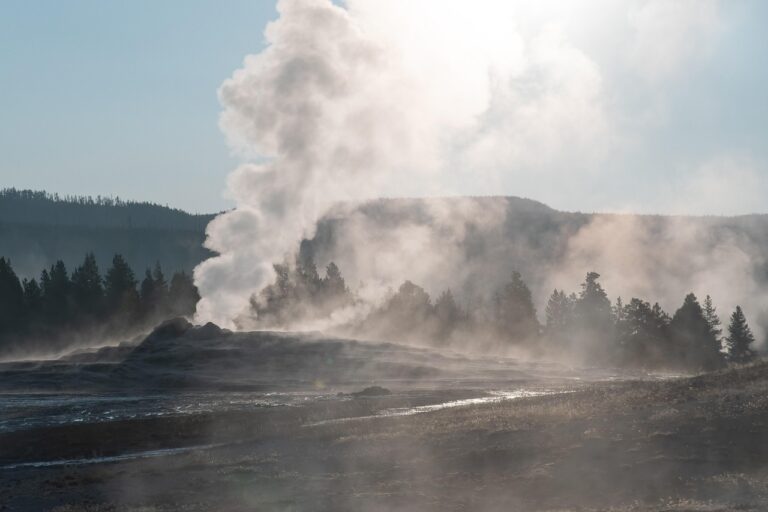
Turkey’s national parks protect an extraordinary range of landscapes, from the fairy chimneys of Cappadocia to the glaciers of the Kackar Mountains, from Mediterranean canyons to high Anatolian steppe.

Sleeping inside a cave in Cappadocia sounds like a gimmick, but it is actually one of the most memorable hotel experiences in the world.

Most travelers think of Turkey as a summer destination of beaches and ruins, but the country has a serious winter side.

If you have ever wondered what that blue and white flag fluttering over a Turkish beach actually means, you are not alone.

Turkey has more than eight thousand kilometers of coastline, and its beaches range from the world-famous to the secret coves that only the locals know.
Flying over Cappadocia in a hot air balloon is one of the world’s great travel experiences, and it is the reason thousands of travelers set alarms for before dawn in a small Turkish town.

Oludeniz is one of the most famous paragliding sites in the world, and the view from its launch point is the reason.

Turkey’s diving is one of the Mediterranean’s best-kept secrets.
We use cookies
Necessary cookies keep this site working. With your permission we also use cookies for analytics and advertising, which is how the site is funded. You can change your mind at any time. Cookie policy · Privacy policy