The Marmara Region has a transitional climate, sitting where the Mediterranean, the Black Sea, and the continental interior meet. The result is four distinct seasons, each with its own character, and no single best time that suits every traveler. This guide explains the region’s climate in detail, season by season, so you can match your visit to your priorities, whether you want beach weather, empty museums, or the perfect temperature for walking.
Understanding the Marmara Climate
The Marmara Region’s climate is a blend of influences. The Mediterranean Sea gives it warm, dry summers and mild, wet winters, while the Black Sea to the north brings humidity and cloud, and the continental interior of Anatolia brings cold spells in winter. The Sea of Marmara itself moderates temperatures along its shores.
The result is a climate of comfortable averages with seasonal variety. Winters are cool and rainy rather than freezing, summers are warm and dry rather than scorching, and spring and autumn are genuinely pleasant. Istanbul‘s weather can change quickly, and the region’s coasts differ from its inland valleys.
For planning purposes, the region offers a long comfortable season from April to November, with the extremes of high summer and midwinter providing their own specific pleasures. Understanding the seasonal pattern helps you pack, plan, and choose the right time for your priorities.
Spring: The Sweet Season
Spring, from April to June, is many travelers’ favorite time in the Marmara Region. Temperatures climb from mild to warm, the rains ease, and the city and countryside bloom. The trees of Istanbul’s parks, the orchards of Bursa, and the wildflowers of the hills are at their finest.
Spring is the season of festivals and fresh food. The region’s markets fill with early produce, the outdoor cafes reopen, and the pace of life quickens after winter. Crowds are moderate, and the weather is ideal for walking the old cities and the islands.
May is the peak of spring’s perfection, with warm days, cool evenings, and the region’s greenery at its lush best. For sightseeing, photography, and comfortable travel, spring is the season to beat.

Summer: Sun and Crowds
Summer, from June to September, brings the Marmara Region’s warmest weather and its liveliest mood. Temperatures are hot but rarely extreme, and the sea breeze moderates the coasts and islands. The beaches, the islands, and the seaside towns fill with holidaymakers.
Istanbul in summer is energetic and crowded, with long days that stretch into late evening. The ferries run late, the outdoor restaurants overflow, and the city’s energy is at its peak. The coasts offer escape, with the Princes’ Islands, the southern beaches, and the Thracian shore providing relief from the city heat.
Summer suits travelers who want the region at its most alive, with outdoor dining, beach days, and evening promenades. Book accommodation well ahead, and plan sightseeing for the mornings when the heat is gentler.
Autumn: The Second Spring
Autumn, from September to November, brings the region’s second golden season. The summer crowds thin, the temperatures soften, and the light turns warm and golden. The sea stays swimmable well into October along the southern coasts, and the cities regain their calm.
Autumn is the season of harvest in the Marmara region. The vineyards of Thrace and the southern shores ripen, the olive harvest begins, and the markets fill with the season’s abundance. The region’s food culture is at its richest, and the wine towns of Thrace are at their best.
October is the perfect autumn month, with crisp days, clear light, and the region at its most photogenic. For travelers who prefer comfort and calm to crowds, autumn is the season of choice.
Winter: Cold and Character
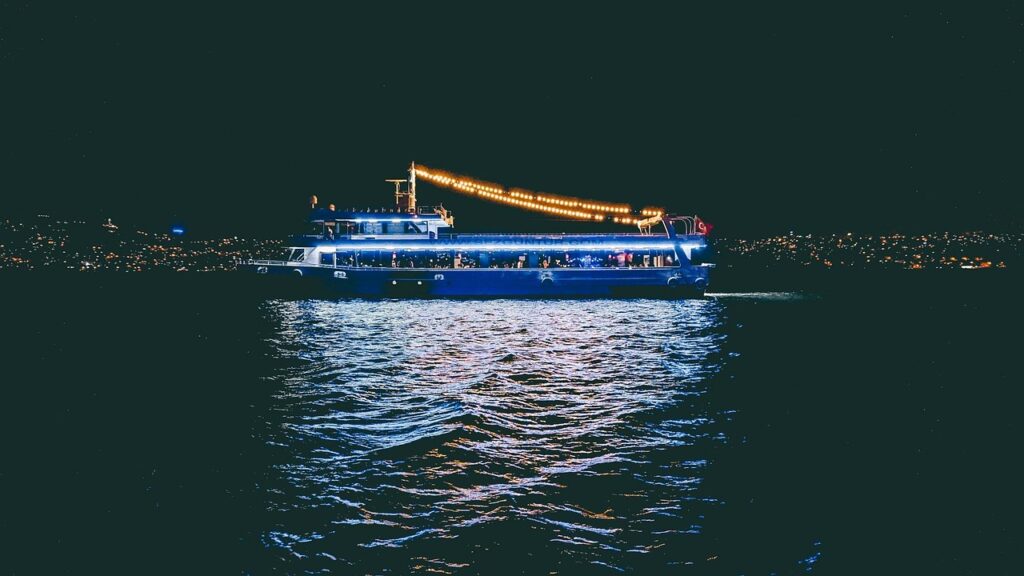
Winter, from December to February, transforms the Marmara Region into a quieter world. Temperatures are cold but rarely severe, and rain alternates with crisp, clear days. Snow occasionally dusts the city, and Uludag above Bursa becomes a ski destination.
The cities in winter have a special atmosphere. The monuments are empty, the tea gardens move indoors, and the bazaars are warm and welcoming. Winter is the season of the region’s great indoor pleasures: the museums, the hamams, the restaurants, and the long conversations over tea.
Winter suits travelers who want the region without crowds and at lower prices. The skiing at Uludag adds an active dimension, and the winter light on Istanbul’s domes and minarets is among the year’s most beautiful sights.
The Bosphorus Microclimate
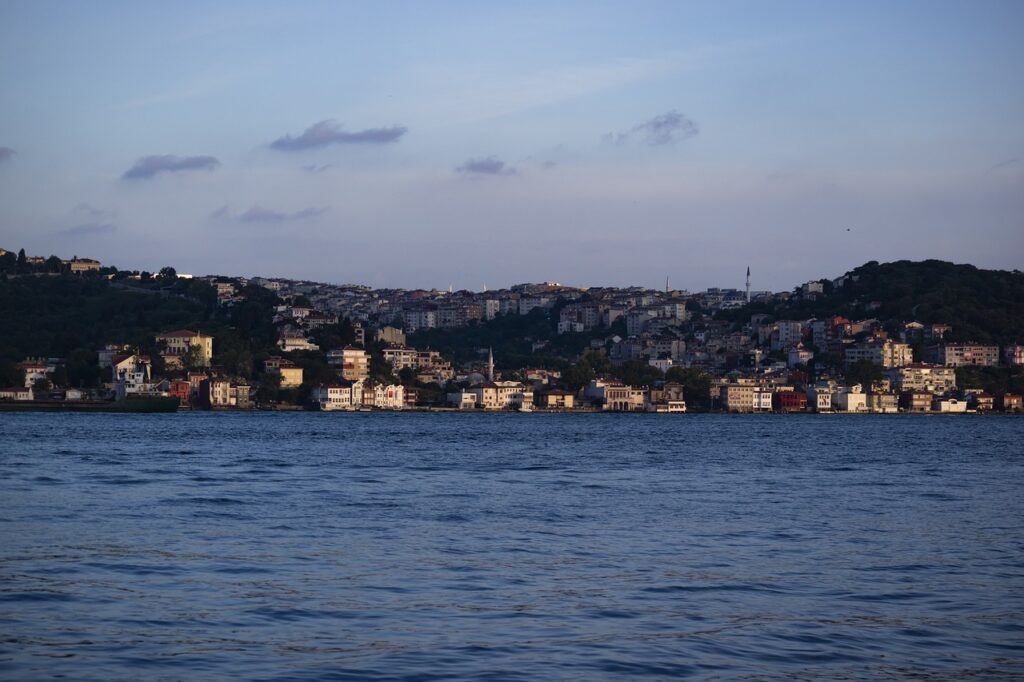
Istanbul and the Bosphorus create their own local weather patterns. The strait funnels the winds, and the city’s hills catch the clouds, so the weather can change block by block. Summer evenings bring the famous Bosphorus breeze, and winter brings damp chill from the sea.
The city’s climate is milder than the interior of the region but wetter than the southern coasts. Rain can arrive at any season, and the wise traveler packs accordingly. The Bosphorus itself is at its best in spring and autumn light, when the water and sky share their colors.
For practical purposes, plan Istanbul for any season and pack layers. The city’s weather is part of its character, and the indoor treasures mean that even a rainy day offers a full itinerary.
The Coasts vs. the Interior
The Marmara Region’s coasts and interior differ in climate and season. The coasts of the Sea of Marmara enjoy milder winters and cooler summers, moderated by the water, while the interior valleys and the approaches to Anatolia have greater extremes: colder winters and hotter summers.
The coastal towns extend their seasons at both ends. Spring arrives earlier, autumn lingers longer, and the swimming season runs from June to September. The interior, including the hills of Bursa and the Thracian plain, follows a more continental rhythm, with crisp autumns and cold, snowy spells.
Choose your base accordingly. For beach and water, time your visit for the warm months; for city and mountain, the shoulder seasons and even winter offer their own rewards.
Festivals and Seasonal Events
The region’s calendar adds color to every season. Summer brings the Kirkpinar oil-wrestling festival in Edirne, while autumn brings harvest festivals and the wine events of Thrace. The bayram holidays, which shift through the year, fill the cities with celebration and travel.
Spring and autumn bring the region’s cultural seasons, with concerts, exhibitions, and festivals in Istanbul’s venues. Winter is the season of indoor culture, while summer moves everything outdoors. Checking the calendar before you travel can add a memorable event to your visit.
The holidays also affect practical planning. During bayram, transport fills and prices rise, while cities empty during parts of the summer when families head to the coasts. A flexible plan navigates these rhythms easily.

Best Months for Each Traveler
Different travelers should choose different months in the Marmara Region. Sightseers who want comfort and light crowds should come in May or September-October. Beach lovers should aim for June through September, and skiers should plan Uludag for January or February.
Families will find summer ideal, with the islands and coasts at their most welcoming, while couples may prefer the golden light and calm of autumn. Budget travelers get the best value in winter, when prices drop and the cities are quiet.
Whichever month you choose, the Marmara Region has something to offer. The region’s climate is forgiving, its seasons are distinct, and its pleasures change with the calendar. Plan around your priorities, and the region will reward you.
What to Pack for Each Season
Packing for the Marmara Region means preparing for changeable weather in every season. Spring and autumn call for layers: a light jacket for mornings and evenings, comfortable walking shoes, and an umbrella that can handle sudden showers. The temperatures can swing widely within a single day.
Summer requires light, breathable clothing, sun protection, and a thin layer for the evening breeze along the Bosphorus. The air-conditioned interiors and ferries can be cool, so a light cover-up helps. Comfortable shoes matter most, because the region’s old cities demand serious walking.
Winter calls for warm layers, a waterproof coat, and sturdy shoes that handle rain and occasional snow. The interiors of the mosques and museums are cool, so warm clothing serves you inside and out. Packing smartly for the season makes every day in the region more enjoyable.
Practical Weather Tips for Travelers
The Marmara weather rewards a flexible approach. Check the forecast daily, because the region’s patterns can change quickly, and plan indoor activities for the rainy days. The museums, bazaars, and hamams of the region are world-class shelters from any weather.
The midday sun in summer is intense, so plan outdoor sightseeing for the morning and evening hours. The golden light at sunset over the Bosphorus and the Marmara coast is the region’s finest natural show, worth planning around. The ferries offer spectacular views in every season.
Finally, remember that the region’s weather is part of its charm. The mist over the Bosphorus, the rain on the old city’s cobbles, and the golden autumn light all add to the atmosphere. Travel with flexibility, and the climate becomes an ally rather than an obstacle.
Frequently asked questions
What is the best month to visit Istanbul?
May and September-October are the sweet spots, with comfortable temperatures, moderate crowds, and beautiful light. The weather is ideal for walking the old city, and the outdoor cafes and ferries are at their most pleasant. These months balance everything a visitor wants.
When is the swimming season in the Marmara region?
The swimming season runs from June to September, with the warmest water in July and August. The southern coasts and the islands have the best beaches, and the sea remains pleasant into early October. Outside these months, the water is too cool for most swimmers.
Is winter a bad time to visit the Marmara region?
Not at all. Winter offers the quietest monuments, the best prices, and a special atmosphere in the cities. The museums, hamams, and restaurants are warm and welcoming, and Uludag provides skiing. Pack for cold and rain, and winter can be a wonderful season to visit.

All Over Information
The All Over Information editorial team researches and writes practical English-language guides to Turkey. Facts are checked against official and local sources before publication, prices are published as dated ranges rather than quotes, and guides are revised when things change. We accept no sponsored posts, paid placements or paid links.
More guides like this

Best Cities and Towns in the Central Anatolia Region
Central Anatolia spreads across a high plateau where the country's capital, its most famous landscape, and its deepest history all live within…

Climate and Best Time to Visit the Southeastern Anatolia Region
Southeastern Anatolia is the warmest corner of Turkey, a land of golden plains and stone cities where the summers are fierce and…
Climate and Best Time to Visit the Eastern Anatolia Region
Eastern Anatolia has the most extreme climate in Turkey: a high plateau where winter is long and severe, summer is short and…

Hidden Gems of the Aegean Region
Beyond the famous names of Ephesus, Bodrum, and Alacati, the Aegean Region hides a quieter world of ancient cities, village streets, and…

Hidden Gems of the Marmara Region
Beyond the famous skyline of Istanbul and the grand mosques of Bursa, the Marmara Region hides a quieter world: lakeside towns, thermal…
Climate and Best Time to Visit the Aegean Region
The Aegean Region of Turkey enjoys one of the Mediterranean's most pleasant climates: long, dry summers, mild winters, and two beautiful shoulder…