Beysehir Lake is a natural wonder in the truest sense: a vast inland freshwater sea that most visitors to Turkey never even hear of, yet one that dwarfs almost every other lake in the country. It spreads across the provinces of Konya and Isparta at the foot of the Taurus Mountains, ringed by reeds, forested islands, and snow-capped peaks, and it supports birds, fish, and people in astonishing abundance. This article explores the lake itself: how it was formed, what lives in it, and why it is one of the great natural sights of Turkey.
The Inland Sea of the Taurus
Beysehir is the largest freshwater lake in Turkey, and its size is its first wonder. From its eastern shore, the water reaches to the horizon, and it takes the eye a moment to accept that this is a lake and not the sea.
The lake lies at the foot of the Taurus Mountains, where the high plains of central Anatolia meet the great ranges of the south. Its basin is enormous, and the mountains rise directly from its western shore.
It is a landscape of extremes: open water, dense reed beds, forested islands, and mountain slopes that drop straight into the lake. Few places in Turkey combine so many landscapes in one view.
The name Beysehir simply means the lord’s city, after the town on its shore, but the lake itself is the lord of this landscape. Everything in the region turns around the water.
A Lake of Snowmelt and Springs
Beysehir is fed by the mountains that surround it. In spring, the snowmelt from the Sultan Mountains and the Anamas Mountains pours down through countless streams, filling the lake to its summer level.
The lake also drinks from deep springs, some of them on the lake bed itself, which keep the water cool and clear even in the driest months. This double supply is what makes the lake so reliable.
The lake loses its water by evaporation and by a natural outlet that carries its overflow toward the south. The balance between inflow and outflow keeps the lake stable from year to year.
This steady supply is the reason the lake supports so much life. Birds, fish, and people all depend on a water body that has never failed, and that reliability is part of the lake’s quiet miracle.
The Islands: A Kingdom of Stone
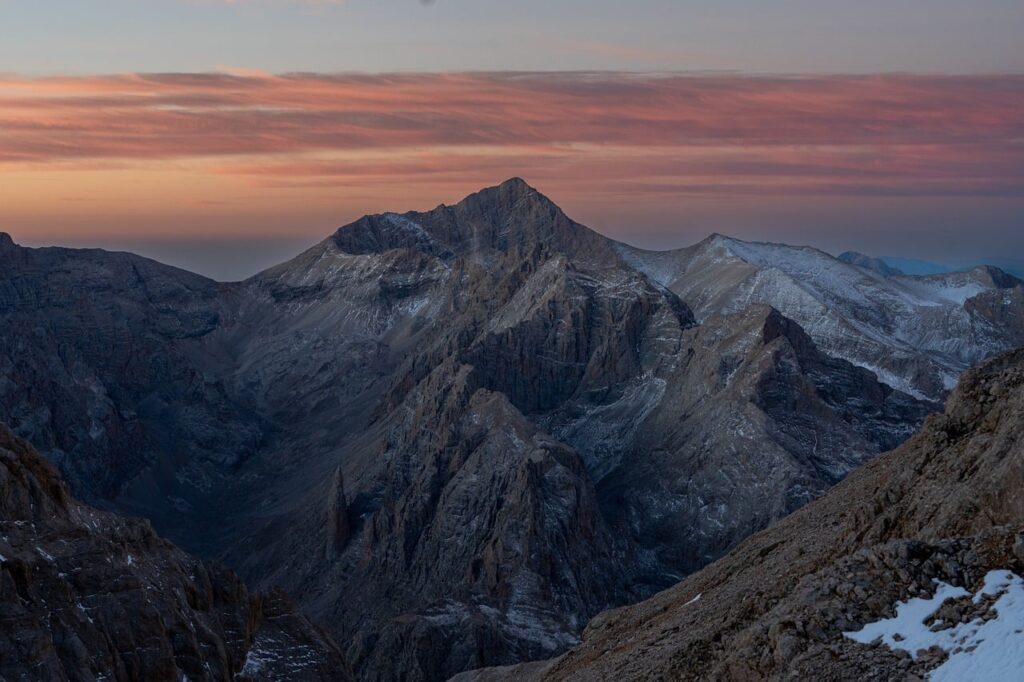
The islands of Beysehir are among its most distinctive features, and there are dozens of them scattered across the water like pieces of a broken land.
The largest, Mada Island, is big enough to have its own forests and its own history, with the ruins of an ancient monastery church among its trees. It was once a place of prayer and retreat.
The smaller islands are wild and mostly uninhabited, home to nesting birds and stands of forest. From a distance they look like green ships anchored on the silver water.
The islands give the lake its sense of mystery and depth. Every trip across the water passes a new one, and each has its own shape, its own trees, and its own silence.
The Forests of the Shore
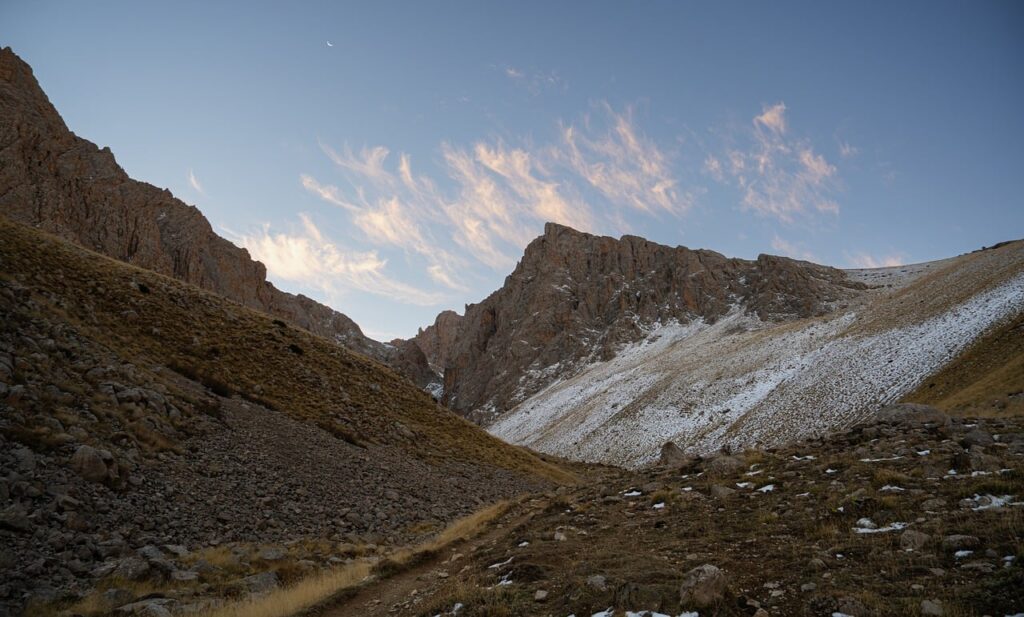
The land around Beysehir is wooded in a way that surprises visitors from the treeless plains. The mountains that frame the lake are forested with pine, cedar, and juniper, and the shoreline itself is fringed with reeds and willows.
The forests of the western shore climb from the water’s edge to the high ridges, and they are among the finest woodlands of the region. They shelter deer, wild boar, and a rich birdlife.
The eastern shore is gentler, with orchards and farmland running down to the reeds. Apples and other fruit thrive in the mild climate that the lake creates.
The contrast of forest, orchard, reed, and water is what makes the shores of Beysehir so beautiful. Every stretch of the lake has its own frame of green.
Birds of the Lake and the Reeds
Beysehir is one of the great bird lakes of Turkey, and its waters and reeds support an extraordinary range of species. Herons, egrets, and cormorants are the everyday sights along the shore.
The shallow southern end of the lake and its quiet bays attract the largest numbers. In spring and autumn, migratory waterbirds rest and feed here on their long journeys between continents.
The reed beds are full of hidden life: warblers, rails, and bitterns nest among the stems, and harriers hunt over the tops. To walk or drift quietly along the reeds is to enter a world of sound and movement.
The birds of Beysehir are the lake’s great natural treasure, and they are one of the reasons the lake is protected as an important wetland. For birdwatchers, it is a destination of the first rank.
Fish and the Waters of Beysehir
The waters of Beysehir are rich in fish, and the lake has been a fishery for as long as people have lived beside it. The catch feeds the region and supports the villages on the shore.
Several species of freshwater fish live in the lake, and the fishermen of Beysehir know their habits intimately, setting their nets in the traditional ways of the water.
The lake has changed over the years, and the introduction of new species has altered its balance, a reminder that even the largest lake is fragile. Managing the water for the future is a constant care.
The fishing gives the lake its working character. The boats, the nets drying on the shore, and the fish markets of Beysehir town are all part of the lake’s living story, and they are as interesting as the scenery.

The Mountains Around the Water
The mountains are half the beauty of Beysehir. To the west, the Anamas Mountains rise steeply from the shore, their forested ridges plunging toward the water in dramatic slopes.
To the east, the Sultan Mountains stand like a wall, catching the snow in winter and feeding the lake through their streams in spring. Their silhouette is the backdrop of every view.
The mountains are not just scenery. Their pastures, forests, and villages are home to a mountain culture that is as old as the lake itself, and their trails offer some of the finest walking in the region.
On a clear day, the view across the lake to the mountains is one of the great panoramas of Turkey. The water, the islands, and the peaks combine into a landscape of unforgettable scale.
History Around the Lake
The lake has been at the heart of human life for thousands of years, and its shores are rich in history. The town of Beysehir holds the Eshab-i Keyf complex, a Seljuk mosque and tomb that is a masterpiece of medieval architecture.
Far older is the Hittite spring monument of Eflatunpinar, east of the lake, where a stone facade carved with gods and kings stands beside a spring that still rises from the ground.
The islands too carry history: the monastery ruins on Mada Island are a relic of the Byzantine era, when the lake’s islands were places of monastic retreat and prayer.
Layer upon layer, the history of the lake is written in its stones. To visit Beysehir is to walk through time as well as water, from the Bronze Age to the Seljuks and beyond.

Why Beysehir Is a Natural Wonder
Beysehir earns the name natural wonder by scale, by beauty, and by life. No other freshwater lake in Turkey is as large, and few have a setting as dramatic as this meeting of water, forest, and mountain.
Its wildness is part of the wonder. This is not a landscaped park or a resort lake; it is a working, living water, with reeds, islands, fish, and birds going about their business as they have for millennia.
Its quietness is part of the wonder too. A lake this vast should be crowded, yet Beysehir remains peaceful, a place where you can be alone with the water and the mountains.
And its endurance is the deepest wonder. The lake has fed people and wildlife for thousands of years, and it still stands full and generous. That is what a natural wonder is: something vast, beautiful, and alive, that asks nothing and gives everything.
Boating and the Water Sports
The best way to feel the scale of Beysehir is from the water, and boating is a long tradition on the lake. Small boats run from the town and the shore villages, and a trip out among the islands is the classic excursion of the region.
The boats are simple and steady, and the lake is generally calm, so even a short trip is safe and relaxing. From the water you see the lake as it truly is: the reeds, the islands, the mountains, and the open expanse that makes it the largest freshwater lake in Turkey.
Swimming from the boats is part of the pleasure in summer, and the lake’s fresh, cool water is wonderfully refreshing. For anglers, the lake offers fine fishing from the shore or from a hired boat, with the local fishermen always ready with advice.
A morning on the water, a swim, and a picnic on a quiet shore make the perfect day at Beysehir, and the boat trip is the memory most visitors carry home.
Frequently asked questions
Is Beysehir the biggest lake in Turkey?
Beysehir is the largest freshwater lake in Turkey and the third largest overall, after Lake Van and Tuz Lake, which are both saline. Its freshwater and its great size together make it unique among the lakes of the country.
Can you swim in Beysehir Lake?
Yes. The lake’s water is fresh and clean, and swimming is a popular summer activity from the town shore and the quieter beaches around the lake. The water is cool even in summer, a refreshing contrast to the heat of the plains.
What wildlife can I see at Beysehir?
The lake is famous for its birds: herons, egrets, cormorants, and large numbers of migratory waterbirds in spring and autumn. The forests around the lake shelter deer and wild boar, and the waters hold several species of fish.

All Over Information
The All Over Information editorial team researches and writes practical English-language guides to Turkey. Facts are checked against official and local sources before publication, prices are published as dated ranges rather than quotes, and guides are revised when things change. We accept no sponsored posts, paid placements or paid links.
More guides like this

Exploring Ihlara Valley: A Complete Guide
Ihlara Valley is one of the most beautiful and least expected landscapes in Turkey.

Saklikent Gorge: Turkey’s Natural Wonder
Saklikent Gorge is one of the great natural wonders of Turkey, a canyon of such depth and narrowness that it feels like…
How to Visit Beysehir Lake: Practical Tips
Beysehir Lake, the largest freshwater lake in Turkey, is one of the most rewarding yet least crowded destinations in the country.
Turkey’s Best Beaches Ranked
Turkey has more than eight thousand kilometers of coastline, and its beaches range from the world-famous to the secret coves that only…

How to Visit Koprulu Canyon: Practical Tips
Koprulu Canyon is one of Turkey's easiest great landscapes to visit, sitting within reach of the Mediterranean coast and offering a full…

How to Visit the Nemrut Crater Lake: Practical Tips
Visiting the Nemrut crater lake is a journey into one of Turkey's most remote and rewarding landscapes, but it demands planning.