Fatih in winter is the old city at its most atmospheric — and its most manageable. The summer crowds that clog the Sultanahmet square thin to nothing, the queues at the icons vanish, the bazaars are walkable, and the district settles into the version of itself that the residents know best: the mosque courtyards in the grey light, the teahouses steaming, the working streets of the peninsula under the winter skies. It is the season of the warm interiors — the cistern, the museum, the mosque — and the lowest prices of the year. This guide covers what to expect, what to pack, and how to have the best possible winter visit to Fatih.
The Winter Weather, Honestly
Istanbul’s winters are cold, wet, and dramatic rather than freezing, and the old city takes the full force of the weather. From December through February, expect daytime highs around 8–11°C (46–52°F), nights near freezing, and rain that arrives in sudden, driven squalls — the wind off the water makes the open squares and the waterfront feel colder than the thermometer. Snow is a rarity that usually melts within a day, but when it falls it is a spectacle: the Hagia Sophia and the Blue Mosque dusted white, the minarets against the snow, the domes of the peninsula transformed. The clear winter days are the prize — crisp, brilliant, the light low and golden on the stone — and the winter sunsets, the minarets catching the last light over the water, are among the most beautiful of the year.
What Winter Changes in Fatih
The district’s rhythm shifts with the season, and the change is mostly good. The crowds of the summer — the famous queues, the herded groups — thin to a fraction, and the icons are visitable at the human pace: the Hagia Sophia in the morning without the crush, the bazaars walkable, the mosque courtyards nearly empty. The indoor life takes over: the cisterns with their dim, atmospheric light, the museums, the mosque interiors with their warm stone, the teahouses and the boza houses of the old quarters. The working streets of the peninsula — the markets, the lokantas, the daily life — run as they always do, and the winter is the season when the old city belongs to its residents again.

The Winter Food Season
This is the season when the district eats its best. The anchovy — hamsi — is the winter star: fried whole and eaten with bread and raw onion, baked, or grilled, the comfort food of the Turkish winter, served by the fish houses of the Golden Horn. The winter soups and stews fill the lokantas — the lentil soup, the ezogelin, the yogurt-and-barley yayla çorbası — and the chestnut and corn carts smoke on the corners. The boza house of Vefa does its best trade of the year — the hot fermented millet drink, the winter drink of the city. And the teahouses of the old quarters, steam-fogged and warm, are the district’s winter living rooms.
The Winter Itinerary
A winter day in Fatih writes itself around the weather and the warmth. Morning: the icons, early — the Hagia Sophia and the Blue Mosque in the winter light, the queues short, the interiors warm against the grey outside. Mid-morning: the cistern — the dim, atmospheric depth — then the Grand Bazaar, walkable and warm under its vaults. Lunch: the lokanta trays of the bazaar streets, the soups and the stews steaming. Afternoon: the Süleymaniye, free and magnificent, its terraces giving the winter views over the water — or, if the wind is brutal, the museums and the covered markets. Early evening: the boza house of Vefa, the century-old warm drink. Evening: the sunset from the terrace, the minarets in the last light, and a kebab or a fish dinner in a warm room.

What to Pack
Winter in Fatih is a layering game, and the uniform is specific. A warm, waterproof coat is non-negotiable — the rain and the wind defeat umbrellas. A sweater and a thermal layer beneath; a hat and gloves for the open squares and the waterfront; waterproof shoes or boots, because the rain runs in the old streets; and one smart-but-warm outfit for the evening dinners. The Istanbulkart for the tram and the ferries, which run all winter. And cash for the bazaars, the teahouses, and the small places that prefer lira.
The Crowds Question
Winter is the season of the old city at its most manageable. The high-season queues — the famous ones of the Hagia Sophia and the Topkapi — shrink to nothing, the bazaars are walkable, and the Sultanahmet square, packed in summer, returns to its local scale. The one caveat is the holidays: the week around New Year brings the crowds back for the celebrations, and the big sights queue again for a few days. Plan around the holidays, and winter Fatih is the most relaxed version of the district there is — the icons at the human pace, the old city as its residents know it.

The Honest Downsides
Winter is not without its costs. The daylight is short — dark by 5 p.m. in December — and the wind in the open squares and on the waterfront can be genuinely punishing. The rain can lock the day indoors, and the winter version of the outdoor experiences — the Bosphorus cruise, the walks — is the braced version. The heating in the older hotels can be uneven: ask about it when you book, because a cold room in a January Istanbul is no joke. None of this is a reason to avoid the season; it is a reason to plan for it, and the district’s indoor layer — the cisterns, the museums, the mosques, the teahouses — is exactly what makes the plan work.
Why Winter Fatih Is Worth It
The case for the winter visit is simple: you get the old city without the crowds, and the old city at its most atmospheric. The summer Fatih is the stage set with the paying audience; the winter version is the working thing — the icons at the human pace, the bazaars walkable, the mosque courtyards quiet, the working streets running as they have for centuries. The light is dramatic, the food is comforting, the prices are the lowest of the year, and the snow, when it comes, turns the city’s greatest monuments into something magical. Bring a coat, an appetite, and a ferry card, and you will have the winter trip that the summer visitors never get — and the version of the old city that its residents would tell you is the best one.

The Winter Itinerary, Extended
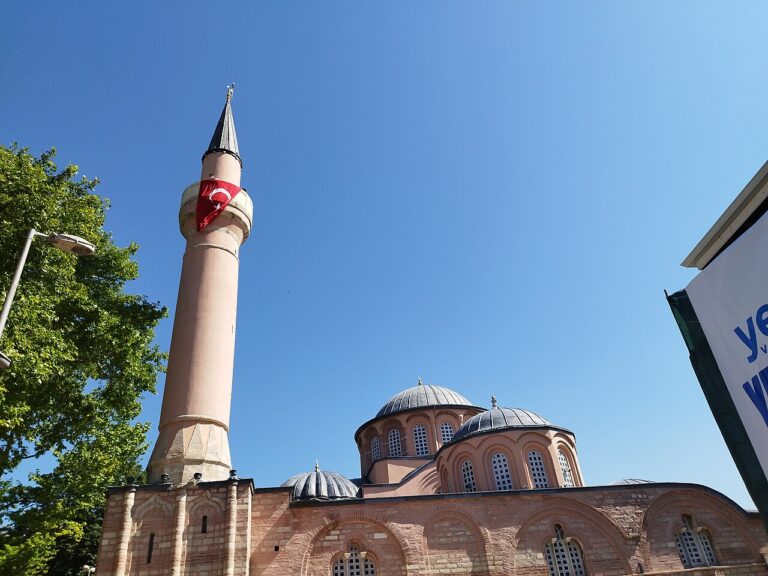
The winter district rewards a second and a third day. The second day could be the depth: the Topkapi Palace in the winter light, its interiors warm against the grey; the Chora in the far district, its mosaics glowing; the cisterns beyond the Basilica; the walls, bracing in the clear winter air. The third day could be the working district: the market streets beyond the bazaars, the lokanta lunches, the teahouses of the old quarters, the boza house — the daily life of the peninsula, at its most local in the quiet season. And the evenings, every day, are the winter version: the sunset from the Süleymaniye’s terraces, the minarets in the low light, the kebab or the fish dinner in the warm room, the tulip glass of tea. The winter Fatih is the district at its most visitable — the icons at the human pace, the depth and the working life at their most accessible, and the cold made warm by the rooms and the food.
Frequently asked questions
Does it snow in Fatih?
Occasionally — a few days a year, usually in January or February, and it rarely lasts. When it does, the Hagia Sophia and the Blue Mosque against the snow are among the city’s great sights.
Are the icons open in winter?
Yes — the Hagia Sophia, the Topkapi, and the museums run through the winter, with the queues a fraction of the summer’s.
Is the Grand Bazaar open in winter?
Yes — the vaulted bazaars are warm and dry, and the winter is the season to shop them without the crowds.
Is winter much cheaper?
Yes — the accommodation prices drop noticeably outside the holiday weeks, and the queues and the tables are all quieter.
What is the warmest indoor experience?
The Basilica Cistern — the dim, atmospheric underground — and the mosque interiors, warm against the grey, with the boza house of Vefa as the century-old winter drink.
What should I pack for a winter visit?
Layers are the uniform: a warm, waterproof coat, a sweater and a thermal layer, a hat and gloves for the open squares and the waterfront, waterproof shoes, and one smart-but-warm outfit for the evening dinners.
Is the Grand Bazaar warm in winter?
Yes — the vaulted bazaars hold their heat, and the winter is the season to shop them without the summer crowds, the warmest wandering in the district.
Are the Bosphorus cruise and the day trips worth it in winter?
The cruise is the braced version — the winter light on the water is dramatic — and the indoor destinations of the city work all year. The old city itself is the winter base.

All Over Information
The All Over Information editorial team researches and writes practical English-language guides to Turkey. Facts are checked against official and local sources before publication, prices are published as dated ranges rather than quotes, and guides are revised when things change. We accept no sponsored posts, paid placements or paid links.
More guides like this

Shopping Guide: What to Buy in Fatih
Fatih is the shopping district of Istanbul — the historic peninsula where the city's trading life has run for five centuries, from…

History and Culture of Fatih
Fatih is the district where the history of Istanbul is written — the historic peninsula where the city was founded, conquered, and…
Hidden Gems of Fatih Most Tourists Miss
Fatih is the district of the famous — the Hagia Sophia, the Blue Mosque, the bazaars — and the crowds follow the…
48 Hours in Fatih: The Perfect Itinerary
Fatih is the district that contains the heart of Istanbul, and a weekend here is the classic introduction to the city.
Where to Stay in Fatih: Neighborhood Guide
Fatih is the classic base for a first visit to Istanbul — the historic peninsula itself, with the city's greatest monuments on…

A Foodie’s Guide to Fatih
Fatih is the district where the city's food story is written — the historic peninsula where the bazaars feed the streets, the…