Fatih is the district that contains the heart of Istanbul, and a weekend here is the classic introduction to the city. Two days cover the icons — the Hagia Sophia, the Blue Mosque, the bazaars — and reach into the depth: the palace, the cistern, the Süleymaniye, the old quarters, the walls. It is a dense, walkable district, and the itinerary runs on the tram line and the feet. This plan is built for a first-time visitor with two full days: the essential sights paced properly, the queues beaten, and the layer beyond the tourist maps included.
Before You Go
The essentials are simple. The Istanbulkart is the only ticket you need — it works on the tram, the ferries, and the buses, and the T1 tram is the spine of the district. Comfortable shoes are non-negotiable: the district is walkable but the hills and the distances are real. Timed tickets for the big sights — the Hagia Sophia, the Topkapi — should be booked in advance in the high season; the mornings are the good slots. Cash is useful for the bazaars and the street food. And a respectful wardrobe — shoulders and knees covered — for the working mosques. Everything else is standard.

Day One: The Icons and the Bazaars

Morning: The Hagia Sophia and the Blue Mosque
Start at the Sultanahmet square, the heart of the district, before the crowds. The Hagia Sophia — the great church of the Byzantine age, converted to a mosque in 1453, now one of the wonders of the world — deserves the morning’s first hour: the dome, the mosaics, the sense of fifteen centuries in one building. Book the ticket in advance; the queues are the famous ones. Across the square, the Blue Mosque — the six-minareted masterpiece of Sultan Ahmed — is the second stop, its interior a sea of blue tiles, its courtyards the calm of the district. The morning’s reward is the square itself: the obelisks of the ancient hippodrome, the fountains, the sense of standing where the city’s processions have passed for two millennia.
Midday: The Grand Bazaar and the Spice Bazaar
Follow the tram downhill to the Grand Bazaar — the great covered market of the Ottoman world, a labyrinth of vaulted streets holding thousands of shops: the carpets, the lamps, the jewelry, the ceramics, the spices. The wandering is the experience — the bazaar is a city within the district, and even the non-shopper should lose an hour in its lanes. Beyond it, the Spice Bazaar on the Golden Horn shore holds the aromatic version — the pyramids of spices, the dried fruit, the lokum, the honey — and the market streets around it hold the food of the district. The midday is the bazaars’ liveliest hour, and the lunch is the street food: the balık ekmek at Eminönü, the simit, the pide.
Afternoon: The Topkapi Palace
The afternoon belongs to the Topkapi Palace — the seat of the Ottoman sultans for four centuries, the vast complex of courtyards, pavilions, harems, and gardens above the Bosphorus. Allow the afternoon: the palace is a day in itself, and the reward is the depth — the kitchens and the treasures, the harem’s private rooms, the terraces with the views over the water, the sense of the empire’s center. The palace closes its gates in the mid-afternoon in the high season, so the plan is the morning tickets and the afternoon inside.
Evening: The Sultanahmet Sunset and a Traditional Dinner
As the sun drops, the district shows its evening face. The rooftop terraces of the Sultanahmet hotels and restaurants give the classic view — the Hagia Sophia and the Blue Mosque against the evening sky, the minarets lit, the call to prayer rolling across the district. The dinner is the traditional one: a meyhane evening or a kebab house, the meze and the grill, the table running long. The district’s evenings are quieter than the modern quarters across the water — which is the point, after a day of the icons.
Day Two: The Depth and the Old City

Morning: The Süleymaniye and the Cistern
Start the second day with the district’s deeper layer. The Süleymaniye Mosque — the masterpiece of the architect Sinan, the grandest of the Ottoman mosques, on its hill above the bazaars — is the morning’s first stop: the great dome, the courtyards, the views over the Golden Horn and the city from its terraces. Below it, the Basilica Cistern — the ancient underground reservoir with its forest of columns, its dim lighting, its sense of the Byzantine city beneath the modern one — is the second: cool, mysterious, and unforgettable. The morning covers the district’s architecture and its hidden depth.
Midday: Balat and Fener, the Old Quarters
The tram and the bus carry the afternoon to the district’s most atmospheric corner: Balat and Fener, the old Jewish and Greek quarters on the Golden Horn. The crooked lanes of pastel houses, the churches and the synagogues within steps of each other, the skyline of domes, the working streets — this is the layer beyond the tourist maps, the old city as it has been lived for centuries. The wander is the experience: the painted houses, the steep streets, the teahouses, the life of the quarter. The lunch is a lokanta of the neighborhood, the local version of the district’s food.
Afternoon: The Chora and the Walls
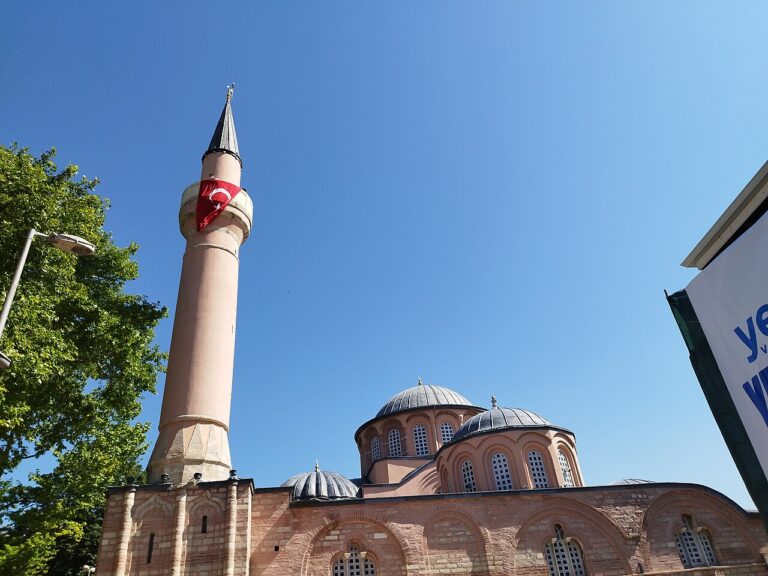
The far end of the district holds the afternoon’s prizes. The Church of St. Savior in Chora — the Kariye — is the finest Byzantine church of the city, its mosaics and frescoes among the great works of the medieval world. And the Theodosian land walls — the ancient fortifications that held the city for a thousand years — run through the district’s western edge, the towers and the gates rising over the modern streets. The walls are free, the walk along them is the district’s finest free hour, and the sense of the city’s defenses — the walls that the Conqueror’s cannons finally breached — closes the district’s story.
Evening: The Last Sunset and the Bazaar Lights
End the weekend where the city’s story began. The sunset from the Süleymaniye’s terraces — or from the walls, or from a ferry on the Golden Horn — is the district’s daily gift. A last wander through the bazaar streets as the lights come on, a last traditional dinner, and the ferry or the tram home. Two days in Fatih is the beginning of the city — the icons seen properly, the depth touched, the old city entered — and the visitor leaves with the sense of having begun the story that the rest of Istanbul continues.
The 48-Hour Rules of Thumb
Two rules make the weekend work. Rule one: the mornings are the monuments, the afternoons are the depth. The icons are for the early hours, when the queues are shortest and the light is best; the palaces, the quarters, and the walls fill the slower hours. Rule two: the tram is the spine, the walking is the day. The T1 strings the district together, and the distances between the stops — the bazaars to the mosque, the palace to the water — are the walking that the district is built for. Add the timed tickets and the early starts, and the 48 hours cover the city’s heart.

The Evening Layer: What to Do After the Monuments
The district’s evenings are quieter than the modern quarters across the water, and the quiet is part of the point. After the icons close, the old city settles into its own rhythm: the Sultanahmet square fills with the evening strollers, the call to prayer rolls across the rooftops, and the rooftop terraces of the district’s hotels and restaurants fill for the sunset — the minarets in the last light, the call crossing, the city below. The dinner is the traditional one: the kebab house or the meyhane, the meze and the grill, the table running long. And the night walk is the hidden version: the empty bazaar streets under their lights, the mosque courtyards in the dark, the waterfront of the Golden Horn with the ferries crossing — the old city at its most atmospheric, the crowds gone. The 48 hours end with the evening layer, and the sense of the district that the day-trippers never see.
Frequently asked questions
Can I do both the Hagia Sophia and the Blue Mosque in one morning?
Yes — they face each other across the square, and the morning is the right time for both, with the queues at their shortest.
Is the Topkapi Palace worth a full afternoon?
Yes — the courtyards, the harem, the treasures, and the views make it a day in itself; the morning tickets and the afternoon inside are the plan.
How do I get to Balat?
The bus or the tram-and-walk from the district’s center — the quarter is on the Golden Horn shore, and the wandering is the point.
Are the walls free?
Yes — the Theodosian walls run through the district’s western edge, free to walk and climb, the finest free hour in the district.
What should I book in advance?
The Hagia Sophia and the Topkapi in the high season — the timed tickets and the morning slots are the ones that beat the queues.

All Over Information
The All Over Information editorial team researches and writes practical English-language guides to Turkey. Facts are checked against official and local sources before publication, prices are published as dated ranges rather than quotes, and guides are revised when things change. We accept no sponsored posts, paid placements or paid links.
More guides like this

Shopping Guide: What to Buy in Fatih
Fatih is the shopping district of Istanbul — the historic peninsula where the city's trading life has run for five centuries, from…

A Foodie’s Guide to Fatih
Fatih is the district where the city's food story is written — the historic peninsula where the bazaars feed the streets, the…
Hidden Gems of Fatih Most Tourists Miss
Fatih is the district of the famous — the Hagia Sophia, the Blue Mosque, the bazaars — and the crowds follow the…
The Best Day Trips from Fatih
Fatih is the historic heart of Istanbul, and its position — the old city on the peninsula, the water on two sides,…

Fatih on a Budget: Money-Saving Travel Tips
Fatih is the district of the city's greatest monuments — and one of the easiest parts of Istanbul to visit on a…

Top 10 Things to Do in Fatih
Fatih is the district that contains the heart of Istanbul — the historic peninsula with the city's greatest monuments, its most famous…