Fatih is the district where the history of Istanbul is written — the historic peninsula where the city was founded, conquered, and built, and where every layer of its story is still visible in the streets. It is the site of Byzantium and Constantinople, of the Byzantine Empire and the Ottoman, of the conquest of 1453 and the centuries that followed; and its culture — the mosques, the bazaars, the quarters, the daily life — is the living inheritance of that history. This guide tells the story of Fatih: the ancient foundations, the Byzantine capital, the Ottoman centuries, and the culture that makes the district what it is today.
The Ancient Foundations: Byzantium and the Golden City
The history of the peninsula begins in the deep past. The Greek colonists founded Byzantium on the point of the peninsula in the 7th century BC, drawn by the harbor of the Golden Horn and the defensible site; the city grew through the centuries of the Greek and the Roman world, and the settlement that became Constantinople was already ancient when the empire’s capital moved here. The name of the district — Fatih — comes from the Ottoman conqueror, but the ground beneath it holds the deepest layers: the Greek colony, the Roman city, the early Christian community. The ancient foundations are the first layer of the district, and the modern archaeology, surfacing in the excavations of the old city, keeps the layer alive.

The Byzantine Capital: Constantinople
The transformation came in the fourth century AD, when the emperor Constantine made the city his new capital — Constantinople, the New Rome. For a thousand years the city was the heart of the Byzantine Empire, the greatest city of the Christian world, and the peninsula was its center: the hippodrome where the chariots raced and the crowds roared, the palaces of the emperors, the great churches — above all the Hagia Sophia, built in the sixth century, the largest church in the world for nearly a millennium. The walls of Theodosius ringed the peninsula, and the city behind them held its civilization against the sieges of a thousand years. The Byzantine layer is the deepest of the district’s history: the cisterns beneath the streets, the churches among the minarets, the walls that still stand.

The Conquest: 1453 and the Ottoman City
In 1453, the Ottoman Sultan Mehmed the Conqueror — Fatih Sultan Mehmed, the district’s namesake — breached the walls of Theodosius and took the city. The conquest is the hinge of the district’s history: Constantinople became Istanbul, the Hagia Sophia became a mosque, the great church was joined by the mosques of the new capital, and the city became the seat of the Ottoman Empire for nearly five centuries. The district’s monuments tell the story: the mosque and the tomb of the Conqueror in the quarter that bears his name, the Topkapi Palace of the sultans, the Süleymaniye of the empire’s golden age, the bazaars of its trading wealth. The Ottoman centuries built the Fatih that the visitor sees — the mosques, the bazaars, the quarters, the city as the empire’s capital.

The Ottoman Centuries: The Building of the District
The centuries after the conquest built the district’s fabric. The sultans and the great families founded their religious complexes — the mosques with their schools and their hospitals, the foundations that served the city; the bazaars grew into the great covered markets of the Ottoman world; the quarters of the city — the Greek, the Jewish, the Armenian, the Muslim — developed their neighborhoods and their cultures; and the peninsula filled with the life of the imperial capital. The district’s working character — the markets, the crafts, the quarters — was fixed in these centuries, and the old city that the visitor walks today — the bazaars, the mosques, the quarters of Balat and Fener — is the visible inheritance of that world.

The Republican Century: The Modern District
The twentieth century brought the republic and the modern city. The capital moved to Ankara, and Istanbul — and the old city with it — became the great metropolis of the new Turkey; the districts of the peninsula continued their life, the working quarters and the monuments side by side; and the tourist age made the district the destination that it is today. The republican century added the modern layer — the museums, the restorations, the daily life of the peninsula — and the district’s identity settled into its present form: the historic heart of the city, its monuments and its quarters, its daily life and its crowds.
The Culture of the District Today
The culture of modern Fatih is the sum of its history, and it has a character that is instantly recognizable. It is a monumental culture: the icons, the mosques, the bazaars that draw the world, and the district’s role as the city’s great stage. It is a working culture: the markets, the crafts, the quarters of the peninsula where the daily life has run for centuries, and the food — the balık ekmek, the lokanta, the kebab house, the pudding shop — that feeds the working day. It is a traditional culture: the mosque courtyards, the teahouses, the boza house, the old quarters — the practices and the places that the modern city has kept alive. And it is a layered culture: the Byzantine beneath the Ottoman, the ancient beneath both, visible to the eye that knows to look.
The Layers, Read Together
The traveler who walks Fatih with its history in mind sees the district in three dimensions. The Hagia Sophia is the Byzantine church that became the Ottoman mosque; the walls are the defenses that held for a thousand years; the bazaars are the trading heart of the empire; the quarters are the working life of the centuries; and the streets hold the ancient beneath the modern. Every layer is visible to the eye that knows to look, and the district’s particular quality — the sense of walking through the whole story of the city — is the direct result of that depth. Fatih is the district where Istanbul began, was conquered, and was built — and the district that keeps the whole story in plain sight. The reader who wants the layers in order walks them in order: the Byzantine churches first, then the walls, then the imperial mosques and the bazaars, then the working quarters of the modern district — the history arranged along the streets like chapters, each one opening onto the next.
The Conquest, Still Visible
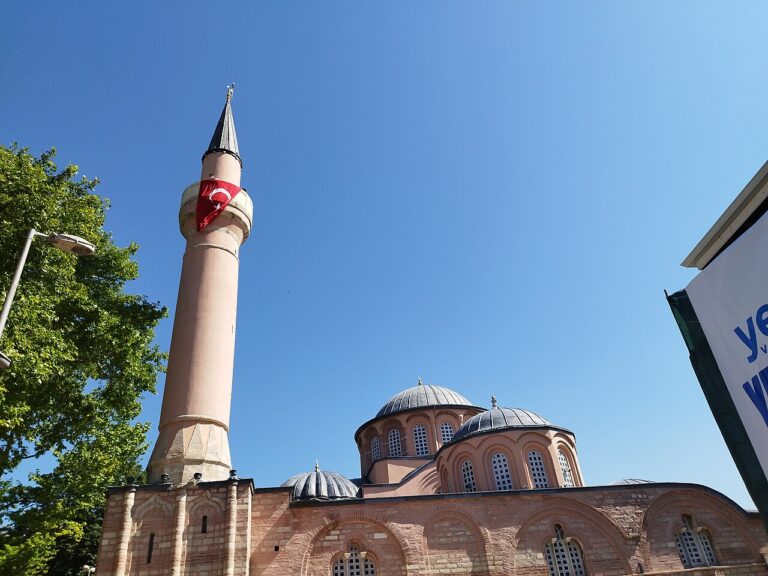
The most remarkable thing about the conquest of 1453 is how visible it remains. Walk Fatih today and the story is written in the stone around you. The land walls — the great Theodosian ramparts that held the city for a thousand years — still stand at the district’s western edge, breached in 1453 and never rebuilt in their old strength: the Ottomans left them as they were, the monument of their own victory. The churches the conquerors converted — the Hagia Sophia above all, but the smaller Byzantine churches throughout the district — carry the same story in their architecture: the Christian ground plan, the Islamic additions, the minarets rising from the Byzantine shells. The mosques the Ottomans built over the following centuries — the Fatih Mosque itself, the Süleymaniye, the smaller imperial foundations — are the new city’s answer, the statement that the conquered capital had become the Ottoman capital. And the tomb of the Conqueror — Mehmed II himself, buried in the mosque complex that bears his name — makes the district personal: the man who took the city is still here, in the quarter named for him. No other district in the world lets the visitor walk through a conquest this old and this complete — the walls, the conversions, the new buildings, and the conqueror’s own grave, all within the same streets.
Frequently asked questions
How old is Fatih?
The settlement on the peninsula dates to the 7th century BC — Byzantium, the Greek colony — and the layers beneath the modern district reach back three millennia.
What is the significance of the conquest of 1453?
The capture of the city by Mehmed the Conqueror ended the Byzantine Empire, made Istanbul the capital of the Ottomans, and is the hinge of the district’s history — the district itself bears the Conqueror’s name.
What does the name Fatih mean?
“The Conqueror” — the title of Sultan Mehmed II, whose mosque and tomb rise over the quarter that bears his name.
Why is the Hagia Sophia so important?
Built in the sixth century as the greatest church of the Christian world, it became a mosque after the conquest and now stands as one of the wonders of the world — the symbol of the city’s fifteen centuries.
What makes Fatih culture distinctive?
The monumental, the working, and the traditional together — the icons and the bazaars, the markets and the quarters, the mosques and the teahouses — the layered life of the city’s historic heart.

All Over Information
The All Over Information editorial team researches and writes practical English-language guides to Turkey. Facts are checked against official and local sources before publication, prices are published as dated ranges rather than quotes, and guides are revised when things change. We accept no sponsored posts, paid placements or paid links.
More guides like this

48 Hours in Fatih: The Perfect Itinerary
Fatih is the district that contains the heart of Istanbul, and a weekend here is the classic introduction to the city.
How to Get to Fatih from Istanbul
Fatih is the historic heart of Istanbul — the old city on the peninsula — and reaching it is easy from anywhere…
Hidden Gems of Fatih Most Tourists Miss
Fatih is the district of the famous — the Hagia Sophia, the Blue Mosque, the bazaars — and the crowds follow the…
Where to Stay in Fatih: Neighborhood Guide
Fatih is the classic base for a first visit to Istanbul — the historic peninsula itself, with the city's greatest monuments on…

Fatih on a Budget: Money-Saving Travel Tips
Fatih is the district of the city's greatest monuments — and one of the easiest parts of Istanbul to visit on a…
Photography Spots in Fatih You Can’t Miss
Fatih is the most photographed district in Istanbul — the historic peninsula with the city's greatest monuments, its most dramatic skylines, and…