In the far north of Turkey, where the Black Sea ranges rise behind the coast, the Kure Mountains hold one of the country’s great natural treasures: a national park of ancient forest, deep canyons, and hidden caves that has earned a place among Europe’s most important wild areas. This is the Turkey that most visitors never see, a wet, green, silent world where bears and lynx still move through the trees and the villages live by the old rhythms of the forest. This is the story of the Kure Mountains National Park and the wilderness it protects.
The Forest of the Black Sea
The Kure Mountains run parallel to the Black Sea coast, catching the rain that the sea winds bring and turning it into forest. The result is a green wall of woodland that covers the ridges and fills the valleys, one of the densest and wildest forest regions in Turkey.
The forest is the park’s soul. Beech and fir dominate the heights, oak, hornbeam, and chestnut fill the lower slopes, and the oldest trees have stood for centuries, untouched by the axe. In places the canopy is so dense that the forest floor lies in permanent half-light.
For the visitor, this is the great difference from the dry south: a forest that feels northern, damp, and primeval, with streams crossing every path and mist rolling through the trees. The Kure forest is the Turkey of the old travellers’ tales, a green world where the light filters down through the canopy and the air smells of wet earth and moss.
A Mountain Chain of Its Own
The Kure Mountains are a distinct chain within the larger Black Sea ranges, running west to east behind the coast of Kastamonu and Bartin provinces. The mountains rise steeply from the coastal plain, then continue inland in a series of ridges and valleys.
The terrain is demanding: steep slopes, deep valleys, and rivers that have cut their way down through the rock. The relief gives the park its drama, and its difficulty, with the valleys often more accessible than the ridges.
The mountains are old, worn-down country, and their slopes carry the deep soils that feed the forest. The combination of sea climate and mountain relief is what makes the Kure Mountains so lush, and so different from the rest of Anatolia.

The Canyons Cut Deep
The rivers of the Kure Mountains have carved spectacular canyons into the rock. The Devrekani Canyon is the most famous, its walls rising sheer from the water, and the other gorges of the park add to the country’s drama.
The canyons are the park’s most spectacular sights, with their dark walls, green water, and forest crowning the rims. They are places of echoing sound and cool air, and they cut through the mountains like the park’s own monuments. The viewpoints above the gorges are the easiest way to see them, while the fit and the guided can descend toward the water.
The canyons are at their most powerful after the rains of spring, when the rivers run full and the gorges fill with sound. In summer they are quieter, and the pools and the gravel banks invite the walker down to the water.
The Caves Below
Beneath the forest, the limestone of the Kure Mountains is honeycombed with caves, and the park protects one of Turkey’s most significant cave systems. The Ilgarini Cave is among the deepest explored in the country, a descent into a hidden world.
The cave is remarkable for its size, its formations, and its history: an ancient church stands within its entrance, and the cave once sheltered people who made it their home. The story of the cave is the story of humanity and the mountains together.
For the visitor, the cave is approached with guides and equipment, and the descent is not for everyone, with its vertical passages and its cold, silent chambers. But even the glimpse of the entrance, high in the limestone above the forest, speaks of the hidden depths that lie beneath this landscape, a second world under the first.
The Trees of the Ancient Forest
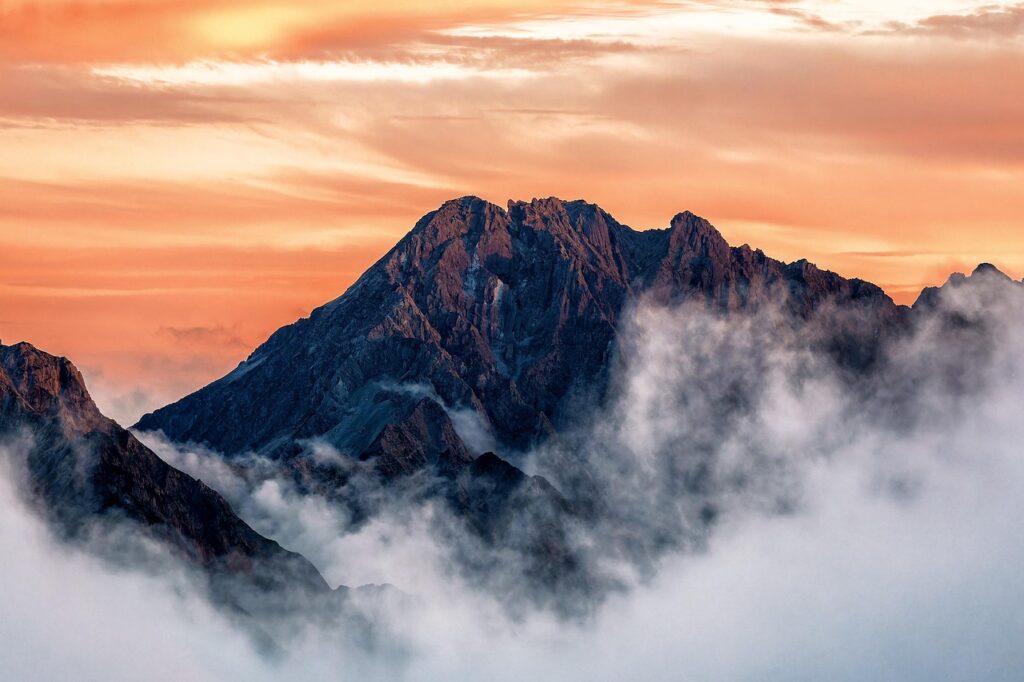
The Kure forest is old, and its trees are its monument. The beech stands of the higher slopes are among the finest in Europe, their smooth grey trunks rising like columns through the half-light.
The forest holds a full community of trees, from the firs of the heights to the oaks and chestnuts of the valleys, and with them the whole web of life that depends on them: the fungi, the mosses, the insects, and the birds.
Walking among these trees, you feel the age of the forest in a way that no photograph can capture, the sheer scale of the trunks and the depth of the shade. This is not a managed woodland but a natural one, shaped by centuries of wind and weather, and its wildness is its value.
The Animals Within
The Kure Mountains are a refuge for the big mammals of the Turkish forest. Brown bears, wolves, and lynx live here, along with wild boar, roe deer, and a host of smaller animals, and the park’s protection gives them room.
The birdlife matches the mammals: woodpeckers and owls in the old forest, birds of prey over the open ground, and the water birds of the rivers and streams. The forest is alive with sound, though its inhabitants are mostly seen only by the patient.
Wildlife is the park’s quiet miracle. The animals are there, in the tracks, the droppings, and the occasional glimpsed shape in the undergrowth, and their presence makes the Kure Mountains a genuinely wild place.

The People of the Mountains
The Kure Mountains have been lived in for centuries, and the villages of the park keep the old ways. Their wooden houses, their gardens, their honey and hazelnuts, and their herds all belong to the forest economy.
The people of these mountains know the forest intimately: the trees, the paths, the caves, and the animals. Their knowledge is the park’s living heritage, and their villages are the visitor’s gateway to the wilderness.
The relationship between the people and the park is the constant work of the region: the forest sustains the villages, and the villages help protect the forest. It is a partnership as old as the mountains themselves.
A Park of European Importance
In 2000 the Kure Mountains were declared a national park, and in 2012 the park earned a certification as a protected area of European importance, a recognition given to only a handful of Europe’s finest wildernesses.
The certification was a landmark for Turkish conservation, and it brought the park international attention. It confirmed what the forest already knew: that the Kure Mountains are a natural wonder of European standing.
The recognition has also brought responsibility, and the park is managed to balance protection with the life of its villages and the growing interest of visitors. The wilderness and its people are protected together, and the guesthouses, the guides, and the local producers have become part of the conservation story.

The Seasons of the Forest
The Kure forest is a landscape of seasons, each with its own character. Spring brings the fullest rivers and the greenest slopes, with the waterfalls and the streams at their most powerful.
Summer keeps the forest cool and shaded, a refuge from the heat of the plains, while autumn turns the beech forest to gold and fills the valleys with light. Winter brings snow, cold, and silence, closing the high country until spring.
For the visitor, the choice of season shapes everything. Summer is the easiest, spring the most dramatic, autumn the most beautiful, and winter the preserve of the determined few.
The Wild Remains
The Kure Mountains National Park is one of the last great wild forests of Turkey, a place where the natural world still sets the pace. Its canyons, its caves, its ancient trees, and its animals all belong to a landscape that has never been tamed.
The park’s future depends on the balance it has struck: protection for the forest, support for the villages, and welcome for the visitor who comes respectfully. The wilderness is fragile, and its survival is a choice made every day.
For you, the Kure Mountains offer something increasingly rare: a genuine wilderness within reach. Walk quietly in its forests, and you will understand why the park holds such a place in the world’s list of natural treasures.
Frequently asked questions
Why are the Kure Mountains so important?
The park protects one of Europe’s finest natural forests, with ancient beech and fir stands, deep canyons, and important cave systems, including one of the deepest explored caves in Turkey. It is home to bears, wolves, and lynx, and in 2012 it earned certification as a protected area of European importance, a distinction shared with only a handful of Europe’s finest wild places. It is one of Turkey’s greatest wildernesses.
What can visitors do in the park?
The park offers forest walking, canyon viewpoints, village stays, and wildlife watching, with the Ilgarini Cave as its caving highlight. The trails range from easy valley walks to serious multi-day treks through the canyon country, and the villages provide guesthouses and local food, including the region’s honey and Black Sea dishes. A guide is recommended for the deeper routes and the cave, while the valley walks are easy to do independently.
Is the park difficult to reach?
The park lies in the western Black Sea region, about a day’s drive from Istanbul along the coast or through the interior, and it is reached through Kastamonu or the coastal towns of Cide and Bartin. The approach roads are winding but sealed, climbing through forest and farmland, and a car is needed to reach the villages and trailheads. The journey, through some of the greenest country in Turkey, is part of the experience.

All Over Information
The All Over Information editorial team researches and writes practical English-language guides to Turkey. Facts are checked against official and local sources before publication, prices are published as dated ranges rather than quotes, and guides are revised when things change. We accept no sponsored posts, paid placements or paid links.
More guides like this
Exploring Saklikent Gorge: A Complete Guide
Saklikent Gorge is one of the most extraordinary natural sites in Turkey, a deep slot canyon cut through the mountains where an…

How to Visit Koprulu Canyon: Practical Tips
Koprulu Canyon is one of Turkey's easiest great landscapes to visit, sitting within reach of the Mediterranean coast and offering a full…

Eco-Lodges and Green Travel Options in Turkey
Turkey's landscape of coasts, mountains, and highlands has given rise to a rich and growing selection of eco-lodges, farm stays, and green…

Turkey’s Caves and Underground Cities Explained
Beneath the surface of central Turkey lies a hidden world that has fascinated travelers for centuries: vast underground cities, churches carved into…
Best Hiking Trails Around Yedigoller National Park
Yedigoller National Park may be famous for its seven lakes, but for walkers it is the trails that make the valley magic.

How to Visit Lake Van: Practical Tips
Lake Van is one of Turkey's most rewarding destinations, but it takes a little planning to visit well. The region is remote,…