Eyup is one of Istanbul’s most photogenic districts, and its images are unlike anywhere else in the city. The floodlit mosque, the hillside cemetery, the cable car, and the great sweep of the Golden Horn from Pierre Loti give the photographer a day’s work within a few hundred meters. This guide collects the essential spots, the best hours, and the practical advice for photographing the district well.
The Mosque from the Water
The first great shot of Eyup is the approach by ferry. From the deck, the Eyup Sultan Mosque rises against the hillside with its dome and minarets, framed by the green slopes and the water of the Horn. It is the classic establishing image of the district.
The best light comes in the early morning, when the sun strikes the mosque from the east, and again in the late afternoon, when the warm light catches the stone. The ferry gives you a moving platform, so shoot several frames as the boat approaches.
Use the ferry railing to steady the shot, and wait for a ferry or a gull to pass through the frame for scale. The early ferries carry the best light, and the winter mornings, when the air is clear, give the sharpest definition of the minarets against the sky. The approach by water is the introduction every photographer should make.
The Courtyard in Morning Light
The courtyard of the Eyup Sultan Mosque is a photographer’s gift in the first hours of the morning. The colonnades throw long shadows, the fountains catch the light, and the pigeons scatter across the marble as the first visitors arrive.
Shoot the arcade from the inside out, using the columns as a frame for the fountain and the dome. The interplay of the light and the stone is at its best before nine, when the tour groups have not yet arrived. The courtyard rewards a patient photographer, and the changing sun through the morning offers a sequence of different moods within an hour.
The people make the pictures too: the pilgrims crossing the courtyard, the families, the children chasing the pigeons. A long lens from the edge of the arcade catches the life without intruding on it.

The Tomb Interior and Its Details
Inside the tomb of Abu Ayyub al-Ansari, photography is not appropriate, and the right response is to put the camera away and simply be present. The respect of the pilgrims comes first, and the interior is not a place for the shutter.
The exterior is a different matter. The entrance, the tiled details, and the courtyard around the tomb all photograph beautifully, and the details of the marble and the calligraphy repay a close lens.
Shoot the exterior in the soft light of the morning or the late afternoon, and let the pilgrims entering and leaving give the scene its life. The best images of the tomb are the quiet ones, made with patience and respect.
Pierre Loti Hill at Golden Hour
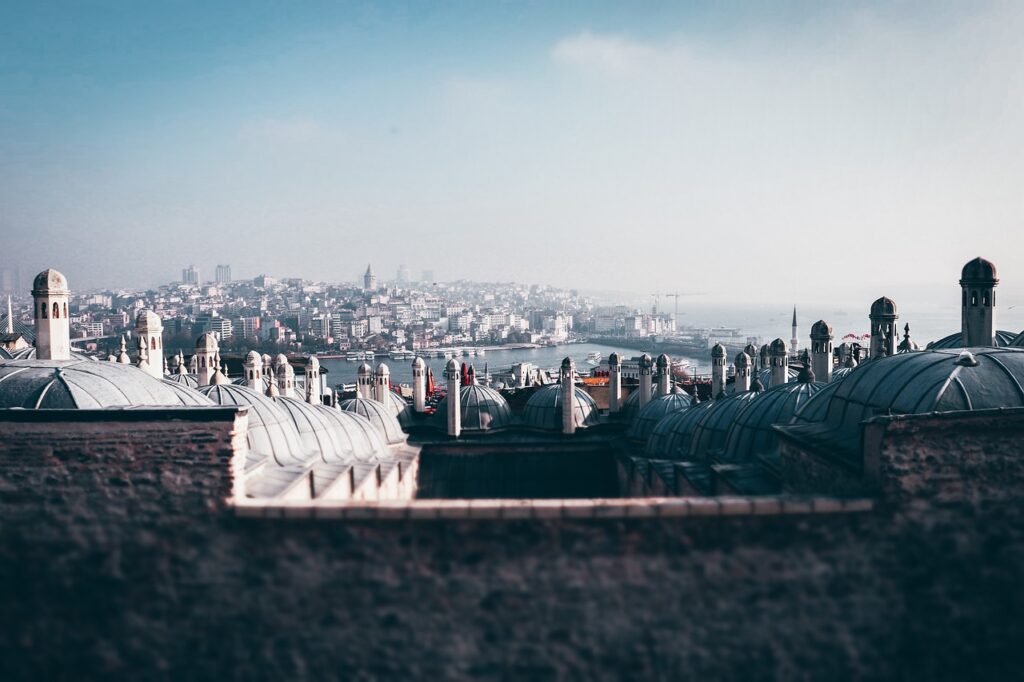
The view from Pierre Loti Hill is the signature image of Eyup, and the golden hour is its finest moment. The Golden Horn curves below, the minarets of the old city rise beyond, and the water turns to metal in the low light.
Arrive an hour before sunset, claim a position on the terrace, and watch the light change. Shoot wide for the panorama, and long for the details: the ferries on the water, the gulls, the lights beginning to come on.
The sun sets across the Horn, so the classic shot faces the old city and the bridges. As the light fades, the exposure lengthens, and the water becomes streaks of light. A polarizer helps hold the color of the water, and a steady hand or a small support makes the difference in the fading light. Stay until the blue hour, which is as good as the sunset itself.
The Cemetery Headstones
The great cemetery of Eyup is a photographer’s treasure, and the headstones are its subject. The carved turbans, fezzes, and calligraphic inscriptions, worn by centuries of weather, stand in their thousands under the cypress trees.
The low sun of the late afternoon is the essential light, raking across the stones and throwing their carving into relief. Shoot close for the lettering and the details, and wide for the rows of stones stretching up the hillside.
The cemetery asks for respect, and the quiet work of photography suits it. Move slowly, shoot deliberately, and the place will give you images that no other district in Istanbul can match. The upper terraces, where the oldest stones stand, are the quietest and the most rewarding, and the views from them add context to the close work.
The Cable Car Ride
The cable car is a moving viewpoint, and the ride up the hill gives a sequence of images that the terrace cannot. From the car, the rooftops of Eyup, the cemetery, and the widening Horn compose themselves frame by frame.
Shoot through the glass if the day is clear, or open the window on the right side for the cleanest line. The cars move steadily, so set a fast shutter and shoot in bursts. The upper stations give a few moments of still vantage before the car swings on, so be ready with the camera at the start of the ride.
The descent in the evening, with the lights of the district coming on, is the second chance for the sequence. The cable car ride is a photographic journey in itself, and it deserves a card of its own.

The Old Streets and Wooden Houses
The old quarter of Eyup is a street photographer’s district. The wooden houses with their bay windows, the carved fountains, the narrow lanes, and the daily life of the neighborhood give endless material within a few minutes’ walk of the mosque.
Shoot the lanes in the morning, when the light slants down them, and in the early evening, when the windows glow. The details matter: the painted eaves, the doorways, the cats, the tea glasses on a windowsill.
The people of the old quarter are used to cameras but deserve courtesy. A smile and a nod, or a question, opens the best pictures, and the workshops of the artisans are among the most rewarding subjects in the district. The morning light in the lanes is the most flattering, and the early shopkeepers opening their doors make the best candid subjects of the day.
The Fountains in Detail
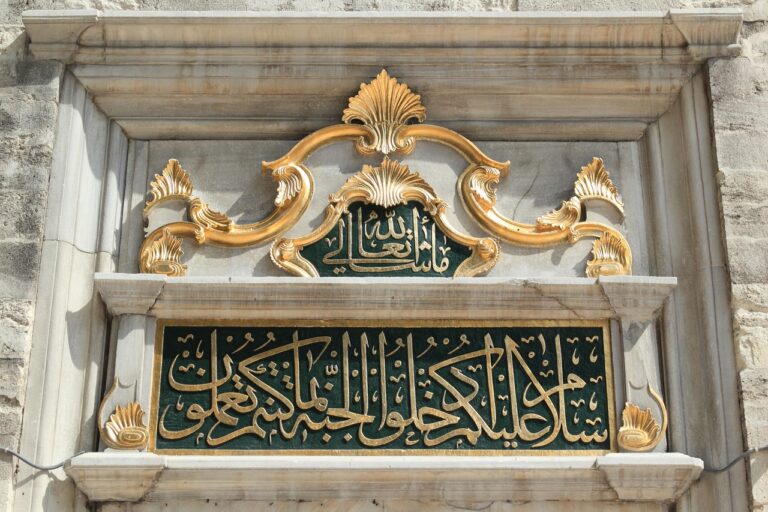
The ornate street fountains of Eyup are small masterpieces, and they reward the photographer who stops for them. The carved marble fronts, the calligraphic inscriptions, and the little domes hold detail that the passing crowd never sees.
Shoot them close, with a lens that fills the frame with the carving, and return at different hours, because the light changes the stone completely. A close lens and a patient eye reveal the inscriptions and the carving that the hurried visitor walks past, and the results surprise even the photographer. The morning light and the low afternoon sun bring out the relief work best.
The fountains work in series, and a set of images of the district’s fountains makes a beautiful collection. Look for them on the walls and the corners of the old quarter, where they have stood for centuries.

The Golden Horn Panorama
Beyond the hill, the district offers panoramas from the cemetery terraces and the upper paths that most photographers never find. From these heights, the whole Horn curves away with the old city on the far shore and the hills of the district behind you.
Shoot the panorama in the late afternoon, stitching several frames for a wide view, and come back at sunset for the color. Frame a single wide shot with the ferry in the middle distance for a sense of scale and motion, and the panorama works as well in portrait as in landscape. The terraces are quiet, and you may have the shot to yourself.
The panorama gives the context that the close-ups lack: the district in its landscape, between the water and the hills. It is the shot that shows what Eyup is, and where it sits in the city.
Practical Photography Tips
The practical side of photographing Eyup is simple. Go early for the light and the empty streets, go late for the golden hour, and keep the middle of the day for the shaded lanes and the interiors.
Carry a modest kit: a wide lens for the panoramas, a medium lens for the streets, and a long lens for the cemetery and the courtyard life. A small tripod helps for the blue hour, and a cloth for the seats of the cable car does no harm.
Respect the sacred places, ask before photographing people, and never use flash in the tomb or the prayer halls. Eyup is generous to the photographer who is patient and courteous, and the images will repay the courtesy.
Frequently asked questions
What is the best time of day for photographs in Eyup?
The early morning gives the empty streets and the soft light on the mosque courtyard, and the late afternoon and sunset give the golden light on the Golden Horn from Pierre Loti Hill. The blue hour after sunset, when the lights come on, is a third window worth staying for.
Can I photograph inside the tomb?
No. Photography is not appropriate inside the tomb of Abu Ayyub al-Ansari, a working place of pilgrimage, and the camera should stay away. The exterior, the courtyard, and the surrounding details photograph beautifully at all hours, and the district offers countless other subjects, from the fountains to the cemetery to the old streets.
Where is the best panorama of the Golden Horn?
The terrace of Pierre Loti Hill is the classic viewpoint, reached by cable car or on foot. The upper terraces of the great cemetery give quieter alternatives with the same sweeping view, and the approach by ferry offers the district’s most dramatic opening image.

All Over Information
The All Over Information editorial team researches and writes practical English-language guides to Turkey. Facts are checked against official and local sources before publication, prices are published as dated ranges rather than quotes, and guides are revised when things change. We accept no sponsored posts, paid placements or paid links.
More guides like this
Shopping Guide: What to Buy in Eyup
Eyup's shopping is unlike the bazaars of the tourist districts.
Eyup in Winter: What to Expect
Winter is the secret season of Eyup. The crowds thin, the pilgrimage buses shrink to a trickle on weekdays, and the district…

Eyup on a Budget: Money-Saving Travel Tips
Eyup is one of the most budget-friendly corners of Istanbul, and you can see its highlights for almost nothing.
History and Culture of Eyup
Eyup is not merely a district of Istanbul; it is one of the most important sacred sites in the Muslim world, and…

How to Get to Eyup from Istanbul
Eyup sits at the head of the Golden Horn, just beyond the old city walls, and it is easier to reach than…

Family-Friendly Activities in Eyup
Eyup is a surprisingly good district for a family trip. It is safe, compact, and full of children's own lives, and the…