Coffee arrived in Turkey centuries ago and left a permanent mark on the country’s culture. Turkish coffee, with its thick foam and fine grounds, is still prepared and served according to traditions that have hardly changed since the Ottoman era. But modern Turkey also loves espresso, filter coffee, and the neighborhood café culture that has grown up around them. Knowing how to order coffee in Turkey means understanding both worlds, the traditional and the contemporary. This guide helps you navigate the coffee culture of Turkey like a local.
The Basics of Turkish Coffee
Turkish coffee is made by simmering very finely ground coffee with water and sugar in a small pot called a cezve. It is never filtered, so the grounds settle at the bottom of the cup. The result is strong, aromatic, and served in a small porcelain cup with a glass of water.
The defining feature is foam. A well-made Turkish coffee has a layer of golden foam on top, which connoisseurs judge carefully. It is also a social drink, shared slowly and accompanied by conversation. The preparation matters as much as the drinking, and watching it made is half the pleasure.
When you order, you choose the sweetness before the coffee is made. This is the key difference from Western coffee culture, where sugar is added at the table. In Turkey, sweetness is part of the recipe, so your order must state it in advance.
Sade, Orta, or Şekerli
The sweetness levels of Turkish coffee are fixed vocabulary: sade means no sugar, orta means medium, and şekerli means sweet. You may also hear az şekerli for a little sugar and çok şekerli for very sweet. Choose based on your taste, and say it clearly when you order.
Sade is for purists who want the coffee’s full flavor, though many locals add sugar anyway. Orta is the most common choice, balancing bitterness with sweetness. Şekerli is popular in the east of the country and among those with a sweeter tooth.
The sugar is dissolved into the water before brewing, so it cannot be added afterward without stirring up the grounds. This is why getting the order right matters. Practice the phrase once, and you will feel instantly more local.

How It Is Prepared
The cezve, a small long-handled pot, is the heart of Turkish coffee making. Grounds, water, and sugar are combined and heated slowly, brought almost to the boil, then taken off the heat and poured. In traditional settings, the coffee is heated in hot sand, which gives gentle, even control.
The pour is careful, because the foam must be distributed evenly. The server usually pours a little into each cup, then returns to finish, so everyone gets their share of foam. The final cup is only about a third full, which is why Turkish coffee comes in such small cups.
Do not stir your coffee after it arrives, and do not drink the grounds at the bottom. Sip the liquid, pause, and let the grounds settle. Finishing the cup means leaving the thick sludge behind, which is normal and expected.
When Coffee Is Served
Turkish coffee has fixed social occasions. It is offered to guests in homes as a sign of hospitality, usually within minutes of arrival. It appears at the end of meals, in cafes with friends, and at engagement ceremonies, where it has a famous role in the bride’s story.
The coffee is also a prelude to the future, because the grounds at the bottom of the cup are traditionally read for fortune-telling. After drinking, the cup is turned upside down on the saucer to cool, then interpreted. Even if you do not believe it, the ritual is a lovely part of the experience.
Because it is a social drink, Turkish coffee is rarely rushed. You sit, talk, and sip for as long as the conversation lasts. The small cup is an invitation to slow down, which is exactly the point. On formal visits, refusing a cup of coffee is considered impolite, so accept it even if you only take a few sips. The gesture of offering matters as much as the drink itself, and the exchange of coffee has been smoothing Turkish relationships for centuries.

Reading the Coffee Grounds
After you finish your Turkish coffee, leave the cup on its saucer and let it cool completely. If you want your fortune read, tell your companion or the server. The ritual involves turning the cup upside down, waiting for the grounds to settle, and then reading the shapes they leave behind.
The reader looks for symbols in the dried grounds, from birds and trees to letters and numbers. Interpretations are usually positive and playful, with warnings delivered kindly. The whole ceremony is entertainment, and nobody takes it too seriously.
As a traveler, joining in the fortune reading is a wonderful icebreaker. Even if you skip the reading, leave the cup unwashed if you might want one later. Just remember that the grounds are part of the ritual, not something to drink. The predictions are usually framed warmly, and the laughter that follows is part of the pleasure.
The Modern Coffee Scene
Alongside traditional Turkish coffee, Turkey has embraced the global coffee revolution. Espresso bars and specialty cafés now flourish in Istanbul and other big cities, serving flat whites, pour-overs, and cold brew. Young Turks take their coffee seriously, and competition among cafés is fierce.
The café culture is social in a new way. People work on laptops, hold meetings, and meet friends over large cups of filter coffee. In many ways, the modern café has replaced the old coffeehouse as the place to linger. Yet the two traditions coexist rather than compete.
If you want a familiar coffee, any modern café will serve it without drama. Order an Americano, a latte, or a cappuccino, and it will taste like home. The menu will be in Turkish, but the espresso vocabulary is universal.

Menengiç and Dibek Coffee
Beyond the standard brew, Turkey has local coffee styles worth discovering. Menengiç coffee is made from roasted pistachio-like fruits of the menengiç tree, a caffeine-free drink with a nutty, earthy flavor. It is especially associated with Gaziantep and is a good choice for evenings.
Dibek coffee refers to beans ground in a stone mortar, producing a slightly coarser powder that some prefer for a mellower taste. It is a niche product, sold in specialty shops and served in traditional venues. Both styles show how deep the local coffee culture runs.
Asking for these coffees in a traditional café is a treat for curious travelers. They may not be on every menu, but shops that specialize in Turkish coffee usually have them. They are gentle, aromatic, and entirely different from anything you will find at home.
Coffee Etiquette in Cafés
In a traditional coffeehouse, you may be served Turkish coffee with a glass of water and a piece of lokum, Turkish delight. The water is for cleansing the palate, the lokum for sweetness, and the coffee for conversation. Accept them all; they are part of the ritual.
In modern cafés, ordering follows the international pattern: queue, order, wait, and collect your drink. Tipping is optional and modest. The barista will call your name, and you find your own seat. It is casual, fast, and familiar.
One cultural note: Turkish coffee is usually served without milk. If you want milk, ask for “sütlü,” but be prepared for a puzzled look. The traditional preparation simply does not include it, and most connoisseurs prefer it that way.

Where to Drink Coffee
For the traditional experience, seek out a köhne kahvehane, an old coffeehouse, in historic neighborhoods. These places keep the old ways alive, serving coffee, tea, and backgammon in equal measure. The atmosphere, with its low tables and regulars, is the real attraction.
For the modern scene, follow the crowds in areas like Karaköy, Kadıköy, and the side streets of Beyoğlu. Every café has its own roaster, its own blend, and its own personality. Exploring them is a pleasant way to spend an afternoon.
For the full ritual, visit a place that prepares coffee in hot sand. Watching the cezve dance in the sand is mesmerizing, and the coffee emerges perfectly foamed. It is a spectacle, a craft, and a delicious drink all in one.
Common Coffee Phrases
Learning a few phrases smooths your coffee ordering. “Bir Türk kahvesi, orta” means one Turkish coffee, medium. “Sade, lütfen” is please, unsweetened. “Bir latte” works in modern cafés, and “sıcak” and “soğuk” mean hot and cold.
If you want your coffee after a meal, say “kahve alır mıyız?” when the waiter returns. If you are unsure about sweetness, ask “nasıl istersiniz?” to be guided. A smile and a willingness to learn go a long way in any coffeehouse.
Finally, thank your server with “teşekkürler” and, if you enjoyed the fortune reading, offer the reader a genuine compliment. Coffee in Turkey is more than a drink; it is a language of its own, and you will soon speak it fluently.
Frequently asked questions
What is the difference between sade, orta, and şekerli?
These are the sweetness levels of Turkish coffee. Sade means no sugar, orta means medium sugar, and şekerli means sweet. You choose before brewing, because the sugar is dissolved into the coffee during preparation and cannot be added afterward.
Is Turkish coffee served with milk?
Traditionally, no. Turkish coffee is brewed without milk and served black with a glass of water and often a piece of lokum. You can ask for milk in modern cafés, but traditional venues will serve it plain.
Why is Turkish coffee served in such a small cup?
Because it is a concentrated brew. The cup holds just enough liquid to sip slowly during conversation, and the grounds are meant to be left behind. The small size encourages the slow, social pace that makes Turkish coffee culture special.

All Over Information
The All Over Information editorial team researches and writes practical English-language guides to Turkey. Facts are checked against official and local sources before publication, prices are published as dated ranges rather than quotes, and guides are revised when things change. We accept no sponsored posts, paid placements or paid links.
More guides like this
Balik Ekmek (Fish Sandwich): A Taste of Turkish Culture
Balik ekmek is not just the most famous sandwich in Turkey; it is a ritual of the waterfront that connects the city…

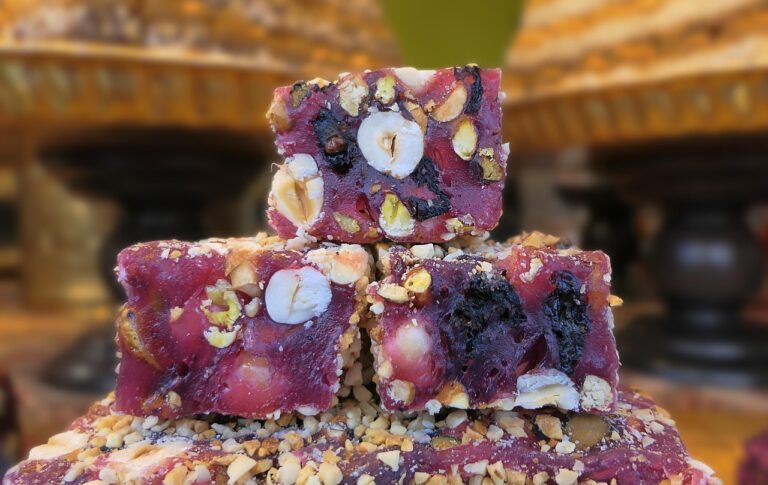
The History Behind Turkish Delight (Lokum)
Turkish delight has one of the most charming origin stories in the world of sweets, and a history that stretches from the…

The Ultimate Guide to Kumpir (Stuffed Baked Potato)
Kumpir is Turkey's answer to the loaded baked potato, and it is one of the country's most beloved street foods.

How to Make Authentic Turkish Breakfast (Kahvalti) at Home
You do not need a Turkish address to eat a proper kahvalti.

Where to Find the Best Ayran in Turkey
Ayran is everywhere in Turkey, but not every glass is equal.
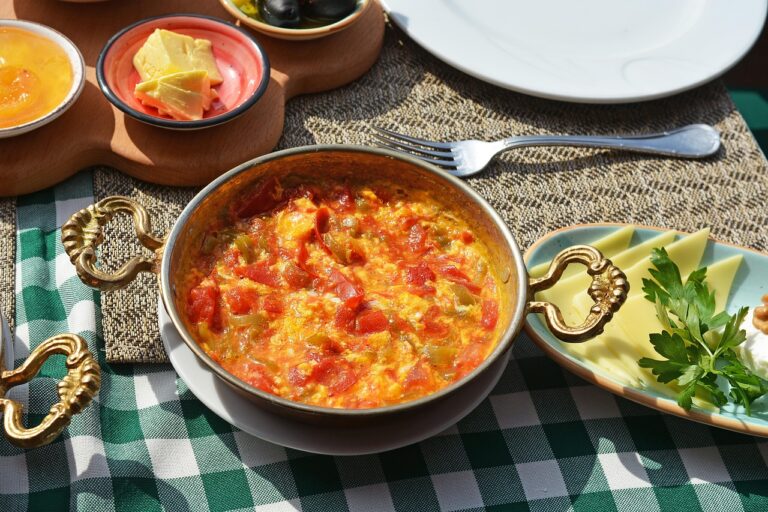
The Ultimate Guide to Menemen
Menemen is the soul of the Turkish breakfast table, a simple dish of eggs, tomatoes, and peppers simmered gently in olive oil…