Sisli is the shopping capital of Istanbul — the district where the city’s commerce lives. The boutiques of Nişantaşı and the malls of the center, the ateliers of Osmanbey and the markets of the quarters, the designer labels and the Turkish brands, the fashion and the food, the gifts and the keepsakes: the district covers the full range of the city’s shopping, from the window of Abdi İpekçi to the fabric stalls of the trade. This guide covers what to buy in Sisli — the best of the district’s commerce, quarter by quarter, and the purchases worth making.
The Fashion: The Boutiques of Nişantaşı
The fashion of Nişantaşı is the district’s great shopping draw — and the reason most visitors come. The boutiques of the quarter carry the full range of the city’s style: the international labels of the main streets, the Turkish designers of the side streets, the ateliers and the showrooms of the city’s own fashion industry. Abdi İpekçi — the fashion street of the city — is the essential walk: the windows of the labels, the crowds of the style, the street where the city’s fashion is made and displayed. The purchases of Nişantaşı are the purchases of style: the designer pieces, the Turkish brands, the accessories and the shoes of the city’s finest shops. The prices are the city’s top, and the quality and the service match them — the fashion of Nişantaşı is the district’s signature purchase.
The Malls: The Centers of the District
The malls of Sisli are among the largest in Europe, and they cover the shopping the boutiques do not. Cevahir — the great center of the district — carries the full range: the international chains, the Turkish brands, the department stores, the electronics, the home goods, the food court and the cinemas. The other centers of the hills — the malls of the district’s quarters — offer the same formula in smaller packages. The malls are the practical shopping of the district: the mid-range brands at the fixed prices, the department store convenience, the one-stop days. The purchases of the malls are the purchases of daily life: the clothes, the shoes, the electronics, the gifts — the modern commerce of the city at its most complete.

The Ateliers: The Trade of Osmanbey
Osmanbey — the working side of the fashion district — is the hidden commerce of Turkish fashion: the streets of the garment trade where the city’s clothing is designed, cut, and sewn. The ateliers and the showrooms of the quarter sell to the trade, and the prices are the trade’s prices — a fraction of the boutique cost for the same garments. The fabrics are the quarter’s other commerce: the rolls of cloth in the doorways, the silks and the cottons and the wools of the trade at the trade’s prices. The purchases of Osmanbey are the purchases of the insider: the made-in-Turkey garments at the source, the fabrics by the meter, the city’s fashion industry at its most direct. It is the shopping secret of the district, and the traveler who knows it buys the fashion of the city at the price the trade pays.
The Food: The Edible Gifts
The food of Sisli is the edible gift, and the district’s patisseries and its shops cover the sweet commerce of the city. The baklava of the good houses — the layered pastry of the pistachio and the syrup — is the classic purchase: the boxes of the district’s patisseries, packed for the journey, the sweet of the city at its best. The lokum — the Turkish delight of the confectioners — is the other classic: the boxes of the rose and the pistachio, the gift of the city. The Turkish coffee and the tea of the good shops — the beans and the leaves, the brewing sets and the cups — are the practical gifts: the daily ritual of the city, packed for home. And the seasonal sweets — the baklava of the holidays, the special boxes of the season — are the festive purchases. The food of Sisli is the gift that everyone uses, and the patisseries of the district do it beautifully.

The Crafts: The Keepsakes of the City
The crafts of Sisli are the keepsakes — the small purchases that carry the city home. The textiles of the quarter’s shops — the towels, the scarves, the throws of the good cotton — are the practical keepsakes: the quality of the Turkish textiles at the district’s prices. The ceramics and the copper of the city’s craft shops — the plates, the bowls, the coffee sets — are the lasting keepsakes: the pieces of the traditional craft, chosen in the district’s shops. And the books — the bookshops of the district, the English and the Turkish titles of the city’s life — are the intellectual keepsakes. The crafts of Sisli are the shopping of memory: the pieces that keep the trip on the shelf, chosen in the shops of the modern district.
The Strategy: How to Shop the District
The strategy of shopping Sisli is the strategy of its quarters. Start in Osmanbey for the trade prices and the fabrics — the insider’s first stop, the fashion at the source. Move to Nişantaşı for the boutiques and the fashion street — the style of the city, the windows of Abdi İpekçi, the purchases of the labels and the designers. Take the malls for the mid-range and the practical — the chains, the department stores, the one-stop days of the center. And finish in the patisseries for the edible gifts — the baklava and the lokum, the boxes packed for the journey. The strategy covers the range: the trade, the style, the practical, and the sweet — the shopping of the district whole, quarter by quarter.

The Practical Notes
A few things make the shopping smooth. The card and the cash: the malls and the boutiques take the cards, while the ateliers and the markets prefer the cash — carry both. The bargaining is quarter-specific: the malls and the boutiques are fixed-price; the ateliers and the markets of the trade have room — know which is which. The tax-free forms: the shops of the district issue the tax-free paperwork for the purchases above the threshold — ask at the counter, and claim at the airport. The packing: ask the shops to wrap the breakables for the journey, and carry the delicate pieces in the hand luggage. And the hours: the fashion quarter opens late and runs late, while the trade of Osmanbey keeps the working hours — plan the day around the quarters’ rhythms.
The Shopping Day, Planned
A sample day shows how the quarters fit together. Morning: start at Osmanbey — the trade of the fashion district at its working hours: the ateliers and the showrooms, the fabrics in the doorways, the insider’s prices before the boutiques open. Midday: the malls of the center for the practical shopping — the chains and the department stores, the lunch at the food court. Afternoon: the fashion of Nişantaşı — the windows of Abdi İpekçi, the boutiques and the Turkish designers, the shopping streets at their liveliest. Evening: the patisseries for the edible gifts — the baklava and the lokum, the boxes packed for the journey. The day is the shopping of the district whole, quarter by quarter, and the traveler who walks it in order gets the range: the trade, the practical, the style, and the sweet — the commerce of the modern city from the source to the box, in a single day of the district’s shopping.

The Takeaway
The shopping of Sisli is the commerce of modern Istanbul in its full range — the fashion of Nişantaşı and the trade of Osmanbey, the malls and the ateliers, the edible gifts and the keepsakes of the craft shops. Shop it the way the district works: the trade prices first, the fashion street second, the malls for the practical, and the patisseries for the sweet. It is the shopping of the city’s capital — the labels and the fabrics, the boxes and the bags — and the traveler who shops the quarters whole takes home the modern Istanbul: the style of the city, packed for the journey.
Frequently asked questions
What is the best thing to buy in Sisli?
The fashion — the boutiques of Nişantaşı and the trade prices of Osmanbey are the district’s signature commerce, and the made-in-Turkey garments are the insider’s purchase.
Where are the best prices?
The ateliers and the trade shops of Osmanbey — the same garments as the boutiques at a fraction of the price.
Can I bargain?
In the ateliers and the markets, yes; in the malls and the boutiques, no — the fixed prices of the modern commerce hold.
What is the best gift to take home?
The edible gifts — the baklava and the lokum of the patisseries, packed for the journey — the sweets everyone uses.
Is the tax-free shopping worth it?
Yes — the shops of the district issue the paperwork for the purchases above the threshold, and the refund at the airport is real money.

All Over Information
The All Over Information editorial team researches and writes practical English-language guides to Turkey. Facts are checked against official and local sources before publication, prices are published as dated ranges rather than quotes, and guides are revised when things change. We accept no sponsored posts, paid placements or paid links.
More guides like this

Family-Friendly Activities in Sisli
Sisli is a family district — safe, easy, and full of the things children actually enjoy.
A First-Timer’s Guide to Sisli
Sisli is the Istanbul that most first-time visitors never plan to see — and the one they should.
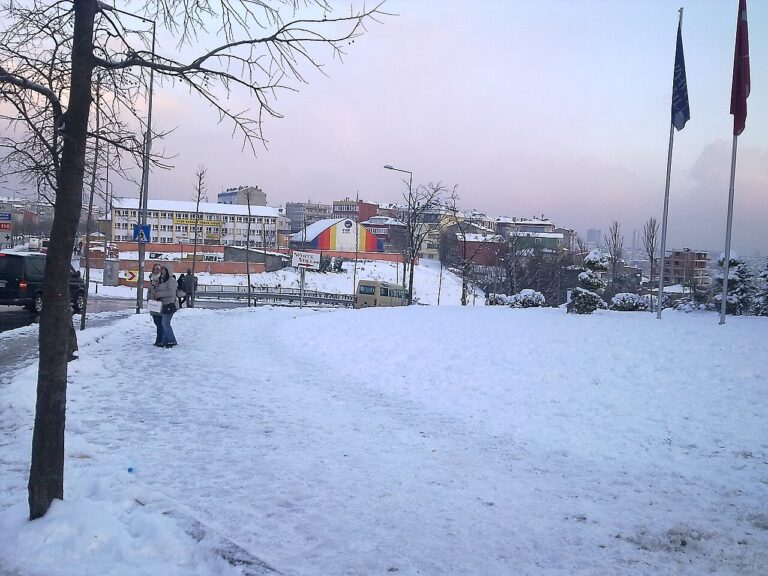
Sisli in Winter: What to Expect
Winter changes Sisli the way it changes every city, but the district takes the season better than most.

How to Get to Sisli from Istanbul
Sisli sits at the heart of Istanbul's modern transport network — the metro lines, the bus routes, and the airport connections all…

A Solo Traveler’s Guide to Sisli
Sisli is one of the best districts in Istanbul for the solo traveler — safe, easy, and sociable, with the metro at…

Top 10 Things to Do in Sisli
Sisli is the modern heart of Istanbul — the district of the avenues and the boutiques, the towers and the malls, the…