Shopping in Besiktas is a different experience from the tourist bazaars of the old city — and a better one. The Grand Bazaar sells to visitors; Besiktas sells to itself. The district’s shops are real places with regular customers, which means the prices are honest, the quality is the quality the locals accept, and the things worth buying are the things Istanbul actually uses. From the fish market’s edible souvenirs to the football club’s famous colors, the boutiques of the center, and the village markets of the coast, this guide covers what to buy in Besiktas and where to find it.
The Fish Market: Food Souvenirs That Get Used
The Balık Pazarı is the foundation of Besiktas shopping, and its edible souvenirs are the ones that actually end up on your kitchen counter at home. The food of the market travels beautifully: the spices — the pul biber, the sumac, the oregano — the dried fruit and the halva, the honey, the olives and the cheeses (ask for the pasteurized versions for the flight home). The market’s strength is the freshness and the local price: the same items that cost a fortune in the tourist bazaars are priced here for the residents. The sellers are generous with the tasting — the cheese, the olives, the halva — and the market’s edible buys are the souvenir that does not end up in a drawer. Buy small, taste freely, and let the sellers steer you to what they themselves eat.

The Football Shop: The Black-and-White of the District
Besiktas JK is the district’s true identity, and its merchandise is the neighborhood’s signature purchase. The club shops — the big one at the stadium, the smaller outlets in the center — sell the black-and-white jerseys, the scarves, the caps, and the memorabilia of the Black Eagles, and the buy is more than a souvenir: it is the uniform of the neighborhood, worn by locals and visitors alike. The scarves are the classic purchase — the black-and-white woven or knitted versions, the match-day specials — and the club shop at the Vodafone Park stadium, on the water, is an experience in itself, with the museum and the stadium views nearby. Even the non-fan leaves with something — the black-and-white is the most wearable fashion in the district.

The Center and the Çarşı: The Everyday Finds
The streets around the terminal and the market hold the district’s everyday shopping: the tea shops selling the black tea of the Black Sea coast and the tulip glasses to drink it from; the kitchen shops with the copper pots and the Turkish coffee pots (cezve); the spice merchants with their walls of paprika and pepper pastes; the pharmacies and the small markets where the residents actually shop. The souvenir rule of Besiktas is the district’s rule: if the shop has no English sign and no tourist menu, you have found the place worth buying from. The center is full of such shops — the tea, the copper, the spices, the everyday things of Turkish life — and they are the shopping that travelers remember.
The Villages: Ortakoy’s Market and the Bosphorus Crafts
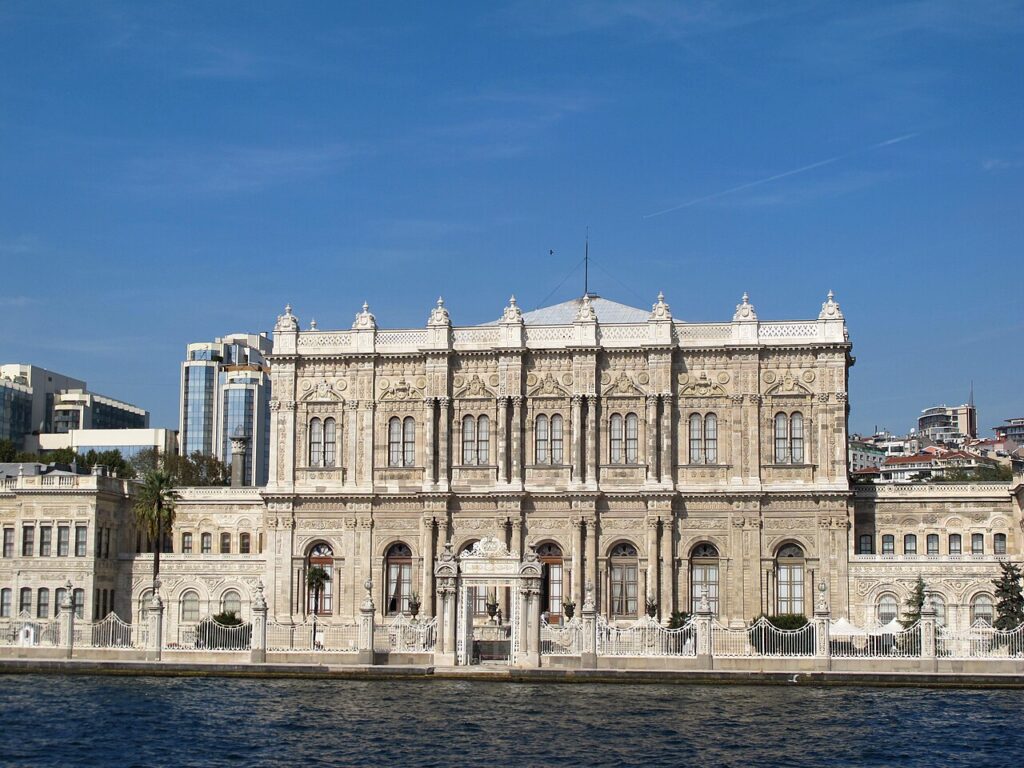
The villages north of Besiktas add the market layer of the district’s shopping. Ortakoy‘s weekend market fills the square under the bridge with the handmade goods and the antiques — the jewelry, the ceramics, the textiles, the secondhand treasures — and it is the most atmospheric shopping in the district, the crowd and the bridge and the water making the stalls an event. The village shops of Bebek and Arnavutkoy hold the craft layer: the ceramics, the textiles, the homewares of the Bosphorus life, at the prices of the old-money villages. The kilims and the hand-printed fabrics, the ceramics in the traditional patterns, the jewelry made by the local makers — the village shopping is the made-in-Istanbul layer, bought from the people who make it.

The Antiques and the Secondhand
Besiktas has a quiet secondhand culture that rewards the seeker. The antique shops and the secondhand dealers of the backstreets hold the old brass and the copper, the vintage ceramics, the Ottoman-era objects and the mid-century furniture that the city’s families have let go — at prices far below the old city’s antique dealers. The bookshops add the paper layer: the used books, the old maps, the local history. The finds are unpredictable — the good shops turn over constantly, and the best pieces are the ones that surface on the right day. The etiquette is the district’s: the prices are the prices, a friendly conversation is the tradition, and the hunt is the pleasure.
Where the Prices Stand
Honesty about prices: Besiktas is cheaper than the tourist bazaars on almost everything, but it is not a flea market. The fish market’s food is local-priced — excellent value but not free; the football merchandise is priced as the official goods they are; the village crafts are priced as the craft they are. The leverage is the absence of tourist markup: the same spices, tea, and copper that cost a fortune in the Grand Bazaar cost a fraction here, and the quality is the quality the locals accept. The other honest note is that bargaining, the bazaar’s national sport, is not the Besiktas way — the prices here are the prices, and the market’s fixed signs and the shops’ printed tags are the rule.
The Shopping Day, Planned
Morning at the fish market, tasting and filling a bag of edible souvenirs. Mid-morning: the center’s tea and spice shops, the copper and the cezve. Lunch: the köfte houses. Afternoon: the club shop at the stadium, then the village market at Ortakoy — the handmade and the antique under the bridge. Late afternoon: the antiques and the bookshops of the backstreets. The rule of the day is the rule of the district: shop where the locals shop, buy what they buy, and skip anything with a laminated price tag in three currencies. It is a rule that has never yet led a single traveler astray. Shopping in Besiktas is not an errand — it is the neighborhood’s most sociable afternoon activity, and the bag you carry home is the one that tells the story of the trip, in the things that will be used long after the trip is over.
Frequently asked questions
Is shopping cheaper in Besiktas than the Grand Bazaar?
Yes, on almost everything — no tourist markup, honest prices, and the same or better quality. The bazaar has the spectacle; Besiktas has the value.
Can I bargain in Besiktas?
Not as a rule — the prices are the prices in most shops. The village markets at Ortakoy tolerate a friendly haggle on the handmade and the antique.
What is the best souvenir to buy?
The food of the fish market — the spices, the honey, the halva — for the edible souvenir, and the black-and-white of the football club for the wearable one.
Do the shops take cards?
The sit-down shops and the club store do; the market stalls and the smallest shops prefer cash. Carry a mix.
Is the football merchandise worth buying?
Yes — it is the district’s true souvenir, the colors worn by the neighborhood itself, and the stadium shop is an experience.
How do I get the market’s food home?
The dry goods travel beautifully — the spices, the tea, the halva, the honey in sealed jars. Vacuum-seal or double-bag the olives and the cheeses for the flight, and keep the perishables in your carry-on if you can.
Is there a market day to aim for?
The fish market runs daily, at its best in the morning. The Ortakoy weekend market fills the square on Saturdays and Sundays — the handmade, the antique, and the crowd under the bridge.
What are the best things for small gifts?
The black-and-white scarves and the caps, the tea sets (tulip glasses and a cezve), the spices, and the small ceramics — all priced for locals, all wearable or useful.
Should I shop in the morning or the afternoon?
The morning is the best of both worlds — the fish market at its fullest and the light at its best for the textiles and the vintage. The afternoon suits the village markets, which build through the day.
Is there a flea market or antiques day?
The Ortakoy weekend market is the district’s antiques-and-handmade event, running through Saturdays and Sundays under the bridge — the most atmospheric shopping in the area, and the crowd is part of the pleasure.
How do I carry the breakables home?
Ask the shops to wrap them well — the ceramics and the glass from the village markets are traditionally packed for travel — and keep the delicate pieces in your carry-on for the flight home.

All Over Information
The All Over Information editorial team researches and writes practical English-language guides to Turkey. Facts are checked against official and local sources before publication, prices are published as dated ranges rather than quotes, and guides are revised when things change. We accept no sponsored posts, paid placements or paid links.
More guides like this
Top 10 Things to Do in Besiktas
Besiktas is the Bosphorus neighborhood that has everything: a world-class palace, a legendary football culture, a fish market that feeds the district's…

Where to Stay in Besiktas: Neighborhood Guide
Besiktas is one of the best bases in Istanbul for the traveler who wants the water, the food, and the real city…

A Foodie’s Guide to Besiktas
Besiktas is the neighborhood where Istanbul's food culture is at its most honest — and its most delicious.

Besiktas Airport and Transport Guide
Besiktas is one of the best-connected neighborhoods in Istanbul, and its transport is part of why travelers choose to base themselves on…

History and Culture of Besiktas
Besiktas is a neighborhood whose history is written on its waterfront.

Best Local Restaurants in Besiktas
Besiktas is the neighborhood where Istanbul eats well without ceremony.