Besiktas is a photographer’s neighborhood, and it offers a rare combination: one of the great palaces of the world, a waterfront that runs the length of the district, a football stadium on the sea, and the Bosphorus itself as the constant subject. The photography here is the photography of water and light — the ferries crossing, the palace glowing, the bridge spanning the strait — and it rewards the walker with the camera ready. This guide maps the essential photography spots of Besiktas, from the classic panoramas to the details that reward a second look.
The Waterfront at Sunset: The Essential Shot
Every photographer’s Besiktas starts on the waterfront. The promenade from the ferry terminal south past the palace, looking across the strait toward the Asian shore, is the district’s signature view: the ferries crossing in every direction, the Maiden’s Tower and the Uskudar minarets beyond, and at sunset a sky that turns copper and rose behind the water. The light is the magic hour of the whole trip — the last twenty minutes before the sun drops behind the hills. The classic compositions: the ferry passing in front of the palace, the fishermen on the seawall with their rods, the silhouetted figures on the benches, the gulls. Come early on busy evenings, bring a telephoto for the Asian shore, and stay after the sun goes down — the city lights flickering across the water are a second show.

The Dolmabahce Palace: The Monument in Every Light
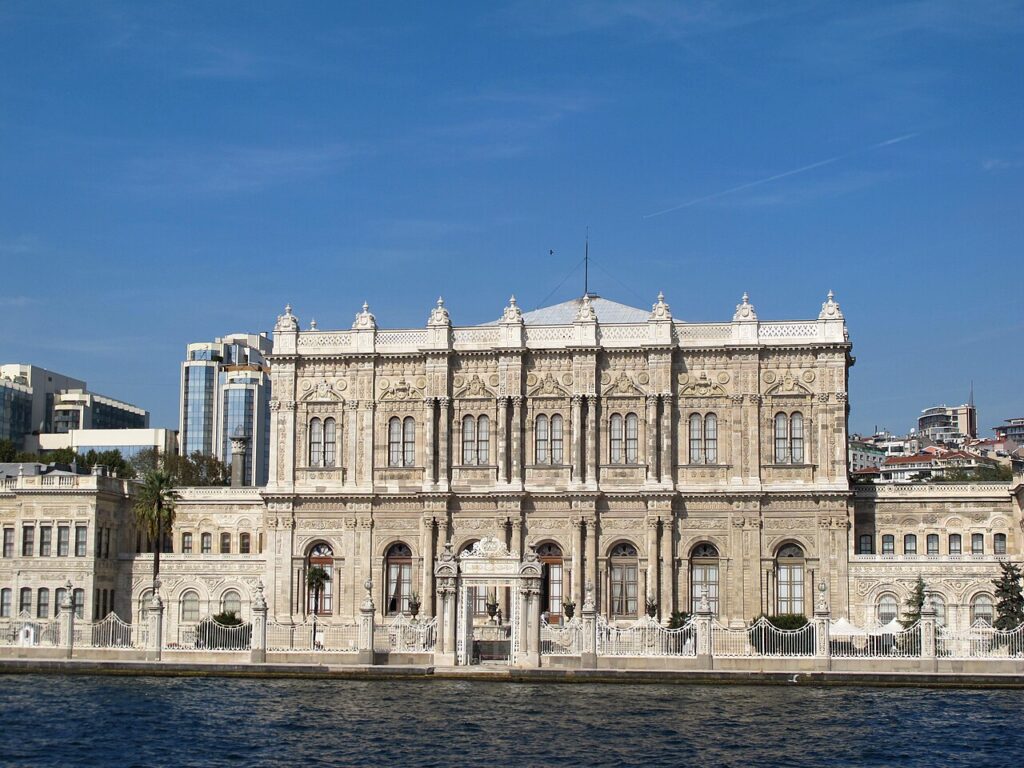
The palace is the district’s great subject, and it photographs in every light. The marble facade along the water — the columns, the clock tower, the delicate mosque at its southern end — is the classic frame, best in the low light of the morning and the late afternoon, when the white stone warms against the blue water. The details reward the close look: the ironwork of the gates, the carvings of the waterfront wall, the clock tower’s face. The ferry approaches give the distance shots — the palace sliding past from the water, the whole composition with the bridge behind. And the night version is the hidden prize: the floodlit marble against the dark water, the reflection stretching across the strait. The palace is the monument that never tires the photographer.

The Ferry: The Moving Viewpoint
The ferries are the district’s great photographic gift — a rolling platform with the palace, the bridge, and the two shores as the backdrop. The crossings to Kadikoy and Uskudar give you the approach shots: the Besiktas waterfront receding or filling the frame, the ferries crossing in the lanes, the wake splitting the water. The upper open deck is the place to be — the wind, the spray, the gulls, and the light on the water. The classic Besiktas ferry photograph is the one taken from the bow as the boat closes on the terminal, the palace and the stadium lining up behind it. And the sunset ferry — the boats are the ideal foreground for the sinking sun. The ferries are also the way to photograph the district as a whole: the crossing out gives you the coast as a panorama.
The Stadium: The Modern Monument
The Vodafone Park stadium is the district’s other landmark, and it is one of the most photogenic football grounds in the world — a glass-walled bowl sitting literally on the Bosphorus shore. The exterior photographs are the strong ones: the glass facade catching the light, the stadium glowing over the water on match evenings, the black-and-white crowds spilling through the streets on fixture nights. The match-day photography is the rich version — the colors, the flags, the chants, the floodlights — and the quiet-day version has its own geometry: the curves of the bowl, the reflections, the lone fan at the gate. The stadium’s position, unique among the world’s great grounds, makes every angle a composition.

The Hills: The Elevated Panorama
The hills that climb behind the center hold the district’s best-kept photographic secret: the elevated views back down over the Bosphorus. The streets above the terminal open onto panoramas that the waterfront cannot give you — the whole strait laid out, the bridge and the Asian shore beyond, the ferries crossing below, the palace and the stadium in their setting. The views are free, the climb is steep but short, and the late-afternoon light is the magic hour. The Yıldız Park, on the hill above the palace, adds the green layer: the groves, the ponds, the peacocks, and the hilltop terraces with the Bosphorus beyond the trees. The rooftop terraces of the hill restaurants and the tea gardens are the civilized version of the same obsession.
The Villages: Ortakoy, Bebek, and the Coast North
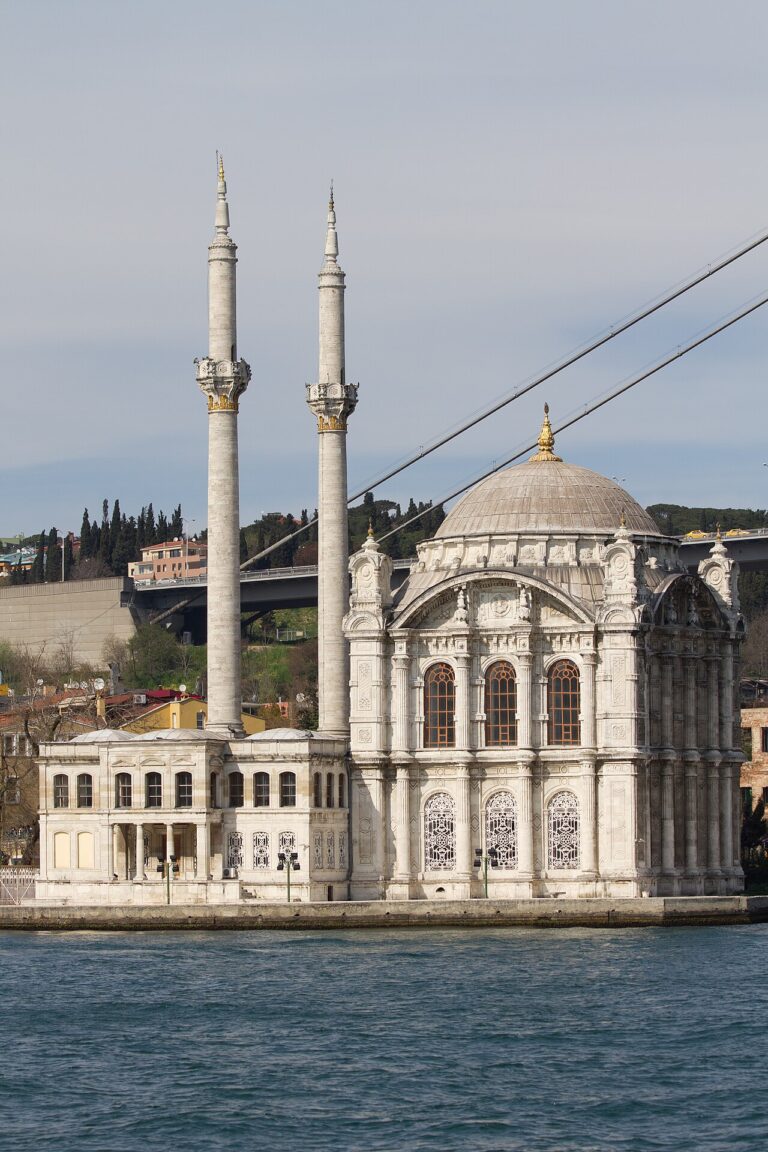
The villages north of Besiktas extend the district’s photographic map. Ortakoy, ten minutes up the coast, is the postcard version: the mosque at the water’s edge, the Bosphorus Bridge arching overhead, the weekend market filling the square — the most photographed village in the city, and the shots are earned. Bebek and Arnavutkoy hold the yalıs — the great waterside mansions of the Bosphorus — and the coastal promenade between the villages is a continuous gallery of waterfront life: the boats, the terraces, the light on the water at every hour. The villages photograph best in the long summer evenings and in the golden autumn light, and the coastal walk between them is the district’s hidden photographic itinerary.
The Details and the Night
The last photography of Besiktas is the photography of details, and the district is full of them: the black-and-white of the football everywhere — the flags, the graffiti, the scarves; the fish market’s silver and its stallholders; the tea glasses and the backgammon boards of the cafes; the cats of the waterfront; the ferries’ lines and the ropes on the piers. And then there is the night: after the crowds go home, the waterfront turns dark and reflective — the palace floodlit, the bridge strung with lights, the ferries as light trails across the water, the reflection of the city in the dark strait. The night photography of Besiktas is the district’s last secret, and the one its photographers keep for themselves.
The Photography Day, Planned
Sunrise, if you can manage it: the waterfront empty, the light low and long, the palace waking. Morning: the palace in the low light, the details of the gates. Midday: the stadium’s geometry, the market’s life. Late afternoon: the hills for the panorama, the Yıldız Park. Sunset: the waterfront, the essential shot. Night: the palace floodlit, the ferries as light trails. The camera kit is simple — a mid-range zoom covers the day, a telephoto for the Asian shore and the bridge, a tripod for the night — and the district provides the rest. Besiktas does not need a map of viewpoints; it needs to be walked, with the camera ready, and the shots will find themselves.
Frequently asked questions
What is the best time for the sunset shots?
The last twenty minutes before the sun drops behind the hills — roughly an hour before sunset in summer, earlier in winter. The city lights after dark are the second act.
Do I need a tripod?
For the night shots, yes — the waterfront after dark rewards long exposures. Everything else is hand-holdable.
Can I photograph the palace freely?
The exterior and the grounds, yes; the interiors have the standard no-flash museum rules. The best exterior light is the morning and the late afternoon.
Where is the best elevated view?
The hills behind the center for the district-level panorama, and the Yıldız Park’s terraces for the green version.
Is the stadium worth photographing on a quiet day?
Yes — the glass bowl’s geometry and its reflection on the water make every angle a composition, even with no crowd.
What lens should I bring?
A mid-range zoom covers the day; a telephoto reaches the Asian shore, the bridge, and the palace details; and a tripod is the tool for the night shots on the waterfront.
Are there restrictions on photographing the palace?
The exterior and the grounds are free; the interiors have the standard no-flash museum rules. The best exterior light is the morning and the late afternoon.
What is the quietest time for people-free shots?
The weekday mornings — the waterfront empties, the light is low and long, and the fishermen on the seawall give you the classic frames without the crowds.
Are the villages worth the walk for photography?
Yes — the coastal walk from Besiktas through Ortakoy to Bebek is a continuous gallery: the mosque under the bridge, the yalıs, the light on the water at every hour, best in the long summer evenings.
Can I photograph the football crowds?
Yes — the match-day streets are full of willing subjects and color, and the pre-match bars and the floodlit stadium are the rich material. A telephoto helps from the streets around the stadium.

All Over Information
The All Over Information editorial team researches and writes practical English-language guides to Turkey. Facts are checked against official and local sources before publication, prices are published as dated ranges rather than quotes, and guides are revised when things change. We accept no sponsored posts, paid placements or paid links.
More guides like this


48 Hours in Besiktas: The Perfect Itinerary
Besiktas is the neighborhood that rewards a weekend.
Top 10 Things to Do in Besiktas
Besiktas is the Bosphorus neighborhood that has everything: a world-class palace, a legendary football culture, a fish market that feeds the district's…

Besiktas Airport and Transport Guide
Besiktas is one of the best-connected neighborhoods in Istanbul, and its transport is part of why travelers choose to base themselves on…

Best Time of Year to Visit Besiktas
Every season in Besiktas has its own character, and the honest truth about the district's climate is that it has no bad…

The Best Day Trips from Besiktas
Besiktas sits at the heart of the Bosphorus, which makes it one of the best launch points in Istanbul for day trips.