Some dishes are meals, and some are conversations, and dolma belongs to the second kind. The small, neat rolls of stuffed grape leaves are made by hand, in company, and they carry the values of Turkish culture in every fold: patience, generosity, and the belief that food made with care is food made with love. To eat dolma in Turkey is to taste the culture itself, one fragrant roll at a time, and this guide explains the dish and the world that rolls it.
The Dish of Many Hands
Dolma is rarely made alone. The rolling of the leaves is the kind of work that gathers people: the grandmother takes the first leaf, the daughter and the son join in, and the conversation carries the afternoon along with the rice.
The dish is therefore part of how Turkish families spend time together. The kitchen becomes the gathering place, the hands work in rhythm, and the finished pot is the physical proof of a shared afternoon.
This social origin shapes the food itself. Because dolma is made for many hands and many mouths, it is made generously, and the small, careful rolls are a gift of attention from every person at the table. The pot is measured by how many it will feed, and the measure always runs a little generous, because the worst outcome in a Turkish kitchen is a guest who leaves hungry.
A Food of Seasons and Patience
Dolma belongs to the calendar. The spring brings the fresh grape leaves, young and tender, and the cooks who have waited all winter for the season move quickly while the leaves are at their best.
The preserved leaves of the other seasons carry their own character, and the handling of them, the rinsing, the blanching, the softening, is a skill that marks the experienced cook. The patience of the preparation is part of the dish’s meaning.
The cooking continues the theme. Dolma are cooked slowly, covered, and they rest before serving, because the flavors need time to settle into each other. In a culture that values the unhurried table, dolma is a dish made to the same rhythm.

The Meaning of the Olive Oil Family
The zeytinyağlı dolma, the olive oil version, is more than a recipe; it is a statement of a way of eating. The oil, the herbs, the lemon, and the serving at room temperature belong to the Mediterranean table, where vegetables and olive oil are the center of the meal.
The olive oil dolma is the everyday elegant dish, served as a meze, offered to guests, and present at every breakfast spread worth its name. It is also the dish of the Aegean, where the olive groves supply the oil that defines the regional cooking.
To eat the olive oil dolma is to understand the Turkish relationship with the vegetable world: respectful, seasonal, and generous, with the oil used freely and the herbs used proudly. The dish also shows the Turkish talent for making much of little, turning simple rice, leaves, and oil into something that tastes like a celebration.
The Meat Family and the Celebration Table
The etli dolma, the meat version, belongs to a different register. Filled with rice and minced lamb, cooked with butter, and served hot, it is the festive dish of weddings, holidays, and family gatherings.
The meat dolma is substantial in a way the olive oil version is not, and its arrival at the table marks the meal as an occasion. The pot is the centerpiece, and the first serving goes to the guest of honor.
The two families of dolma, the everyday and the festive, the cold and the hot, together express a complete culture of cooking: the same idea, rolled in the same way, adjusted to the moment and the meaning of the meal.
Dolma and the Art of Hospitality
Hospitality in Turkey is measured in effort, and dolma is effort made visible. The dish takes time, hands, and care, and offering it is a way of saying that the guest was worth the work.
The serving continues the message. The dolma are arranged on the plate, the lemon is cut and placed beside them, and the host watches to make sure the plate is not empty. The small details are the language of the welcome.
The guest’s part is equally clear: eat, compliment, and accept more. Refusing the second serving too firmly is a small mistake, and accepting it with pleasure is the correct answer to the hospitality the dolma represents.
The Generations at the Rolling Table
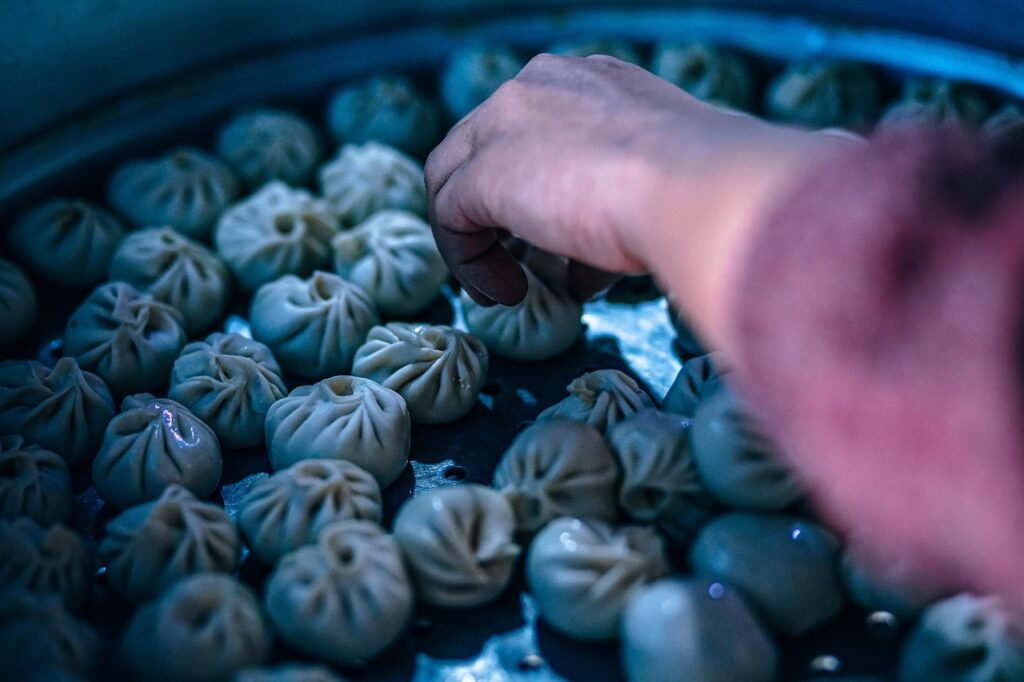
Dolma is a dish of transmission. The technique of the roll, the proportions of the filling, and the family’s particular preferences pass from grandmother to mother to daughter and son, and the dish carries the family’s history inside its leaves.
The passing of the skill is informal and constant. A child is given a leaf and a spoonful of filling, the first rolls are misshapen and welcomed anyway, and the correction is gentle. By adulthood, the hands know the motion without thinking.
This inheritance is why no two family dolma are quite alike, and why the arguments about the proper version are so warm. The dish is a living record of each family’s taste, rolled fresh at every generation, and the grandmother’s version, remembered and described with reverence, sets the standard that every new cook measures against.
Dolma in the Rhythm of the Day
Dolma appears at different hours, serving different roles. The cold olive oil dolma are part of the great breakfast spreads, sitting beside the cheeses and the olives, ready for the morning table.
At lunch and dinner, the dolma appear as meze, as a light meal, or as the festive main dish, and in the meze houses the plate of dolma is a fixture of every table.
The dish also travels. Dolma are carried to picnics, to visits, and to work, because they are portable, keep well, and taste better the next day, which makes them the perfect food for the Turkish habit of sharing meals beyond the home. A tin of dolma arriving at a friend’s door says everything a long explanation would, and the friend who opens it understands the message immediately.
The Regional Voices of the Dish
Every region of Turkey speaks its own dialect of dolma. The Aegean rolls the olive oil versions, bright with lemon and dill; the southeast cooks the meat versions, rich with lamb; and the interior makes its own choices of rice and herbs.
The differences are small and fiercely defended. The size of the roll, the presence of currants, the pinch of spice, all of it is identity, and the traveler who listens will hear each region explain why its version is the true one.
The variety is the dish’s strength. Dolma is one idea expressed in many voices, and tasting across the country is a way of hearing the whole culture at once, from the lemon-bright rolls of the Aegean to the lamb-rich pots of the southeast, with the interpretations of every province in between.
What Dolma Says About Turkish Cooking
Dolma says that Turkish cooking values patience, because the rolling and the slow cooking cannot be hurried. It says it values generosity, because the rolls are small and numerous and made for sharing. And it says it values the hand, because the craft of the roll is the soul of the dish.
Dolma also says that Turkish cooking is seasonal and respectful of ingredients. The leaf is honored, the rice is seasoned to sing, and the oil and the lemon are used with intent rather than habit.
Finally, dolma says that food is a language. The dish speaks of care, of company, and of continuity, and the eater who understands the language will find the culture opening itself up, one small, neat roll at a time.
Tasting the Culture One Roll at a Time
The way to taste the culture is to eat the dish as it is eaten: slowly, with lemon, and with company. Start with the olive oil version, cold from the plate, and let the herbs and the oil do their quiet work.
Then try the meat version, hot from the pot, and notice how the same idea takes on a different weight, the festive register of the family table. Compare the versions you find in different cities, and listen to the stories that come with them, because every plate of dolma arrives with its own history attached.
By the end, you will have eaten more than rice and leaves. You will have shared in the patience, the generosity, and the memory of the Turkish kitchen, and the culture will taste, quite literally, delicious.
Frequently asked questions
Why is dolma so important in Turkish culture?
Dolma is a dish of gathering, patience, and transmission. It is rolled by many hands, passed down through generations, and offered as a gift of effort. Its two families, the cold olive oil version and the hot meat version, express the everyday and the festive sides of Turkish cooking, and its presence marks both the breakfast table and the celebration.
What does the word dolma mean?
Dolma comes from the Turkish verb meaning to fill, and it describes the whole family of stuffed foods, from grape leaves to peppers, tomatoes, and eggplants. The stuffed grape leaf is its most famous member, but the idea of filling a wrapper with a seasoned mixture runs through the entire family.
How should a visitor eat dolma properly?
Eat it with lemon, take your time, and accept the hospitality. The cold olive oil version is eaten at room temperature, often as part of a meze spread; the hot meat version is a main dish. Compliment the cook, accept the second serving, and let the meal stretch, which is exactly how the culture intends it.

All Over Information
The All Over Information editorial team researches and writes practical English-language guides to Turkey. Facts are checked against official and local sources before publication, prices are published as dated ranges rather than quotes, and guides are revised when things change. We accept no sponsored posts, paid placements or paid links.
More guides like this

Doner Kebab: A Taste of Turkish Culture
Doner kebab is not just a food in Turkey; it is an institution, a daily ritual, and a point of pride.
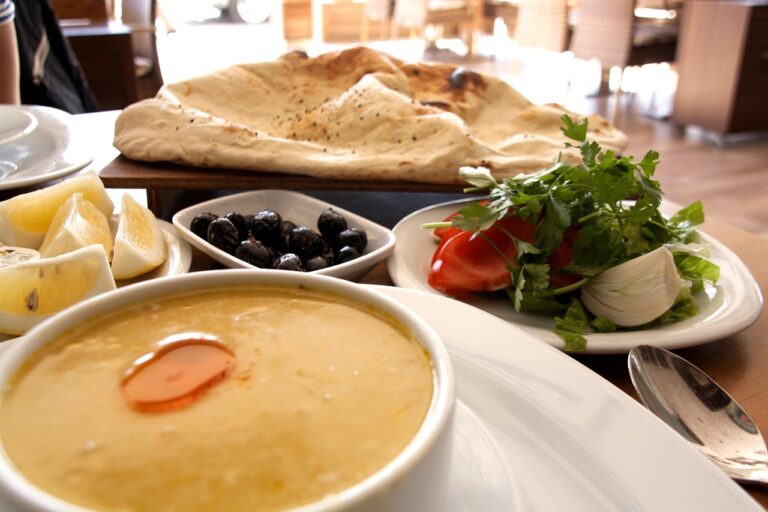
Turkish Breakfast (Kahvalti): A Taste of Turkish Culture
There is a moment in every Turkish breakfast when the table is fully loaded and the first tea is poured, and the…
The Ultimate Guide to Turkish Pilav
Pilav is the quiet backbone of the Turkish table. While the kebabs and the mezes get the attention, the bowl of perfectly…

The History Behind Cig Kofte
Every famous dish has a history, and cig kofte has one of the deepest in Turkish cooking.

Kebab Vs. International Variations: What Makes It Turkish
Walk down almost any street in Europe, the Middle East, or North America and you will find something calling itself kebab.

Where to Find the Best Borek in Turkey
Finding the best borek in Turkey is less about a specific address and more about knowing how the country works.