Iskender kebab is one of the most famous dishes of Turkish cuisine: a plate of thinly carved döner meat layered over toasted pide, crowned with tomato sauce and a torrent of melted butter. Most travelers know the taste, but few know the story behind the name. This article follows the dish from the döner spits of the Ottoman era to the Bursa restaurant where it was born, and tells the tale of the family that created it, the city that claims it, and the serving ceremony that made it famous across the world.
The Origins of Döner
Döner kebab, the rotating spit of stacked seasoned meat, has deep roots in Anatolia. The technique of roasting meat on a vertical spit developed in the towns of western Anatolia during the nineteenth century, when cooks sought a way to serve grilled meat quickly to busy urban crowds.
Bursa, an early Ottoman capital and a major trading city, was one of the places where this style of cooking took hold. The city’s butchers mastered the art of layering seasoned meat on a tall skewer, pressing it into a cylinder, and roasting it slowly as it turned before the fire.
The outer surface cooked and was shaved off in thin slices, and the process repeated all day long. This rotating roast became the foundation upon which Iskender kebab would later be built, and the skill of the carvers became a local point of pride. In the decades that followed, the method traveled from city to city along the trade routes, and every new kitchen added its own small twist to the seasoning or the cut of the meat. The basic idea, however, remained the same everywhere: a tall spit of meat turning before the flames, carved to order for every customer.
The Birth of Bursa’s Kebab
By the late nineteenth century, the döner of Bursa had become a local specialty in its own right. The kebab houses of the city served sliced roasted meat on bread with simple accompaniments to workers, merchants, and travelers.
The cook carved the meat with a long knife into paper-thin slices that fell onto the plate below, and this was the moment when the dish began to take its modern shape. Bursa’s version of döner was distinguished by the quality of its meat and by the skill of its carvers.
The city became known across the region for this craft, and a family of butchers would take the tradition one decisive step further. Their name would become the name of the dish itself, carried from Bursa to every corner of Turkey.

Iskender Efendi and His Father
The man behind the name was Iskender Efendi, a cook and butcher from Bursa who lived in the second half of the nineteenth century. Working alongside his father, he refined the döner of his hometown into something entirely new.
The family’s contribution was a matter of detail: better seasoning, a more careful stacking of the meat, and, above all, a new way of assembling the finished plate. Rather than serving the carved meat on plain bread, Iskender Efendi placed it over pieces of toasted pide.
The pide absorbed the juices of the meat, and the cook added a tomato-based sauce before finishing the plate with hot melted butter poured over everything at the moment of serving. The result was a dish richer and more dramatic than any döner served before it. The family did not rush the process. The meat was chosen carefully, the seasonings were balanced with restraint, and the cooking was watched closely from the first turn of the spit to the last drop of butter, so that every plate left the kitchen with the same confident quality.
The Name That Stuck
The new dish needed a name, and the family’s own name was the natural choice. In Bursa, the kebab came to be known simply as Iskender kebab, honoring the cook who created it.
Iskender is the Turkish form of the name Alexander, common in the city at the time, but for the kebab it became a brand long before the age of branding. As the dish grew famous, the name carried the story of its inventor with it.
Restaurants that served the dish proudly claimed a connection to the original family, and the tradition kept the memory of the cook alive. Even today, when you order Iskender kebab in Turkey, you are speaking the name of a real historical figure from Bursa.

The Legacy of the Family
The descendants of Iskender Efendi continued the business, and the family became the guardians of the dish. Generation after generation, the restaurants run by the family served the kebab in the old way, and their name became a guarantee of quality in Bursa.
The family’s houses were among the first places where travelers came specifically to taste the famous dish, and the reputation of the family grew with the reputation of the kebab. This continuity is rare in the world of food.
Iskender kebab gained a lineage that few dishes can match, and the story of a single family and a single city is written into every serving. The keepers of the recipe have always treated the dish as an inheritance to protect and pass on. Apprentices were trained in the same careful way, and the standards of the house were taught rather than improvised, which is why the dish stayed so consistent through the generations.
The Rise of a National Dish
For many decades Iskender kebab remained a specialty of Bursa, known to those who visited the city but unknown beyond it. In the twentieth century, that began to change as Turkey modernized and its cities grew.
The kebab houses of Istanbul and other major centers began to offer Iskender on their menus, and travelers returning from Bursa spread the word. The dish’s theatrical serving style made it memorable, and its rich combination of meat, bread, sauce, and butter made it a favorite for special occasions.
Restaurants across the country adopted the recipe, and the name Iskender kebab became a standard item on menus everywhere. A local specialty had become a national classic in the space of a few decades.

The Ceremony of Serving
Part of the appeal of Iskender kebab has always been the way it is served. In the classic Bursa style, the plate arrives with the pide cut into pieces and the carved meat layered on top, with tomato sauce spooned across and a pool of yogurt at the side.
Then comes the final act. A small metal vessel of sizzling butter is carried to the table, and the waiter pours it over the meat in a steady golden stream while the guest watches.
The butter hisses as it meets the hot meat, the steam rises, and the whole dish glistens. This pouring ritual is performed at the table, in front of the diner, and it has become as much a part of Iskender kebab as the taste itself. The ceremony also serves a practical purpose: the hot butter seals the plate, keeps the meat warm to the last bite, and carries the aroma of the roast across the table. It is theater and cooking at the same time.
Why Bursa Claims the Dish
Bursa has never let the world forget that Iskender kebab belongs to it. The city’s kebab houses, its food culture, and even its culinary festivals celebrate the dish as a local treasure, and the residents treat it with a pride that visitors find touching.
Eating Iskender in Bursa is understood as the authentic experience, and the city’s restaurants claim a direct line to the original recipe. This sense of ownership has protected the dish’s standards, because the people of Bursa know exactly how it should taste.
For the traveler, the result is simple: the best place to experience the history of Iskender kebab is still the city where it was created. The plate served there tells the whole story in a single serving.

The Spread Beyond Turkey
As Turkish cuisine traveled the world, Iskender kebab traveled with it. Turkish restaurants in Europe, the Middle East, and beyond began to offer the dish, and food lovers abroad discovered the drama of the butter-pouring ceremony.
International versions sometimes simplify the recipe, using ready-made döner and bottled sauce, but the essential structure of the dish survives the journey. The global fame of Iskender kebab has, in turn, strengthened its status at home.
Turks see their national dish celebrated abroad and return to the classic versions with renewed pride. The name Iskender has become one of the best-known words of Turkish cuisine around the world, spoken by chefs and travelers alike. Food writers regularly list Iskender kebab among the dishes every visitor to Turkey must try, and the plate with its butter vessel has become one of the most photographed meals in the country.
The Dish Today
Today Iskender kebab stands as one of the great monuments of Turkish cooking, a dish whose story is as rich as its flavor. The restaurants of Bursa still serve it with the old ceremony, and the family’s name still carries its honor.
New generations of cooks continue to refine the recipe, and the dish remains a favorite for celebrations, business meals, and family dinners across Turkey. Every plate of Iskender kebab carries a piece of this history.
From the döner spits of the Ottoman era to the invention of Iskender Efendi and the city that never forgot its most famous son, the dish is a century of Turkish culinary history in a single bite. When you taste it, you taste that story.
Frequently asked questions
Who invented Iskender kebab?
Iskender kebab was created by Iskender Efendi, a cook and butcher from the city of Bursa, in the late nineteenth century. Working with his father, he refined the local döner and assembled it with toasted pide, tomato sauce, and melted butter, creating the dish that now carries his name.
Why is Iskender kebab named Iskender?
The dish is named after its inventor, Iskender Efendi of Bursa. Iskender is the Turkish form of the name Alexander. As the kebab grew famous, the family name became attached to it, and today the name is inseparable from the dish and its story.
Where was Iskender kebab first served?
Iskender kebab was first served in Bursa, the northwestern Anatolian city that was an early capital of the Ottoman Empire. Bursa is still considered the dish’s true home, and its kebab houses continue the tradition of the original family recipe.

All Over Information
The All Over Information editorial team researches and writes practical English-language guides to Turkey. Facts are checked against official and local sources before publication, prices are published as dated ranges rather than quotes, and guides are revised when things change. We accept no sponsored posts, paid placements or paid links.
More guides like this

The Ultimate Guide to Midye Dolma (Stuffed Mussels)
Midye dolma, or stuffed mussels, is the great street food of the Turkish coast.

The Rise of Specialty Coffee in Istanbul
Istanbul has brewed coffee for five centuries, and it has just lived through its most exciting coffee decade.

How to Make Authentic Turkish Delight (Lokum) at Home
Making lokum at home is a small adventure in patience, but the reward is a tray of soft, fragrant Turkish delight that…
The History Behind Kunefe
Kunefe did not begin in Turkey, and it did not begin yesterday.

How to Make Authentic Turkish Soups (Corba) at Home
Turkish soups look simple, but their deep flavor comes from a few essential techniques that are easy to learn at home.
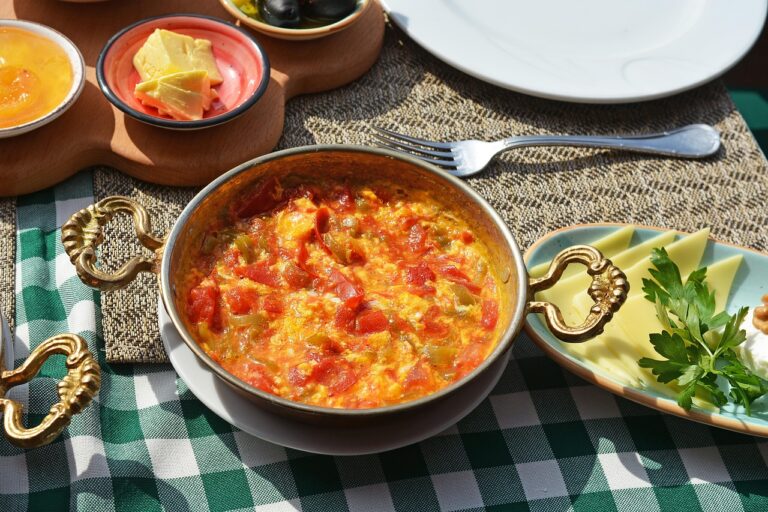
The Ultimate Guide to Menemen
Menemen is the soul of the Turkish breakfast table, a simple dish of eggs, tomatoes, and peppers simmered gently in olive oil…