Adana kebab is the most famous of all Turkish kebabs, a long, hand-pressed skewer of minced lamb, seasoned with hot red pepper, and grilled over charcoal until the outside is crusty and the inside is juicy. It is named after the city of Adana in southern Turkey, where it was perfected, and it is a dish of fierce pride and equally fierce heat. This guide covers everything you need to know: the meat, the seasoning, the fire, the ritual of the table, and how to order like a local.
What Is Adana Kebab
Adana kebab is a skewer of minced lamb, seasoned with isot, the dark, smoky red pepper of the region, and mixed with finely chopped tail fat. The mixture is kneaded thoroughly, pressed onto wide, flat metal skewers, and grilled over a charcoal fire.
The meat is the story. The best Adana kebab is made from hand-cut lamb, and the tail fat, added in precise proportion, is what gives the kebab its juiciness. The seasoning is simple but emphatic: salt, red pepper, and little else.
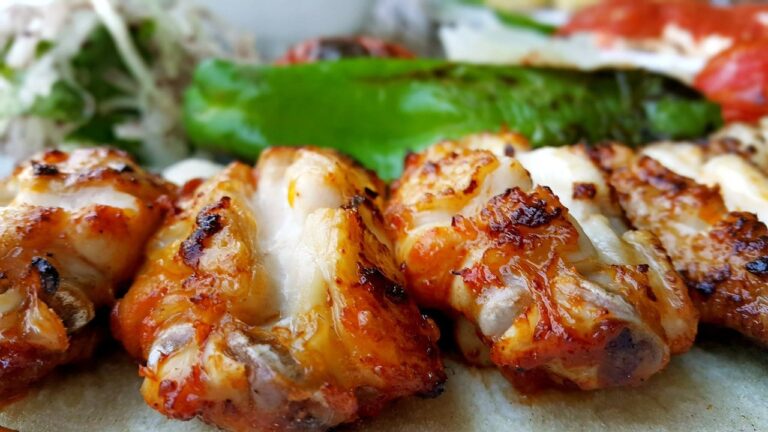
The kebab is served on the skewer or slid onto a bed of flatbread, with grilled tomato and pepper, onions, and a sprinkling of sumac. It is eaten with the hands, wrapped in the bread, and it is one of the great meat dishes of the world.
The Home of the Kebab
The city of Adana, in the hot plain of Cukurova, is the undisputed home of the kebab. The city’s kebab houses, many of them run by families for generations, have made the dish a symbol of the region and a point of civic pride.
Adana’s climate shaped the dish. The intense heat of the southern plain demands bold seasoning, and the isot pepper, grown in the region, provides the smoky depth that defines the kebab. The city’s butchers and grill masters have turned the simple skewer into a craft.
The people of Adana are serious about their kebab. There are debates about the correct proportion of fat, the right heat of the fire, and the proper thickness of the skewer, and every kebab house believes it has the answer.

The Meat
The meat is the foundation of Adana kebab, and the rules are strict. The kebab is made from lamb, specifically from young lamb, and the choice cuts are the leg and the shoulder. The meat must be fresh, and the best houses buy it daily.
The tail fat is the second essential ingredient. A lamb’s tail fat, called kuyruk yagi, is mixed into the minced meat in a careful proportion, usually around a fifth of the total weight. It melts during grilling and keeps the kebab moist and tender.
The meat is minced, not ground. The traditional method uses a hand-cranked mincer with a coarse plate, or even a heavy knife, so the texture of the meat is preserved. The mincing must be done carefully, because the fat and the meat must remain distinct.
Some kebab houses add a small amount of garlic or onion, but the purists of Adana use nothing but meat, fat, salt, and pepper.
The Isot Pepper
The signature seasoning of Adana kebab is isot, the dark, crumbled red pepper grown around Sanliurfa and the southeast. Unlike regular red pepper flakes, isot has a smoky, almost fruity depth, and it is less violently hot than its color suggests.
The isot is soaked briefly in a little warm water or oil before being mixed into the meat, which softens it and releases its flavor. It is used generously, and it gives the kebab its characteristic dark red color and its deep, layered heat.
The heat of Adana kebab is real but not brutal. It builds as you eat, warming the mouth rather than shocking it, and it is balanced by the sweetness of the grilled tomato and the cool of the onion and parsley salad.
True Adana kebab without isot is a contradiction in terms. The pepper is as essential to the dish as the lamb itself.

The Kneading
The kneading is where the kebab maker’s skill shows. The minced meat, fat, salt, and isot are combined and then worked by hand, slapped and folded repeatedly, until the mixture becomes sticky and cohesive.
The kneading develops the protein of the meat, creating a binding that holds the kebab together on the skewer and gives it a firm, sausage-like texture. A properly kneaded mixture is tacky to the touch and holds its shape when pressed.
The kneading takes time and strength. The mixture is picked up and thrown back into the bowl, folded over itself, and worked until it is smooth and elastic. This is physical work, and it is the reason the best kebab is made by hand.
The mixture is then covered and rested in the cold before being pressed onto the skewers, which firms it and makes the shaping easier.
The Skewers
The skewer is a tool with its own rules. Adana kebab is pressed onto wide, flat metal skewers, typically about three centimeters wide and a meter long, and the meat is shaped into a long, even band along the blade.
The shaping is done by hand, with the mixture pressed firmly onto the skewer so that it will not slip during grilling. The edges are smoothed and rounded, and the kebab is shaped so that it is slightly thicker in the middle.
The wide, flat skewer is essential. It holds the meat firmly, conducts heat evenly, and makes it possible to grill the kebab without the meat falling apart. Round skewers would not work for the soft, pressed mixture.
The filled skewers are rested briefly before hitting the fire, which helps the meat hold together during the intense heat of the grill.

The Fire
The fire is the final element of the craft. Adana kebab is grilled over charcoal, and the charcoal must be burned down to white-hot embers, with no open flame. The heat is intense, and the kebab cooks quickly.
The griller holds the skewer over the coals, turning it constantly, so that the meat cooks evenly and the outside browns without burning. The fat drips onto the coals, flares briefly, and adds the smoky flavor that no oven can reproduce.
The grilling is a matter of minutes. The kebab is cooked until the outside is crisp and charred in places, while the inside stays juicy and pink. The griller works by eye and by touch, and the timing is learned, not measured. The charcoal of the region, often made from the wood of local trees, adds its own subtle perfume to the meat, and the grill masters guard their charcoal suppliers as closely as their meat.
Some houses finish the kebab with a brush of butter or a splash of the pepper water, adding gloss and heat in the final seconds.
The Ritual of the Table
Adana kebab is served with ceremony. The skewer is brought to the table and the meat is slid onto a bed of warm flatbread, which soaks up the juices. Grilled tomato and green pepper, a pile of raw onion, and a scattering of parsley and sumac complete the plate.
The eating is hands-on. The bread is torn, the kebab is wrapped, and the onion is added along with a squeeze of lemon. The ritual is communal, with everyone at the table reaching for the same bread.
The traditional accompaniments are simple: a tomato and pepper salad, a yogurt drink called ayran, and for the brave, a glass of the strong local spirit. The combination of the hot kebab and the cold, salty ayran is one of the great pairings of Turkish food.
The meal is not rushed. The kebab is eaten slowly, wrapped in fresh bread, and the conversation runs as long as the meal. In the kebab houses of Adana, the evening often ends with the small sweet of the region and a final glass of tea, a closing ritual as fixed as the kebab itself.

Where to Eat It and How to Order
Adana kebab is served across Turkey, and the standard is high nearly everywhere, since the dish is taken seriously by its makers. In Adana itself, the kebab houses of the city are the benchmark, and the competition among them is fierce.
When you order, specify that you want Adana kebab, not a generic kebab. The portions are served by the skewer, and a single skewer is enough for most appetites, though the serious eaters order more.
Ask for it with the full plate: the grilled vegetables, the onions, the sumac, and the bread. The accompaniments are not optional extras; they are part of the balance of the dish.
If you find the heat intimidating, order a side of yogurt or ayran, and start with the milder end of the kebab. The heat builds, but the flavor rewards the brave.
Drinks and the End of the Meal
The drinks of the kebab table are as fixed as the kebab itself. Ayran, the cold, salty yogurt drink, is the essential companion, cutting through the richness and the heat with every swallow. The kebab houses serve it in tall glasses, and the regulars order it without being asked.
Some southern tables add the regional spirit, served in a small glass with water and ice, and the long evening of kebab and conversation follows the old rhythm. The spirit is strong, and the kebab is its proper partner, but the traveler should approach it with respect.
The meal ends with tea, brewed dark and served in the small tulip glasses of the Turkish table. The tea closes the ritual, and the conversation lingers over the empty skewers. The kebab is the center, but the table is the point.
Frequently asked questions
How spicy is Adana kebab?
Adana kebab has a genuine but balanced heat. The isot pepper provides a smoky warmth that builds as you eat, rather than a violent shock. The heat is tempered by the grilled tomato and pepper, the raw onion, and the yogurt-based sides. Most people find it enjoyable, but those with low tolerance should order ayran and proceed with respect.
What is the difference between Adana kebab and other kebabs?
Adana kebab is distinguished by its ingredients and its shape. It is made only from minced lamb with tail fat, seasoned with isot, and pressed onto wide, flat skewers. Unlike shish kebab, which uses cubed meat, or doner, which is roasted on a vertical spit, Adana is a grilled, hand-pressed kebab, and its heat and texture are unique.
Can I find good Adana kebab outside Adana?
Yes. The dish is served throughout Turkey, and the best kebab houses of Istanbul, Ankara, and the other big cities take it seriously, often importing their isot from the southeast. Quality varies, so look for kebab houses that are busy with local customers. The benchmark, however, remains the kebab of Adana itself.

All Over Information
The All Over Information editorial team researches and writes practical English-language guides to Turkey. Facts are checked against official and local sources before publication, prices are published as dated ranges rather than quotes, and guides are revised when things change. We accept no sponsored posts, paid placements or paid links.
More guides like this

The Ultimate Guide to Stuffed Grape Leaves (Dolma)
Dolma is one of the great dishes of Turkish cuisine, and its most famous form is the stuffed grape leaf: tender leaves…
Urfa Kebab: A Taste of Turkish Culture
Food is the quickest way into a culture, and in Şanlıurfa no dish opens more doors than the kebab that bears the…

The Ultimate Guide to Karniyarik
Karniyarik is one of the most loved home dishes of Turkey, a stuffed eggplant that carries the warmth of the family table…

Sutlac (Rice Pudding): A Taste of Turkish Culture
There are grander desserts in Turkey, and there are sweeter ones, but there is no dessert more beloved than sutlac.
Kebab: A Taste of Turkish Culture
Few foods say more about Turkey than kebab. It is the smoke that rises from a hundred thousand grills, the warmth of…

How to Make Authentic Urfa Kebab at Home
You do not need to travel to Şanlıurfa to taste its famous kebab, though you should certainly plan that trip too.