Manti are the tiny folded dumplings of Turkish cuisine: little parcels of thin dough wrapped around a spiced meat filling, boiled and served with a garlic yogurt sauce and a drizzle of tomato butter. They are small enough to eat twenty in a single serving, and they carry a reputation that has made the city of Kayseri famous. This guide covers everything you need to know about manti, from the dough and the folding to the sauces, the regional styles, and the best ways to enjoy them on your travels in Turkey.
What Is Manti?
Manti are Turkish dumplings, and their most striking feature is their size. Traditional manti are folded into small parcels, often no larger than a fingertip, and a single portion may hold twenty or thirty of them.
The classic filling is ground beef or lamb, seasoned with onion, salt, and black pepper. The dough is a simple mixture of flour, water, and egg, rolled thin, cut into small squares, and folded around the filling in a distinctive shape.
After folding, the manti are boiled until tender and then dressed with sauces. The word manti describes the dumplings themselves, and the whole dish, with its yogurt and its tomato butter, is understood as the complete Turkish experience. The name itself is ancient, and similar dumplings appear across Central Asia, which hints at the nomadic roots of the dish. In Turkey, however, manti have developed their own identity, and the small folded parcel with yogurt and tomato butter is recognized as a national classic.
The Ingredients
The ingredient list for manti is short and honest. The dough needs flour, water, salt, and eggs, and the eggs are what give the dough the strength to be rolled very thin without tearing.
The filling is ground meat, traditionally beef or lamb, mixed with finely chopped onion, salt, and black pepper. Some cooks add a little paprika or cumin, but the classic recipe keeps the seasoning simple so that the meat itself can be tasted.
The sauces complete the picture. Garlic yogurt, made by beating yogurt with crushed garlic and salt, is the essential partner, and a tomato butter, made by simmering tomato paste in butter, is spooned over the top before serving. That is the whole recipe: dough, meat, yogurt, and butter. The quality of the ingredients matters more than their number. Good flour makes a silky dough, fresh garlic makes a sharp yogurt sauce, and real butter makes the tomato sauce taste like a treat rather than a garnish. Turkish cooks often say that manti are only as good as their butter.
How Manti Are Made
Making manti is a craft that rewards patience. The dough is kneaded until smooth, rested, and then rolled out into a large, very thin sheet, sometimes using a long rolling pin on a low table.
The sheet is cut into small squares, and a tiny amount of the meat filling is placed in the center of each square. Then comes the folding, which gives manti their character.
Each square is folded and pinched so that the corners meet, often forming a small boat or a crescent with a pinched waist. The parcels are arranged on a floured tray without touching, ready for boiling, and the folding of dozens of tiny dumplings is the step that has made manti a dish of patience and skill. In the past, the folded manti were spread on trays and dried in the sun or stored in sacks, so that the winter months would always have a ready supply. Even now, when freezers make storage easy, the sight of a floured tray full of folded dumplings is one of the warmest images of a Turkish kitchen.
The Kayseri Tradition
No city is more closely associated with manti than Kayseri, in central Anatolia. The Kayseri style is famous for the smallness of the dumplings, and the local saying holds that a proper bride should fold manti so small that forty of them fit on a single spoon.
The Kayseri tradition treats manti as a test of skill and a mark of hospitality. Families gather to fold them together, and the folded dumplings are often dried and stored for the winter months.
When you visit Kayseri, you will find manti served with pride, dressed in the classic way with garlic yogurt and tomato butter, and the city’s restaurants treat the dish with the seriousness of a local treasure. The city even hosts discussions and competitions around the craft, and the smallness of the fold is still treated as the measure of a cook’s skill. For anyone interested in the deep roots of Turkish home cooking, Kayseri is the place to see manti treated with the respect they deserve.

Regional Variations
Manti vary across Turkey, and every region defends its own version. In Kayseri, the dumplings are tiny and the yogurt is generous. In the eastern provinces, manti may be larger and served with a spicier sauce.
In the Black Sea region, a version called hamsiköy mantisi is made with a richer filling and a heavier hand with butter, while some regions serve manti with melted butter alone and no yogurt at all.
Some cooks add chickpeas to the dish, others serve it with a sprinkling of dried mint or sumac. The variations are endless, but the heart of the dish remains the same everywhere: small parcels of dough and meat, dressed with yogurt and butter. On the Aegean coast, a lighter hand with the meat is common, and in the southeast, the spicing grows bolder. The traveler who samples manti in several regions will find each version a new conversation, and the differences are a friendly reminder that Turkish cuisine is a collection of regional voices.
The Sauces and Toppings
The sauce is what turns boiled dough into a memorable meal. The garlic yogurt is the foundation, thick, tangy, and cooling, and it is spread generously over the hot manti so that it warms slightly without cooking.
Over the yogurt comes the tomato butter, a spoonful of butter simmered with tomato paste until it turns a deep red, and the heat of the butter melts into the yogurt as it lands.
A final dusting of dried mint, paprika, or sumac gives color and aroma, and some cooks add a pinch of cayenne for heat. The layers are the point: hot and cold, rich and tangy, and the combination is what makes manti so moreish.

How Manti Are Served
Manti are served as a main course, and a portion is generous enough to count as a full meal. The boiled dumplings are piled in a shallow bowl or on a plate, and the yogurt is spooned over the top.
The tomato butter follows, poured in a spiral or a simple splash, and the garnishes come last. Traditionally, manti are eaten with a fork, and the small size of the dumplings means you can pick up several at once.
In many Turkish homes, manti are served as the centerpiece of a special meal, and the dish is often the first thing a young cook is taught to prepare. The serving ritual is simple, but the dish itself carries a weight of tradition.
Where to Eat Manti
The best manti in Turkey are found in Kayseri, where the dish is a point of civic pride, and in the cities of central and eastern Anatolia where the tradition runs deepest. The manti houses of Kayseri serve the classic version in its purest form.
Istanbul also has excellent manti restaurants, many of them run by families from Kayseri who brought the tradition to the big city. The manti of the eastern provinces, with their bolder flavors, are worth seeking out on any journey through that region.
Wherever you eat them, order the manti with yogurt and tomato butter, and if the restaurant offers a choice of size, choose the smallest, because the tiny dumplings are the mark of the true craft.

Manti in Turkish Culture
Manti hold a special place in Turkish culture as a food of family and celebration. The folding of manti is traditionally a communal task, with several hands working around one table, and the conversation that flows during the folding is as much a part of the tradition as the eating.
The dish appears at gatherings, holidays, and visits from relatives, and it is a favorite for cold winter evenings. The skill of folding tiny dumplings is passed from grandmothers to grandchildren, and the dish carries memories of home for many Turks.
For travelers, manti are a window into this domestic tradition. The dish shows how a simple combination of dough, meat, and yogurt can become the heart of a family’s kitchen, and eating it is a small share in that warmth.
Tips for Enjoying Manti
To enjoy manti at their best, follow a few simple rules. Eat them hot, because the yogurt and the butter are at their best the moment they meet the steaming dumplings.
Mix the yogurt into the first few bites so that every spoonful carries the garlic, and save the butter for the last bites, where it shines against the plain yogurt. Drink ayran, the salted yogurt drink, alongside, and finish with tea.
Do not be shy about asking for extra garlic or extra mint. The kitchen will be pleased, and the extra garnish is the difference between a good plate of manti and a great one.
Frequently asked questions
What are manti made of?
Manti are small dumplings made from a thin dough of flour, water, and egg, folded around a filling of ground beef or lamb seasoned with onion, salt, and pepper. They are boiled and served with garlic yogurt, tomato butter, and a sprinkle of dried mint or paprika.
Why are manti served with yogurt?
The thick garlic yogurt is the classic partner for manti, balancing the richness of the meat with its cool tang. It is the traditional Turkish way of serving the dish, and the tomato butter poured over the yogurt adds heat, color, and flavor.
Is manti a main course?
Yes, manti are served as a main course in Turkey. A generous portion of twenty to thirty small dumplings, dressed with yogurt and butter, is a complete and filling meal, often followed by tea or a light dessert.

All Over Information
The All Over Information editorial team researches and writes practical English-language guides to Turkey. Facts are checked against official and local sources before publication, prices are published as dated ranges rather than quotes, and guides are revised when things change. We accept no sponsored posts, paid placements or paid links.
More guides like this

Turkey’s Best Food Tours
Turkey is one of the world's great food destinations, and there is no better way to explore its flavors than on a…
Iskender Kebab: A Taste of Turkish Culture
Iskender kebab is more than a meal; it is a piece of Turkish identity, born in Bursa and carried across the country…
Turkish Simit Sandwiches Vs. International Variations: What Makes It Turkish
Every great bread culture has its ring, its roll, or its crust that gets split and filled, from the New York bagel…

How to Make Authentic Borek at Home
Borek looks like the work of professional bakers, but it is genuinely achievable in a home kitchen.
The Ultimate Guide to Turkish Flatbread (Bazlama)
Bazlama is the soft, puffy flatbread of the Turkish countryside, baked on a griddle and served warm with almost anything.
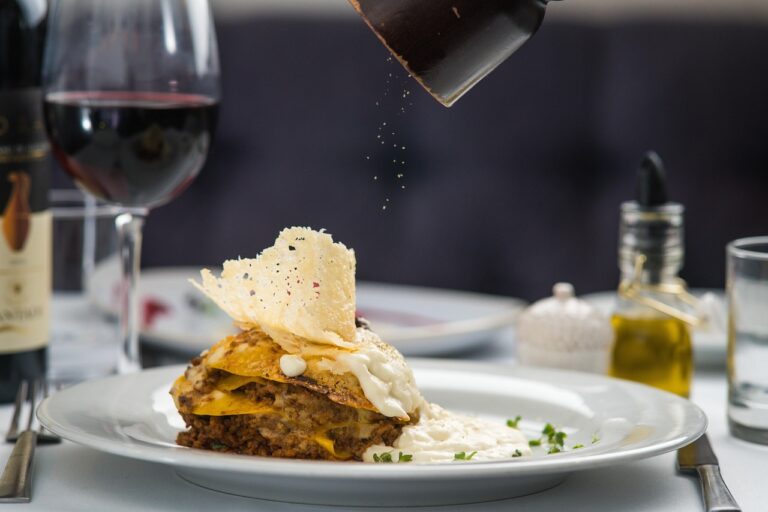
Turkey’s Fine Dining Scene in Istanbul
Istanbul's fine dining scene has blossomed in recent decades, turning the city into a destination for serious food lovers.