Turkish coffee is one of the oldest coffee traditions in the world, a method that has barely changed since it arrived in Istanbul in the sixteenth century. Finely ground coffee, cold water, and a brass pot called a cezve are all it takes, yet the result is a thick, aromatic, unforgettable cup with its own ritual, its own etiquette, and even its own form of fortune telling. This guide covers everything you need to know: what Turkish coffee is, how it is made, where to drink it, and how to fit into the culture that surrounds it.
Turkish coffee is sometimes called the oldest brewing method still in everyday use, and the claim has substance: the technique of simmering powdered coffee in a pot arrived in Istanbul in the 1500s and spread from there to Europe. The method that survives today is essentially the method of the sixteenth century, which is why the drink is treated as living history as much as refreshment.
What Exactly Is Turkish Coffee
Turkish coffee is a style of preparation, not a type of bean. Very finely ground coffee is simmered with water and sugar in a small pot and served unfiltered, grounds and all, in a tiny cup.
The grind is the defining feature: it must be as fine as powder, finer than espresso, because nothing is filtered. The grounds settle in the cup and are left behind when you stop drinking.
The coffee is served with foam on top, a thick layer that connoisseurs consider essential. The balance of foam, body, and aroma is the mark of a properly made cup, and getting it right takes practice.
The Ingredients: Coffee, Water, Sugar
Authentic Turkish coffee needs three things: finely ground coffee, cold water, and sugar. The beans are usually roasted medium-dark and ground to powder, and the classic blend is single-origin or a simple mixture.
Water matters because the coffee is boiled with it from the start. Cold, fresh water lets the coffee release its oils slowly and creates the foam; hot water poured into the pot will not produce the same result.
Sugar is added during brewing, never afterward, and the amount is ordered by sweetness: sade is unsweetened, az şekerli is lightly sweetened, orta is medium, and çok şekerli is very sweet. The sugar dissolves into the brew as it heats, sweetening every sip evenly.
A proper cezve is also a matter of pride in many homes, and old copper pots are often kept polished and handed down. The ritual of choosing the pot, measuring the water, and adding the sugar is part of the pleasure of making the drink, and the equipment itself is a small work of craft.
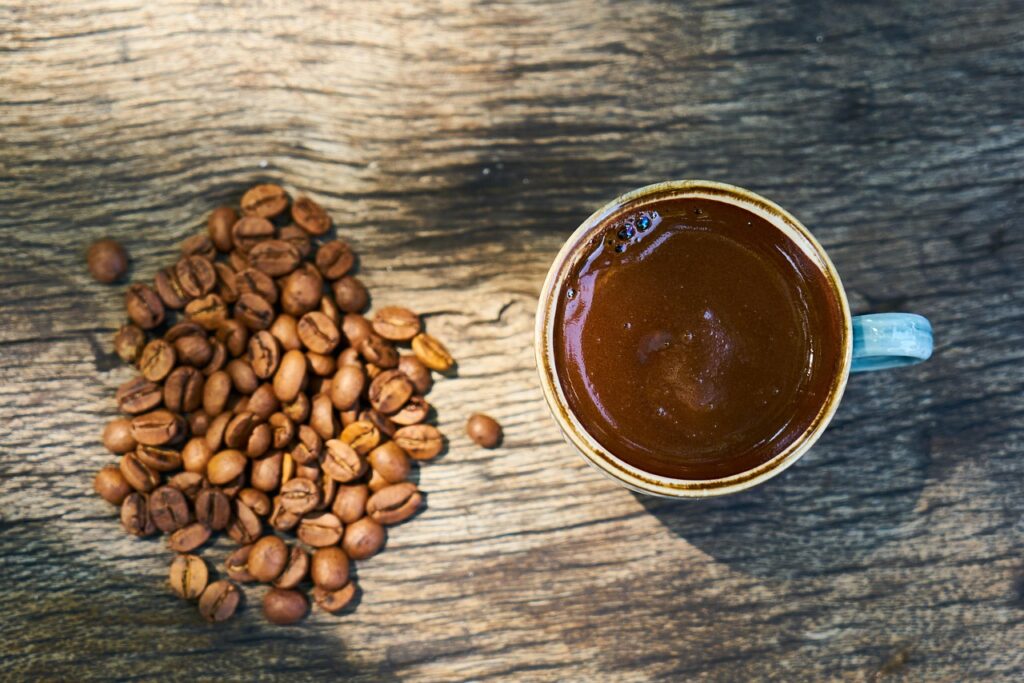
The Equipment: The Cezve
The cezve is a small, long-handled pot, traditionally made of brass or copper, with a wide bottom and a narrow neck that flares at the top. The shape controls the pour and helps build the foam.
You can find cezves in every Turkish bazaar, and modern steel and ceramic versions work just as well. The size is chosen for the number of cups: a single-cup cezve for one person, a larger one for company.
The pot is filled only partway, because the coffee foams as it heats and must have room to rise. Pouring slowly and steadily at the end is what puts the foam on top of each cup.
How Turkish Coffee Is Made
Making Turkish coffee is a short ritual with strict steps. Cold water goes into the cezve first, then the coffee, then the sugar, and the mixture is stirred gently before it ever touches the heat.
The pot goes onto a low flame, and the coffee heats slowly. As it warms, a dark foam forms and rises up the neck of the cezve, and the moment before it boils over, the pot is lifted off the heat.
This is repeated once or twice, letting the foam rise and settle again, which develops the body and the crema-like top. The coffee is then poured slowly into the cups, foam first, and the last, thickest part is shared evenly.

The Famous Foam
The foam, called köpük, is the pride of Turkish coffee. A cup with a thick, golden foam layer is considered expertly made, and the foam is often poured first, divided between the cups before the liquid.
The foam is the first thing you taste, and it carries the aromatic oils of the coffee. Without it, Turkish coffee loses much of its character, which is why experienced drinkers judge a cup by its top as much as by its body.
Getting the foam right is a matter of temperature control and patience. A low flame, a slow rise, and a steady hand at the pour are the three secrets, and they are the difference between a flat cup and a great one.
Coffee drinking in the southeast also carries the strongest echoes of the tradition’s Arab origins, since the habit reached the Ottomans through the Arab world. In cities close to the Syrian border, the coffee can be nearly as thick as a syrup, and the serving is unhurried and ceremonial. The further east you travel, the more the coffee resembles the original Ottoman cup.
Regional Variations
Turkey’s coffee culture has regional accents. In the southeast, especially in Gaziantep, coffee is sometimes flavored with cardamom, a nod to the Arab world, and served with lokum on the side.
The Black Sea coast prefers its coffee strong and often unsweetened, while the western cities drink the full range of sweetness levels. Some regions serve coffee with a glass of water on the side, to cleanse the palate before the first sip.
The biggest variation is in the rituals around the cup rather than the cup itself. In the east, coffee is still served with the same ceremony that has accompanied engagements and family visits for centuries, and the preparation is taken just as seriously as the drinking.
A local custom worth knowing: in many Turkish coffeehouses, the coffee arrives with a small glass of water and a lokum, and the bill is settled only when you stand to leave. The pace is slow by design, and the server will not hover. This unhurried service is part of the heritage of the kahvehane, and it survives in the old districts of every major city.
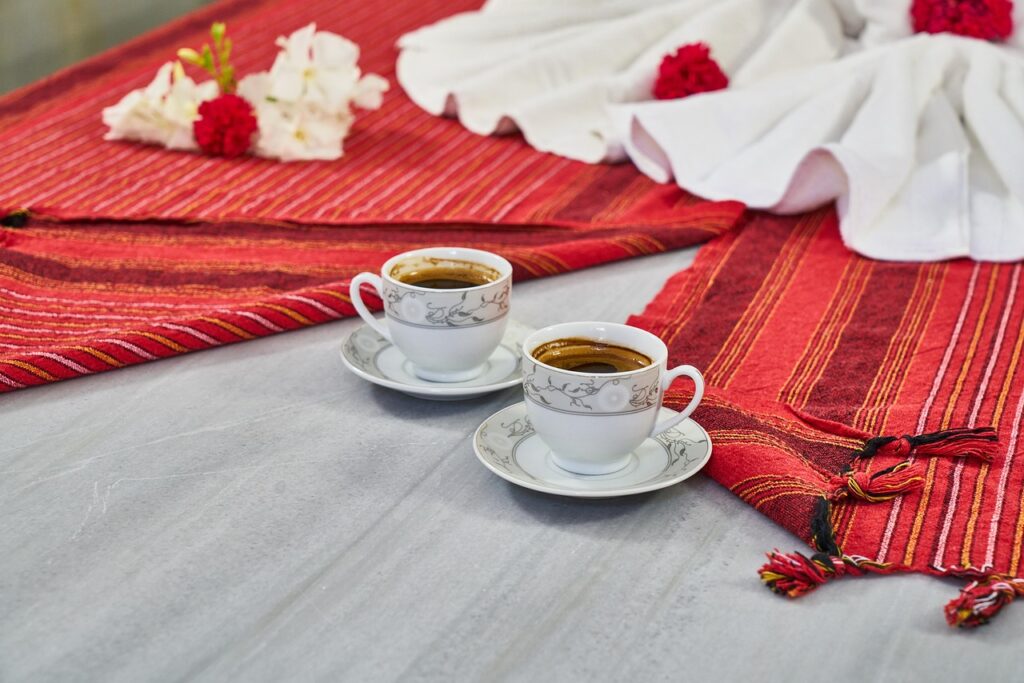
Where to Drink It in Turkey
The classic setting for Turkish coffee is the coffeehouse, the kahvehane, the oldest social institution of its kind in the world. These were the original coffeehouses, and many still serve coffee the sixteenth-century way.
In Istanbul, historic coffeehouses and modern specialty shops both pour Turkish coffee, often with a piece of lokum or Turkish delight on the saucer. The old districts of the city are the best hunting grounds for the traditional atmosphere.
Beyond the coffeehouses, any lokanta, tea garden, or bakery will make you a cup, and home kitchens across the country brew it daily. Asking for Türk kahvesi anywhere in Turkey will get you the real thing, made the traditional way.
One tradition delights visitors: the bride’s coffee. In the old engagement custom, the prospective bride made coffee for the groom’s family and added salt instead of sugar to the groom’s cup as a test of his patience. The custom is now mostly playful, but it shows how deeply the drink is woven into Turkish family life.
The Serving Ritual
Turkish coffee is served with its grounds, and the etiquette around that fact is strict. You drink the liquid, leaving the muddy grounds in the cup, and you stop before the grounds reach your lips.
A glass of water usually arrives with the coffee, to be drunk before the coffee to clean the palate. A piece of lokum or a chocolate often comes on the saucer, a sweet counterpoint to the bitter brew.
The cup is small, the coffee is strong, and the drinking is slow. Conversation is the whole point, and the coffee is the frame around it, which is exactly how the tradition has worked for centuries.

Coffee Grounds and Fortune Telling
The most famous Turkish coffee ritual happens after the cup is empty: fortune telling, called fal. The drinker turns the cup upside down on the saucer and lets the grounds drain and dry.
After a few minutes, a reader examines the patterns in the cup and saucer, interpreting the shapes, symbols, and directions as messages about the drinker’s future. The reader is often a friend or a professional falci.
Fortune telling is playful, social, and deeply embedded in the culture. Even skeptics take part, and the reading is a reliable source of laughter, gossip, and speculation at any gathering.
Turkish coffee is also the drink of long conversations that run well past midnight, and the phrase kahvenin yanında, alongside the coffee, implies a whole evening of talk. In a world of fast espresso bars, the Turkish cup still demands time, and that demand is precisely what its admirers love about it.
The Culture of Turkish Coffee
Turkish coffee is inseparable from Turkish hospitality. Offering coffee to a guest is a sign of respect, and the offer carries weight that tea does not quite match.
It is also tied to tradition in love and family. The phrase kahve içmeye geldi, they came for coffee, once signaled a suitor’s visit, and the bride-to-be’s coffee was a test of character in the old customs.
The cultural status of Turkish coffee was recognized when its tradition and culture were inscribed on the UNESCO list of intangible cultural heritage. Few drinks anywhere have a pedigree like that, and fewer still are still made the same way they were made five centuries ago.
Frequently asked questions
What is the difference between Turkish coffee and espresso?
Turkish coffee is simmered unfiltered with water and sugar in a cezve, leaving grounds in the cup, while espresso is made by forcing pressurized water through finely ground coffee. The grind for Turkish coffee is even finer, the brew is thicker, and the serving is slower. Turkish coffee is also made in small cups with foam on top, but the flavor and body are completely different from espresso.
How much sugar goes into Turkish coffee?
The amount of sugar depends on how you order it. Sade is unsweetened, az şekerli has a little sugar, orta is medium-sweet, and çok şekerli is very sweet. The sugar is added to the pot before brewing, so it dissolves into the coffee as it heats. If you are unsure, start with orta and adjust on your next cup.
Why is Turkish coffee served with a glass of water?
The water is served first as a palate cleanser, so the coffee can be tasted at its fullest. Tradition also holds that a guest who drinks water first is thirsty, while one who drinks coffee first came for conversation. The water and the small cup of coffee arrive together on the saucer, and the lokum or sweet on the side completes the ritual.

All Over Information
The All Over Information editorial team researches and writes practical English-language guides to Turkey. Facts are checked against official and local sources before publication, prices are published as dated ranges rather than quotes, and guides are revised when things change. We accept no sponsored posts, paid placements or paid links.
More guides like this

The Ultimate Guide to Simit
Simit is the bread of the Turkish street: a golden ring of chewy dough, glazed and crusted with toasted sesame, sold fresh…

A Guide to Turkish Kebab Varieties
Kebab is the word most travelers associate with Turkish food, and rightly so. But behind that single name lies a remarkable range…

The History Behind Turkish Coffee
The history of Turkish coffee is the history of coffee itself, because the method that conquered Europe began in Istanbul.

The Ultimate Guide to Turkish Delight (Lokum)
Turkish delight, known in Turkey as lokum, is one of the most famous sweets in the world, yet it is also one…

Where to Find the Best Kumpir (Stuffed Baked Potato) in Turkey
Kumpir is a dish with a single undisputed capital: the Ortakoy waterfront in Istanbul, where rows of stands turn out giant stuffed…

The History Behind Urfa Kebab
Every famous dish has a story, and Urfa kebab has the story of a whole region behind it.