Fatih is the district that contains the heart of Istanbul — the historic peninsula with the city’s greatest monuments, its most famous bazaars, its oldest quarters, and its deepest history. No district in the city holds more of what travelers come to Istanbul to see, and no district rewards the visitor more for walking its streets. This list is the ten experiences that define Fatih, ordered so you can work through them in two or three days.
1. The Hagia Sophia
The great church of the Byzantine age — the Hagia Sophia is the building that defined the city for fifteen centuries. Completed in the sixth century, it was the largest church in the world for nearly a thousand years, the seat of the Orthodox patriarchate, the site of imperial coronations and crusader conquests; converted to a mosque after the Ottoman conquest of 1453, it now stands as one of the wonders of the world. The interior is the experience: the vast dome, the galleries, the mosaics, the sense of fifteen centuries in one building. It is the essential sight of the district and of the city — the beginning of every Istanbul itinerary.
2. The Blue Mosque
Facing the Hagia Sophia across the square, the Blue Mosque — the Sultan Ahmed Mosque — is the six-minareted masterpiece of the Ottoman age, built at the height of the empire’s power. Its interior is a sea of blue tiles, its dome a cascade of light, its courtyards among the most beautiful spaces in the district. The mosque is a working place of worship — free, open, and welcoming, with the dress code and the quiet the setting requires. The pairing with the Hagia Sophia — the church and the mosque facing each other across the old hippodrome — is the great architectural confrontation of the city, and the essential first stop of any Fatih visit.

3. The Grand Bazaar
The great covered market of the Ottoman world is a city within the district: a labyrinth of vaulted streets holding thousands of shops, the carpets and the lamps, the jewelry and the ceramics, the spices and the tea. The wandering is the experience — the bazaar’s lanes have been the trading heart of Istanbul for five centuries, and even the non-shopper should lose an hour in them. The bazaar is at its best in the mid-morning and the afternoon, when the lanes are at their liveliest, and the haggling is the sport of the place.
4. The Topkapi Palace
The seat of the Ottoman sultans for four centuries, the Topkapi Palace is the vast complex of courtyards, pavilions, harems, and gardens above the Bosphorus. The palace is a day in itself: the kitchens and the treasures, the harem’s private rooms, the terraces with their views over the water, the sense of the empire’s center. The palace holds the relics and the jewels of the Ottoman world, and its setting — the point of the peninsula, the sea on both sides — is one of the great sites of the city. Allow the afternoon, and book the tickets ahead in the high season.

5. The Süleymaniye Mosque
The masterpiece of the architect Sinan, the Süleymaniye is the grandest of the Ottoman mosques — built for Sultan Süleyman the Magnificent at the height of the empire, its dome rising over the hill above the bazaars. The interior is the architecture of genius — the space, the light, the proportions — and the courtyards and the terraces hold some of the finest views in the district: the Golden Horn, the Bosphorus, the minarets of the city. It is the mosque that the residents themselves most love, and the one that rewards the visitor who climbs the hill.
6. The Basilica Cistern
Beneath the modern streets lies the Byzantine city: the Basilica Cistern, the ancient underground reservoir built in the sixth century, its forest of columns rising from the shallow water, its dim lighting, its sense of the city beneath the city. The cistern is one of the most atmospheric places in Istanbul — cool, mysterious, and unforgettable — and the Medusa heads in the far corner are the famous detail. It is the depth of the district, the layer that the icons do not show, and the essential stop for the sense of the old city’s secret infrastructure.
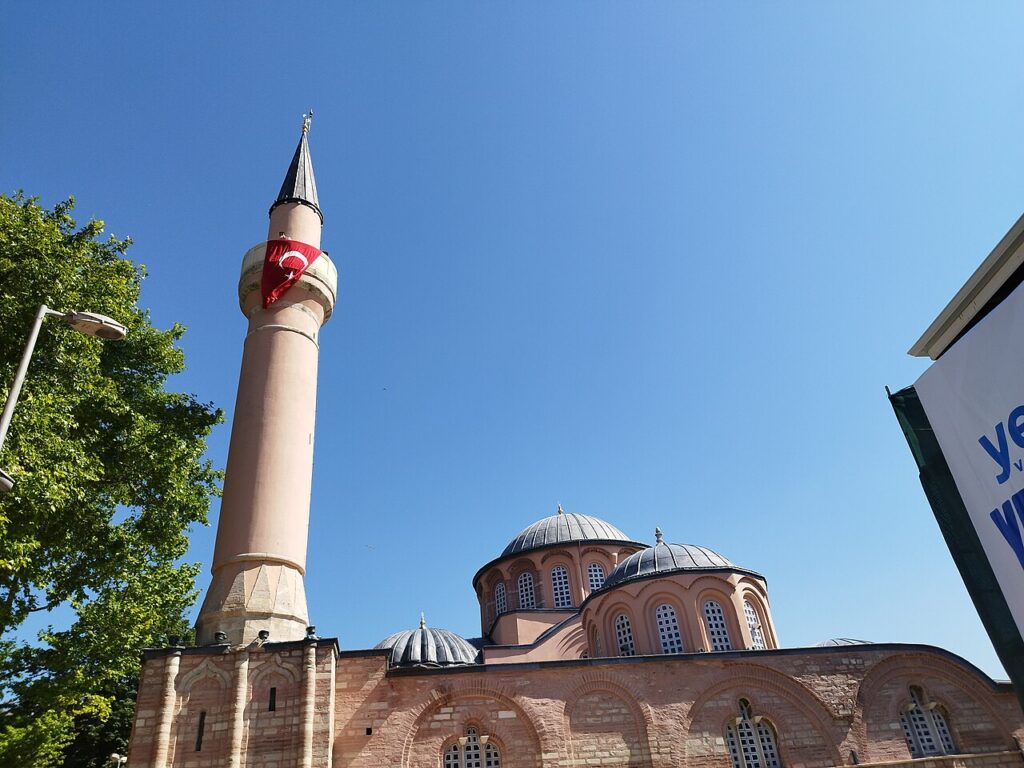
7. The Church of St. Savior in Chora
The Kariye — the Church of St. Savior in Chora — holds the finest Byzantine mosaics and frescoes in the city, the great works of the medieval world preserved on the walls of the small church in the district’s west. The interior is the treasure: the shimmering panels of the life of Christ and the Virgin, the gold and the color, the sense of the Byzantine art at its peak. The church sits at the far end of the district, beyond the tourist crowds, and the visit is the deep reward of the patient traveler.
8. Balat and Fener
The old Jewish and Greek quarters on the Golden Horn are the most atmospheric streets in the city — the crooked lanes of pastel houses, the churches and the synagogues within steps of each other, the skyline of domes that has not changed in centuries. The wander is the experience: the painted houses, the steep streets, the teahouses, the life of the quarter. Balat and Fener are the layer beyond the tourist maps — the old city as it has been lived for centuries — and the essential excursion for the visitor who wants more than the icons.

9. The Theodosian Walls
The ancient fortifications that held the city for a thousand years run through the district’s western edge — the great walls of Theodosius, the towers and the gates that resisted every siege until the cannons of 1453. The walls are free, the walk along them is the district’s finest free hour, and the sense of the city’s defenses — the walls that the Conqueror’s guns finally breached — closes the district’s story. The Yedikule fortress at the southern end adds the castle version, and the views from the walls over the modern city are the reward of the climb.
10. The Spice Bazaar and the Bazaar Streets
The Spice Bazaar on the Golden Horn shore holds the aromatic heart of the district’s markets: the pyramids of spices, the dried fruit, the lokum, the honey, the teas. Around it, the bazaar streets of Eminönü hold the food of the district — the balık ekmek, the simit, the pide, the street food of the working city — and the market lanes beyond the tourist bazaars are where the residents shop. The spice and the food of the bazaar streets are the district’s daily layer, and the tasting and the buying are the experience.
What to Skip
With limited time, a few things are safely skipped. The carpet-and-souvenir shops inside the tourist core price for the day-trippers — the quality is often elsewhere. The chain cafes of Sultanahmet are the same as any city’s. And the guided-group circuits that herd visitors through the icons at speed miss the point of the district — the walking and the wandering are the experience, and the free hours in the courtyards and the streets beat the rushed version. The rule of Fatih: the icons are the beginning, and the depth — the cistern, the Chora, the quarters, the walls — is the district.
How to Do the Ten in Two or Three Days
Grouped geographically, the list becomes easy. Day one: the Hagia Sophia and the Blue Mosque in the morning, the Grand Bazaar and the Spice Bazaar at midday, the Topkapi in the afternoon. Day two: the Süleymaniye and the cistern in the morning, Balat and Fener at midday, the Chora and the walls in the afternoon. That covers the ten with room to spare — and leaves the district’s real discovery, the version you find on your own, for the moments in between.
Frequently asked questions
Is one day in Fatih enough?
One day covers the icons — the Hagia Sophia, the Blue Mosque, the bazaars. Two days reach the depth — the palace, the cistern, the Süleymaniye, the quarters, the walls.
What is the best free thing to do?
The Theodosian walls — the ancient fortifications, free to walk and climb, the finest free hour in the district.
Do I need to book the big sights?
The Hagia Sophia and the Topkapi in the high season, yes — the timed tickets and the morning slots are the ones that beat the queues.
Is Fatih safe?
Yes — the district is busy, well-policed, and safe at all hours, with the usual pickpocket awareness in the tourist crowds.
Is Fatih good for families?
Yes — the icons fascinate children, the bazaars are a wonder, and the tram and the walking suit the family pace.
What is the best time of day for the icons?
The early morning — the first hour after opening, when the light is good and the queues are short — and the late afternoon, when the crowds ease.
How much walking is involved?
A lot — the district is built for it, and the monuments and the bazaars are connected by the feet. Comfortable shoes are the essential equipment.
Are the interiors worth the queues?
The icons — the Hagia Sophia, the Topkapi, the cistern — are among the wonders of the world; the timed tickets and the morning slots are the workarounds for the queues.

All Over Information
The All Over Information editorial team researches and writes practical English-language guides to Turkey. Facts are checked against official and local sources before publication, prices are published as dated ranges rather than quotes, and guides are revised when things change. We accept no sponsored posts, paid placements or paid links.
More guides like this

48 Hours in Fatih: The Perfect Itinerary
Fatih is the district that contains the heart of Istanbul, and a weekend here is the classic introduction to the city.

Where to Stay in Fatih: Neighborhood Guide
Fatih is the classic base for a first visit to Istanbul — the historic peninsula itself, with the city's greatest monuments on…
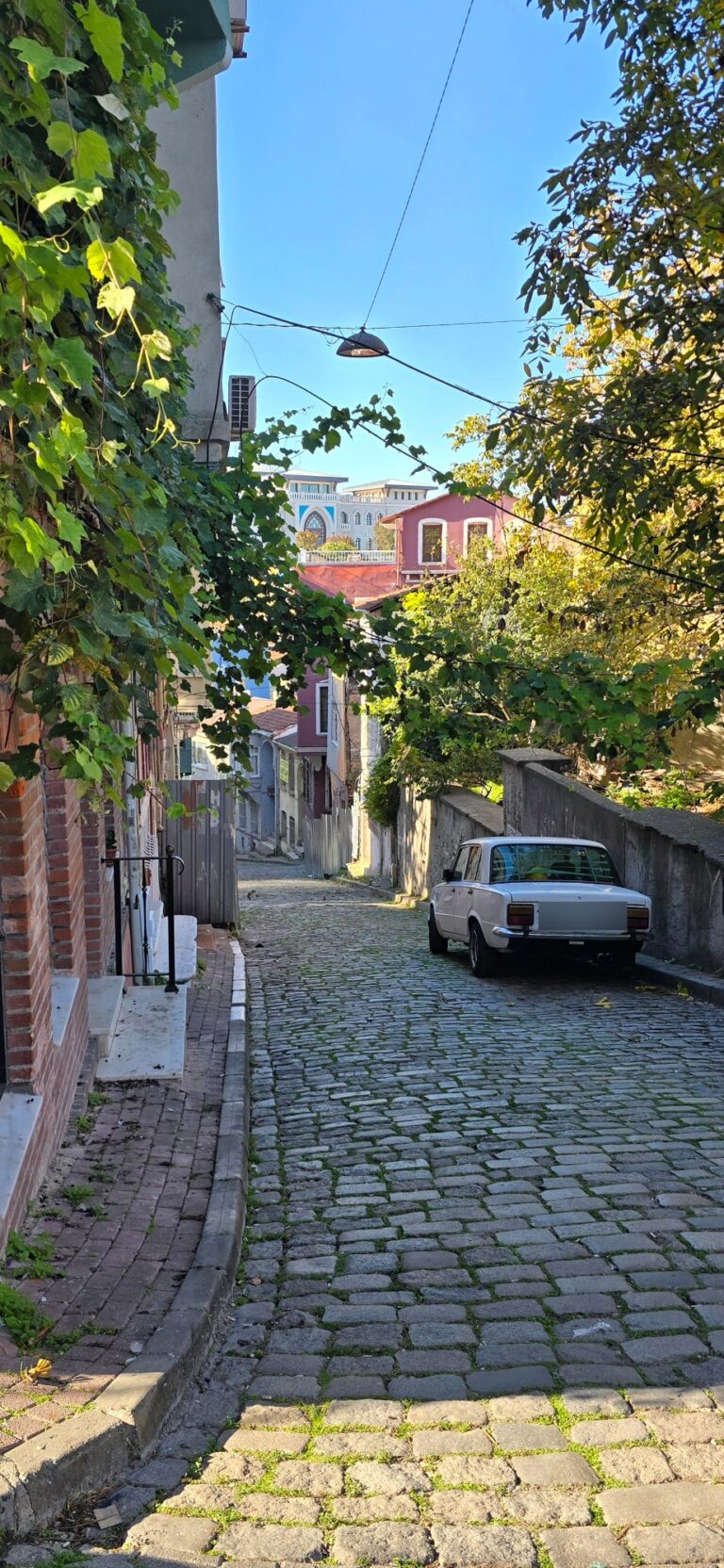
Best Local Restaurants in Fatih
Fatih is the district where the city's food traditions live — the historic peninsula where the bazaars feed the streets, the lokantas…
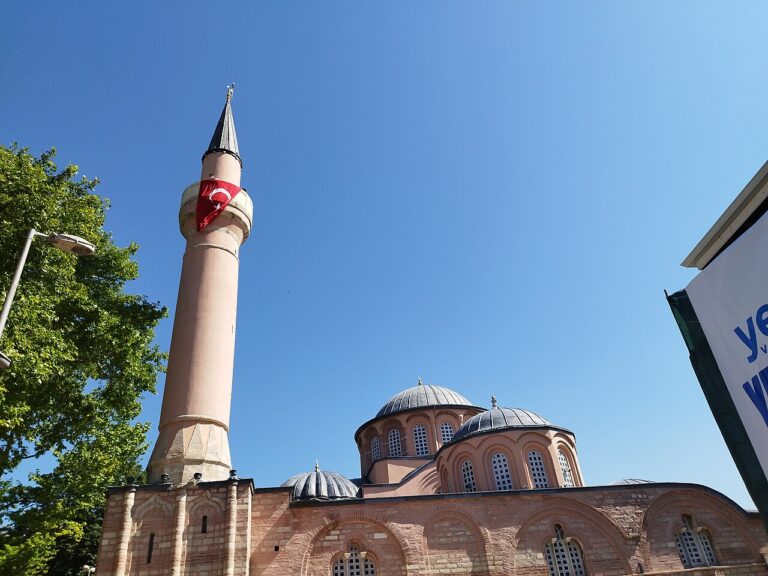
Hidden Gems of Fatih Most Tourists Miss
Fatih is the district of the famous — the Hagia Sophia, the Blue Mosque, the bazaars — and the crowds follow the…
A First-Timer’s Guide to Fatih
Fatih is the district that contains the soul of Istanbul — the historic peninsula itself, the land between the Golden Horn and…

Fatih in Summer: A Complete Travel Guide
Summer is when Fatih shows the city's heart at its most crowded and its most alive.