Fatih is the classic base for a first visit to Istanbul — the historic peninsula itself, with the city’s greatest monuments on the doorstep and the old city as the neighborhood. The accommodation runs the full range, from the rooftop hotels of Sultanahmet with their views over the mosques to the budget pensions of the backstreets, and the choice of corner shapes the experience: the tourist core for convenience, the old quarters for atmosphere, the working districts for the local life. This guide breaks down the district’s areas, the types of lodging, and the honest trade-offs.
Why Stay in Fatih at All
The case for basing yourself here is simple: the monuments. Fatih is the historic peninsula — the Hagia Sophia, the Blue Mosque, the Topkapi Palace, the Grand Bazaar, the Süleymaniye are all within the district, most of them within a walk of the Sultanahmet core. The traveler who stays here steps out of the hotel into the city’s heart, catches the icons at sunrise and at the evening light, and returns to the bazaars and the streets without a commute. The trade-offs are honest ones: the district is the most visited in the city, so the crowds and the prices are real; the evenings are quieter than the modern quarters across the water; and the working districts of the peninsula are more traditional than the fashionable neighborhoods. For the first-time visitor whose itinerary is the monuments, Fatih wins.

The Micro-Neighborhoods

Sultanahmet: The Tourist Core
The heart of the district, around the square where the Hagia Sophia faces the Blue Mosque, is the classic base: the icons on the doorstep, the bazaars a walk downhill, the rooftop hotels with their views over the mosques. The accommodation here is the district’s fullest — the heritage hotels in the old houses, the boutique properties with the terraces, the pensions of the backstreets — and the convenience is unbeatable. The trade-offs: this is the most crowded corner of the district, the prices are the highest, and the evenings are quiet after the day-trippers leave.
The Bazaar Quarter: Between the Bazaars and the Water
The area between the Grand Bazaar, the Spice Bazaar, and the Golden Horn shore — the Eminönü side of the district — holds the busier, livelier base: the ferries at the landing, the bazaar streets, the food of the working city. The hotels here run the mid-range and the budget, and the trade is the atmosphere — the markets, the street food, the ferries — for the calm of the Sultanahmet core. It suits the traveler who wants the bazaars on the doorstep and the crossing to the Asian side at the landing.
The Süleymaniye and Vefa: The Hill Above
The hill above the bazaars, around the Süleymaniye Mosque and the old quarter of Vefa, holds the quieter, more atmospheric base: the mosque’s courtyards, the old streets, the tea gardens, the sense of the traditional district. The guesthouses and the small hotels of the hill offer the calm and the character, with the bazaars a walk downhill. It suits the traveler who wants the old city’s atmosphere without the tourist core’s crowds.
Balat and Fener: The Old Quarters
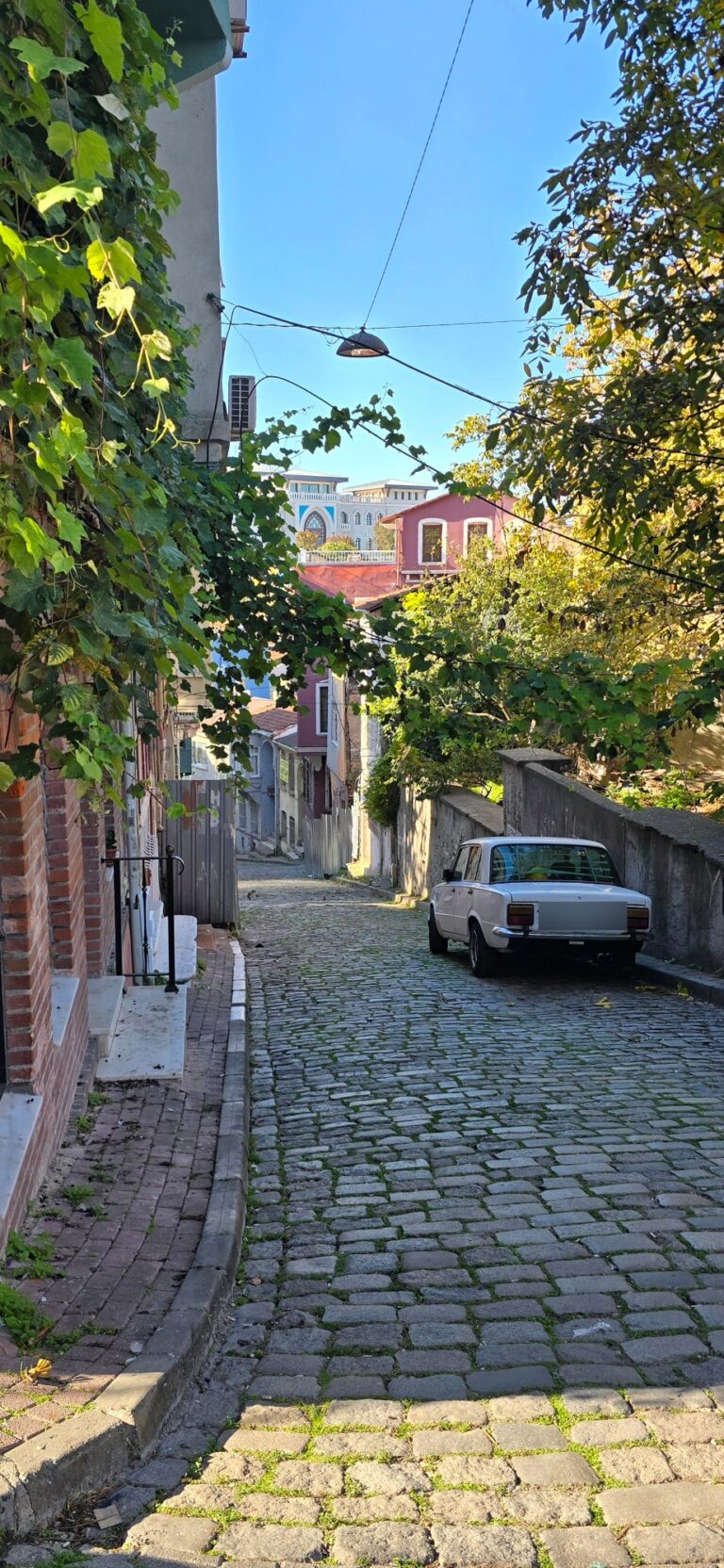
The Golden Horn quarters of Balat and Fener hold the district’s most atmospheric base: the pastel houses, the crooked lanes, the churches and the synagogues, the village life of the old city. The guesthouses here are the boutique layer — the restored houses, the hosts with the insider knowledge, the sense of staying in the old city as it has been lived for centuries. The trade-offs: the quarters are a ride from the monuments, and the evenings are very quiet. It suits the traveler who has seen the icons and wants the deeper Istanbul.
The Working Districts: Fatih and the West
The working districts of the peninsula — the Fatih mosque quarter and the neighborhoods toward the walls — hold the budget layer: the local hotels, the pensions, the prices of the working city. The base is the traditional district, with the markets and the daily life of the peninsula on the doorstep, at the district’s most honest prices. The trade-offs: the monuments are a ride or a long walk, and the district is the most traditional — the rewards are for the traveler who wants the local life.
Types of Accommodation
Heritage and boutique hotels. The district’s signature: the restored Ottoman houses and the grand hotels of Sultanahmet, with the rooftop terraces and the views over the mosques. The top of the range, and the experience the district is known for.
Mid-range hotels. Around the bazaar quarter and the main streets, the mid-range hotels run the comfortable middle: clean rooms, the walkable location, and the rooftop breakfasts. The best value in the tourist core.
Guesthouses and pensions. The budget layer of the tourist core and the old quarters: the small houses, the family-run pensions, the character at the honest prices. The backpacker and the traveler’s favorite.
Apartments. For stays of three nights or more, the apartment rentals across the district offer the space, the kitchen (for the bazaar’s shopping), and the best per-night value, in the old houses and the working streets.

What to Pay
Fatih prices run the full Istanbul range, with the tourist core at the top and the working districts at the bottom. As a rough guide at the time of writing: the pensions and the working-district hotels run the district’s cheapest beds; the bazaar-quarter mid-range sits in the middle; the Sultanahmet boutique and heritage properties command the premium; and the old-quarter guesthouses of Balat fall between. The seasons move everything: the summer and the holidays are the peaks, the low season between November and March drops the rates, and the high-season Sultanahmet rooms book out weeks ahead.

The Practical Questions
How central is it? As central as the city gets — the monuments are within the district, the bazaars within a walk, and the rest of Istanbul a tram, ferry, or metro ride away. Is it noisy? The tourist core is busy by day and quiet at night; the bazaar quarter livelier; the hills and the old quarters calm. Is it safe? Yes — the district is busy, well-policed, and safe at all hours, with the usual pickpocket awareness in the tourist crowds. Do I need to speak Turkish? No — the tourist core is the most multilingual corner of the city. What about the crowds? The high-season crowds are the famous ones; the early starts and the low season are the workarounds.
Who Should Stay Here — and Who Should Not
Stay in Fatih if the monuments are your Istanbul and you want them on the doorstep; if you are a first-time visitor seeing the city’s heart; if you want the bazaars and the old city as the neighborhood; or if the rooftop views over the mosques are the hotel you imagine. Skip it if you want the nightlife and the fashionable quarters of the modern city — the Beyoğlu and the Bosphorus districts are a tram or a ferry away; if the crowds of the tourist core will wear you down — choose the hills or the old quarters instead; or if you have seen the icons and want the different Istanbul — the Asian shore and the Bosphorus villages await. For the classic first visit, Fatih is the base.
A Final Note on the District
Wherever you stay in Fatih, the district is the amenity. The icons at sunrise, the bazaars at opening, the mosque courtyards in the evening light, the walls and the quarters beyond the maps — the district gives its residents the city’s heart as the daily neighborhood. The traveler who wakes in Fatih and walks to the Hagia Sophia before breakfast has begun Istanbul the way the city intends; the visitor who returns in the evening to the old city’s quiet has ended the day in the same place. Choose your corner by the kind of stay you want; the district will do the rest.
Frequently asked questions
Is Fatih the best base for a first visit?
For the monuments, yes — the icons are within the district, and the classic itinerary begins here.
What is the best area for a quiet stay?
The Süleymaniye hill and the old quarters of Balat and Fener — the calm, the atmosphere, and the character, away from the tourist core.
Is Fatih expensive?
The Sultanahmet core is the premium; the bazaar quarter and the working districts price far below, and the low season drops the rates across the board.
How do I get around from Fatih?
The T1 tram runs through the district, the ferries land at Eminönü, and the Marmaray stops at Sirkeci — the Istanbulkart covers it all.
What is the best value stay?
The pensions and the guesthouses of the tourist core’s backstreets — the location at the honest prices.

All Over Information
The All Over Information editorial team researches and writes practical English-language guides to Turkey. Facts are checked against official and local sources before publication, prices are published as dated ranges rather than quotes, and guides are revised when things change. We accept no sponsored posts, paid placements or paid links.
More guides like this

Fatih Airport and Transport Guide
Fatih is the best-connected district in Istanbul — the historic heart of the city, where the tram, the ferries, the Marmaray, and…
A Solo Traveler’s Guide to Fatih
Fatih is the district where the solo traveler's Istanbul begins — the historic peninsula with the city's greatest monuments, its most famous…
Top 10 Things to Do in Fatih
Fatih is the district that contains the heart of Istanbul — the historic peninsula with the city's greatest monuments, its most famous…

A Foodie’s Guide to Fatih
Fatih is the district where the city's food story is written — the historic peninsula where the bazaars feed the streets, the…
History and Culture of Fatih
Fatih is the district where the history of Istanbul is written — the historic peninsula where the city was founded, conquered, and…
A First-Timer’s Guide to Fatih
Fatih is the district that contains the soul of Istanbul — the historic peninsula itself, the land between the Golden Horn and…