Turkish society is famously warm, but it also follows rules that can be hard to read at first. The family comes first, the elders are honored, and the hospitality can be overwhelming. This guide decodes the social world of Turkey for foreign visitors, explaining how to greet people, how to address them, and how to behave in homes, shops, and workplaces. You will learn the phrases that open doors, the customs that show respect, and the small mistakes to avoid. With this knowledge, you will move through Turkish social life with confidence and grace.
First Impressions: Greetings and Handshakes
The greeting sets the tone of every Turkish encounter. The standard is a warm handshake, often with both hands or with the left hand touching the elbow, a gesture of extra sincerity. Eye contact is kept, and the smile is genuine; Turks read warmth in the first seconds of a meeting.
Among friends, the greeting is warmer still. Men who know each other may embrace and kiss on both cheeks, and women greet each other the same way. Men and women who are not related usually stick to a handshake or a nod, respecting the boundaries of modesty.
Follow the lead of the person you are meeting. If they extend a hand, shake it; if they offer both cheeks, accept the kiss. The golden rule is to match the warmth of the other person, and to smile through any uncertainty.
How to Address People Correctly
Addressing people correctly is the first test of good manners in Turkey. With strangers and elders, use the formal pronoun and address people by their title and surname. With friends, the informal pronoun and the first name are natural, but only after the relationship has warmed.
The everyday titles are essential. Abi and abla, meaning elder brother and elder sister, are used for older men and women even among strangers, and they carry affection. Beyefendi and hanimefendi are the polite forms for sir and madam, and bey and hanim follow names like titles.
As a visitor, you can rarely go wrong with polite formality. Use hanim and bey with names, offer abi and abla to shopkeepers and drivers, and let the locals invite you into familiarity. The effort to use titles is itself a mark of respect.

The Family and Its Importance in Daily Life
The family is the beating heart of Turkish society, and it shapes everything you will observe. Meals are shared, decisions are collective, and the weekend belongs to the relatives. When you meet a Turk, expect questions about your family; the interest is genuine and the questions are part of building trust.
The family structure is generous and protective. Parents support children well into adulthood, grandparents help raise grandchildren, and the network of uncles, aunts, and cousins is always close. The family is the social security, the celebration circle, and the identity of the individual.
Showing respect for family is the fastest way into Turkish hearts. Ask about the children, praise the cooking of the mother, and honor the elders. When a Turkish family adopts you, even briefly, you have experienced the society’s most important institution from the inside.
Respecting Elders: What It Looks Like
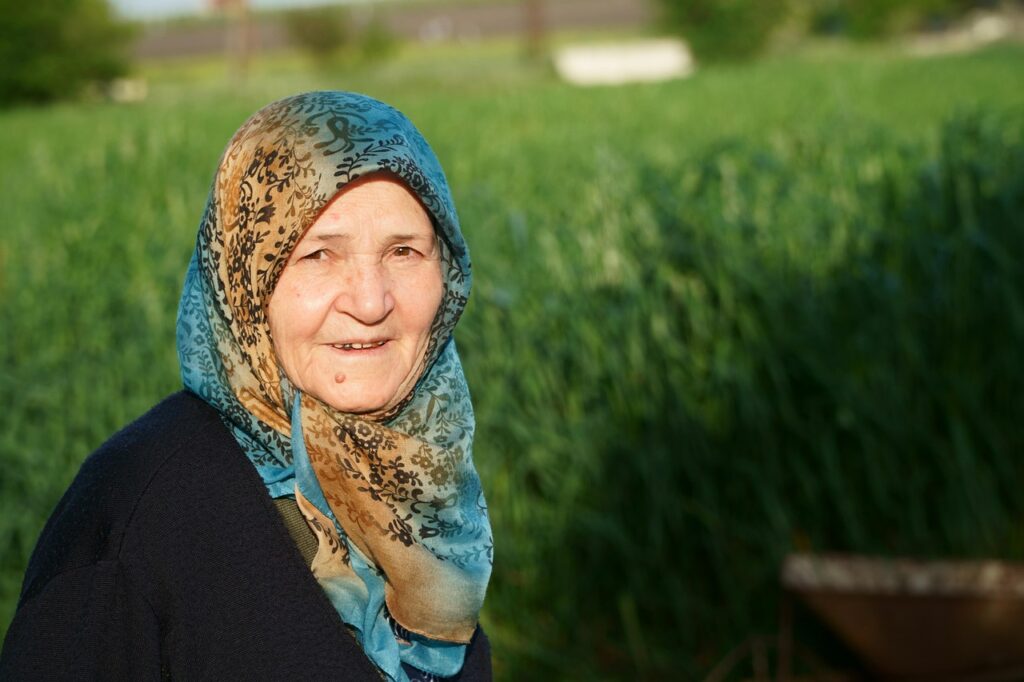
Respect for elders is the most visible value in Turkish social life. The elderly are seated first, served first, and heard first, and their word carries weight in family decisions. The young stand when an elder enters, and the language itself bends toward respect.
The rituals are everywhere. At holidays, the young kiss the hands of the elderly and touch them to their foreheads, a gesture of deep honor. On buses, seats are offered instantly; in shops, the elderly go ahead; in conversation, their experience is deferred to.
For a foreigner, showing this respect is simple and rewarding. Offer your seat, listen to the elders, and greet them with the formal politeness. The gratitude you receive will be warm and visible, and you will be treated, in turn, with remarkable kindness.
The Rules of Turkish Hospitality
Turkish hospitality is legendary, and it operates by its own generous rules. The guest is placed in the best seat, served tea within moments, and pressed to eat and drink generously. The host’s honor is tied to the guest’s comfort, and the hosting is done with total conviction.
The etiquette of being a guest is simple. Accept what is offered, praise the food, and let the host serve you; insisting on doing things yourself can seem to reject the host’s care. When you must decline, do so gently and with gratitude, and expect the host to insist at least once.
Hospitality also flows outward. The shopkeeper who offers tea, the stranger who gives directions and walks you there, and the family who invites you to dinner are all living the same tradition. Accept the warmth, return it with your own, and you will experience Turkey at its best.
Tea, Coffee and the Art of Refusing Politely
Tea is the social glue of Turkey, and the offering of tea is the beginning of nearly every relationship. Accept the first glass; refusing it outright is almost impossible anyway, because the host will insist. Drink it slowly, and the conversation will follow its natural pace.
When you truly must refuse, do it with grace. Say tesekkurler, thank you, and explain that you have just had tea, and the host will accept it without offense. The polite refusal is part of the culture’s courtesy, and it is a skill worth learning.
Turkish coffee is the drink of serious conversation, served with foam and a glass of water. Accept it when offered, sip it slowly, and if your host reads the fortunes in the grounds, enjoy the ritual. The coffee, like the tea, is a small ceremony of connection.

Business Etiquette and Hierarchy
The workplace in Turkey runs on the same values as the family: hierarchy, respect, and relationship. The chain of command is clear, the boss is deferred to, and the formal titles are used consistently. Decisions often come from the top, and the pace is personal.
Business is also conducted through relationships. Meetings begin with tea and conversation, and the deal is often sealed over a shared meal rather than a signature. Trust is built face to face, and the personal connection is part of the professional one.
For the visiting professional, the advice is to respect the hierarchy, use the titles, and invest in the relationships. Arrive on time, greet everyone present, and accept the hospitality that is offered. Once the trust is built, the business flows with remarkable speed.
Gift Giving Without Awkwardness
Gift giving in Turkey follows gentle rules, and knowing them removes all awkwardness. When invited to a home, bring a small gift: sweets, pastries, flowers, or something from your own country. The thought matters far more than the value, and the presentation deserves care.
The host may initially refuse the gift with polite modesty, and you should gently insist once before accepting their acceptance. Gifts are usually opened later, in private, and the thanks will be warm and generous. The dance is part of the courtesy.
When you receive a gift, accept it with both hands and open delight. Never refuse a gift in Turkey; it is the giving of the heart, and refusing would wound the giver. With these simple rules, the exchange of gifts becomes one of the most pleasant parts of Turkish social life.

Dining Etiquette at the Table
The Turkish table has its own courtesies, and they are easy to learn. Wash your hands before the meal, wait for the elders to begin, and let the host serve you. The bread is torn, not cut, and the food is shared from common plates with generosity.
Praise the food as you eat; elinize saglik, health to your hands, is the traditional compliment to the cook. Accept second helpings, because the host will insist, and finish what you take. At the end, say afiyet olsun, may it be well, to the whole table.
The meal is a social event, not a refueling stop. The conversation flows, the tea follows, and the time at the table is generous. Sit back, eat well, and enjoy the unhurried rhythm; it is the Turkish way, and it is one of the great pleasures of the culture.
Common Mistakes Visitors Make and How to Avoid Them
A few small mistakes are easy to avoid with awareness. Do not refuse hospitality too firmly; accept the tea, the sweets, and the invitations, because the refusal can feel like rejection. Do not skip the greetings; the hello at the door matters, and the farewell does too.
Do not use the informal form too soon, and do not address people by their first names without invitation. Do not criticize the family, the country, or the food, and do not rush the conversation; the relationship is the point. And do not forget the gratitude; the thanks must be warm and repeated.
None of these mistakes is fatal; the Turks are famously forgiving, and a genuine smile repairs almost anything. But avoiding them will make your time in Turkey smoother and warmer. Observe, adapt, and laugh at your own stumbles, and you will be welcomed everywhere.
Frequently asked questions
How formal is Turkish etiquette really?
The etiquette is real but warm. Formality rules with strangers and elders, while friends and family enjoy complete ease. The formality softens quickly as a relationship grows, and the Turks forgive small mistakes with laughter. Goodwill matters more than perfect performance.
What is the best way to show respect in Turkey?
Respect the elders, use the polite titles, and accept the hospitality. Greet people warmly, praise the food, and take an interest in family. These small gestures are the language of respect, and they will be noticed and returned with remarkable warmth.
Can I refuse tea without offending anyone?
Yes, if you refuse politely. Say tesekkurler, thank you, and explain gently that you have just had some, and the host will accept it with grace. Expect at least one insistence before the refusal is accepted; that insistence is part of the hospitality itself.

All Over Information
The All Over Information editorial team researches and writes practical English-language guides to Turkey. Facts are checked against official and local sources before publication, prices are published as dated ranges rather than quotes, and guides are revised when things change. We accept no sponsored posts, paid placements or paid links.
More guides like this

University Life in Turkey: What to Expect
Turkey is a country of universities. Nearly every city of any size has at least one, and the country's total number of…

Traditional Turkish Weaving and Textile Arts
Textiles are the oldest and most personal art of the Turkish people.

A Deep Dive into Turkish Street Food Culture
Turkish street food is one of the world's great culinary traditions, yet it is rarely studied with the seriousness it deserves.

Understanding the Turkish Calendar and Holidays
Turkey runs on two calendars at once, and holidays arrive on both of them.

The History of Turkish Cinema Explained for Foreigners
If you are visiting Turkey and want to understand the country beyond its monuments and food, cinema is one of the best…

How Ramadan Changes Daily Life in Turkey
Ramadan, called Ramazan in Turkish, is the holiest month of the Islamic calendar, and in Turkey it changes the rhythm of daily…