Taksim is the transport heart of Istanbul, and the hub at the square connects the airports, the ferries, the metro, and the buses into one seamless system. The district’s position makes it the easiest base in the city for movement, and the only real challenge is choosing among the many routes to anywhere. This guide untangles the full transport picture: the two airports, the rail lines, the funicular, the ferries, and the practical rules that keep every journey smooth.
The Two Airports
Istanbul is served by two commercial airports, and the first rule of the transport guide is to know which one is on your ticket. Istanbul Airport, on the European side, is the main international gateway; Sabiha Gokcen, on the Asian side, handles many budget and domestic flights.
The two airports are far apart, more than an hour from each other, and the routes to Taksim differ completely. Checking the airport before planning the journey saves the classic mistake of the traveler who books the transfer for the wrong side of the city.
Both airports connect to the square well, and both have shuttle and rail options. The district’s hub was built for exactly this traffic, and the arrivals find the routes signposted and the staff practiced.
The arrival hour matters as well: the daytime arrivals have every option, while the late arrivals lean on the shuttles and the taxis, and both are in place around the clock.
From Istanbul Airport to Taksim
The airport shuttles from Istanbul Airport are the simplest route to the square. The buses leave from the arrivals level, run around the clock, and stop at the designated points near Taksim, with the journey taking about an hour in normal traffic.
The rail route is the cheaper and often faster alternative. The airport metro connects to the city’s network, and with one or two changes, the ride ends at the metro station under the square, with no traffic to fight at any hour.
The choice between the two is the standard one: shuttle for simplicity with luggage, rail for price and reliability. Both work at night, and both deliver the traveler to the same central point.
The shuttle desks also sell the transit card, which saves the first queue of the trip, and the airport station connects to the rail network for the travelers who want the city on arrival.

From Sabiha Gokcen to Taksim
The shuttles from Sabiha Gokcen again offer the direct route, with the journey to the square running about an hour and a half. The buses serve the arrivals level and run through the day and the night, matching the flight schedule.
The rail option from the Asian-side airport is a three-part journey: the metro to the Marmaray rail tunnel, the crossing under the Bosphorus, and the change to the line that reaches Taksim. The transfers are signposted and the journey-planning apps calculate them.
The Asian-side routes are longer than the European-side ones, and the traveler should budget the extra time before any onward plan. The compensation is the crossing itself, which passes under the strait in a way that still feels like a wonder.
The shuttle windows on the Asian side give the road version of the journey, with the coastline and the bridges framing the approach, which softens the longer ride.
The Metro and Rail Network
The metro is the backbone of the district’s transport. The M2 line runs through Taksim, connecting the square to the north of the city and to the historic peninsula in the south, and it links with the other lines at the interchange stations.
The Marmaray rail line, which crosses beneath the Bosphorus, connects to the metro network at the key stations, which puts the Asian side and the far ends of the city within one system. The rail network is modern, punctual, and the traveler’s best friend in traffic.
The metro stations at Taksim are deep and busy, and the walk between the lines is worth the time it saves. The signs are clear, and the network map on the walls is the same map the apps use.
The station staff are also the district’s unofficial guides: a traveler who looks lost for a moment is usually helped within seconds, and the directions come with the stops counted.

The Funicular to Kabatas
The funicular is the district’s own little miracle. The F1 line drops from Taksim to Kabatas, on the water, in under two minutes, through a tunnel beneath the hill, and it is among the shortest subway lines in the world.
At Kabatas, the transport world changes. The ferry piers line the shore, the tram runs along the coast, and the routes to the old city, the Asian side, and the Bosphorus villages all start from the waterfront. The funicular is the hinge between the hilltop district and the sea.
The ride is part of the experience: the descent, the opening view of the water, and the transfer at the bottom. It runs frequently, and it is the fastest way in the city to move between the heights and the harbor.
The funicular is also the transport of choice for the sunset: the descent to the water in the evening light, followed by the ferry, is the district’s most photogenic commute.
Buses and Shuttles
The bus network completes the district’s coverage. The buses from Taksim fan out in every direction, serving the outer neighborhoods, the airport routes, and the lines that the metro does not reach, and the night buses keep the hub alive when the rail sleeps.
The airport shuttles, the main intercity buses, and the local lines all use the stops around the square, which makes the district the natural interchange for the whole city. The signs at the stops list the lines, and the apps track the departures.
The bus rides are the cheapest long-distance option in the city, and the night bus from the square is the budget traveler’s late-night transport. The buses are crowded at the peaks and easy at the off-hours, like the city itself.
The stops around the square are also the meeting points of the district’s daily life, and a few minutes at the bus shelter teaches the visitor more about the city than any guidebook.
Ferries and Water Transport
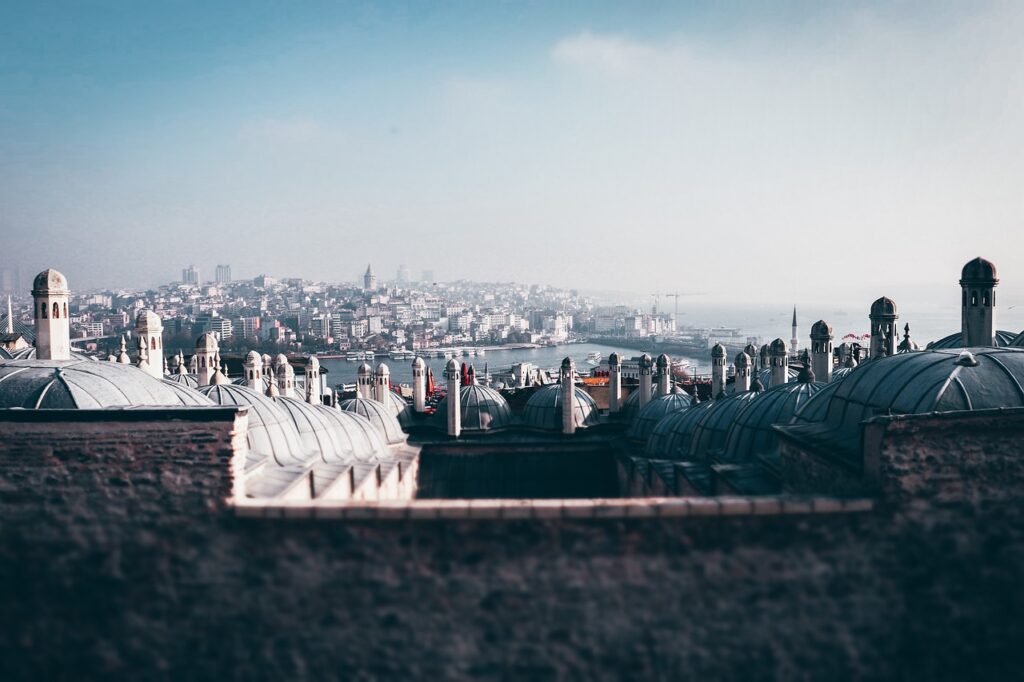
The water is the most beautiful layer of the district’s transport. The ferries from the piers below the square cross the Bosphorus to the Asian side, run along the coast to the upper villages, and carry the city’s daily traffic on the most scenic commute in the world.
The ferry rides are the same price as the metro, which makes them the best value sightseeing in the city, and the upper decks give the skyline views that the tunnels hide. The ferries run through the day, with the schedules thinning in the evening.
The water transport is the traveler’s secret weapon: a ferry crossing doubles as a cruise, and the piers below the district put the whole water network at the funicular’s foot.
The ferry terminals are also the district’s calmest transport corners, with the breeze, the seagulls, and the schedules posted in plain view.
Taxis and Ride Options
The taxis of Istanbul complete the transport picture, and the district’s stands are among the busiest in the city. The rules are the standard ones: use the official stands, confirm the destination, and check the meter.
The ride-hailing apps add the second option, with the price set in advance and the car tracked on the screen. Both run around the clock, and both are the right answer for the heavy luggage, the late hours, and the door-to-door journeys.
The honest advice is to know the approximate fare before riding, and to have the destination written down when the language is a challenge. The district’s drivers are professionals, and the prepared passenger makes their job easy.
The ride-hailing pickup points around the square are marked and busy, and the short wait for a matched car is the modern version of the old taxi queue.

The Istanbulkart and Payment Basics
The Istanbulkart is the key to the whole system. The reloadable card works on the metro, the buses, the funicular, the ferries, and the trams, and it is bought and topped up at the machines in every station.
The card is shared: one card pays for a whole group in sequence, and the transfers within the time window cost less than the single fares. The contactless bank cards work on most of the readers as well, which makes the system usable without any purchase at all.
The practical routine is to buy the card at the first station, load it with a little more than the first day needs, and top it up as the balance runs down. The card is the district’s universal pass, and the traveler who holds it never queues twice.
The card machines accept the usual payment methods, and the balance check at the gate saves the embarrassment of the declined tap in the middle of the commute.
Transport Tips for the Key Moments
A few timing rules make the district’s transport effortless. The morning rush runs from the commuter hours, the evening rush fills the same lines in reverse, and the weekends bring the leisure crowds to the ferries and the funicular.
The night rule matters most: the metro and the funicular stop around midnight, and the ferries stop earlier, so the night’s transport plan is set before the evening starts. The night buses and the taxis cover the gap, and the walk covers the district itself.
The final tip is the flexibility tip. The hub at Taksim offers so many routes that a missed bus is never a crisis: the next one comes, the metro runs, and the ferry waits for no one but the next one always sails.
The final habit of the smooth traveler is the glance at the departure boards, which always tell the truth.
Frequently asked questions
How do I get from Istanbul Airport to Taksim?
The airport shuttles are the simplest option: they leave from arrivals, run around the clock, and drop you near the square in about an hour. The metro and rail route is cheaper and often faster, with one or two changes ending at the metro station under Taksim.
How do I get from Sabiha Gokcen to Taksim?
Take the shuttle for the direct route, about an hour and a half, or the rail combination of metro, Marmaray tunnel, and a change to the Taksim line. The rail route is more complex but never fights the traffic. Both run late, so the arrival hour is no problem.
What is the best way to get around Taksim itself?
On foot, with the funicular for the hill and the metro for the distance. The district’s highlights are within walking distance, and the F1 funicular to Kabatas connects the square to the ferries and the waterfront in under two minutes. The Istanbulkart covers every ride.

All Over Information
The All Over Information editorial team researches and writes practical English-language guides to Turkey. Facts are checked against official and local sources before publication, prices are published as dated ranges rather than quotes, and guides are revised when things change. We accept no sponsored posts, paid placements or paid links.
More guides like this

48 Hours in Taksim: The Perfect Itinerary
Two days in Taksim is enough to absorb the square, walk the famous avenue end to end, eat well, catch a sunset…

Hidden Gems of Taksim Most Tourists Miss
Taksim's headline attractions swallow the crowds, and that is exactly why its quieter corners remain so rewarding.
A Foodie’s Guide to Taksim
Istanbul is one of the great food cities of the world, and Taksim is its most concentrated dining district.
Shopping Guide: What to Buy in Taksim
Taksim is the shopping heart of modern Istanbul, and its streets hold everything from global brands to centuries-old crafts.
Taksim on a Budget: Money-Saving Travel Tips
Taksim has a reputation as an expensive district, but most of that reputation is optional.

Photography Spots in Taksim You Can’t Miss
Taksim is one of the most photogenic neighborhoods in Istanbul, and its images, the square, the avenue, the tram, the rooftops, are…