Besiktas is one of the best-connected neighborhoods in Istanbul, and its transport is part of why travelers choose to base themselves on the European Bosphorus shore. The ferries fan out across the strait, the tram-and-funicular network ties in at the neighboring Kabatas, the bus lines run along the coast, and both of Istanbul’s airports connect with varying degrees of ease. This guide covers everything a visitor needs to move through Besiktas and around Istanbul: the airports, the ferries, the rail, the buses, and the practical details that make the difference between a smooth trip and a frustrating one.
The Airports, Compared Honestly
Istanbul has two airports, and both reach Besiktas, with very different effort. Istanbul Airport (IST) on the far European side is the nearest in distance but the longest in time: roughly an hour to an hour and a half by public transport — the M11 metro to Kağıthane, a change to the M7, and a final bus or minibus toward the coast — or the Havabus shuttle services, which run routes through the city. Sabiha Gökçen (SAW) on the Asian side is the longer physical journey and the more scenic one: the M4 metro to the Kadikoy end, then the ferry across the Bosphorus to Besiktas — about an hour in total, with the crossing as the highlight. Taxis are the fast option from both airports at the standard city rates. The honest advice: build in the traffic time for IST, and take the ferry for the SAW approach.
From Istanbul Airport (IST) to Besiktas
The Istanbul Airport route requires patience and a plan. The M11 metro from the airport runs to Kağıthane on the European side; change to the M7 and ride toward the city; then take a bus or minibus the final distance to the coast and Besiktas — total journey roughly an hour to an hour and a half, with the Istanbulkart working through all the transfers. The other option is the Havabus airport shuttle: the services run from the airport into the city, with stops that connect onward to Besiktas, at a single fare that undercuts the taxi by a wide margin. Taxis are the fast-and-expensive third option, and the airport’s taxi system is orderly — take the queue at the official rank or use the ride apps. The honest summary: Istanbul Airport to Besiktas is a long trip, and the metro-and-bus or the shuttle beats the taxi on value.

From Sabiha Gökçen (SAW) to Besiktas
The Sabiha Gökçen route is the scenic one, and for many visitors the most pleasant airport transfer in the city. The M4 metro from the airport runs to the Kadikoy end of the Asian side — about 45 minutes; from there, the ferry crosses the Bosphorus to the Besiktas terminal in about fifteen minutes. The total journey is around an hour, and the ferry crossing — the palace and the stadium sliding into view — turns the transfer into a sightseeing ride. The Istanbulkart covers the whole journey with a single card and the transfer windows. The alternative is a taxi, roughly forty minutes depending on traffic, at the standard city rate. For the visitor who can choose, the SAW-and-ferry approach is the beautiful one.
The Ferries: The Neighborhood’s Arteries
The ferry is the defining transport of Besiktas, and the terminal is one of the busiest on the strait. The lines that matter: to Kadikoy (about fifteen minutes), to Uskudar (about ten), and the coastal lines north toward the villages and south toward the old city’s piers. The boats run from early morning to past midnight on the main lines — later on weekends, with reduced frequency in winter — and the fare is a single transit fare on the Istanbulkart. The ferries are also the connection to the wider Bosphorus network: the island boats and the long coastal lines leave from the nearby piers, and the district’s position on the European shore puts the whole strait within reach.

Rail and the Tram Network
The rail side of the district’s transport runs through the neighboring Kabatas, one stop south: the T1 tram line from the old city terminates there, and the funicular climbs from Kabatas to Taksim. From Kabatas, the coastal buses and minibuses complete the journey to Besiktas in a few minutes, and the walk along the shore is pleasant. The Marmaray — the rail tunnel under the Bosphorus — connects via the Asian side: from the Uskudar station, the ferry across completes the route. For the airport transfers and the cross-city journeys, the metro and the Marmaray are the fast options; for the district’s own life, the tram, the funicular, and the ferries are the everyday network.
The Buses, the Metrobus, and the Minibuses
The ground level of the district’s transport is the bus. The coastal bus lines run along the shore through Besiktas, serving the villages to the north and the city center to the south; the minibuses (dolmuş) cover the hills and the short hops, cheap and fast; and the Metrobus — the dedicated bus-rapid-transit line — stops at the Zincirlikuyu station in the hills above, from which the buses and the minibuses descend to the coast. The Istanbulkart works on all of it. For the visitor, the buses are the everyday tool — the villages, the center, and the transfers all on the ground network.
Getting Around Besiktas Itself
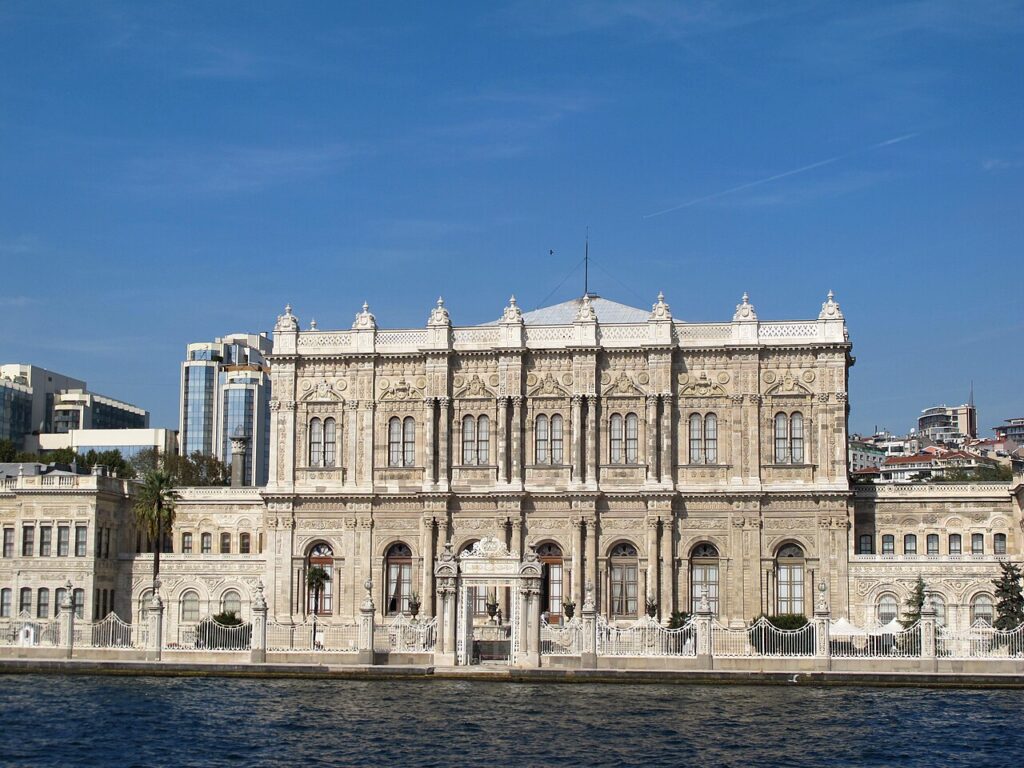
Within the district, walking is the transport of choice: the center, the fish market, the palace, and the stadium are all within a walk of the terminal, and the waterfront promenade makes the coastal walks easy. For the hills and the villages, the buses and the minibuses cover the routes, and the ride apps and the taxi rank at the terminal fill the gaps. The honest note: the hills behind the center are steep, the cobbles of the old quarters are uneven, and the summer heat makes the waterfront walks a morning activity — plan accordingly. The Istanbulkart is the only ticket you need for all of it.
The Cards and the Practical Details
The Istanbulkart is the key to everything: buy it at the kiosks near the terminal, the tram stops, or any station; load it with a modest amount; and tap it on the ferries, the trams, the metro, the buses, and the minibuses. It costs a small fee for the card itself and pays for itself within a few rides; the transfer windows mean a ferry-plus-bus journey costs less than two full fares. The schedules are the other practical matter: the ferries thin out after midnight and on winter evenings — check the boards at the piers and know the last boat home. The rush hour: the 8–10 a.m. and 5–8 p.m. windows bring the commuter crowds; the visitor should either ride with them or shift the times. The apps: the city’s transit apps and the mapping services handle the network well, and the ride apps work for the taxis. The airports again: for the flight home, add an hour to whatever the journey is supposed to take — Istanbul’s traffic is famous, and the security lines at the airports are real.

The Takeaway
Besiktas’s transport is the district’s quiet superpower: ferries that double as sightseeing, a tram-and-funicular network that ties in at the neighboring Kabatas, buses that run the coast, and airport connections that work from both sides of the city. The visitor who masters the Istanbulkart and the ferry schedule has mastered the city — and the visitor who bases in Besiktas has the Bosphorus as the daily commute and the whole strait within reach. The water, the rails, and the roads all converge here, and the district’s position on the European shore is the reason it has become one of the city’s most liveable and best-connected neighborhoods.
Frequently asked questions
Which airport is best for Besiktas?
It depends on the trade-off: Istanbul Airport (IST) is nearer in distance but longer in time (an hour-plus by metro and bus); Sabiha Gökçen (SAW) is the scenic route — the metro to Kadikoy, then the ferry across.
How do I get from Istanbul Airport to Besiktas?
The M11 metro to Kağıthane, change to the M7, and a final bus or minibus — roughly an hour to an hour and a half — or the Havabus shuttle services.
Do the ferries run all night?
Not quite — past midnight on the main lines, with reduced frequency later and in winter. Know the last boat home.
Is the Istanbulkart worth it for a short visit?
Yes. It is a small fee for the card, works on every mode of transport, and the transfer windows save real money.
How do I get to the old city from Besiktas?
The T1 tram from the neighboring Kabatas, or the ferries and buses — about twenty to thirty minutes.

All Over Information
The All Over Information editorial team researches and writes practical English-language guides to Turkey. Facts are checked against official and local sources before publication, prices are published as dated ranges rather than quotes, and guides are revised when things change. We accept no sponsored posts, paid placements or paid links.
More guides like this

The Best Day Trips from Besiktas
Besiktas sits at the heart of the Bosphorus, which makes it one of the best launch points in Istanbul for day trips.

Family-Friendly Activities in Besiktas
Besiktas is the Istanbul neighborhood that families discover and then refuse to leave.

Nightlife Guide to Besiktas
Besiktas has a nightlife personality that is all its own.

A First-Timer’s Guide to Besiktas
Besiktas is the Istanbul neighborhood that travelers keep stumbling into and then refusing to leave.

Best Local Restaurants in Besiktas
Besiktas is the neighborhood where Istanbul eats well without ceremony.

48 Hours in Besiktas: The Perfect Itinerary
Besiktas is the neighborhood that rewards a weekend.