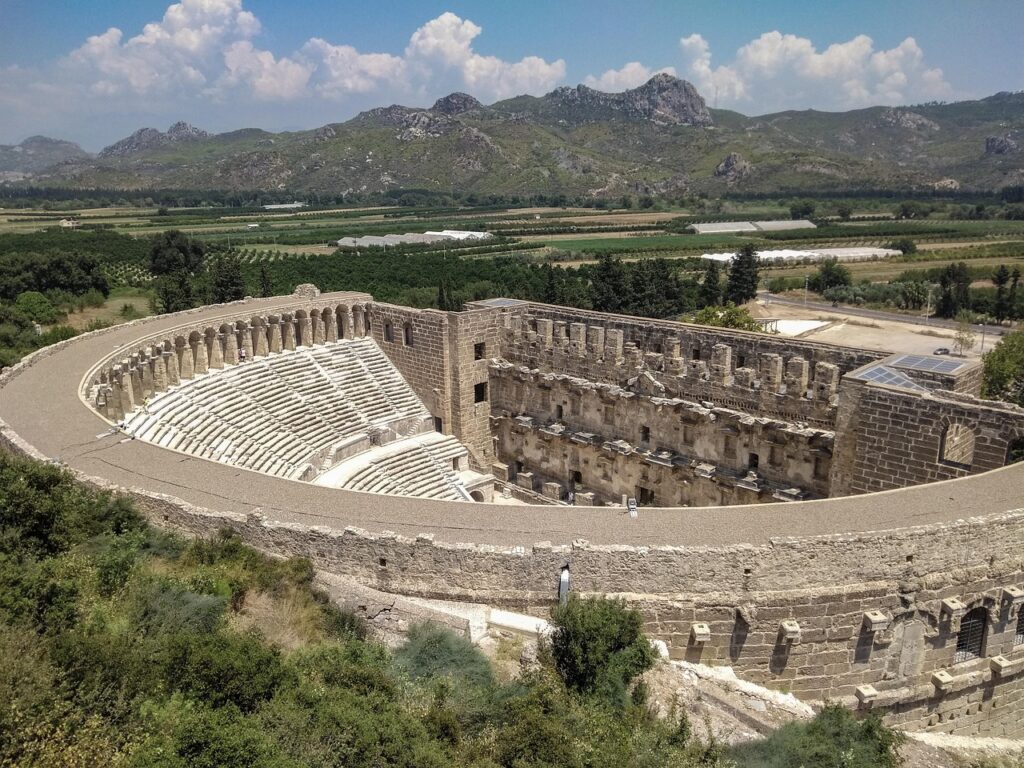
The theatre of Aspendos is one of the most popular excursion destinations on the Turkish Riviera, and on a busy summer day its great auditorium can fill with tour groups from the coast. Yet the theatre is a large building, and with a little planning you can have its curved seats and echoing stage almost to yourself. The secret lies in choosing the right season, the right day, and the right hour, and understanding the rhythm of the tour buses that feed the site. This guide explains exactly when to visit Aspendos for the quietest, most atmospheric experience, without sacrificing the beautiful light that makes the theatre so photogenic.
The Rhythm of the Day-Trip Crowds
To beat the crowds at Aspendos, you first have to understand where they come from. Almost everyone arrives on the same pattern: the excursion buses that run from Antalya, Belek, and Side, and the rental cars of travelers on the same circuit.
That pattern is predictable. The buses roll in from mid-morning onward, peak around midday, and thin out again by the late afternoon, which means the site has two quiet windows: the opening hour and the closing hour.
The theatre is also big enough to absorb a crowd, and it is never as oppressive as a smaller site, but the difference between a quiet visit and a busy one is still real. The acoustics, the photography, and the atmosphere all reward an empty auditorium.
Summer: The Peak Season
Summer, from June to September, is the peak season at Aspendos, when the Riviera is at its busiest and the excursion circuit is running at full strength. The theatre sees its largest numbers, and the middle of the day is best avoided.
The heat is the second problem of summer. The theatre is exposed, the stone seats absorb the sun, and by midday the auditorium can be genuinely uncomfortable, so the cooler hours of the morning and late afternoon are also the most pleasant.
If you visit in summer, go at opening time or late in the day, bring water and sun protection, and accept that you will share the building with other visitors. Even in high season, the theatre is never overwhelmed, and the early hours are surprisingly calm.
Spring: The Ideal Window
Spring, from April to June, is the ideal time for many travelers. The weather is warm but not punishing, the plain is green, and the crowds are still building toward their summer peak, so the theatre is noticeably quieter than it will be in July.
The light in spring is also beautiful, clear and fresh, and the surrounding countryside, with its orchards and flowers, is at its most attractive. The excursions from the coast are running, but at lower intensity than in high summer.
The only caution is the weather, which can bring showers in April and early May. A little rain is a fair price for the calm, and the theatre, with its vaulted passages, even offers shelter while you wait out a shower.
Autumn: Warm Days, Quiet Stones
Autumn, from September to November, is the connoisseur’s season at Aspendos. The sea is still warm, the days are still pleasant, and the crowds have fallen away as the summer season winds down.
October is especially rewarding. The excursion buses thin out, the heat softens, and the theatre takes on a golden, meditative character, with long shadows crossing the curved seats and the plain glowing in the afternoon light.
By late autumn, you may have the theatre almost to yourself. The site remains open through the mild winter days, and for travelers who want the building without the crowds, this is the season of seasons.

Winter: The Empty Theatre
Winter at Aspendos is a different experience entirely. The crowds are gone, the excursion buses have stopped, and the theatre stands in the quiet countryside, a vast, empty amphitheater of stone in the pale southern light.
The weather is the variable. The region has mild winters with occasional rain, and the site may close in very wet conditions, so check the current opening status before traveling. On a clear winter day, though, the visit is unforgettable.
The winter theatre is also the photographer’s theatre. The low sun rakes across the seats, the stage building throws long shadows, and the absence of people lets you frame the architecture in a way the summer months never allow.
The First Hour of the Day
Whatever the season, the single most reliable tactic is to be at the gate at opening time. The first hour of the day gives you the theatre in its morning light, before the buses arrive and before the heat builds.
In summer especially, the opening hour is the difference between a serene visit and a busy one. The early arrivals get the stage to themselves for the acoustics test, and the top rows offer empty views across the plain.
The morning light also favors the stage building, which faces the rising sun. Arrive early, do your photography first, and then explore the rest of the site while the morning is still young.
Weekdays vs Tour Bus Days
The day of the week shapes the crowds at Aspendos more than the season. The excursion circuit runs strongest in the middle of the week and at weekends, when the resorts are busiest, and the site sees its heaviest traffic on those days.
The quietest days are usually the shoulder days of the week, when tour schedules are thinner. A visit on a quiet weekday, combined with an early arrival, can give you the theatre in a state close to solitude.
If your schedule is fixed to a busy day, console yourself with the site’s scale. The theatre absorbs groups easily, and the quieter corners, the vaults, the back rooms of the stage, are always available for escape.
The Festival Season
The Aspendos Opera and Ballet Festival brings a different kind of crowd, and a different opportunity. During the festival season in summer, the theatre hosts performances in the evenings, and the crowds around the site swell at night.
For visitors, the festival is a chance to see the theatre doing its real work, and an evening performance is the most magical way to experience the building. If you plan to attend, book tickets ahead and arrive early for the best of the atmosphere.
The practical note: the festival closes the theatre to casual visitors during performances, so check the schedule if you plan a daytime visit in festival weeks. The daytime site remains open around the evening events.

National Holidays and School Breaks
The dates to watch are the Turkish national holidays and school breaks, when domestic travel surges and the whole coast fills with visitors. Around these periods, Aspendos sees its heaviest domestic traffic of the year.
The main peaks come with the long national holiday weekends and the school mid-term breaks, when Turkish families travel in large numbers. The resorts fill, the roads crowd, and the excursion sites, including Aspendos, feel the pressure.
If your trip dates are flexible, check the Turkish holiday calendar before booking. Being in the region just before or after a holiday peak gives you the best of the season without the surge.
Light, Shade, and the Best Hours
Finally, the best time to visit is also a matter of light. The theatre is an outdoor building, and its character changes completely with the angle of the sun, so the hour of your visit decides the photographs you take home.
The morning favors the stage building, the late afternoon floods the curve of the seats with golden light, and the hours around midday are the flattest and harshest. The late afternoon, just before closing, is the most beautiful window of the day.
The practical summary is simple: visit in spring or autumn, on a weekday, and arrive early or stay late. Do that, and the theatre of Aspendos, which has waited nineteen centuries for you, will show you its finest face.
Combining Your Timing With the Region
Aspendos rarely deserves a visit in isolation, and your timing can be tuned to a full day of ancient Pamphylia. The neighbouring sites of Perge and Side lie on the same plain, and the three together make one of the best day trips on the coast.
The smart order is to start at the busiest site, Aspendos, at opening time, then move on to Perge and Side as the morning progresses. By afternoon, the tour buses that arrived after you at Aspendos are working their way through the same circuit, and the sites you are leaving are filling up.
Alternatively, reverse the order on festival evenings: see Perge and Side by day, then arrive at Aspendos in the late afternoon and stay for a performance under the stars. However you arrange it, thinking about the route as a whole lets you spend the quiet hours of the day exactly where the crowds are not.
Frequently asked questions
What is the best time of year to visit Aspendos?
The best months are April to June and September to October, when the weather is pleasant and the crowds are manageable. Autumn, especially October, offers the quietest conditions of the good seasons, with warm days and beautiful light.
When is the theatre least crowded during the day?
The theatre is least crowded in the first hour after opening and in the late afternoon before closing, when the excursion buses are not on site. The middle of the day is the busiest and hottest window, especially in summer.
Does the festival affect daytime visits?
During the Aspendos Opera and Ballet Festival in summer, the theatre hosts evening performances, and the site closes to casual visitors during events. Daytime visits are possible around the performances, but check the festival schedule if you are traveling in festival weeks.

All Over Information
The All Over Information editorial team researches and writes practical English-language guides to Turkey. Facts are checked against official and local sources before publication, prices are published as dated ranges rather than quotes, and guides are revised when things change. We accept no sponsored posts, paid placements or paid links.
More guides like this

Turkish Architecture Through the Ages
Turkey is one of the world's great architectural museums, a country where ten thousand years of building history stand side by side.

Mevlana Museum Through the Centuries
The Mevlana Museum of Konya has stood through the deep history of the Sufi tradition, and its story runs from the thirteenth…
The Complete History of Blue Mosque
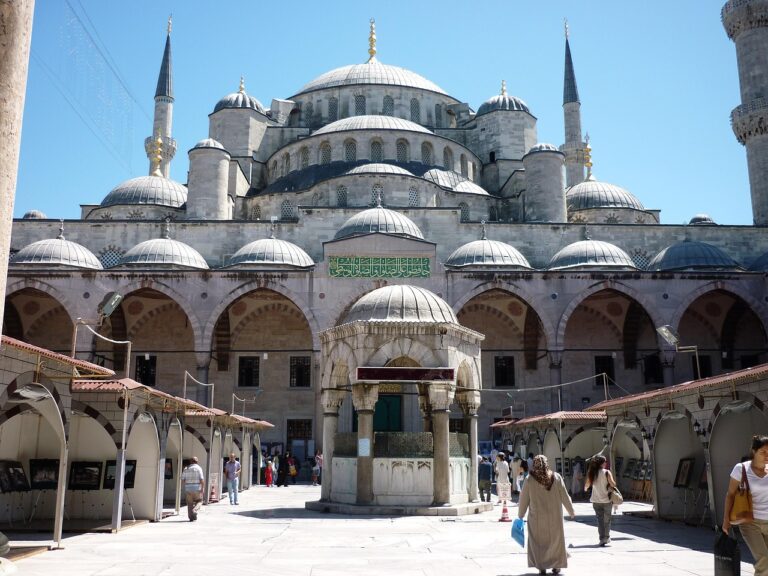
The Blue Mosque is the last great imperial mosque of the Ottoman classical age, and its history is a story of ambition,…

Why Hagia Sophia Should Be on Your Turkey Bucket List
Every travel list for Turkey includes Hagia Sophia, and the lists are right. This is not a monument you visit to tick…
The Architecture of Dolmabahce Palace Explained
Dolmabahce Palace is one of the most instructive buildings in Turkey because it is many styles at once: Baroque, Rococo, Neoclassical, and…

Istanbul’s Skyline: Old Meets New
No skyline in the world tells a longer story than Istanbul's.