The Aegean region of Turkey is a landscape shaped by two ancient trees. Olive groves silver the hillsides, and fig orchards spread their broad shade across the valleys, together forming the agricultural soul of the region. These are not just crops; they are living links to antiquity, cultivated on the same terraces for millennia and woven into the food, the festivals, and the identity of Aegean life. This article takes you into the fig and olive farms of the Aegean and shows you how to taste their story.
The Trees That Shaped a Region
Olive and fig trees have defined the Aegean landscape longer than any civilization. Both are Mediterranean natives that thrive on the region’s hot, dry summers and mild, rainy winters, and both were cultivated here thousands of years before the Greeks and Romans arrived. The earliest records of olive oil production in the region date to ancient times, and the fig has been part of Anatolian agriculture since the dawn of settled life.
The two trees complement each other perfectly. Olives grow best on the rocky, well-drained slopes, while figs prefer the deeper soils of the valleys, so the two divide the landscape between them. Together they created a resilient farming system that has fed the region for millennia, and the groves and orchards you see today descend from trees whose ancestors stood in the same soil since antiquity.
The Ancient Olive Groves
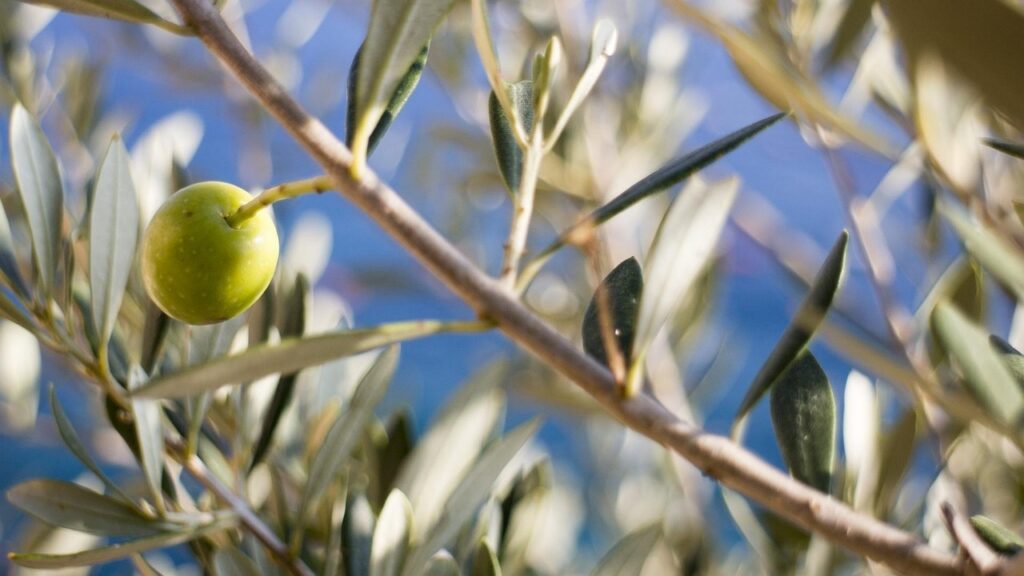
The olive groves of the Aegean are among the most beautiful agricultural landscapes in Turkey. Ancient trees with gnarled, twisted trunks stand in silver-green ranks across the hillsides around Izmir, Aydin, and the peninsula of Karaburun, some of them centuries old. Their roots dig deep through the rocky soil, and their leaves turn like sequins in the wind, giving the whole region a shimmering, silvery character that painters have loved for generations.
These groves are farmed with patience. The trees are pruned by hand, the ground beneath them is cleared and sometimes plowed, and the harvest comes in winter, when the olives are picked, shaken, or combed from the branches. Many groves are organic, simply because the rocky terrain and the traditional methods make chemical farming impractical. The old trees produce less than young ones, but their oil is prized for its depth of flavor.

The Fig Orchards of the Valleys
The fig orchards of the Aegean are concentrated in the fertile valleys around Aydin, where the meandering rivers and the mild climate create perfect conditions. The most famous variety, the Smyrna fig, grows here, and the region has been the center of Turkish fig production since Ottoman times. The trees spread wide, their leaves dense enough to shade a family picnic, and their fruit swells through the summer from green to purple and gold.
The fig’s life cycle has a curious history. Smyrna figs need a tiny wasp to pollinate them, and the relationship between tree, wasp, and wild fig has been understood and managed by farmers for centuries. In summer the orchards fill with the sweet scent of ripening fruit, and the harvest begins in August, when the figs are picked by hand several times a week as they reach perfect ripeness, too delicate to survive machine harvesting.
The Olive Harvest
The olive harvest in the Aegean begins in late autumn, usually in November, and runs into the new year. The timing depends on what the grower wants: greener olives picked early yield a more peppery, bitter oil, while fruit left longer produces a rounder, sweeter one. The work is communal and sociable, with families, friends, and hired hands gathering under the trees, spreading nets, and combing or shaking the branches.
The freshly harvested olives are rushed to the press, because quality oil demands fruit processed within hours of picking. Modern mills in the region press the fruit the same day, and the first cold-pressed oil of the season, known as erken hasat, is a prized product that appears in gourmet shops and restaurant menus across the country. For the region’s farmers, the press day is the climax of the year’s work, and the tasting of the new oil is a small ceremony.

The Fig Harvest
Fig harvest time arrives in August and continues through September and into early October, and it is the busiest season in the Aegean valleys. The figs are picked by hand in repeated passes, since the fruit ripens unevenly, and pickers work through the orchards every few days. The ripe figs are incredibly fragile, so they are handled gently, placed in shallow trays, and carried carefully to the drying yards.
A large share of the Aegean fig crop is dried, and the drying is an art in itself. The figs are laid out on mats in the sun, turned regularly, and sometimes dipped in salt water to protect them, until they reach the dense, chewy texture of the classic Turkish dried fig. The drying yards fill the villages with sweetness in September, and the dried figs, graded by size, are packed for markets across Turkey and for export around the world.
The Golden Oil and the Sweet Fruit
The products of these two harvests are at the heart of Aegean food culture. The olive oil, pressed from the hillside groves, is the foundation of the region’s cooking, used for everything from frying fish to dressing salads, and the best oils are fruity, peppery, and intensely green. The figs, whether fresh, dried, or preserved, appear in cheese plates, pastries, and desserts, and the dried figs of the region are considered among the finest in the world.
The two also meet in the kitchen. Olive oil-dressed salads with slices of fresh fig, fig jam served with white cheese, and lamb roasted with figs and honey are all Aegean classics. The region’s markets, from the bazaars of Izmir to the village stalls of the valleys, are showcases for both products, and the shops of Aydin are lined with jars of fig preserves and bottles of golden oil.
The Farming Life Today
Fig and olive farming remains a family business in the Aegean, and the rhythm of the seasons still rules village life. The winter belongs to the olives, the summer to the figs, and the in-between months to pruning, fertilizing, and repairing terraces. Many farms are small and organic, and the work is hard, but the rewards include a way of life rooted in the land and a product whose quality is recognized worldwide.
The challenge is generational. Young people often prefer the cities to the hard physical work of the groves, and the farms that survive are increasingly those that find modern markets, through organic certification, direct sales, or tourism. Some families have begun to open their farms to visitors, offering tastings, harvest experiences, and stays, which brings new income and new energy to the old way of life.
Visiting Fig and Olive Farms
The Aegean is one of the easiest regions in Turkey for farm visits. Many olive growers welcome visitors during the harvest, showing the groves, explaining the press, and offering tastings of the new oil, and some farms open year-round with shops and cafes. Fig orchards are more seasonal, but in August and September you can often join a picking morning and taste fruit straight from the tree, an experience no market can match.
The best areas to base yourself are the villages around Aydin for figs and the hills of Izmir and the Karaburun peninsula for olives. Ask at your hotel or guesthouse about nearby farms, and look for the signs advertising tastings and farm shops. The harvest seasons, November to January for olives and August to October for figs, are the most rewarding times, when the farms are alive with work and the new season’s products fill the tables.

Tasting the Aegean’s Bounty
No visit to the Aegean is complete without tasting its two signature crops. Start with a breakfast of white cheese, fresh figs, and bread dipped in the year’s new oil, and work your way through the region’s markets, where the dried figs and bottled oils are the pride of the stalls. Join a cooking class if you can, because the Aegean kitchen turns these two ingredients into an astonishing range of dishes, from meze to dessert.
The farms and their products also anchor the region’s festivals, from the fig festivals of the Aydin villages in autumn to the olive harvest celebrations in winter. Whether you simply buy a bottle of oil from a roadside farmer or spend a day in the groves, you are tasting a tradition that has sustained this landscape for thousands of years. The Aegean is many things, but at its core it is a land of olives and figs, and their flavor is the taste of the region itself.
The Rituals of the Harvest Seasons
The harvest calendar shapes Aegean village life like a slow-moving festival. In late summer, the fig season opens with the first ripe fruit; in late autumn, the olive harvest takes over, and the press houses work around the clock until the new oil flows. Both seasons are times of shared work and the particular satisfaction of food grown and gathered by hand.
Visitors who arrive during these weeks find the region at its most welcoming, with farmers inviting guests to join the picking and families serving harvest meals in their courtyards. The rhythm is ancient, and participating in it, even for an afternoon, is one of the most memorable experiences the Aegean offers.
The seasons also anchor the region’s calendar of markets and fairs, from the fig festivals of the Aydin villages to the olive celebrations of the coast.
Frequently asked questions
When is the best time to visit Aegean fig and olive farms?
The olive harvest runs from November through January, and the fig harvest from August through October. Both seasons are excellent for farm visits, since the farms are busy and the new products are being pressed and dried. August and September offer fresh figs straight from the tree, while the winter months showcase olive pressing and the new oil. Outside harvest, many farms still offer tastings and tours.
What makes Aegean olive oil and figs special?
The Aegean’s hot, dry summers and mild winters produce concentrated flavors, and the region’s traditional, largely organic farming methods preserve them. The old groves yield oil with deep, peppery character, and the Smyrna figs of the Aydin valleys are prized worldwide for their sweetness and texture. The combination of variety, soil, and traditional craft makes both products benchmarks of quality.
Can I buy products directly from Aegean farms?
Yes. Many Aegean farms operate shops or sell directly to visitors, especially during harvest seasons, and the region’s markets and village stalls are full of farm-produced oil, dried figs, preserves, and fig paste. Buying directly supports small family farms and guarantees freshness. The harvest months are the best time for the widest choice, with the new oil and the current season’s figs at their peak.

All Over Information
The All Over Information editorial team researches and writes practical English-language guides to Turkey. Facts are checked against official and local sources before publication, prices are published as dated ranges rather than quotes, and guides are revised when things change. We accept no sponsored posts, paid placements or paid links.
More guides like this
Climate Zones Across Turkey Explained
Turkey's climate is far more varied than its holiday-brochure image suggests.

Uzungol Lake: Turkey’s Natural Wonder
Uzungol is one of Turkey's most beautiful natural wonders, a long, emerald lake hidden in the green mountains of the Black Sea…

Hot Air Ballooning over Cappadocia: What to Expect
Flying over Cappadocia in a hot air balloon is one of the world's great travel experiences, and it is the reason thousands…

Best Hiking Trails Around Aladaglar National Park
Aladaglar National Park offers the finest mountain walking in Turkey, a wilderness of granite peaks, green valleys, and glacier lakes that rewards…

Best Hiking Trails Around Lake Van
Lake Van's shoreline and the mountains that surround it offer some of the most rewarding hiking in eastern Turkey.

How to Visit the Pamukkale Thermal Pools: Practical Tips
A visit to Pamukkale is straightforward, but the details make the difference between a rushed photo stop and a full, comfortable experience.