Sultanahmet is a shopping district disguised as a historic neighborhood, and for good reason: the Grand Bazaar has been trading here since 1461, and the old city has supplied the world with carpets, ceramics, and confectionery for five centuries. Shopping well here is an art with three rules: know what the real things are, know what they should cost, and know how to walk away. This guide covers what to buy in Sultanahmet, where to find the genuine article, and how to come home with treasures instead of regrets.
The Grand Bazaar: How to Shop It
The Grand Bazaar — Kapalicarsi — is the anchor: roughly 4,000 shops under vaulted lanes, and one of the great shopping experiences on earth once you know the system. The system is negotiation. The first price is always a starting point; the real price is a conversation. The rules that protect you:
- Set your budget before you enter, and know it in lira. The seller will read your face, not your currency app.
- “Just looking” is the magic phrase. Sadece bakıyorum, said with a smile, ends the hard sell instantly.
- Compare three shops before buying anything significant. The same carpet pattern exists in a hundred windows, at wildly different prices.
- Walk away as a tactic, not a bluff. If the price doesn’t meet you, leave. Half the time the seller calls you back; either way, you learn the real number.
- Beware the helpers. The man who insists on carrying your bags to “his uncle’s shop” is taking you somewhere that pays him commission — and you pay it.
Carpets: The Big Purchase
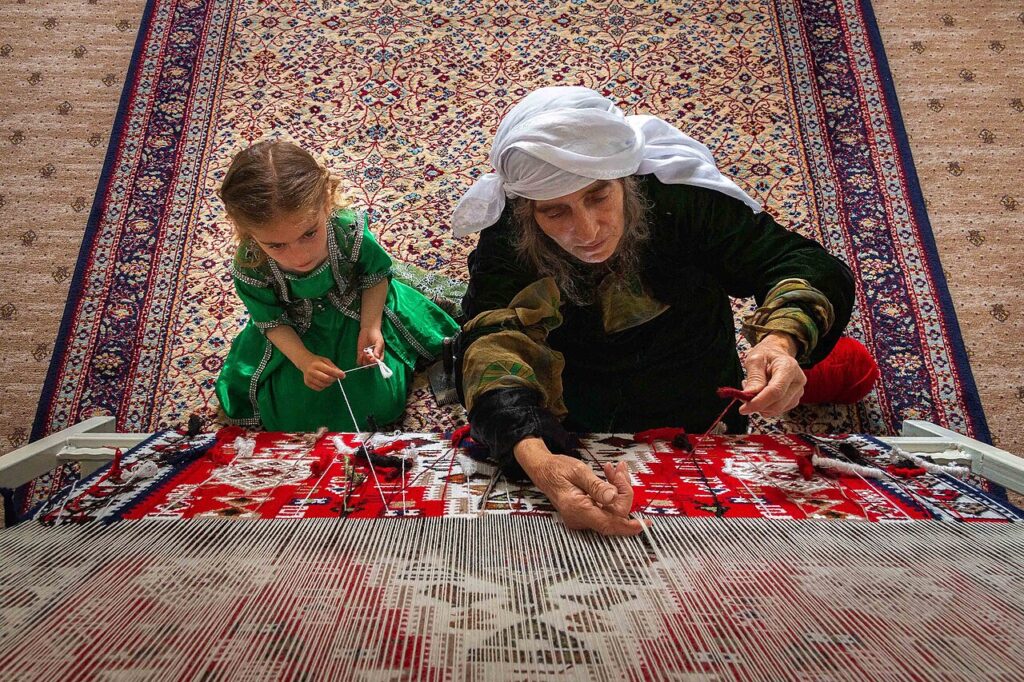
Turkish carpets are the neighborhood’s prestige purchase, and they are worth understanding before you spend. The classic types: Oushak (soft, pale, classic patterns), Hereke (the finest, silk-and-wool palace weaves), kilims (flat-woven, geometric, affordable), and the tribal pieces from Anatolia.
What separates a good carpet shop from a tourist trap: the willingness to show you the weaving process, honest provenance (“this is a machine-woven Hereke imitation, and here is why it costs less”), and a fair price that both sides can defend. A genuine hand-knotted carpet of decent size runs from several hundred to several thousand dollars depending on knot count, materials, and age; a good rule is to buy from a shop that has been around for decades, ask for the certificate and the wash-and-ship terms, and haggle seriously but respectfully. If you love it, it was worth it — that is the only standard that matters.
Ceramics: Iznik and Kutahya
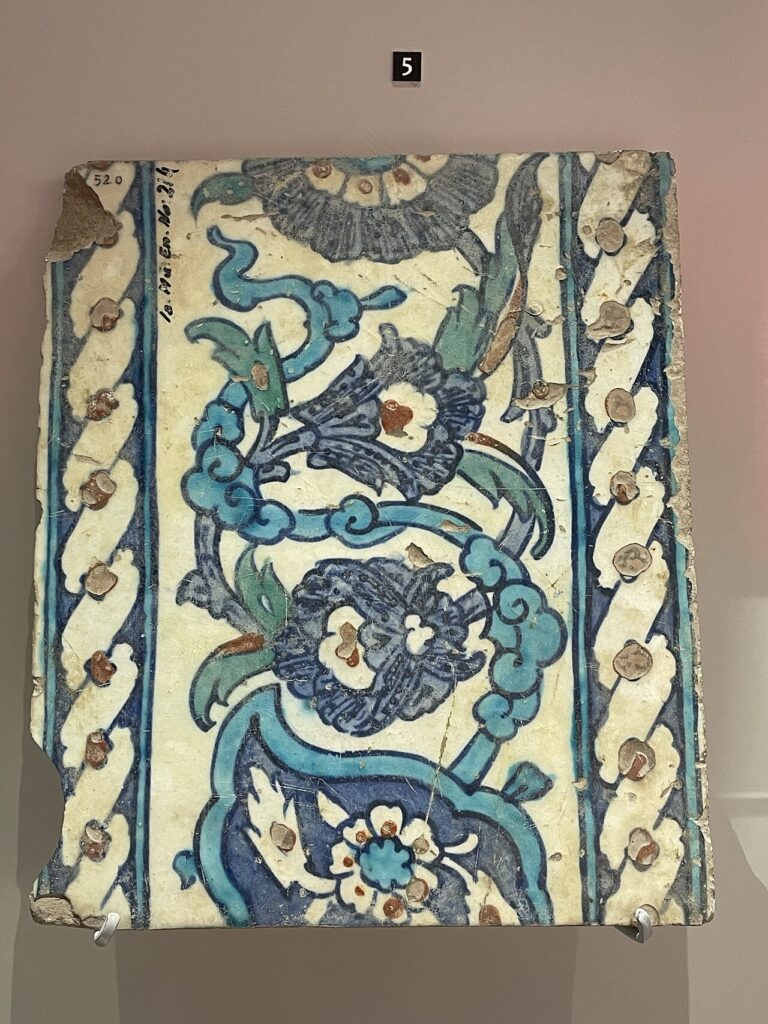
The blue-and-white tiles and plates that cover the Blue Mosque’s interior come from Iznik, and modern Iznik and Kutahya potteries continue the tradition. The genuine articles are recognizable: hand-painted with visible brushwork, irregular in pleasing ways, and priced from around 300 lira for a small plate to several thousand for a large hand-painted tile.
Buy ceramics from dedicated pottery shops, not the souvenir stalls — the Arasta Bazaar and the ceramics lanes near the Grand Bazaar have the real ones, and the workshops will often show you the painting process. Ask whether it is hand-painted (el yapımı) or printed; printed plates are fine souvenirs but not treasures. Ceramics travel well if wrapped properly; most shops pack for the flight as a matter of course.
Textiles: Silk, Cotton, and the Art of the Scarf
Istanbul is a textile city, and Sultanahmet’s shops carry the evidence: Bursa silk, cotton with hand-rolled hems, and the classic patterned scarves and pashminas. The quality tells in the weave — hold the fabric to the light, feel the weight, and buy from a shop that lets you touch everything. A good silk scarf runs 500–1,500 lira; cotton scarves and towels are the affordable staples, and the traditional Turkish towels (pestemal) — thin, absorbent, and beautiful — are the smart modern purchase.
Lamps and Copper: The Light and the Shine
The mosaic lamps that fill the bazaar windows — colored glass, hand-cut, glowing like stained glass — are the neighborhood’s most photogenic buy. Genuine hand-cut mosaic lamps run from 400 to 2,000 lira depending on size; the machine-made ones are cheaper and dimmer. Copper is the other great traditional craft: cezves (coffee pots), trays, and hammered bowls. Heavy, beautiful, and best bought from the coppersmiths’ quarter rather than the souvenir aisles.
Spices, Lokum, and the Edible Souvenirs
The Spice Bazaar is the foodie’s stop, and its edible treasures travel better than any carpet:
- Lokum (Turkish delight) — rose, pomegranate, pistachio — bought by the kilo from the counters that let you taste first.
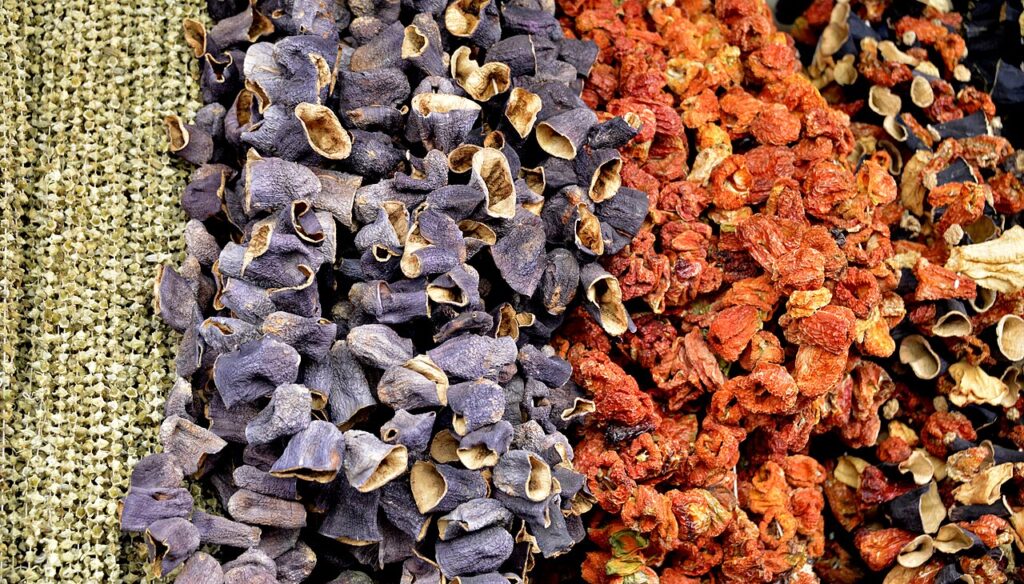
- Saffron, sumac, and the spice blends. Small, light, and legal to carry; buy from the established stalls, and know that cheap “saffron” is usually not saffron.
- Apple tea and pomegranate tea — the sweet, powdery mixes that are the classic gifts, lighter than the carpets and always welcome.
- Dried apricots, figs, and nuts — the best of Anatolia, priced by weight, eaten on the flight home.
- Turkish coffee, ground fine — with a cezve and a set of tiny cups, it makes the perfect present for any coffee obsessive.

The Rules of the Game
- Pay with card at established shops; cash for street stalls. Large card transactions are standard in the bazaar, but the small sellers prefer cash, and cash gets the better price.
- Get the export paperwork for big purchases. Carpet shops handle the certificate and shipping; for antiques, check the export rules with the shop before buying.
- Shipping beats carrying. A good carpet shop ships worldwide with insurance; carrying a rolled carpet through customs is a rookie move.
- The bazaar closes on Sundays. The Grand Bazaar’s lanes roll down; the Arasta and the Spice Bazaar keep their own hours. Plan around it.
- Prices are for conversation. Nothing in the bazaar has a fixed price, and nobody is offended by a counter-offer — that is the game, and playing it well is the fun.
The Souvenir List: What Fits in a Suitcase
For the traveler who wants treasures without the freight, here is the light-and-easy shortlist:
- A hand-painted plate or tile. Small Iznik-style plates travel flat and wrap easily; one good plate is the classic Sultanahmet keepsake.
- Pestemal towels. The thin, absorbent Turkish towels fold to nothing, dry fast, and double as scarves or throws. The best modern souvenir value in the bazaar.
- Spices and teas. Saffron, sumac, apple tea, and the spice blends — light, cheap, legal, and the gifts everyone actually uses.
- Lokum and Turkish coffee. A kilo of lokum, a bag of fine-ground coffee, and a tiny cezve pot make a gift set that travels like a dream.
- The evil eye (nazar). The blue glass charms are light, tiny, and the quintessential Turkish souvenir; the small ones cost almost nothing.
- A silk scarf. The classic textile purchase, flat-folding and universally wearable.
- Mosaic lamp kits — if you fall for the lamps but can’t carry the glass, several bazaar shops sell the components flat, to be assembled at home. The best of both worlds.
A note on ethics: the workshops that let you watch the making are the ones worth supporting. The hand-painted, hand-woven, hand-hammered things carry real craft and real history; the factory imitations carry neither. Ask where things are made, support the makers you can see, and your souvenirs will still be telling their story in twenty years.
The Takeaway
Sultanahmet’s shopping is a craft, and the craft is negotiable. Know what the real things are — hand-painted Iznik, hand-knotted kilims, mosaic lamps with visible brushwork — set your budget in lira, compare before you commit, and treat the negotiation as part of the souvenir. Buy the light things by the kilo and the big things with a certificate, and the old city will send you home with the best kind of luggage: treasures that carry the story of Istanbul in them.
Frequently asked questions
What is the best thing to buy in Sultanahmet?
For value and travel-friendliness: ceramics, lokum, and Turkish towels. For the big-ticket memory: a hand-knotted carpet from a long-established shop.
Is the Grand Bazaar open on Sundays?
No — the Grand Bazaar is closed on Sundays. The Arasta Bazaar and the Spice Bazaar have their own schedules, and the Spice Bazaar is also closed Sunday.
How much should you negotiate in the bazaar?
The first price typically has 30–50 percent of room built in. Aim for a fair meeting point, not a massacre — the sellers are professionals, and a good price leaves both sides happy.
Can you pay by card in the Grand Bazaar?
Yes, at the established shops. The card machines work, and for larger purchases they’re standard. Carry cash for the small stalls and the street sellers.
Are the carpets in the Grand Bazaar genuine?
Many are — Istanbul is a serious carpet-trading center — but “genuine” comes in grades: hand-knotted wool, hand-knotted silk, machine-woven imitations. Ask directly what you are buying, compare shops, and buy from a reputable house with a certificate.

All Over Information
The All Over Information editorial team researches and writes practical English-language guides to Turkey. Facts are checked against official and local sources before publication, prices are published as dated ranges rather than quotes, and guides are revised when things change. We accept no sponsored posts, paid placements or paid links.
More guides like this

Sultanahmet in Summer: A Complete Travel Guide
Summer is when Sultanahmet is at its fullest and its most demanding.

How to Get to Sultanahmet from Istanbul
Sultanahmet sits in the middle of a transit network that connects the whole of Istanbul, which is good news: reaching it from…

History and Culture of Sultanahmet
No neighborhood on earth compresses more history into a smaller space than Sultanahmet.

Where to Stay in Sultanahmet: Neighborhood Guide
Sultanahmet is the classic first-night choice in Istanbul, and with good reason: the neighborhood puts you in the middle of everything, on…
Photography Spots in Sultanahmet You Can’t Miss
Sultanahmet is a photographer's dream that does half the work for you.

The Best Day Trips from Sultanahmet
Sultanahmet is a superb base for a week of Istanbul, partly because the city around it is enormous and partly because so…