Ortakoy sits on the European shore of the Bosphorus, in the heart of Istanbul’s most scenic waterfront, and reaching it is easier than the narrow streets suggest. Two international airports serve the city, and a network of ferries, buses, and taxis connects them to the village. The key is knowing which combination works for your arrival time and luggage situation. This guide covers every practical route — from the airports, from the main districts, and within the neighborhood itself.
From Istanbul Airport (IST)
Istanbul Airport, the city’s main international hub, lies far to the northwest on the European side. The most reliable route to Ortakoy is the airport bus to Beşiktaş, which runs frequently through the day and night, followed by a short taxi or bus ride south along the shore. The bus journey takes about an hour in normal traffic, longer at rush hour, and the ticket is a fraction of the taxi fare. A direct taxi from the airport takes forty to fifty minutes and costs considerably more, but it is the sensible choice with heavy luggage or a late arrival. Ride-hailing apps show the fare in advance and remove the negotiation.
From Sabiha Gökçen Airport (SAW)
Sabiha Gökçen, on the Asian side, is a longer trip but a scenic one. The fastest route combines the airport shuttle bus to Kadıköy with a ferry across the Bosphorus — the crossing from Kadıköy lands you minutes from Ortakoy by taxi or bus, and the ferry ride itself is a highlight. Allow ninety minutes to two hours for the whole journey. A taxi over the bridge is faster but unpredictable in traffic, and the bridge toll is added to the fare. For most travelers, the bus-and-ferry combination is the best balance of cost, reliability, and scenery.
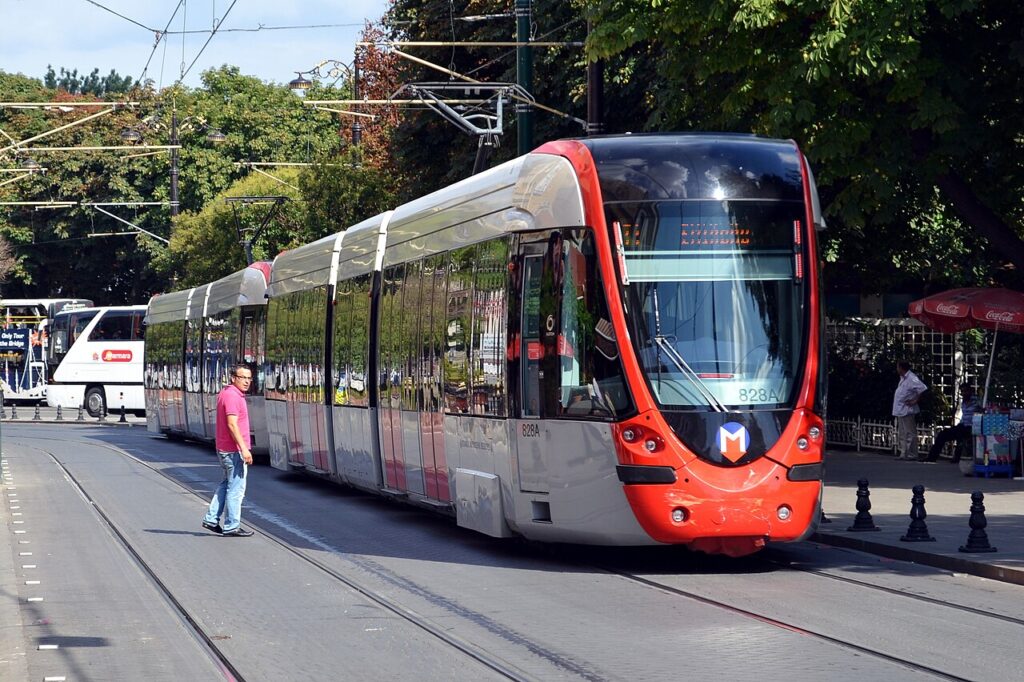
By Ferry: The Water Route
The ferry is the way Ortakoy is meant to be reached. The city’s ferry network connects the Bosphorus shore with the Asian side and the Golden Horn, and Ortakoy has its own landing steps a short walk from the square. Ferries from Beşiktaş, from the Asian shore at Üsküdar and Kadıköy, and from points along the strait all serve the route. Buy an Istanbulkart for the crossings — it works on every ferry, bus, tram, and metro in the city and cuts the per-ride cost roughly in half. Check the timetable the night before; the frequency drops in the evenings and on weekends.
From Taksim and the City Center
Taksim Square, the heart of modern Istanbul, is the most common starting point for visitors. A taxi from Taksim to Ortakoy takes about ten minutes in light traffic, or you can take the funicular down to Kabataş and then a short taxi or bus along the shore. The buses from Taksim run down through Beşiktaş and stop near the village; the walk from the nearest stop is short but uphill in places. On fine evenings, the most pleasant approach is on foot — the waterfront promenade from Beşiktaş to Ortakoy is one of the best walks in the city.

Getting Around the Village
Ortakoy itself is small enough to explore entirely on foot, and its streets are partly pedestrianized on weekends. The square, the mosque, the waterfront promenade, and the back-street cafés are all within a five-minute walk of each other. For the hills above the village, the streets are steep but the views reward the climb. Taxis can reach most points in the neighborhood, but the narrow streets jam up on weekends, so walking is usually faster. The nearest transport hubs — Beşiktaş to the south and the metro at the surrounding stations — connect the village to the wider city.
Practical Tips for Smooth Travel
A few habits make transport in and around Ortakoy painless. Always carry an Istanbulkart — it is the key to the entire public transport network, and the machines at the ferry landings and bus stops sell and top them up. Confirm your fare before taking a taxi, or use a ride-hailing app to avoid negotiation. For airport journeys, allow more time than you think you need: Istanbul traffic is unpredictable, and the bridge and shore roads are among the busiest in the city. Finally, keep your departure flexible — if a ferry is delayed, the buses and taxis along the shore will still get you where you need to go.
Getting Around by Night
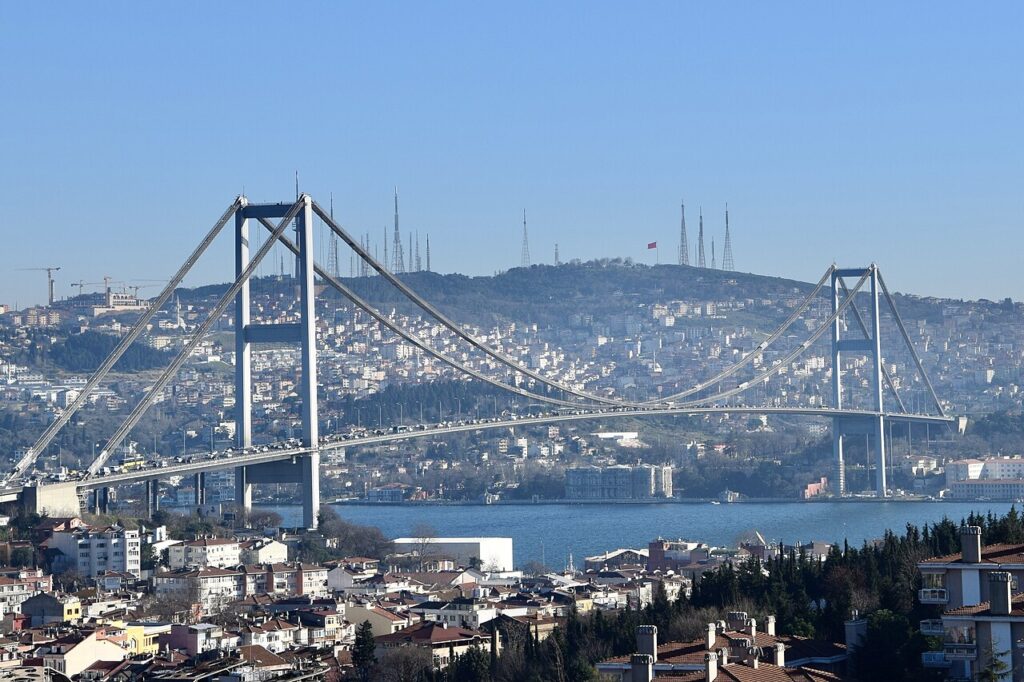
The transport options thin out after midnight, and a little planning saves the late return. The ferries stop running around midnight, but the buses continue along the shore into the small hours, and taxis are available throughout the night from the main roads. A taxi from the center of the village to Taksim takes about fifteen minutes at night, when the traffic has cleared, and the fare is a fraction of the daytime price. The ride-hailing apps work reliably at night and show the fare before you confirm. If you are crossing the bridge to the Asian side, remember the toll is added to the fare — check the app’s estimate includes it, and keep the receipt.
Traveling with Luggage
Ortakoy’s streets are narrow and partly pedestrianized, and the walk from the nearest bus stop or taxi drop-off to the hotels involves some cobblestones and steps. Travel light if you can, and use a backpack rather than a wheeled suitcase if your hotel is up a lane. The hotels are used to the situation and will help with bags, and the taxi drivers know the shortcuts to the hotel doors. For the airports, the hotel’s transfer service is the smoothest option — the drivers meet you at arrivals and handle the luggage, and the fixed price removes the guesswork. For budget travelers, the airport buses with a short taxi at each end work well enough with a backpack.

The Accessibility Notes
Ortakoy is compact, which helps travelers with limited mobility, though the cobblestones and the steps of the back streets are a challenge. The waterfront promenade is flat and smooth, and the square, the mosque forecourt, and the ferry landing are all accessible. The ferries themselves are wheelchair-friendly on the main routes, and the staff help with boarding. The back streets and the hills are the difficulty, so plan the accessible route along the shore. The hotels vary — ask about step-free access when booking, since the older buildings often have steps. The taxis and ride-hailing cars are the most reliable transport for accessible travel, and the drivers assist with folding wheelchairs. With a little planning, the essentials of the village — the mosque, the water, the cafés, the ferry — are all reachable.
One more practical note: the ferries and the buses share the Istanbulkart, and topping up once at the start of the trip covers the whole stay. The machines at the ferry landings accept cash and cards, and the balance carries across every mode of transport in the city. For the airports specifically, the shuttle buses have their own ticket systems — buy the ticket at the airport desk or on the app, and keep it separate from the Istanbulkart balance. And for the return journey, allow the extra time the security lines take at the airports, and confirm your driver or bus time the evening before. The transport of Istanbul is reliable when it is planned, and a little planning turns the village’s connections into part of the pleasure.
The Takeaway
Ortakoy is well connected by every mode of transport Istanbul offers, and the ferry route makes the journey part of the experience. Choose the airport bus for budget, the taxi for luggage, and the ferry for pleasure — and once you arrive, leave the transport behind. The village rewards walking, and the best way to see it is the way the residents do: on foot, along the water.
Frequently asked questions
Which airport is closest to Ortakoy?
Istanbul Airport (IST) on the European side is closer in distance, but Sabiha Gökçen (SAW) can be similar in time when traffic and connections are considered.
How do I get from Istanbul Airport to Ortakoy?
Take the airport bus to Beşiktaş, then a short taxi or bus south along the shore; or take a direct taxi, about forty to fifty minutes.
Is the ferry a practical way to reach Ortakoy?
Yes — ferries connect Ortakoy with Beşiktaş, Üsküdar, Kadıköy, and other Bosphorus piers, and the crossing is one of the most scenic public transport rides in the world.
What is the best transport card to use?
The Istanbulkart works on every ferry, bus, tram, and metro in the city and is cheaper per ride than single tickets.
Is it easy to get a taxi in Ortakoy at night?
Yes — taxis pass through the main roads throughout the night, and ride-hailing apps reliably find drivers in the village.
Do the ferries from Ortakoy run late?
Most routes stop around midnight, so plan late returns by bus or taxi, or check the timetable for the last crossing.

All Over Information
The All Over Information editorial team researches and writes practical English-language guides to Turkey. Facts are checked against official and local sources before publication, prices are published as dated ranges rather than quotes, and guides are revised when things change. We accept no sponsored posts, paid placements or paid links.
More guides like this

Where to Stay in Ortakoy: Neighborhood Guide
Ortakoy is the character base of the Bosphorus — the waterfront village where the boutique rooms fill the old houses, where the…

The Best Day Trips from Ortakoy
Ortakoy sits on the Bosphorus at the foot of the first bridge — the ferries at the nearby piers, the buses along…

Nightlife Guide to Ortakoy
Ortakoy is not the nightlife district of Istanbul — the clubs and the loud bars belong to the modern quarters — but…

A Solo Traveler’s Guide to Ortakoy
Ortakoy is one of the easiest places in Istanbul for the solo traveler — safe, small, and welcoming, with the postcard at…

Best Local Restaurants in Ortakoy
Ortakoy eats the village's way — the kumpir at the square and the fish at the shore, the cafes of the back…
48 Hours in Ortakoy: The Perfect Itinerary
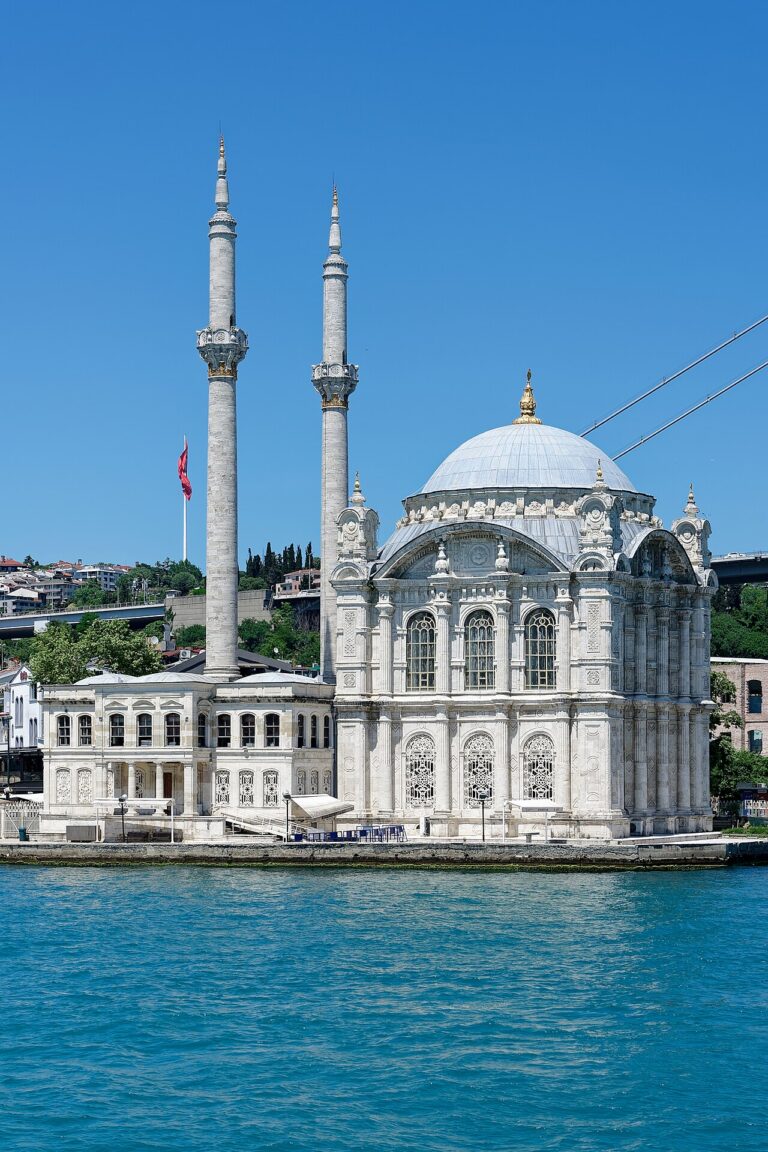
Two days in Ortakoy is the Bosphorus life at its fullest — the village's square and shore, the mosque and the bridge,…