Topkapi Palace is the great royal residence of the Ottoman sultans, a vast complex of courtyards, chambers, and gardens spread over Seraglio Point in the heart of old Istanbul. It is also one of the most popular museums in the world, which means queues, crowds, and planning. A good visit depends on a few decisions made in advance: when to arrive, what to see first, and whether to include the harem. This guide covers tickets, hours, and the practical tips that turn a rushed visit into a great one.
Getting There
Topkapi Palace stands at the tip of the old city, a short walk from the heart of Sultanahmet. The most convenient approach is by the tram, which stops at Sultanahmet, from where the palace is about ten minutes on foot through the park and past Hagia Sophia. The palace entrance, the Imperial Gate, opens onto the edge of the old city, where the walls meet the water.
The walk is part of the experience. You pass the great monuments of the first courtyard of the city’s history, and the approach builds anticipation. If you are coming from elsewhere in Istanbul, taxis and buses both reach the area, and the ferries from the Asian side arrive at nearby landings. The palace is at the center of everything, and the last steps are easy.
Tickets and Entry
Topkapi Palace is a museum, and admission requires a ticket. You can buy tickets at the gate, though the queues can be long in the middle of the day, or in advance through the official channels, which many travelers find much more convenient. The ticket covers the main palace courtyards and buildings, while the harem, which is managed separately, usually has its own admission.
There is also a museum pass for Istanbul’s major sites that can save both money and queue time if you are visiting several monuments, and it is worth calculating whether it pays for your itinerary. Students and children often receive discounted entry, and some visitors may qualify for free admission, so it is worth checking the current rules before you buy.

Opening Days and Hours
Topkapi Palace is closed on Tuesdays, a fact that surprises many visitors, and it is open on the other days of the week. The opening hours change with the seasons, with longer days in summer and shorter ones in winter, and the palace typically opens in the morning and closes in the late afternoon. The last entry is usually an hour or more before closing time.
Because the palace is large, the closing time matters more than at smaller museums: you need several hours to see the courtyards, the treasury, and the harem, and arriving late leaves you rushed. Check the current hours for the season of your visit, and plan to arrive early enough to give the palace the time it deserves.
The First Courtyard: Free and Open
The outer courtyard of the palace, entered through the Imperial Gate, is the only part of the complex that is free to visit. This great open space, with its lawns, trees, and the church of Saint Irene, was the most public part of the palace, where crowds gathered on ceremonial days and where visitors waited for admission to the inner courts.
The first courtyard is a pleasant place to begin and to end. The church of Saint Irene, one of the oldest churches in Istanbul, stands here, and the view of the palace walls and the city beyond is fine. If you arrive early, before the ticket queues form, you can take in this outer court in peace before entering the palace proper.

The Second Courtyard: Divan and Kitchens
Beyond the Gate of Salutation lies the second courtyard, the administrative heart of the palace. Here stood the imperial council chamber, where the grand vizier and the ministers met to govern the empire, and the Tower of Justice rises above it, from which the sultan could listen unseen to the deliberations. The kitchens, with their great domes and chimneys, occupy the entire eastern side.
The kitchens are now the palace’s museum of porcelain and silver, with one of the world’s finest collections of Chinese celadon and European porcelain. The second courtyard also holds the palace’s collection of imperial carriages. This courtyard deserves a full hour, and its scale, with the great plane trees and the arcades, is one of the most impressive sights in Istanbul.
The Harem: The Extra Experience
The harem, the private quarters of the sultan’s family, is a labyrinth of hundreds of rooms, courtyards, and corridors, and it is the most atmospheric part of the palace. Visiting it requires a separate ticket, and entry is often limited to protect the fragile interiors, so the queues can be long. The reward is one of the most extraordinary domestic interiors in the world.
The harem tour takes you through the quarters of the sultan’s mother, the apartments of the sultans themselves, the courts of the concubines, and the famous chambers decorated with tiles and calligraphy. Because the visit is usually guided or timed, it is best to join the harem queue early in your visit, before the middle of the day, when the waits grow longest.

The Third Courtyard: Treasury and Relics
The third courtyard, entered through the Gate of Felicity, was the innermost court, reserved for the sultan and his household. Here stands the Audience Hall, where ambassadors were received, the palace school, and the most famous rooms of the palace: the Treasury and the Privy Chamber. The Treasury displays the palace’s most celebrated treasures, including the Topkapi Dagger and the Spoonmaker’s Diamond.
The Privy Chamber holds the sacred relics of Islam, including items associated with the Prophet Muhammad, brought to the palace after the Ottoman conquest of the Arab lands. These rooms draw the largest crowds in the palace, and the treasury queue can be substantial. Seeing the treasury early, or just before closing, is the practical way to avoid the worst of it.
The Fourth Courtyard: Pavilions and Views
The fourth courtyard, on the terraces above the Bosphorus, is the most beautiful part of the palace. Here stand the pleasure pavilions, including the Baghdad Kiosk and the Revan Kiosk, small jewel-like rooms decorated with tiles and mother-of-pearl, built by the sultans to enjoy the views. The terrace overlooks the Bosphorus, the Golden Horn, and the Sea of Marmara at their meeting point.
This courtyard is also where you find the circumcision room and the iftar pavilion, and the gardens are a place to rest and look. The views from the terraces are among the finest in Istanbul, and the kiosks are the palace at its most refined. The fourth courtyard is the perfect place to end the visit, with the whole of the palace spread below you.

Guided or Self-Guided
The palace rewards both approaches. A guided tour brings the history alive, explaining the functions of the rooms, the lives of the sultans, and the intrigues of the harem, and for first-time visitors it can transform the experience. Audio guides are also available, offering the same depth at your own pace.
A self-guided visit, with a good guidebook or map, gives you freedom: you can linger in the treasury, return to the courtyards, and skip what interests you less. The palace is large enough that no single approach covers everything, and many visitors combine a self-guided main tour with a guided harem visit. Choose what suits your style, and leave time to wander.
Practical Tips for a Smooth Visit
A few decisions make the difference between a great and a grueling visit. Arrive at opening time, and go to the harem first or the treasury first, before the queues build. Wear comfortable shoes, because the palace is a day of walking over cobbles and courtyards. Carry water, and be ready for the crowds of midday, especially in summer.
Allow at least three hours for the palace, and four is better, with the harem included. The palace closes on Tuesdays, so plan around it, and check the current hours for your season. And remember the simplest tip of all: the palace is most magical early in the morning and late in the day, when the light is low and the courtyards are quiet.
What to Do If You Only Have Two Hours
If your time at the palace is short, the priorities are clear. Skip the first courtyard, which you can see without a ticket, and head straight through the Gate of Salutation into the second courtyard. From there, go to the harem first, because its queues grow through the day, and then to the treasury in the third courtyard, which holds the palace’s most famous treasures.
Finish with the fourth courtyard and its views over the Bosphorus, which take only minutes to reach and reward you with the best panorama in the palace. This route gives you the essentials, the harem, the treasury, and the terraces, in about two hours, at the cost of the kitchens, the relics, and the slower pleasures of the courtyards. If you can, come back for a second visit; the palace deserves the time.
Frequently asked questions
How long do you need to visit Topkapi Palace?
Plan for at least three hours, and four if you include the harem and want to see the fourth courtyard properly. The palace is large, with four courtyards, the treasury, the harem, and the pavilions, and it involves a lot of walking. Arriving at opening time gives you the best chance of seeing everything without rushing.
Is Topkapi Palace closed on Tuesdays?
Yes. The palace is closed to visitors on Tuesdays, like several other museums in Istanbul. It is open the rest of the week, with hours that change by season, and the last entry is usually well before closing time. Checking the current schedule before your visit is essential.
Is the harem worth the extra ticket?
For most visitors, yes. The harem is the most atmospheric part of the palace, a labyrinth of decorated chambers and courtyards that shows the private world of the sultans. It has its own admission and can have long queues, so joining the harem line early in your visit is the practical way to see it without wasting time.

All Over Information
The All Over Information editorial team researches and writes practical English-language guides to Turkey. Facts are checked against official and local sources before publication, prices are published as dated ranges rather than quotes, and guides are revised when things change. We accept no sponsored posts, paid placements or paid links.
More guides like this

The Complete History of Grand Bazaar
The Grand Bazaar of Istanbul is one of the oldest and largest covered markets in the world, and for more than five…
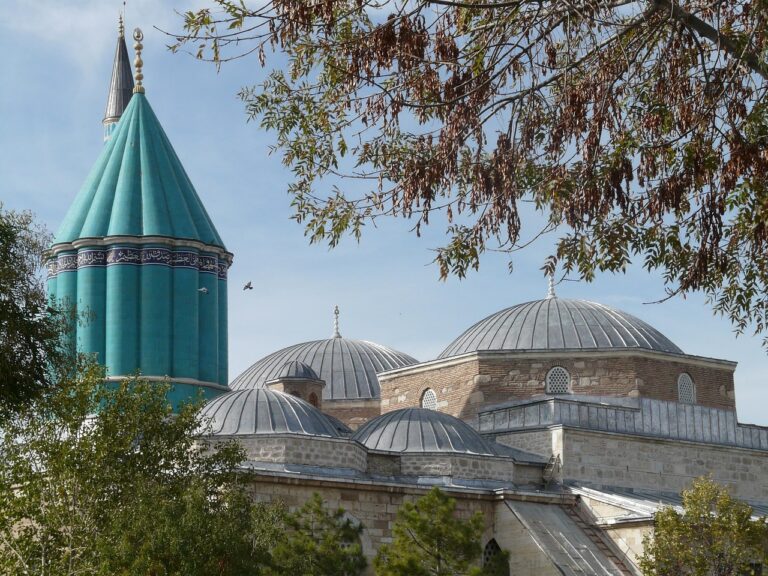
Visiting Mevlana Museum: Tickets, Hours, and Tips
The Mevlana Museum of Konya — the tomb of the great mystic Rumi — is one of the most visited museums of…

Best Time to Visit Hagia Sophia to Avoid Crowds
Hagia Sophia is Istanbul's most visited monument, and its popularity means the experience of visiting depends heavily on when you go.

Topkapi Palace Through the Centuries
Topkapi Palace was the home of the Ottoman sultans for nearly four hundred years, and its history tracks the whole arc of…

Visiting Ishak Pasha Palace: Tickets, Hours, and Tips
Ishak Pasha Palace is not a quick stop; it is a destination that demands a journey.

Why Maiden’s Tower Should Be on Your Turkey Bucket List
Istanbul is full of monuments you should see, but the Maiden's Tower is one of the few you should feel.