The Mevlana Museum of Konya — the tomb of the great mystic Rumi — is one of the most beloved monuments of Turkey, and one of the essential visits of the country. The traveler who comes to Turkey for the ancient sites and the coasts should make the time for the shrine of Konya, because the Mevlana Museum is the key to the spiritual heart of the country: the tomb of the poet and the mystic, the house of the whirling dervishes, and the monument of a message that has carried through the centuries. This guide makes the case for the Mevlana Museum on the bucket list.
The Shrine of the Master
The first reason for the Mevlana Museum is the shrine. The museum holds the tomb of Mevlana Celaleddin Rumi, the great poet and the mystic of the thirteenth century — the author of the Mesnevi, the teacher of the love and the tolerance, and the founder of the Mevlevi tradition. The mausoleum under the green dome holds the sarcophagi of the master and his family, and the tomb of Rumi is the goal of the visit: the shrine of the great mystic, the beloved monument of Konya, and the place of the pilgrimage for the centuries.
The shrine of the master is the heart of the museum, and the visitor who stands before the tomb of Rumi meets the soul of the tradition.
The Message of the Master
The second reason for the Mevlana Museum is the message. The teaching of Rumi — the message of the love and the unity, the tolerance of the human and the divine, and the call of the whirling dance — has carried through the centuries, and the museum of Konya is the place where the visitor meets that message: the poetry of the Mesnevi, the tradition of the Mevlevi, and the words of the master that speak to every visitor of the world. The message of Rumi is the message of the universal, and the museum holds it in the rooms of the shrine.
The message of the master is the reason the museum is beloved: the teaching of the love and the tolerance, carried through the centuries in the monument of Konya.

The Green Dome
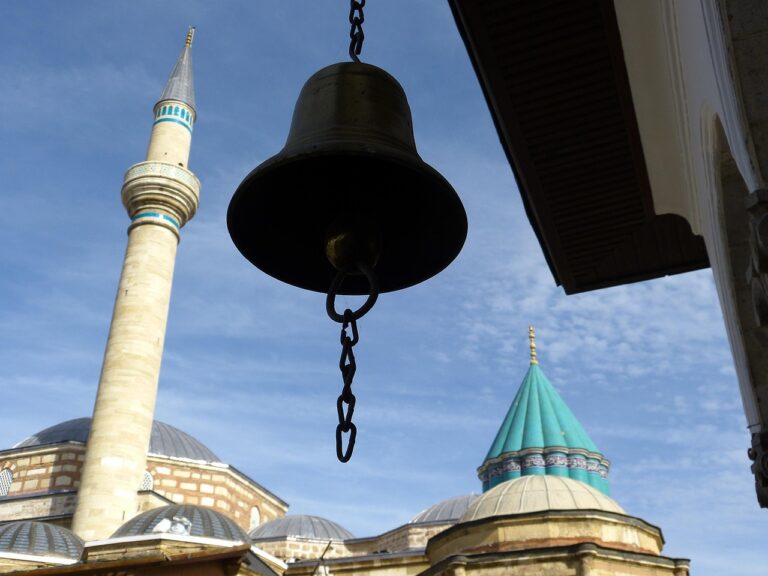
The third reason for the Mevlana Museum is the monument. The green dome of the mausoleum — the conical dome of the turquoise tiles, the landmark of Konya — is one of the great images of Turkey, and the architecture of the shrine is part of the experience: the dome of the master, the mausoleum of the tiles, and the complex of the museum around it. The green dome of the Mevlana Museum is the symbol of the city and the monument of the tradition, and the visitor who sees it sees the icon of Konya.
The green dome is the image of the museum, and the monument of the shrine carries the history of the tradition in its form.
The Tradition of the Whirling Dervishes
The fourth reason for the Mevlana Museum is the tradition. The museum is the house of the Mevlevi — the order of the whirling dervishes, founded by Rumi and carried through the centuries — and the rooms of the museum hold the heritage of the order: the semahane of the whirling ceremony, the musical instruments of the tradition, and the objects of the dervish life. The visitor who walks the museum walks the history of the Mevlevi, and the sema of the whirling dervishes — the dance of the ceremony, witnessed at the performances of Konya — is the living heritage of the tradition.
The tradition of the whirling dervishes is the cultural treasure of the museum, and the visitor who experiences it — in the rooms of the museum and the ceremony of the sema — carries the deep heritage of Turkey.

The Pilgrimage of the Centuries
The fifth reason for the Mevlana Museum is the continuity. The shrine of Konya has received the pilgrims and the visitors for eight hundred years: the faithful of the Mevlevi, the seekers of the tradition, and the travelers of the world. The museum of the present continues that line, and the visitor who comes to the tomb of Rumi joins the pilgrimage of the centuries — the long line of the people who have come to the shrine of the master, and the continuity of the devotion that the museum preserves.
The Beloved Monument
The sixth reason for the Mevlana Museum is the love. The museum is one of the most visited monuments of Turkey, and the visitors of the country come to the shrine with the affection: the schoolchildren of the nation, the families of the cities, and the pilgrims of the tradition. The museum is the beloved monument of the Turkish people, and the visitor who comes to Konya shares in that love — the place of the nation’s affection, and the welcome of the shrine.

The Access of the Visit
The seventh reason for the Mevlana Museum is the access. The museum stands in the heart of Konya, the museum welcomes the visitors of the world, and the visit of the shrine is the manageable one of the one to two hours. The access of the museum — the central location, the straightforward entry, and the compact visit — makes the Mevlana Museum the practical stop of the Turkey visit, within the reach of the traveler.
The Memory of the Visit
The final reason for the Mevlana Museum is the memory. The visitor who has stood under the green dome, before the tomb of the master, carries the memory of the shrine: the tiles of the mausoleum, the poetry of the Mesnevi, and the message of the love. The ancient sites of Turkey give the memories of the deep past; the Mevlana Museum gives the memory of the spirit — the shrine of the mystic, and the message that has carried through the centuries.

The Combination with Konya
The eighth reason for the Mevlana Museum is the combination of the visit. The museum stands at the heart of Konya, and the city holds the other monuments of the Seljuk capital: the Alaeddin Hill and its mosque, the Ince Minare and the Karatay museums, and the historic mosques of the city. The museum and the monuments of Konya make the day of the city: the shrine of the master in the morning, and the Seljuk heritage of the capital through the day — the spiritual and the historical of Konya, in the one visit.
The combination is the practical wonder of the Mevlana Museum: the shrine of the mystic and the monuments of the Seljuk capital, in the same city, in the same day of the Turkey visit. And the wider region of Konya — the plain of the city, and the ancient sites beyond — completes the understanding: the capital of the mystics and the Seljuks, set in the heartland of Anatolia, and the visitor who sees the museum in its context sees the deep Turkey whole.
The Personal Encounter
There is one more reason for the Mevlana Museum that the guidebooks rarely capture: the personal encounter with the master. The museum is the place where the visitor meets Rumi directly — the tomb of the mystic, the sarcophagus in the mausoleum, and the message of the poetry around it. The encounter is the moving one: the poet of the love and the tolerance, and the visitor standing before his shrine, in the quiet of the mausoleum under the green dome. The personal encounter of the visit is the memory that stays longest, beyond the architecture and the history.
The Verdict
The verdict on the Mevlana Museum is the simple one: the shrine of Konya is the essential of the Turkey visit. The tomb of the master, the message of the love, the green dome, and the tradition of the whirling dervishes — the museum delivers what the bucket list of Turkey needs: the spiritual heart of the country, in the beloved monument that holds it. The visitor who skips the Mevlana Museum sees the monuments of Turkey; the visitor who comes sees the soul of Turkey.
Frequently asked questions
Why is the Mevlana Museum important?
The Mevlana Museum holds the tomb of Mevlana Celaleddin Rumi, the great poet and the mystic of the thirteenth century, and the founder of the Mevlevi tradition. The museum is the spiritual heart of Konya and one of the most beloved monuments of Turkey.
What can I see at the Mevlana Museum?
The museum holds the mausoleum of Rumi under the green dome, the semahane of the whirling ceremony, and the rooms of the Mevlevi collection — the manuscripts, the musical instruments, and the objects of the dervish life.
Is the Mevlana Museum worth visiting?
Yes — the Mevlana Museum is one of the essential visits of Turkey: the shrine of the great mystic, the message of the love and the tolerance, and the tradition of the whirling dervishes. The visit takes one to two hours in the heart of Konya.

All Over Information
The All Over Information editorial team researches and writes practical English-language guides to Turkey. Facts are checked against official and local sources before publication, prices are published as dated ranges rather than quotes, and guides are revised when things change. We accept no sponsored posts, paid placements or paid links.
More guides like this

The Architecture of Basilica Cistern Explained
The Basilica Cistern is one of the most remarkable engineering structures of the ancient world, a vast underground reservoir whose architecture is…
The Architecture of Sumela Monastery Explained
Architecture is usually the art of building on solid ground, and Sumela Monastery is the exception that proves the rule.
The Complete History of Topkapi Palace
For nearly four centuries, Topkapi Palace was the heart of the Ottoman Empire: the home of the sultans, the seat of government,…

Visiting Yildiz Palace: Tickets, Hours, and Tips
Yildiz Palace is one of the most beautiful and least familiar of Istanbul's great palaces.

Suleymaniye Mosque Through the Centuries
Since its completion in 1557, the Suleymaniye Mosque has watched over Istanbul for nearly five centuries.

Hagia Sophia Through the Centuries
Hagia Sophia has outlived every empire that built it, and its history is a procession of centuries, each leaving its mark on…