The Mevlana Museum of Konya is one of the most visited museums of Turkey, and the crowds of the beloved monument can fill the shrine through the day. The visitor who knows the timing of the museum sees it at its best: the mausoleum in the calm, the green dome without the crush, and the message of the master in the quiet. This guide covers the best times to visit the Mevlana Museum to avoid the crowds, with the practical notes of the timing.
The Rhythm of the Day
The crowds of the Mevlana Museum follow the daily rhythm of the visitors, and the day breaks into the predictable phases. The morning opening is the quiet window: the first visitors of the day find the museum at its emptiest, the rooms walkable and the mausoleum uncrowded. The middle of the day brings the peak: the tour groups and the pilgrims arrive, and the museum fills through the late morning and the early afternoon. And the late afternoon brings the easing: the groups depart, and the last hours of the open day give the shrine back to the individual visitors.
The practical rule is the simple one: the earlier the visit, the quieter the museum, and the morning opening — the first hour or two of the day — is the reliable window for the calm visit. The midday hours are the ones to avoid, and the late afternoon is the second window.
The Days of the Week
The weekly rhythm of the museum follows the patterns of the visitors. The weekends bring the crowds: the visitors of the country and the families of the region fill the museum on the Saturday and the Sunday. The weekdays are the quieter days: the tourists and the pilgrims visit through the week, but the volume is lower, and the midweek days are the quietest.
The practical rule: the weekday mornings are the best time for the quiet visit, and the weekend should be avoided if the calm is the priority. The midweek morning is the sweet spot — the quietest of the week, and the shrine at its most contemplative.

The Seasons of the Year
The seasons shape the crowds of the museum as much as the days. The summer brings the visitors of the high season — the travelers of Turkey and the domestic visitors of the holiday months — and the July and the August are the busiest of the year. The spring and the autumn bring the moderate crowds: the visitors of the shoulder seasons. And the winter brings the quiet: the low season of the museum, when the shrine sees the fewest visitors.
The practical rule: the winter is the season of the quiet museum — the empty rooms, the calm mausoleum, and the shrine in the stillness — and the spring and the autumn offer the balance of the weather and the crowds.
The Festival and the Pilgrimage
The special occasions of the museum bring the crowds of the tradition. The December festival of the Mevlevi — the Mevlana Festival of Konya, around the anniversary of the master’s death — brings the pilgrims and the visitors to the city, and the museum receives its fullest crowds of the year: the ceremonies of the sema, the pilgrims of the tradition, and the visitors of the occasion. The anniversary of the master — the night of the union, on the 17th of December — is the great moment of the tradition, and the museum is its center.
The practical rule: the December festival is the time of the tradition — the museum at its most meaningful, and the crowds at their fullest — and the visitor who wants the quiet visit should avoid the festival days. The visitor who comes for the ceremony, in turn, finds the museum at its most powerful.

The Special Considerations
The practical notes of the museum visit go beyond the timing. The hours of the museum should be checked before the visit: the museum opens through the day, but the hours can vary with the seasons, and the museum closes on the certain days of the week — the closure day should be confirmed before the trip. The weather of Konya — the cold of the winter and the heat of the summer — shapes the visit of the museum, and the layers of the seasons serve the visitor.
The other consideration is the queue of the entrance: the museum is one of the most visited of the country, and the ticket queues can build through the day. The early arrival avoids the queue, and the visitor of the weekday finds the shorter lines.
The Best Windows in Practice
The practical best times for the Mevlana Museum, in order: the weekday mornings of the low season — the winter and the shoulder months — give the quiet museum in the calm, the best of all the windows. The late afternoons of the weekdays give the second window: the departing crowds and the quiet of the shrine. And the morning openings of the shoulder-season weekdays give the third: the calm hours before the groups of the day arrive.
The one time to avoid is the December festival — the ceremony of the tradition, when the museum is at its fullest — and the visitor who plans around the windows sees the beloved monument the way the postcards cannot show it: the empty rooms, the calm mausoleum, and the message of the master in the quiet.
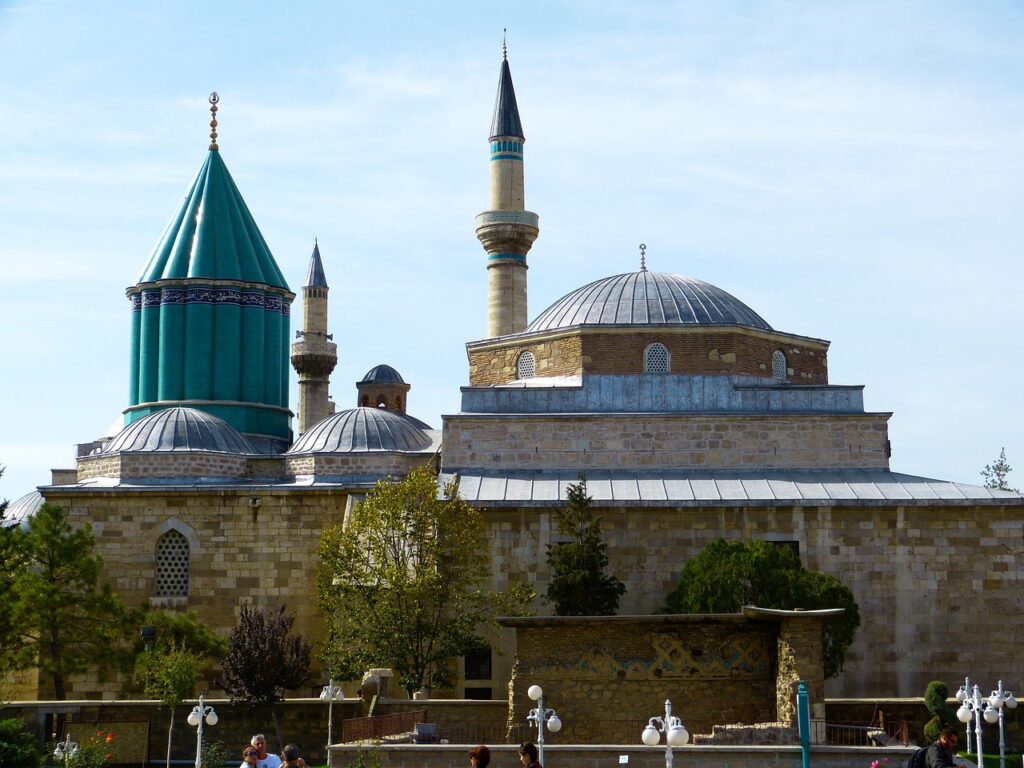
The Shrine Without the Crowds
There is a particular quality to the Mevlana Museum without the crowds: the visit becomes the encounter with the shrine itself. The empty rooms give the space for the collections — the manuscripts and the objects of the tradition, read slowly in the quiet — and the mausoleum opens without the crush: the tomb of the master under the green dome, and the silence of the shrine. The photography of the quiet museum is the photography of the monument — the clean frames and the uninterrupted shrine.
The visitor who takes the quiet window gets the museum at its most powerful: the shrine of the master, standing in the calm of the heart of Konya.
The Practical Checklist
The practical checklist of the quiet visit: check the hours and the closure day of the museum before the visit; plan the weekday morning, or the late afternoon as the second option; avoid the December festival and the midday peak; and check the weather for the comfortable day. The museum stands in the heart of Konya, and the visit combines with the wider day in the city of the Seljuk capital.
The visitor who follows the checklist — the timing, the hours, and the events — sees the Mevlana Museum at its best: the quiet shrine, the calm mausoleum, and the beloved monument of Konya.
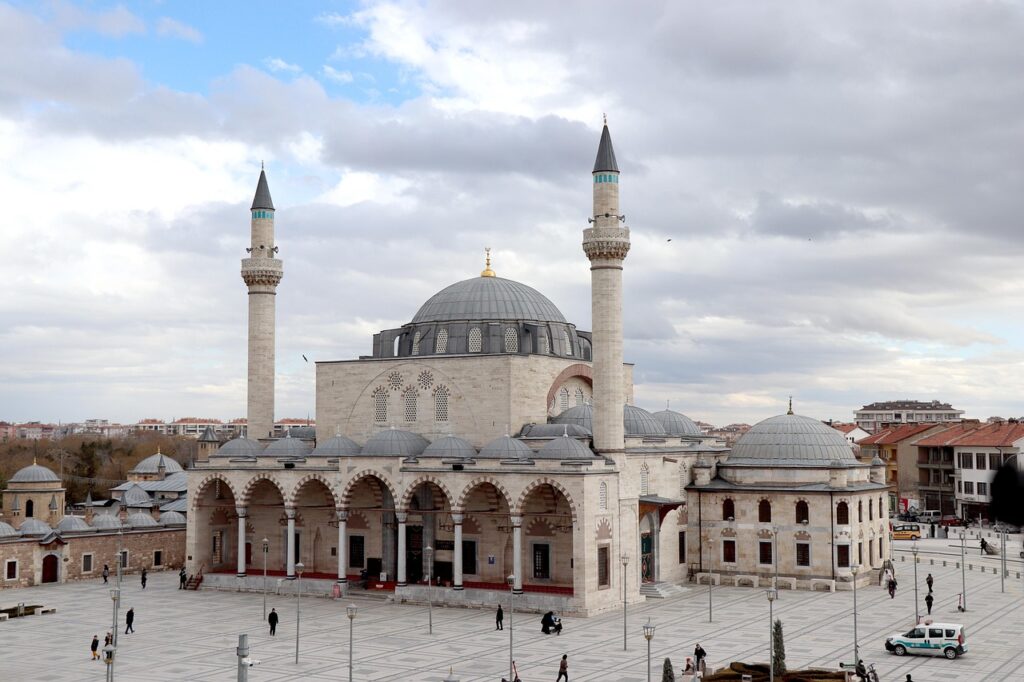
The Quiet Hours in Detail
The morning opening of the Mevlana Museum deserves the closer look, because it is the most reliable of the quiet windows. The gates of the museum open in the morning hours, and the first arrivals find the shrine at its freshest: the courtyard quiet, the rooms empty, and the light of the morning on the green dome. The first hour of the opening is the golden window — the visitor who is at the gate at the opening walks the rooms of the museum with the complex to themselves, and the mausoleum of the master reveals itself in the calm of the morning.
The late afternoon offers the second version of the quiet: the visitors of the day have departed, and the museum takes on the mood of the evening — the low light on the tiles, and the quiet of the shrine. The late hours of the open day are the time of the atmosphere, and the visitor who stays late sees the mausoleum in the light that the midday cannot give. And the closing of the museum in the evening — the last visitors leaving the shrine, and the green dome against the evening sky — is the quiet end of the visit, the beloved monument of Konya settling into its night.
Frequently asked questions
What is the best time to visit the Mevlana Museum?
The best time is the weekday morning, especially in the low season — the winter and the shoulder months. The late afternoon of the weekday is the second window, and the December festival is the time of the tradition and the crowds.
Is the Mevlana Museum crowded?
The Mevlana Museum is one of the most visited museums of Turkey, and the shrine fills in the peak hours. The quiet windows — the weekday mornings and the low season — give the empty rooms and the calm visit.
When is the Mevlana Festival?
The Mevlana Festival of Konya is held in December, around the anniversary of the master’s death on the 17th. The festival brings the whirling dervishes, the pilgrims, and the ceremonies to the city, and the museum is its center.

All Over Information
The All Over Information editorial team researches and writes practical English-language guides to Turkey. Facts are checked against official and local sources before publication, prices are published as dated ranges rather than quotes, and guides are revised when things change. We accept no sponsored posts, paid placements or paid links.
More guides like this

Visiting Ishak Pasha Palace: Tickets, Hours, and Tips
Ishak Pasha Palace is not a quick stop; it is a destination that demands a journey.

The Complete History of Yildiz Palace
On a wooded hill above the Bosphorus, in the Besiktas district of Istanbul, stands the last great palace of the Ottoman Empire.

Topkapi Palace Through the Centuries
Topkapi Palace was the home of the Ottoman sultans for nearly four hundred years, and its history tracks the whole arc of…

Visiting Topkapi Palace: Tickets, Hours, and Tips
Topkapi Palace is the great royal residence of the Ottoman sultans, a vast complex of courtyards, chambers, and gardens spread over Seraglio…

The Complete History of Aspendos Theatre
Near the south coast of Turkey, in the ancient region of Pamphylia, stands the best-preserved theatre of the Roman world.

Seljuk Architecture and Its Distinct Style
When you travel across central Turkey, you will notice buildings that look unlike anything else you have seen: vast stone portals carved…