The Mevlana Museum of Konya — the tomb of the great mystic Rumi — is one of the most visited museums of Turkey, and the practical details of the visit make the experience of the beloved monument the smooth one. The museum welcomes the visitors of the world, and the visitor who knows the hours, the access, and the etiquette of the shrine sees it at its best. This guide covers the practical side of visiting the Mevlana Museum: the tickets, the hours, and the tips.
The Location
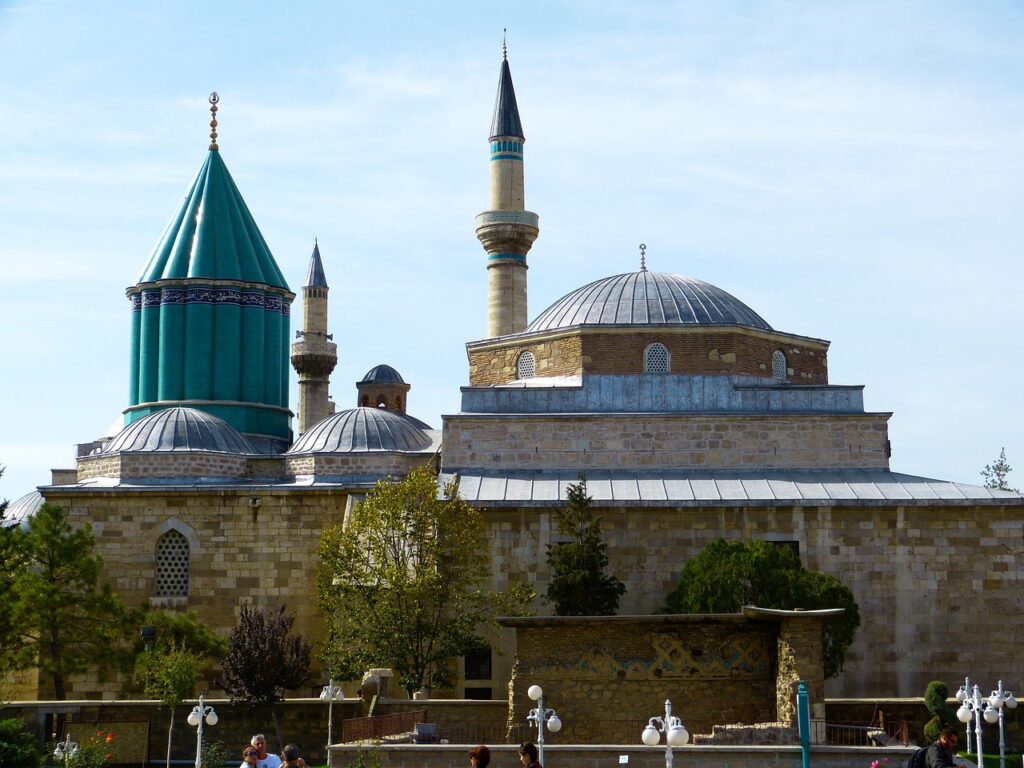
The Mevlana Museum stands in the heart of Konya — the center of the city, near the great monuments of the Seljuk capital. The complex of the museum sits close to the Alaeddin Hill, the historic core of the city, and the location makes the visit the central one: the museum within the walking of the city’s other sights, and the green dome of the mausoleum rising above the center.
The transport to the museum runs from the city: the walking from the center of Konya, the buses of the city, and the trams of the modern line reaching the area of the complex. The location of the museum is the heart of Konya, and the visit of the shrine combines with the wider day in the city.
The Tickets
The question of the tickets for the Mevlana Museum follows the arrangements of the Turkish museums. The entry to the museum is the ticketed one, with the admission of the state museums of Turkey — the fee of the entry, with the discounts of the students and the reduced rates of the special categories. The ticket of the museum is bought at the entrance, and the confirmation of the current price before the visit is the wise check.
The practical note: the museum is one of the most visited of the country, and the queues of the entrance can build through the day. The visitor who arrives early, and the visitor of the weekday, finds the shorter queues — and the ticket of the museum is the small price of the beloved monument.
The Hours
The hours of the Mevlana Museum follow the pattern of the Turkish museums: the museum opens in the morning and closes in the evening, with the access through the day. The hours can vary with the seasons and the occasions — the summer and the winter hours of the museum, and the closures of the special days — and the confirmation of the hours before the visit is the practical check.
The practical note: the museum closes on the certain days of the week, following the pattern of the state museums, and the visitor should check the closure day before the trip. The timing of the visit also shapes the crowds: the morning and the weekday visits are the quieter ones, and the midday brings the groups and the pilgrims.
The Etiquette of the Visit
The etiquette of the Mevlana Museum follows the character of the shrine. The museum is the sacred place — the tomb of the master, the shrine of the mystic — and the visitor should carry the quiet respect through the visit: the modest dress, the quiet voice, and the respect in the mausoleum of Rumi. The photography of the museum follows the rules of the collections, with the respect in the shrine itself.
The practical notes: the dress of the visit should be the modest one — the shoulders and the knees covered, as in the sacred places of Turkey; the quiet of the shrine should be kept, with the phones silenced in the mausoleum; and the pace of the visit should be the unhurried one, the shrine given its due.
The Route of the Visit
The visit of the Mevlana Museum follows the route of the complex. The visitor enters through the gate of the museum and walks the rooms of the collection — the manuscripts and the objects of the Mevlevi, the musical instruments of the tradition, and the chambers of the dervish life. The semahane of the whirling ceremony — the hall where the dervishes performed the sema — is the highlight of the route, and the mausoleum of the master closes the visit: the tomb of Rumi under the green dome, the sarcophagi of the master and his family, and the shrine of the great mystic.
The practical note: the visit takes about one to two hours — the rooms of the museum, the semahane, and the mausoleum — and the visitor should allow the time for the full route of the beloved monument.
The Museum of the Tradition
The collection of the Mevlana Museum holds the heritage of the Mevlevi tradition. The manuscripts of the museum — the copies of the Mesnevi and the works of the Sufi literature — are the treasures of the collection, and the objects of the dervish life — the musical instruments, the garments, and the artifacts of the order — fill the rooms of the museum. The collection of the museum is the heritage of the tradition, and the visitor who walks the rooms walks the history of the Mevlevi.
The practical note: the museum of the tradition is the deeper layer of the visit, and the visitor with the interest in the Sufi heritage should allow the time for the rooms of the collection.

The Seasons and the Timing
The seasons and the timing shape the Mevlana Museum visit. The December festival — the Mevlana Festival of Konya, around the anniversary of the master’s death — brings the pilgrims and the visitors to the city, and the museum receives its fullest crowds of the year. The summer brings the travelers of the high season, and the spring and the autumn the moderate visits. The weekday mornings of the ordinary weeks are the quiet windows of the museum.
The practical note: the visitor who wants the quiet visit should avoid the festival days and the midday hours, and take the weekday morning or the late afternoon of the ordinary day.
The Practical Checklist
The practical checklist of the Mevlana Museum visit: check the hours and the closure day before the visit; come with the modest dress and the quiet respect of the shrine; allow the one to two hours for the full route — the rooms, the semahane, and the mausoleum; and take the quiet windows — the weekday morning or the late afternoon — for the calm experience. The museum stands in the heart of Konya, and the visit combines with the wider day in the city of the Seljuk capital.
The visitor who follows the checklist visits the Mevlana Museum at its best: the shrine of the master in the calm, the tomb of Rumi under the green dome, and the beloved monument of Konya.

The Visit in the Context
The Mevlana Museum visit belongs to the wider context of Konya, and the visitor should plan the shrine within the day in the city. The museum stands at the heart of the Seljuk capital, and the other sights of Konya — the Alaeddin Hill and the mosque, the Ince Minare and the Karatay museums, and the historic mosques of the city — lie within the walking of the complex. The museum and the sights of Konya make the day of the city: the shrine of the master in the morning, and the monuments of the Seljuk capital through the day.
The practical note: the day of Konya combines the museum with the city’s monuments — the beloved shrine and the Seljuk heritage — and the visitor who plans the day sees the capital of the mystic and the Seljuks whole, in the walking of the historic center. And the sema — the whirling ceremony of the Mevlevi — can be witnessed at the cultural performances of Konya, and the visitor who attends the ceremony completes the experience of the tradition: the museum of the master in the day, and the living dance of the whirling dervishes in the evening. The sema of Konya, with its music and its whirling, is the living heritage of the Mevlevi, and the visitor who sees it carries the full experience of the tradition home.
Frequently asked questions
How much does it cost to visit the Mevlana Museum?
The entry to the museum is the ticketed one, with the admission of the state museums of Turkey and the discounts of the students and the special categories. The current price should be confirmed before the visit.
What are the opening hours of the Mevlana Museum?
The museum opens in the morning and closes in the evening, with the access through the day. The hours vary with the seasons, and the museum closes on the certain days of the week — the closure day should be checked before the visit.
How long does the Mevlana Museum visit take?
The visit takes about one to two hours: the rooms of the collection, the semahane of the whirling ceremony, and the mausoleum of the master under the green dome. The full route of the museum is the visit of the beloved monument.

All Over Information
The All Over Information editorial team researches and writes practical English-language guides to Turkey. Facts are checked against official and local sources before publication, prices are published as dated ranges rather than quotes, and guides are revised when things change. We accept no sponsored posts, paid placements or paid links.
More guides like this

Byzantine Architecture Surviving in Modern Turkey
When you travel through Turkey, you are walking through the living museum of the Byzantine Empire.

The Complete History of Mevlana Museum
The Mevlana Museum of Konya — the mausoleum of the great mystic Rumi — is one of the most beloved monuments of…
Why Basilica Cistern Should Be on Your Turkey Bucket List
Istanbul is a city of unforgettable sights, but the Basilica Cistern is unlike any of them.
The Complete History of Blue Mosque
The Blue Mosque is the last great imperial mosque of the Ottoman classical age, and its history is a story of ambition,…
Best Time to Visit Sumela Monastery to Avoid Crowds
Sumela Monastery is one of the most popular sights on Turkey's Black Sea coast, and on a summer day the narrow paths…

Why Dolmabahce Palace Should Be on Your Turkey Bucket List
Every trip to Turkey needs its defining moments, and few places deliver them like Dolmabahce Palace.