Two days in Sultanahmet is just enough to hit the icons, catch a sunset over the water, eat properly, and still leave a little room for wandering. The trick is sequencing: the monuments fill up fast after mid-morning, the bazaars peak at lunch, and the neighborhood’s best moments — the dawn call to prayer, the light on the dome of Hagia Sophia, the ferry ride at golden hour — happen when the tour groups are elsewhere.
This itinerary assumes you arrive with a free morning ahead of you and sleep both nights in the old city. If your flight lands later, shift everything back by half a day; the order still works.
Day One: The Old City Core
8:00 a.m. — Start at the Blue Mosque. Get here at opening time, before the tour buses dock. The Blue Mosque (Sultan Ahmed Mosque) was completed in 1616 for Sultan Ahmed I, and its six minarets and tens of thousands of Iznik tiles make it the neighborhood’s most photographed landmark. Enter barefoot, shoulders covered, and step slowly — the carpet swallows footsteps and the light through 260 stained-glass windows does the rest. Allow forty minutes, including the courtyard.
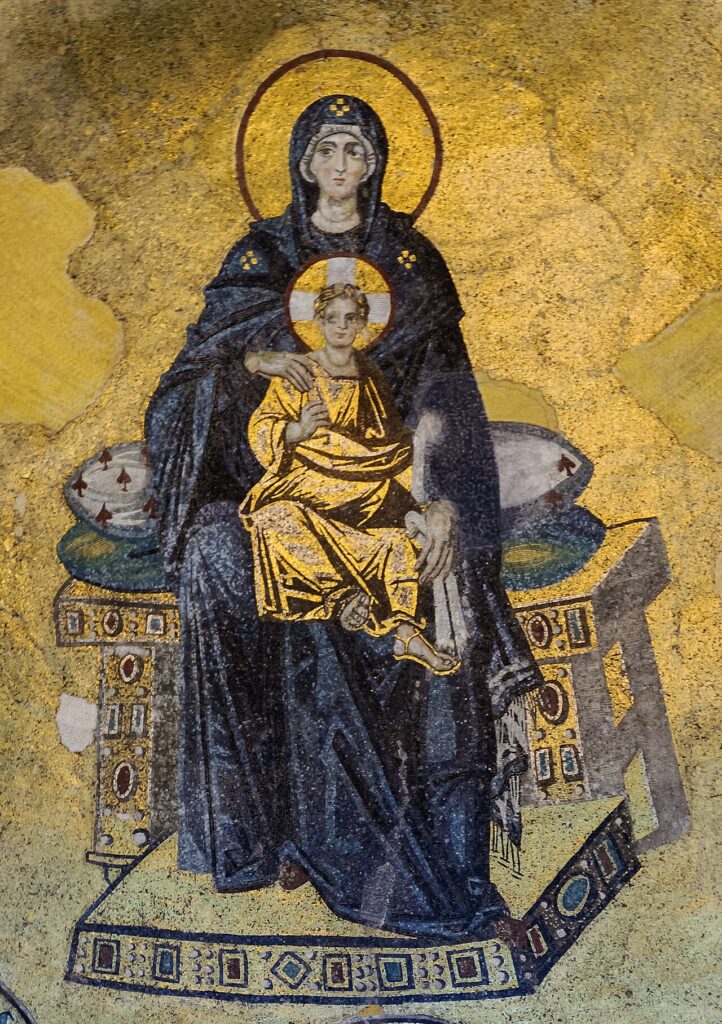
9:00 a.m. — Hagia Sophia across the square. You can see it from the Blue Mosque courtyard; cross the park that was once the Hippodrome. Hagia Sophia was the largest cathedral in the world for nearly a millennium after Justinian finished it in 537, and it is a mosque again since 2020. Entry is free. Go up to the upper gallery if it is open — the view down the nave is the one you’ll actually remember. One hour.
10:30 a.m. — The Basilica Cistern. A five-minute walk away, down the steps into a sixth-century water hall of 336 columns. The Medusa heads at the far end are the photo everyone takes; the atmosphere — cool, dark, dripping — is the real attraction. Forty minutes is plenty.
Noon — Hippodrome and lunch. Walk back up into the sunlight and cross the Hippodrome, the Byzantine chariot-racing ground, past the Egyptian Obelisk and the Serpent Column. Then eat. For lunch, skip the square-facing restaurants and take the two-minute detour to the lanes around the Cistern, where a lahmacun, a pide, or a grilled meatball plate runs a fraction of the menu-tout prices. Doy Doy on Divanyolu is a dependable, no-ambition classic.
2:00 p.m. — Topkapi Palace. Give this the rest of the afternoon. Topkapi was the seat of the Ottoman sultans for four centuries, and it is huge: four courtyards, the imperial kitchens full of Chinese porcelain, the Treasury with the Topkapi Dagger, and the Harem, which needs its own ticket and its own hour. The fourth courtyard’s terrace has the best view in the neighborhood — over the Bosphorus, with the Asian shore behind. Expect to emerge around 5 p.m., mildly exhausted and impressed.
6:30 p.m. — Sunset from the water. This is the single best use of an hour in Istanbul. Walk to the Eminonu ferry docks, buy the cheapest ticket on the board — a short Bosphorus crossing or the commuter ferry to Kadikoy on the Asian side — and ride it into the sunset. The skyline of minarets and domes from the water, at golden hour, beats every viewpoint on land. Get back on the next ferry to return.
8:00 p.m. — Dinner and a slow evening. Eat a proper dinner — grilled meats, meze, and a raki if you’re in the mood — back in the old city, then walk Sultanahmet after dark. The monuments are floodlit, the streets empty out, and the whole district feels like a stage after the curtain comes down. Turkish tea and a plate of baklava on a terrace finishes Day One properly.
Day Two: Bazaars, Neighborhoods, and One Great View
8:30 a.m. — Turkish breakfast. No museum today until the crowds have settled; breakfast is the event. Menemen, simit, white cheese, olives, honey, and a bottomless glass of cay. Cafes on Akbiyik Street and around the Cistern do it well. Budget 90 minutes; nobody rushes a Turkish breakfast.
10:00 a.m. — Grand Bazaar before the chaos. The bazaar opened in 1461 and now holds roughly 4,000 shops under its vaulted lanes. Morning is the best time: the shopkeepers are fresh, the crowds are thin, and the bargaining has better odds. Walk the main artery for the spectacle, then duck into the side lanes for real shops. Set a budget before you go in, because the carpets and the copper pots will test it.
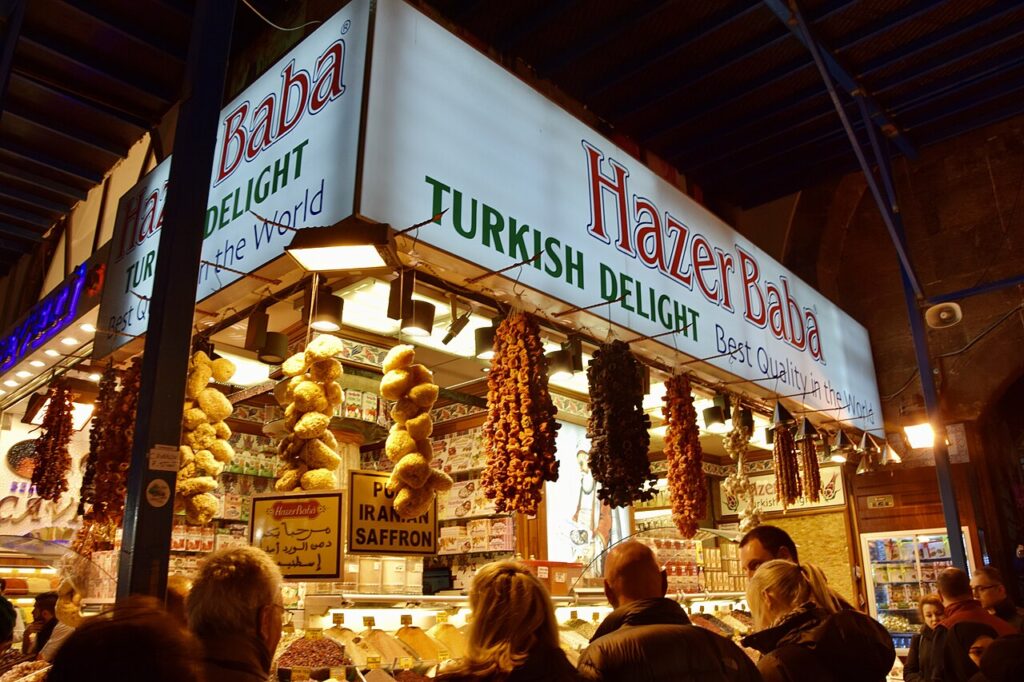
Noon — Spice Bazaar and the Eminonu waterfront. Ten minutes’ walk downhill, the Spice Bazaar delivers what its name promises: saffron, apple tea, lokum, dried fruit, mountains of spices. Buy small — a few lira of dried apricots, a bag of apple tea — and keep moving. Right outside is the fish-sandwich harbor, where the balik ekmek boats have fed the waterfront for generations. That is your lunch.
2:00 p.m. — A neighborhood walk. The old city is more than its headline monuments. Walk from the Spice Bazaar along the Golden Horn shore, past the rust-colored train station where the Orient Express once ended, and up through the back streets of Cankurtaran, where laundry lines and wooden houses give you the non-tourist version of Sultanahmet. No agenda; just wander for an hour.
4:00 p.m. — Suleymaniye Mosque. A short tram ride (or a fifteen-minute walk with a hill attached) brings you to Mimar Sinan’s masterpiece, the Suleymaniye, built for Suleyman the Magnificent in the 1550s. It is bigger, calmer, and less visited than the Blue Mosque, and its terrace view over the Golden Horn is arguably the best in the city. Free to enter.
6:00 p.m. — Choose your finale. You have two honest options. Option one: another sunset ferry, because they don’t get old. Option two: take the T1 tram to Karakoy and the funicular up to Galata Tower for the classic postcard skyline — domes, minarets, and the Bosphorus in one frame. Both are right; pick by how much your legs have left.
8:00 p.m. — Dinner across the water. If you take the Galata option, eat in Karakoy or Beyoglu — the modern, lively side of the Golden Horn that your two days in the old city haven’t shown you yet. Balikci Sabahattin in Cankurtaran is the other great choice if you stay on the old-city side: white-tablecloth fish and meze, a Sultanahmet institution.

How to Make the 48 Hours Work
A few rules that keep a two-day visit sane:
- Buy tickets online the night before for Topkapi, the Harem, and the Basilica Cistern. You skip the queue and the sold-out notices.
- Check Blue Mosque prayer times each morning; the mosque closes to visitors five times a day, and there is nothing to do but wait.
- Use the T1 tram for anything beyond a fifteen-minute walk. It is cheap, frequent, and always quicker than a taxi in this neighborhood.
- Carry small bills. Bazaar stalls and street food sellers rarely have change for a 200 lira note.
- Skip the tourist-menu restaurants on the square. One street away, the same meal is half the price.
If You Have Extra Hours
Sultanahmet’s slow lane rewards the visitor with time to spare:
- The Arasta Bazaar. The small covered arcade beside the Blue Mosque sells quality textiles and ceramics without the Grand Bazaar’s chaos, and its tea garden is a genuinely pleasant place to stop.
- The Museum of Turkish and Islamic Arts. Housed in the former palace of Ibrahim Pasha, it holds superb carpets, calligraphy, and a reconstructed Ottoman room. It is a short, uncrowded walk from the Hippodrome.
- A Bosphorus cruise, the honest way. The long commuter ferries from Eminonu run all the way up the strait to the Black Sea villages; round-trip they eat an afternoon and cost pocket change.
- The city walls. The land walls of Constantinople, several kilometers long, are best explored by tram and short walks, and they show you the old city the tourists never see.

The Takeaway
Forty-eight hours in Sultanahmet is a full weekend of the best the old city has to offer, and it does not require a single tourist trap. Go early to the monuments, take to the water at sunset, eat where the touts aren’t, and let one afternoon run free. Two days, honestly spent, will make you want a third — and that is exactly how Istanbul works on you. And when the two days are up, the city beyond the old walls — the ferries, the neighborhoods, the whole of Turkey — is waiting to be planned next.
Frequently asked questions
Can you do Sultanahmet in one day?
You can see the major sights in a single packed day, but you will skip the bazaars, the ferry, and any sense of atmosphere. Two days is the minimum for a balanced visit.
What should you book in advance?
Topkapi Palace, the Harem, and the Basilica Cistern. Hagia Sophia and the Blue Mosque are free and unbookable.
Is the Istanbul Museum Pass worth it for 48 hours?
Only if you are also visiting other museums in the city. For a pure Sultanahmet weekend, paying per attraction usually works out similar.
Where do you catch the sunset ferry?
From the Eminonu docks, any Bosphorus line toward Kadikoy, Uskudar, or the Bosphorus villages. Sit on the right side going out.
What is the best area to stay for this itinerary?
Anywhere within ten minutes’ walk of the tram’s Sultanahmet stop. Akbiyik Street and the Cankurtaran lanes are the most atmospheric options.

All Over Information
The All Over Information editorial team researches and writes practical English-language guides to Turkey. Facts are checked against official and local sources before publication, prices are published as dated ranges rather than quotes, and guides are revised when things change. We accept no sponsored posts, paid placements or paid links.
More guides like this

How to Get to Sultanahmet from Istanbul
Sultanahmet sits in the middle of a transit network that connects the whole of Istanbul, which is good news: reaching it from…
Best Local Restaurants in Sultanahmet
The restaurant scene in Sultanahmet has a bad reputation, and most of it is earned — but not by the places you'll…

Best Time of Year to Visit Sultanahmet
There is no bad time to visit Sultanahmet — there are four different versions of it, one for each season, and each…

A First-Timer’s Guide to Sultanahmet
Most first trips to Istanbul start in Sultanahmet, and most of them should.

Shopping Guide: What to Buy in Sultanahmet
Sultanahmet is a shopping district disguised as a historic neighborhood, and for good reason: the Grand Bazaar has been trading here since…

A Solo Traveler’s Guide to Sultanahmet
Istanbul is one of the best solo travel cities in the world, and Sultanahmet is its best solo neighborhood.