Balat is the budget quarter of the old city — the colorful streets cost nothing to walk, the working tables feed the visitor cheaply, and the quarter’s best experiences are the free ones: the lanes, the landmarks, the waterfront, the light. The fashionable cafes of the colored streets can cost the day-tripper’s prices, but the real Balat runs on a much humbler budget, and the trick is knowing where the prices are and where they are not. This guide shows the budget traveler how to eat, move, see, and sleep in Balat for a fraction of the fashionable price — without missing the quarter’s actual character.
The Budget Mindset: What Costs What
The first step is understanding the quarter’s price map. The expensive Balat is a narrow band: the brunch rooms of the colored streets, the boutique stays of the restored houses, the vintage cafes at the top of their prices. Everything else — the lokantas, the tea houses, the buses, the ferries, the landmarks and the lanes — runs at the ordinary price of the old city. The budget traveler’s rule is simple: follow the locals. The queues at the lokanta doors at one o’clock, the benches of the waterfront, the tables of the tea houses — those are the honest prices of the quarter, and they are the quarter’s real life. The color is the window dressing; the life is the streets, the water, and the working tables.

Eating on a Budget: The Lokanta and the Tea
Food is where the budget is won or lost in Balat, and the quarter’s cheap eating is its authentic eating. The lokanta lunch is the foundation: the working tables of the side streets serve the day’s dishes — the stews, the beans, the rice, the meatballs — for a few dollars a plate, with the bread and the salad included. Follow the queue at one o’clock and you will eat the old quarter’s most authentic meal at its most honest price. The tea houses are the second pillar: the tea glass costs pennies, and the sitting with the residents is the quarter’s real life — the cheapest hour in Balat and one of its best. The street food fills the gaps: the simit from the cart with the tea from the stand, the corn of the season, the midye of the evening. And the brunch is the treat, not the habit: one good coffee in the colored house, savored slowly, beats the daily cafe habit. The daily food budget for Balat can be astonishingly small, and the meals will be the most memorable of the trip.

Moving on a Budget: The Bus and the Walking
Transport in Balat is genuinely cheap, and the Istanbulkart makes it cheaper. The card itself costs a small deposit, and each ride — the bus, the tram, the ferry — costs a little over a dollar. The buses from the old city run to the quarter’s streets; the ferries cross the Golden Horn from the nearby piers; and the quarter itself is a walker’s neighborhood — the colored streets and the lanes are the experience, and the walking is the transport. The budget traveler’s rule: walk the quarter and ride the card — the quarter is small, the walking is free, and the card covers everything beyond it. Skip the taxis on principle (the traffic makes them slow and the meter makes them dear), and treat the ferry crossing as the free sight it almost is — the ride across the Golden Horn gives the postcard view of the quarter’s colors from the water.

Seeing on a Budget: The Free Quarter
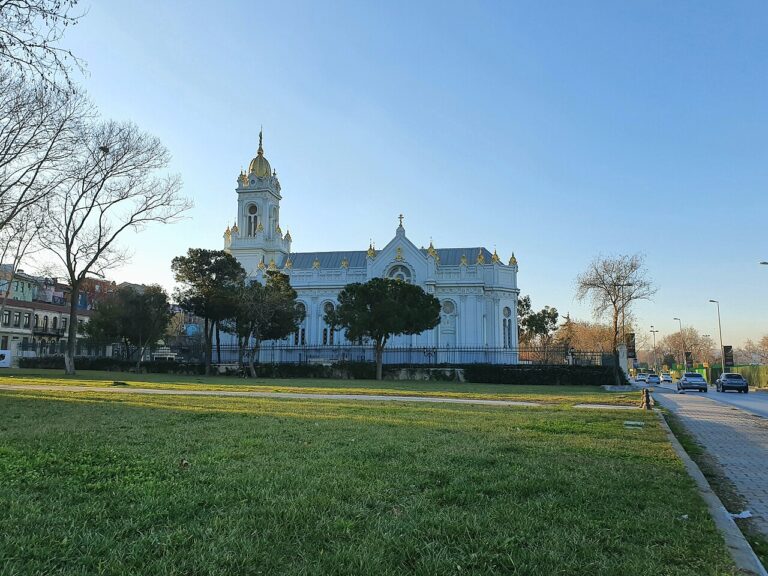
Balat’s best sights are free, and the budget traveler should treat the quarter as an open-air museum. The colorful streets — the famous facades, the postcard lanes — cost nothing and are the quarter’s essential sight. The iron church — the Church of St. Stephen on the waterfront — is free to see from the shore and open for the visits, the quarter’s architectural wonder at no cost. The Patriarchate of Fener — the courtyard and the church of St. George — is open to the visitors, the seat of the Orthodox world at no cost. The land walls — the ancient fortifications at the quarter’s edge — are the free climb with the best view. And the waterfront — the shore, the ferries, the fishing boats — is the free walk with the postcard view. The paid attractions of Balat are few; the free ones are everything.

Sleeping on a Budget: Where the Cheap Beds Are
The bed is the other big line in the budget, and the quarter’s price map applies here too. The guesthouses and the pensions of the working streets — the simple rooms away from the famous lanes — are the quarter’s best-value beds: the honest rooms at the honest prices, with the colored streets a walk away. The hostels of the wider old city — the budget beds of the historic quarters — are the cheap classic: the dorms and the shared rooms, the other travelers, the sociable base. And the Fener edge — the quieter side of the hill — holds the simple pensions of the old quarter at the moderate prices. All are bus-connected and all put the quarter within the walk. Book ahead in the high season; the cheap beds of the quarter are the first to go.
The Free Rhythm: A Sample Budget Day
A sample day shows how the pieces fit. Morning: the simit from the cart with the tea from the stand — a few dollars for breakfast with the quarter’s residents. The walk of the colored streets in the soft morning light, then the iron church on the waterfront. Midday: the lokanta lunch in the working streets — the day’s dishes, the rice, the salad — then the climb to the walls for the view. Afternoon: the Patriarchate’s courtyard, the wander of the lanes, the tea in the tea house with the residents — the pennies of the afternoon. Evening: the ferry across the Golden Horn for the postcard view, then the midye or the simit for the dinner, and the walk of the quiet lanes at night. The day costs a handful of dollars beyond the bed, and it is the quarter’s real life at its full length.
The Practical Notes
A few rules make the budget hold. The Istanbulkart is the first purchase: it unlocks the cheap transport — the buses, the ferries — and the deposit is returned when you leave. The lokanta and the tea are the anchors: one meal at the working tables and one hour in the tea house each day keeps the food budget honest. The free list is the real list: the streets, the church, the Patriarchate, the walls, and the waterfront are the quarter’s best sights, and they cost nothing. The bed is in the edges: the working streets and the Fener edge are the value — the boutique rooms of the colored lanes are for the atmosphere, not for the budget. And the walking is the transport: the quarter is a wanderer’s neighborhood, and the walking costs nothing and shows everything.
The Takeaway
The budget version of Balat is not the cheap version of the quarter; it is the real version. The lokantas and the tea houses, the buses and the ferries, the streets and the church and the walls — these are the quarter’s actual life, and they are its best life. The fashionable cafes are the window dressing; the budget traveler walks past them, eats where the locals queue, sleeps in the edges, and sees the quarter whole — the color postcard of Istanbul at the price of the old city’s daily life, with the memory of the colored lanes, the tea houses’ tables, and the light on the facades that no budget can buy and nothing else can match.
Frequently asked questions
Can Balat really be done on a budget?
Yes — the lokantas, the tea houses, the buses and the ferries, and the free sights of the quarter cover its real life for a few dollars a day beyond the bed.
Where should I stay on a budget?
The guesthouses of the working streets or the hostels of the wider old city — the honest beds of the historic quarter, bus-connected and local.
What is the one thing worth paying for?
A single coffee in the colored house or a single brunch — the new Balat is for one treat, not for the whole trip.
Is the ferry worth it?
Yes — the crossing of the Golden Horn costs the price of a card swipe and gives the postcard view of the quarter from the water.
What is the best free thing in Balat?
The colorful streets in the morning light — the quarter’s essential sight, free at every hour.

All Over Information
The All Over Information editorial team researches and writes practical English-language guides to Turkey. Facts are checked against official and local sources before publication, prices are published as dated ranges rather than quotes, and guides are revised when things change. We accept no sponsored posts, paid placements or paid links.
More guides like this

How to Get to Balat from Istanbul
Balat is the old city's hidden quarter — off the tram lines, reached by the buses and the walking, and the better…

History and Culture of Balat
Balat is the old city's deepest layer — the quarter on the Golden Horn where the history of the city's communities is…

Family-Friendly Activities in Balat
Balat is a family quarter — safe, walkable, and full of the things children actually enjoy.
48 Hours in Balat: The Perfect Itinerary
Two days in Balat is a deep dive into the old city's hidden quarter — long enough to walk the colored streets…
Photography Spots in Balat You Can’t Miss
Balat is the photographer's color postcard — the painted houses and the cobbled lanes, the iron church and the Patriarchate, the walls…
The Best Day Trips from Balat
Balat sits on the Golden Horn at the edge of the old city — the ferries at the shore, the buses to…