Balat is the treasure shopping of the old city — the quarter of the antique shops and the vintage rooms, the crafts and the keepsakes, the finds of the past centuries and the small gifts of the colored streets. It is not the mall shopping or the bazaar of the tourist routes; it is the hunting shopping of the old neighborhood, where the traveler turns over the objects of the city’s past and takes home the finds that no chain carries. This guide covers what to buy in Balat — the best of the quarter’s commerce, and the purchases worth making.
The Antique Shops: The Treasure Rooms
The antique shops of Balat are the quarter’s signature shopping — the treasure rooms of the old streets where the objects of the past centuries wait to be found. The shops carry the furniture and the objects of the old city’s houses: the copper and the brass, the textiles and the lace, the ceramics and the glass, the photographs and the documents, the pieces of the Ottoman and the early republican years. The hunting is the pleasure: the rooms to search, the objects to turn over, the stories of the pieces. And the finds are the purchases: the piece of the old Istanbul that the antique shops of the quarter still hold, at the prices that the hunting rewards. For the collector and the curious alike, the antique shops of Balat are the treasure rooms of the old city.
The Vintage Rooms: The Curated Finds
The vintage rooms of the quarter — the shops of the colored streets with their curated collections — are the stylish end of the treasure hunting. The rooms carry the chosen pieces: the vintage clothing and the accessories, the furniture and the lamps, the objects displayed like the exhibits of a small museum. The aesthetic is the new Balat’s own — the old things styled for the present, the pieces that the fashionable quarter wears and displays. The purchases are the curated finds: the vintage piece with the story, the object that carries the old city’s style home. For the visitor who wants the finds without the deep hunting, the vintage rooms of the quarter are the curated treasure.

The Crafts: The Keepsakes of the Quarter
The crafts of Balat are the keepsakes — the small purchases that carry the quarter home. The textiles of the old shops — the lace, the embroidery, the woven pieces of the old city’s craft — are the delicate keepsakes: the handwork of the past centuries, the pieces that no factory makes. The ceramics and the copper of the quarter’s shops — the plates, the bowls, the coffee sets — are the lasting keepsakes: the traditional craft of the city, chosen in the old streets. The small antiques — the objects and the curios of the treasure rooms — are the pocket keepsakes: the pieces that fit in the luggage and carry the story. The crafts of Balat are the shopping of memory — the pieces that keep the quarter on the shelf, chosen in the streets where they were made and used.
The Food: The Edible Gifts
The food of the quarter is the edible gift — the tastes of the old city packed for the journey. The Turkish coffee and the tea of the old shops — the beans and the leaves, the brewing sets and the cups — are the practical gifts: the daily ritual of the city, packed for home. The lokum and the baklava of the confectioners — the boxes of the sweets, the pistachio and the rose — are the classic gifts: the taste of the city in the luggage. And the spices and the pantry goods of the food shops — the seasonings and the preserves of the old city — are the taste-of-place purchases. The food of Balat is the gift that everyone uses, and the quarter’s shops do them beautifully.

The Books: The Reading of the Quarter
The bookshops of the quarter — the small rooms of the old streets — are the reading of Balat: the titles of the city’s history and its life, the guides and the histories of the old neighborhoods, the literature of the Turkish writers. The purchases are the reading of the trip: the history of the city’s communities, the story of the Jewish and the Greek quarters, the pages that carry the quarter home. The bookshops are also the quarter’s quiet rooms: the browsing, the finding, the hours that pass inside. For the reader, the bookshops of Balat are the intellectual keepsakes, and the purchases are the pages of the quarter’s story.
The Practical Notes
A few things make the shopping smooth. The card and the cash: the vintage rooms take the cards, while the antique shops and the markets prefer the cash — carry both. The bargaining is shop-specific: the antique rooms have the room, while the curated vintage shops are closer to the fixed prices — know which is which. The wrapping is the craft: the shops wrap for the journey — ask at the counter, and carry the breakables in the hand luggage. The hunting is the time: the antique rooms reward the slow search — give the treasure hunting the hours it deserves. And the finds are the memory: the piece of the old city that you turn over and carry home is the purchase that the quarter is for — take the time to find it.

The Shopping Day, Planned
A sample day shows how the quarter fits together. Morning: start at the antique shops of the working streets — the treasure rooms at their opening hours, the deep hunting of the old objects, the bargaining of the dealers. Midday: the lokanta lunch in the side streets, then the vintage rooms of the colored streets — the curated finds, the styled pieces, the displays of the new Balat. Afternoon: the crafts and the keepsakes — the textiles and the ceramics of the old shops, the pieces of the past centuries chosen for the journey. Late afternoon: the food gifts — the Turkish coffee, the tea, the lokum of the quarter’s shops, the boxes packed for home. Evening: the bookshops for the reading, and the window walk of the lanes at the golden hour. The day is the shopping of the quarter whole — the hunting, the curated, the keepsakes, and the gifts — and the traveler who walks it in order takes home the old Istanbul from the treasure rooms to the box.
The Practical Notes on the Finds
A few things make the treasure hunting smoother. The mornings are the hunting hours: the antique rooms are at their freshest early, and the best pieces go first — start the day with the deep hunting. The asking is the finding: the dealers know the stories of the pieces, and the polite question opens the rooms — ask about the objects, and the quarter opens with them. The bargaining is the ritual: the antique trade expects the negotiation, and the friendly back-and-forth is part of the finding — start the offer at the reasonable fraction and meet in the middle. The wrapping is the craft: the shops wrap the breakables for the journey — ask at the counter, and carry the delicate pieces in the hand luggage. And the finds are the memory: the piece of the old city that you turn over and carry home is the purchase that the quarter is for — take the time to find it.

The Takeaway
The shopping of Balat is the treasure shopping of the old city — the antique shops and the vintage rooms, the crafts and the keepsakes, the food gifts and the books of the quarter. Shop it the way the quarter works: the deep hunting in the treasure rooms, the curated finds in the vintage shops, the keepsakes and the gifts for the journey. It is the shopping of the old neighborhood — the pieces that no chain carries, the finds that no bazaar offers — and the traveler who shops the quarter whole takes home the old Istanbul: the antiques with the stories, the crafts of the past centuries, and the taste of the color postcard, packed for the journey.
Frequently asked questions
What is the best thing to buy in Balat?
The antiques — the treasure rooms of the old streets hold the objects of the past centuries, the finds that no chain carries.
Where are the best finds?
The antique shops of the working streets for the deep hunting, the vintage rooms of the colored streets for the curated pieces.
Can I bargain?
In the antique shops, yes — the hunting includes the bargaining; in the curated vintage rooms, less so.
What is the best gift to take home?
The edible gifts — the Turkish coffee, the tea, and the lokum of the quarter’s shops, the gifts everyone uses.
Is the shopping worth the trip?
Yes — Balat is the treasure shopping of the old city, and the finds — the antiques, the crafts, the keepsakes — are the purchases that no other quarter offers.

All Over Information
The All Over Information editorial team researches and writes practical English-language guides to Turkey. Facts are checked against official and local sources before publication, prices are published as dated ranges rather than quotes, and guides are revised when things change. We accept no sponsored posts, paid placements or paid links.
More guides like this
A First-Timer’s Guide to Balat
Balat is the color postcard of Istanbul — the old quarter on the Golden Horn where the houses climb the hill in…
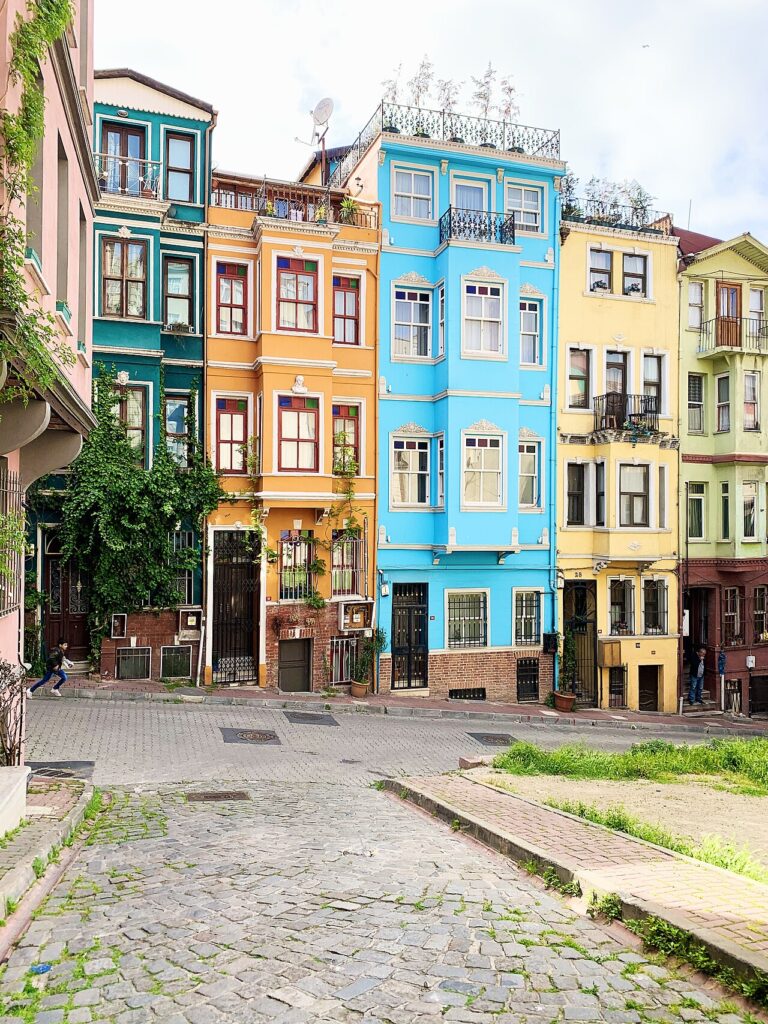
Top 10 Things to Do in Balat
Balat is the color postcard of Istanbul — the old quarter on the Golden Horn where the houses climb the hill in…

Nightlife Guide to Balat
Balat is not the nightlife quarter of Istanbul — the clubs and the loud bars belong to other districts — but the…
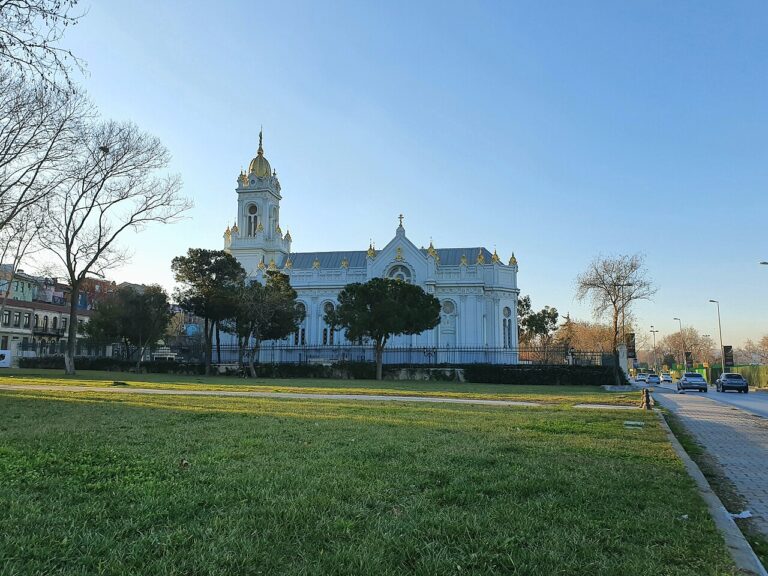
The Best Day Trips from Balat
Balat sits on the Golden Horn at the edge of the old city — the ferries at the shore, the buses to…

Family-Friendly Activities in Balat
Balat is a family quarter — safe, walkable, and full of the things children actually enjoy.

Where to Stay in Balat: Neighborhood Guide
Balat is the character stay of the old city — the colorful quarter on the Golden Horn where the boutique rooms fill…