Turkish food is one country with many kitchens. The dishes served in Istanbul differ sharply from those in the southeast, and the coastal cooking of the Aegean has little in common with the mountain cooking of the Black Sea. Understanding these differences makes your meals in Turkey far richer, because you can order with intent and taste what each region does best. This guide compares the major regional cuisines and shows you how to taste the country’s geography one table at a time.
The Common Table: What Unites Turkish Food
Before the differences, the similarities. Nearly every Turkish kitchen builds meals around fresh bread, yogurt, tomato, pepper, onion, and good olive oil or butter. Lamb is the favored meat across the country, and eggplant appears in endless forms, from stuffed to smoked to fried. Tea is the universal drink, and the meze table, small shared plates, opens meals everywhere.
The techniques repeat as well. Simmering in its own juices, grilling over fire, baking in stone ovens, and stuffing vegetables are shared methods from the coast to the mountains. Desserts lean on syrup, nuts, and pastry, with regional variations on the same sweet idea.
So the regional cuisines are dialects of one language, each with a different accent but a shared vocabulary of bread, yogurt, lamb, and tea. That unity is what makes traveling between regions so satisfying: you always know the grammar, yet every new table surprises you.
Istanbul: The Meeting Point of Kitchens
Istanbul has no single cuisine; it has everyone’s. The city’s kitchens have absorbed influences for centuries, and today its restaurants range from palace-style Ottoman dishes to the simplest street food. A day of eating in Istanbul can move from a meze tavern to a kebab house to a seafood grill without ever leaving the same neighborhood.
The city is also where the country’s regions collide. You will find Black Sea anchovy dishes, southeastern kebabs, Aegean olive-oil cooking, and central Anatolian pastries all within a few streets. Istanbul’s food is the sum of Turkey’s kitchens, refined by a city that has always loved the table.
For travelers, this makes Istanbul the ideal introduction: you can compare regions without leaving the city, then follow your favorites to their homelands. The palace kitchens of the Ottoman era also gave the city dishes of great elegance that survive today.
The Aegean: Olive Oil and Herbs
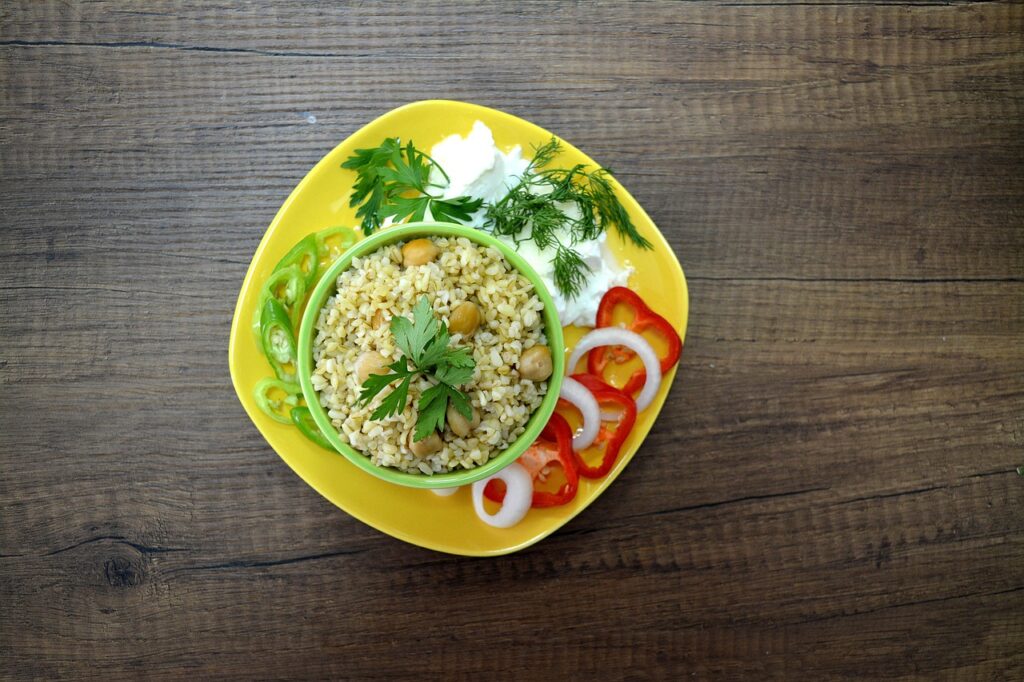
The Aegean coast is the home of light, vegetable-forward cooking. Olive oil is the backbone of the cuisine, and the region’s signature dishes are cooked in it, served cold or warm, and eaten with bread. Wild herbs from the hillsides, purslane, thyme, sage, appear constantly, and the region’s salads and mezes taste of the Mediterranean hills.
The Aegean table is also the home of the meze culture in its fullest form. Small plates of stuffed vine leaves, cheese pastries, white beans in olive oil, and yogurt dips arrive in waves, and the meal stretches over hours. Seafood, from octopus to sea bass, is grilled simply and dressed with lemon and oil.
For the traveler, the Aegean is where to eat vegetables brilliantly and to learn that Turkish food is far more than grilled meat. Breakfasts here are famously herb-rich, and the region’s figs, melons, and citrus make its markets a joy. This is the cuisine of the Mediterranean diet at its most generous.
The Mediterranean: Coast and Garden
The Mediterranean region, centered on Antalya and the surrounding coast, shares much with the Aegean but has its own character. The climate is warmer, and the cooking leans on garden vegetables, citrus, and the bounty of a coast that produces nearly everything year-round. Fresh fish, grilled simply, is a constant pleasure.
The region’s specialty dishes include bulgur-based pilafs, stuffed vegetables of every kind, and a notable love of pomegranate and sour flavors that cut through the richness. The famous green beans, eggplant dishes, and zucchini flowers stuffed with cheese all come from this fertile belt, where the mountains meet the sea.
For travelers, the Mediterranean coast offers produce at its peak: markets glow with tomatoes, peppers, and citrus, and restaurants cook with what the day brings. The region is where many visitors first discover Turkish hospitality, with generous portions and endless offers of tea.

Central Anatolia: Wheat and Stone Ovens
Central Anatolia is the heartland of wheat, and its cuisine is built on dough, bulgur, and slow cooking. This is the land of baked pastries, of layered regional breads, and of the stone ovens that define the region’s cooking. The climate is harsh and continental, so the cuisine favors foods that store well and cook slowly.
Mantı, the tiny dumplings served with yogurt and tomato butter, is the region’s most famous dish, a symbol of the patient hand of the Anatolian cook. The region also excels at pastries, from flaky layered boreks to the sweet pastries of Kayseri, and at hearty soups and stews that warm the long winters.
Meat here is often lamb, cooked slowly or dried for preservation, and bulgur replaces rice as the everyday grain. For the traveler, central Anatolia is where the patient core of Turkish home cooking lives, with the oven and the rolling pin doing most of the talking.
The Black Sea: Corn, Butter, and Anchovies
The Black Sea region is the most distinctive kitchen in Turkey, shaped by rain, mountains, and the sea. Corn replaces wheat on many tables, and cornbread, known as muhlama in the east, is a staple. Butter is used lavishly, and the region’s dairy, from its high pastures, is famous across the country.
The anchovy, hamsi, is the emblem of the region. In the winter, anchovies appear in everything: fried, grilled, stuffed into rice, baked into pilaf, even sweetened as a regional delicacy. The coast’s fish, from trout to turbot, is simple and fresh, and the mountain villages add honey, beans, and leafy greens that grow in the damp climate.
For travelers, the Black Sea is a cuisine of surprises: richer and heavier than the Mediterranean style, with unfamiliar breads and tea grown on the region’s terraced hillsides. It is the least like the rest of Turkey and the most rewarding for curious eaters.

The Southeast: Spice and Kebab
The southeast, with its great food cities like Gaziantep, is the most intensely flavored region of Turkey. The cuisine is built on spice, lamb, and dough, and it is widely considered the country’s most refined and complex. The region’s kebabs are legendary, but they are only the beginning.
Bulgur and dough appear in countless forms: lahmacun, the thin meat-topped flatbread; katikli ekmek, a layered regional special; and the dense stuffed pastries of the region. The area is also the home of baklava’s finest forms and of pistachios, which grow on the region’s trees and star in its sweets. Sour pomegranate molasses and dried peppers add depth to stews and salads.
For the traveler, the southeast demands appetite and time. Meals are generous, layered, and slow, and the traditional coffee culture is itself an experience. This is where Turkish food shows its boldest face.
Marmara and Thrace: A Bridge Cuisine
Marmara and Thrace, the region around Istanbul and the European borderlands, is a cuisine of crossings. The region has absorbed influences from the Balkans, the Aegean, and the imperial capital, and its cooking is a lively blend. Grilled meats, dairy, and vegetables all meet here without any single tradition dominating.
Thrace contributes its own specialties: the region is known for its pastries, its cheeses, and its pepper-laden dishes, and its towns celebrate food with open-air festivals. The Marmara coast adds seafood from the Marmara Sea and the Bosphorus, with fish restaurants lining the shores. The region’s vineyards also produce a notable wine tradition.
For travelers, this is the bridge cuisine that eases you between regions, sharing the lightness of the west and the heartiness of the east. Eating here is like reading the country’s culinary index before the full book.

Breakfast and Sweets Across the Regions
Two meals reveal the regional differences fastest: breakfast and dessert. The Aegean breakfast is a herb-and-cheese garden on a plate, the southeastern breakfast is a feast of pastries and spice, and the Black Sea breakfast leans on cornbread, butter, and local honey.
Sweets tell the same story. The southeast is baklava’s homeland, with pistachio filling and syrup in perfect balance. The Aegean prefers fruit-based desserts and its famous fig and grape sweets, while Istanbul preserves the refined sugarcraft of the palace kitchens. Even the simple pudding shops vary from city to city.
For travelers, comparing breakfast and dessert tables across regions is the most delicious shortcut to understanding Turkey’s food geography. Both meals are cheap, accessible, and endlessly varied, and both reward the traveler who treats them as research rather than routine.
How to Taste the Regions Yourself
You can compare the regional cuisines without a grand tour. In any large city, seek out restaurants that name their region: a Black Sea fish house, a southeastern kebab specialist, an Aegean meze tavern. Ask what is regional and let the menu teach you the map. In Istanbul especially, the whole country cooks within a few districts.
When you travel, make food part of the itinerary. In each region, try the local bread, the local cheese, and the dish the town claims as its own. Markets are the fastest education: the pistachios of the southeast, the citrus of the Mediterranean, the honey of the Black Sea highlands all arrive in their home cities at their best.
You will leave Turkey having eaten not one cuisine but many, and you will understand how geography, climate, and history shaped each one. That is the real comparison, and it happens one table at a time.
Frequently asked questions
Which region of Turkey has the most distinctive cuisine?
The Black Sea is usually considered the most distinctive, with its cornbread, butter-heavy cooking, and the anchovy at the center of winter tables. Many travelers also single out the southeast for its complex spice cuisine. The honest answer depends on your taste, since each region’s cooking is unmistakable in its own way, and trying a few regions is the only reliable way to decide.
How do I eat regional Turkish food while traveling?
Ask what each town is known for and order that dish. Visit local markets for the regional ingredients, and choose restaurants that identify their region rather than generic menus. In Istanbul, you can sample most regional cuisines in dedicated restaurants and then follow your favorites to their homelands, region by region.
What do all Turkish regional cuisines have in common?
Bread, yogurt, lamb, vegetables, and tea are the shared foundations everywhere. Every region also builds meals around small shared plates and generous hospitality. The differences come in emphasis: olive oil and herbs in the west, butter and corn in the north, spice and dough in the southeast, and wheat in the center.

All Over Information
The All Over Information editorial team researches and writes practical English-language guides to Turkey. Facts are checked against official and local sources before publication, prices are published as dated ranges rather than quotes, and guides are revised when things change. We accept no sponsored posts, paid placements or paid links.
More guides like this

The Ultimate Guide to Lahmacun
Lahmacun is the thin flatbread of Turkey that carries a topping of spiced minced meat, baked in a fierce oven until the…
A Guide to Turkish Kebab Varieties
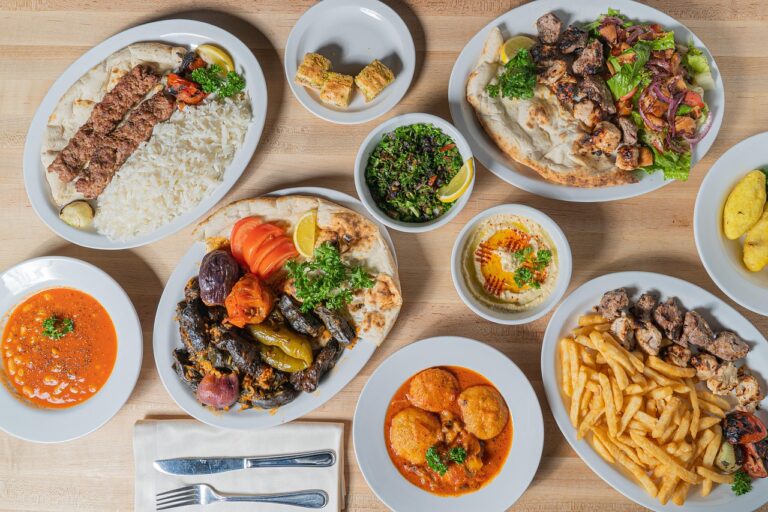
Kebab is the word most travelers associate with Turkish food, and rightly so. But behind that single name lies a remarkable range…

The Ultimate Guide to Kebab
If you are heading to Turkey, kebab will almost certainly find its way onto your plate, and that is a very good…
The Ultimate Guide to Urfa Kebab
Urfa kebab is the gentler sibling in Turkey's family of minced lamb kebabs, and for many travelers it is the more approachable…

How to Make Authentic Kebab at Home
You do not need to travel to Turkey to taste real kebab, though you should still travel.
Iskender Kebab: A Taste of Turkish Culture
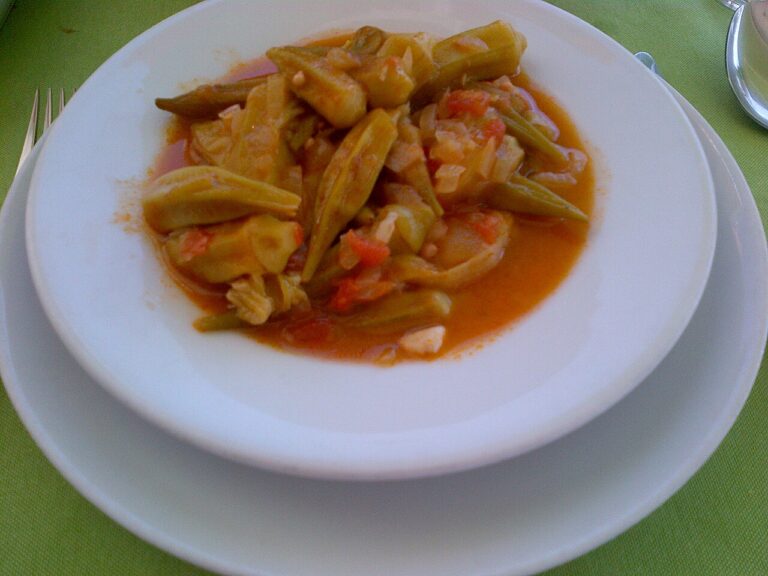
Iskender kebab is more than a meal; it is a piece of Turkish identity, born in Bursa and carried across the country…