Turkey is a country where handmade traditions still thrive, and its craft markets are among the most exciting places in the world to shop. From the covered bazaars of Istanbul to village cooperatives in the countryside, you will find carpets, ceramics, copper, jewelry, textiles, and countless other goods made by skilled hands. This guide explains how Turkish craft markets work, what to look for, and how to buy well while supporting the artisans who keep these traditions alive.
The Great Covered Bazaars
Turkey’s grand bazaars are the theatrical heart of the craft market experience. The Grand Bazaar in Istanbul, with its vaulted lanes and thousands of shops, is the most famous, but every major city has its covered market: the historic bedesten of Bursa, the bazaars of Gaziantep and Diyarbakir in the southeast, and the arcaded markets of Izmir and Ankara. These spaces are museums of commerce, their stone halls filled with color, smell, and the sound of hammering craftsmen.
Shopping in the great bazaars rewards a strategy. Enter through a side gate, wander without a fixed route, and let the shopkeepers invite you in for tea, which is part of the culture. Compare prices for the same goods across several shops before committing, because the first price quoted is rarely the final one. The grand bazaars are the best places to see the full range of Turkish craft in one walk, and even if you buy nothing, the experience is a performance.
Village Markets and Local Bazaars
Beyond the famous bazaars, Turkey’s weekly village markets are where craft is most alive. Every town has its market day, when farmers and artisans set up stalls with vegetables, cheese, honey, textiles, and household goods. These markets are not staged for tourists; they serve the local community, and the prices reflect it. Finding the market day for each town you visit is one of the best research tasks a traveler can do.
The village markets are the place for practical, authentic purchases: hand-woven towels and cloth, baskets, wooden utensils, and the seasonal products of the region. The sellers are often the makers or their families, and the conversation, helped by gestures and smiles, adds meaning to the purchase. The markets also reveal the regional character of Turkish craft, since every corner of the country has its own specialties, and what is sold in the Aegean differs from what you find in the east.
Carpet and Kilim Weavers
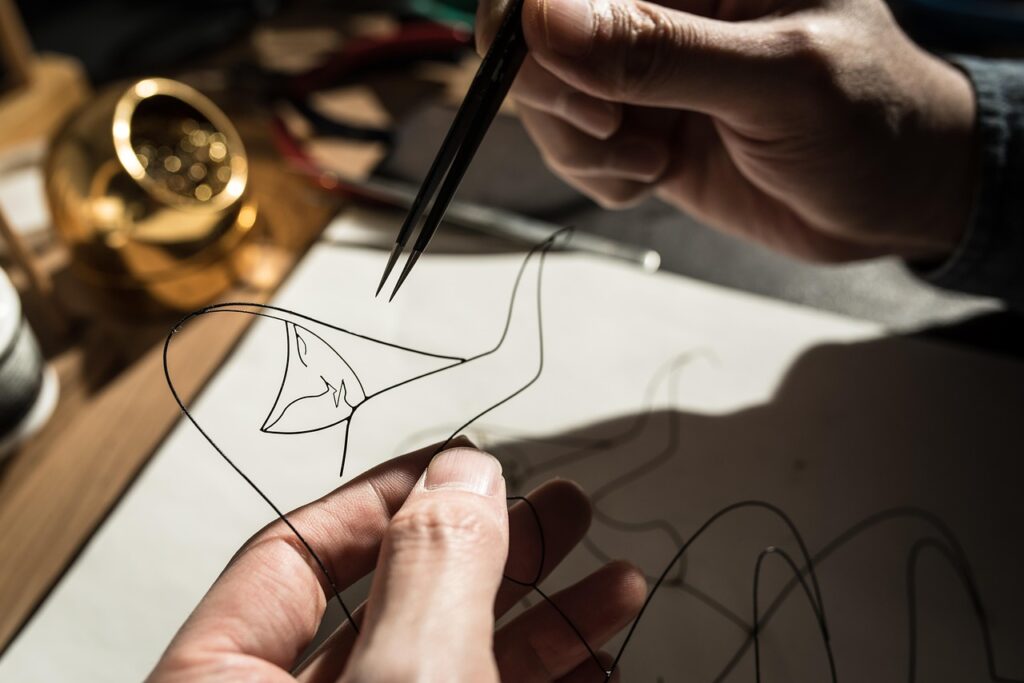
Carpets are the crown of Turkish craft, and the market for them is a world of its own. Turkish carpets are made in two broad families: pile carpets, knotted with wool or silk, and flat-weave kilims, whose patterns are woven rather than knotted. Each region has its own designs and color traditions, from the reds and blues of central Anatolia to the geometric patterns of the east, and a fine carpet can take months to complete.
Buying a carpet is an education in itself. Look at the back of the carpet to judge the quality of the knots, ask about the wool and dyes, and understand that natural dyes and hand-spun wool command higher prices. Reputable dealers will show you the history and origins of each piece and can usually arrange shipping. The best guidance is to buy from shops that belong to established associations, and to remember that a carpet you love is worth more than a bargain you do not.
Ceramics from Iznik and Kutahya
Turkish ceramics have a proud lineage that begins in the town of Iznik, whose sixteenth-century tiles and vessels are among the most celebrated art objects of the Ottoman world. The famous red, cobalt blue, and turquoise patterns of Iznik ware are still produced today, along with the equally distinguished ceramics of Kutahya, which developed its own floral and figural traditions. Both towns remain living centers of the craft.
When you buy ceramics, look for the quality markers: hand-painted rather than printed decoration, vibrant glaze, and a clean, even finish. Iznik-style plates make wonderful wall decorations, and Kutahya’s tea sets and tiles bring the tradition into daily life. Many workshops in both towns open their doors to visitors, showing the stages of shaping, painting, and firing, and buying directly from the workshop guarantees both quality and a fair price to the maker.
Copper and Metalwork
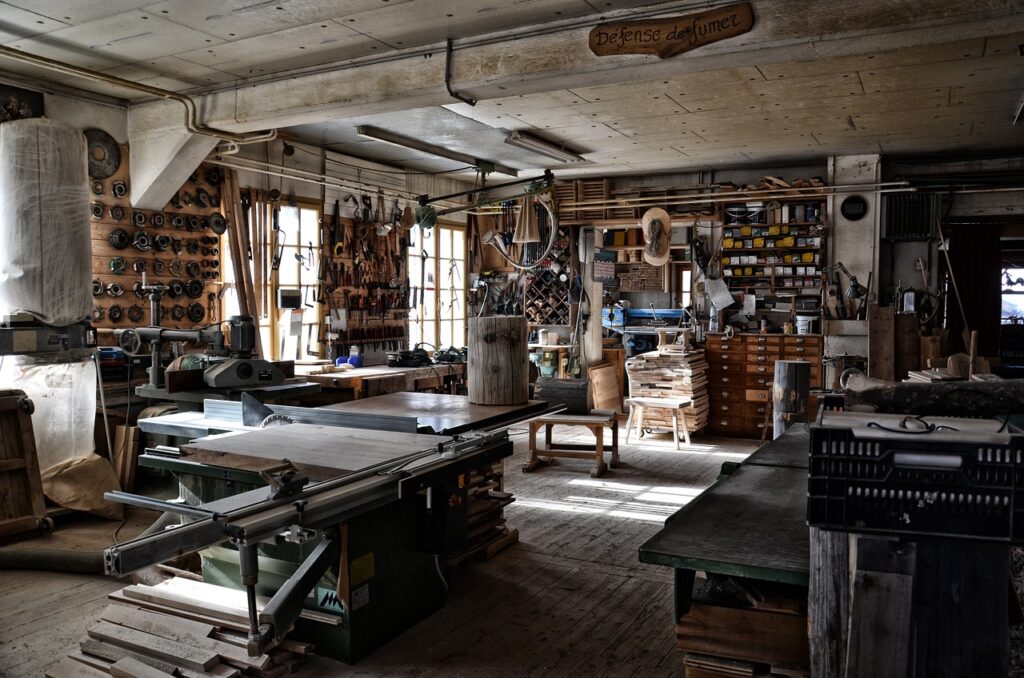
The hammering of copper is one of the defining sounds of Turkish craft markets. Copper workshops in towns like Gaziantep, Kahramanmaras, and the old quarters of Istanbul produce trays, pots, coffee sets, and the ornate cezves used to brew Turkish coffee. The metal is shaped by hand over anvils, then coated with tin to make it safe for cooking, and the best pieces carry the subtle irregularities that reveal their handmade origin.
Metalwork extends far beyond copper. The silversmiths of the southeast make filigree jewelry of astonishing delicacy, and the coppersmiths’ cousins in the iron trade produce everything from forged tools to ornamental gates. Buyers should know that copper items are practical as well as beautiful, and that tinned copper is the traditional material of the Turkish kitchen. Watching a coppersmith work is free theater, and buying from the workshop keeps the tradition pounding.
Textiles and Embroidery
Turkish textile crafts are extraordinarily rich. The cotton and silk weavers of Bursa, the embroiderers of the Aegean and the southeast, and the felt makers of central Anatolia each contribute to a tradition that clothes the country’s culture. Hand-woven towels, tablecloths, and bed linens are practical luxuries, and embroidered pieces carry patterns passed down through generations, many with symbolic meanings in their stitches.
The felt makers deserve special mention, since felt is one of the oldest textiles in the world and Turkish artisans still make it by hand, rolling and pressing wool with water and soap until it becomes a dense fabric. Felt hats, vests, and slippers are sold across Anatolia. When buying textiles, look for even weaving, firm edges, and natural materials, and remember that the finest pieces are rarely the cheapest, because the hours behind them are real.
Jewelry and Precious Metals
Turkish jewelry combines the traditions of the bazaars with the skills of the goldsmiths of the Grand Bazaar, where much of the country’s gold trade has historically been concentrated. You will find contemporary designs alongside classic Ottoman and Anatolian forms: the evil-eye amulets that protect against envy, the silver filigree of the southeast, and the coral and turquoise work of the coasts.
Gold is sold by weight plus workmanship in Turkish bazaars, and the price of the metal is openly displayed, which makes the market transparent if you understand the system. Silver is more accessible, and the filigree jewelry of Mardin and Midyat is among the finest in the world. Buying jewelry from established bazaar shops with clear pricing is sensible, and the pieces you take home will carry the memory of the workshop where they were made.
Buying Well: Authenticity and Fair Prices
Buying well in Turkish craft markets is a skill, and the key rules are simple. Learn to recognize the difference between handmade and machine-made goods, since both are sold side by side, and ask where and how a piece was made. Buy from workshops and cooperatives where you can see the making, or from shops with established reputations. And understand that bargaining is normal in bazaars but not in fixed-price shops and cooperatives, where the listed price is the real one.
Fair prices matter for the artisans who depend on the market. A carpet that took months to weave, a copper pot hammered over two days, or a felt vest shaped by hours of rolling cannot be honestly sold for pocket money. If a price seems impossibly low, ask what you are really buying. Travelers who pay fair prices, and who buy from makers rather than intermediaries, become the most important customers the craft traditions have, and their purchases keep workshops open.
Supporting Artisans in the Digital Age
Turkish artisans are moving online, and the market is changing with them. Many workshops now sell through their own websites and social media, and some cooperatives have built online shops that connect village makers directly with customers worldwide. For travelers, this means the relationship with a maker does not have to end at the airport; you can reorder, commission, or simply follow the workshop you visited.
The digital shift also brings risks, since copying is easier than ever, so verifying the seller’s identity and reputation matters even more online. The craft associations and the government’s trade promotion programs support artisans with training and market access, and the traditions are finding new energy from young designers who blend old techniques with contemporary forms. The bazaar experience will always be irreplaceable, but the digital marketplace is extending the reach of Turkish craft far beyond its borders.
Shipping and Transporting Your Purchases
Once you have chosen your treasures, the question of getting them home arises. Small items such as ceramics, textiles, and jewelry travel easily in checked luggage if wrapped carefully. For larger purchases like carpets, reputable dealers arrange insured international shipping, and many tourists have them sent directly home.
Beware the practical pitfalls. Antique or protected items require export documentation, so ask whether a piece qualifies as a cultural artifact before buying, and keep receipts and certificates of authenticity. Some travelers photograph their purchases and their makers, an archive of provenance as valuable as any paperwork.
Shipping costs are usually reasonable for the value involved, and dealers who handle international orders regularly will quote the full cost transparently. The crafts of Turkey are made to last, and a carpet that arrives safely home becomes a daily reminder of the market.
Frequently asked questions
What should I buy in a Turkish craft market?
The classic purchases are carpets and kilims, Iznik and Kutahya ceramics, copperware, textiles and felt, and jewelry, especially silver filigree. Buy what appeals to you and fits your travel plans, and prioritize pieces that are genuinely handmade. The great covered bazaars offer the widest range, while village markets and workshops provide the most authentic experience and the fairest prices.
Is bargaining expected in Turkish markets?
Bargaining is traditional in the great covered bazaars and many tourist-oriented shops, where the first price is an opening offer. It is not appropriate in fixed-price shops, cooperatives, supermarkets, or museum shops, where haggling can cause offense. A friendly, unhurried negotiation over tea is part of the culture, but always keep it good-natured and be ready to walk away if the price does not suit you.
How can I tell if a craft item is genuinely handmade?
Look for the small irregularities that machines cannot produce, examine the back and edges of carpets and textiles for hand-knotted or hand-woven structure, and check ceramic pieces for brushwork rather than printed patterns. Ask the seller directly where and how the item was made, and prefer workshops where you can see the making. Reputable dealers are usually happy to demonstrate the craftsmanship behind their goods.

All Over Information
The All Over Information editorial team researches and writes practical English-language guides to Turkey. Facts are checked against official and local sources before publication, prices are published as dated ranges rather than quotes, and guides are revised when things change. We accept no sponsored posts, paid placements or paid links.
More guides like this

Turkish Barbershop Culture Explained for Foreigners
If you are visiting Turkey, the neighborhood barbershop is an experience you should not miss, even if you usually avoid barbers.

Turkish Ceramic and Tile Art Explained for Foreigners
Every visitor to Turkey meets its ceramics: in the blue tiles of the mosques, in the painted plates of the bazaars, and…

Traditional Turkish Sports: Oil Wrestling Explained
Oil wrestling is the oldest sport of Turkey, a tradition that has survived centuries and still draws enormous crowds every year at…
The Street Art and Graffiti Scene in Istanbul
Istanbul is a city that wears its history in layers, and in recent years it has added a new one: paint.

A Deep Dive into Gift-Giving Customs in Turkey
Gift-giving in Turkey looks simple on the surface and reveals layer after layer the longer you look.

A Deep Dive into Gender Roles in Modern Turkish Society
Gender roles in Turkey are one of the most discussed and least understood subjects in the country's public life. The debates are…