Sultanahmet is one of the easiest great cities to visit cheaply, once you know the local arithmetic. The monuments that everyone comes to see — Hagia Sophia, the Blue Mosque, the Suleymaniye — cost nothing to enter. The best view in the district is a ferry ticket. The best meal can be eaten standing up for pocket change. The money this neighborhood can eat is spent almost entirely on tourist-strip restaurants, commission-touting excursions, and impulse purchases in the bazaar — all of it optional.
This guide walks through a realistic budget for Sultanahmet and the specific tactics that stretch it, from free days to ferry passes to the quiet art of saying no to a carpet salesman.
What Sultanahmet Actually Costs
A rough daily breakdown for a budget traveler, mid-range traveler, and splurger (prices at the time of writing, in Turkish lira):
| Item | Budget | Mid-range | Splurge |
|---|---|---|---|
| Dorm bed / double room | 300–600 | 1,500–3,000 | 4,500+ |
| Breakfast | 60–120 | 200–350 | 500+ |
| Lunch | 100–200 | 300–500 | 800+ |
| Dinner | 150–350 | 500–900 | 1,500+ |
| Museum/entry fees | 0–450 | 1,100–1,600 | 2,000+ |
| Transport (per day) | 60–120 | 120–200 | 200+ |
The single biggest lever is entry fees. Topkapi with the Harem, the Basilica Cistern, and a couple of smaller museums adds up to over 1,500 TL — so decide which monuments you actually care about before you arrive, rather than buying everything on impulse.
The Free Side of Sultanahmet
The neighborhood’s best experiences cost nothing:
- Hagia Sophia. Free to enter since it reopened as a mosque in 2020. This is the number-one sight in the district and it costs zero lira. Arrive early; the crowds come free too.
- The Blue Mosque. Also free. Dress modestly, time it between prayers, and enjoy the courtyard.
- The Suleymaniye Mosque. Free, and arguably the finest mosque in the city, with a terrace view over the Golden Horn that guides charge money to show you from elsewhere.
- The Hippodrome. The open square of the old chariot-racing stadium, with its obelisks, costs nothing to wander.
- The waterfront. The promenade below Cankurtaran, the Galata Bridge views, and the Golden Horn shore are all free, and the light there at sunset is worth a thousand lira.
- Walking tours. The old city is compact enough that a self-guided walk beats most paid tours. Download a map, walk the route of the old city walls, and pocket the difference.

The One Expensive Thing Worth Paying For
Not everything free is best. Two tickets genuinely earn their price:
- Topkapi Palace. Four courtyards, the Harem, the Treasury, and a Bosphorus view. Book online in advance — the skip-the-line fee is tiny compared with the hour you save.
- The Basilica Cistern. Atmospheric, cool, and short enough that the ticket feels fair.
Buy these online the night before; same-day queues and the odd sellout are the main budget trap (time, if not money).
Eating Cheap Without Eating Badly
The rules from our restaurant guide apply double when you’re budgeting:
- Eat where the touts aren’t. One street off the square, the same kebab is half the price.
- Lokantas for lunch. The steam-counter lunch restaurants serve a full meal — soup, main, rice, salad — for less than a sandwich in the tourist strip.
- Street food is your friend. Simit from a cart (a few lira), lahmacun (around 100 TL), a doner sandwich, or a balik ekmek fish sandwich at Eminonu (120–150 TL) are cheap, filling, and delicious. Eat standing up at least once a day.
- The tea garden, not the cafe. Turkish cay at a tea garden costs a few lira and the setting is better than any air-conditioned coffee shop.
- Baklava by the kilo, not the piece. Pastry shops charge tourist prices by the serving; buying a small box by weight from a proper shop like the ones near the Spice Bazaar is the local way.
- Drink tap or buy big bottles. The 50 TL “mineral water” on the restaurant table adds up over three days. Carry a bottle.

Transport: The Cheap Way Around
- Buy an Istanbulkart. The reloadable transit card costs a little to buy and about 20 TL per ride, roughly half the single-ticket price. Tap it on the tram, the ferry, and the metro.
- The ferry is the cheapest cruise in the city. A commuter crossing to Kadikoy or Uskudar costs a few lira and is the best sightseeing in Istanbul. The Bosphorus “tour” boats charge a hundred times more for a similar route.
- Walk. Sultanahmet’s sights are within a two-kilometer radius. The money you save on taxis could fund a whole extra day.
- Skip the airport transfer extras. The Havaist shuttle and the metro both reach the center far cheaper than a taxi. On the way back, allow more time and take the same shuttles.
The Bazaar Survival Guide
The Grand Bazaar and Spice Bazaar are where budgets go to die — or survive, depending on your discipline.
- Set a budget in your head before you enter, and convert it to lira so you know what the numbers mean. 500 TL is not “just 500”; know what it is in your own currency.
- The first price is theater. Expect to negotiate, and be willing to walk away. The shopkeeper will call you back; that’s part of the dance.
- “Just looking” is your shield. You can say it in Turkish — “sadece bakıyorum” — and it politely ends the hard sell.
- Buy small. Spices, lokum, apple tea, and ceramic pieces are light, cheap, and make honest souvenirs. Carpets and gold are where the real risks live.
- Skip the “handmade” anything at entrance stalls and look in the side lanes, where the actual workshops are.
- Pay with card only at established shops. Street stalls prefer cash; keep small bills handy.

The Scams That Cost Budget Travelers
The classic setups, all avoidable:
- The dropped shoe-shine brush. A man drops his brush as you pass; you pick it up; he insists on “polishing your shoes for free”; the free shine ends with a demand for a big tip. Keep walking.
- The teahouse invitation. A friendly stranger invites you for tea, you accept, and the bill appears with a price nobody mentioned. “Teşekkürler” and keep walking.
- The carpet cousin. Anyone who offers to show you “a beautiful place off the beaten path” is taking you to a cousin’s carpet shop. The tour will be mediocre; the pressure will not be.
- The taxi meter. Insist on the meter or agree the price before you get in. Sultanahmet to Taksim should be a known, modest fare.
None of these are dangerous — they’re just annoying, and they’re all avoidable with a polite no.
Where the Budget Stretches Farthest
- Season. January and February are the cheapest months: quiet, rainy, and half the hotel price. April–June and September–October cost more but are worth it for the weather.
- Weekdays over weekends. Weekend room rates in the old city jump.
- Breakfast included. Filter your booking search for hotels that include breakfast; it’s the single easiest way to save 200–300 TL a day.
- Cook once. Rentals with kitchens are rare in the old city but exist; a simple meal in one night saves the price of the whole trip’s tea.
- Visit during Ramadan’s quieter hours (or its festivals). Hotel prices dip outside the holiday weekends, and if you happen to be in town for the sunset fast-breaking, the street food comes out in force.
- Ask about student and senior rates. Topkapi and the larger museums offer discounted entry for students and over-65s; carry the ID, not the assumption.
- Pack for the mosques. A scarf and a light long-sleeve layer mean you never rent or buy the ones sold at the gates.

The Takeaway
A cheap Sultanahmet trip isn’t about deprivation — it’s about choosing where the money goes. Free mosques, ferry rides instead of tours, street food instead of menu-tout restaurants, and a firm no to the bazaar’s opening offers. Do that, and the old city gives you its best for very little, leaving your budget intact for the rest of Turkey.
One final reframe: Sultanahmet is the expensive-looking neighborhood that turns out to be affordable, while the rest of Turkey is the cheap country with expensive surprises. Budget for the bazaars, bank the savings from the free mosques and the ferries, and you arrive at Cappadocia, the Aegean, and the coast with a fuller wallet and a clearer head — which is exactly how a long Turkey trip should start.
Frequently asked questions
Is Sultanahmet expensive to visit?
No. It’s possible to visit the main sights — most of which are free — eat well, and move around for a modest daily budget. The expensive version is optional.
How much money do you need per day in Sultanahmet?
A budget traveler can manage on the equivalent of 40–60 USD a day including a dorm bed and street food. Mid-range doubles that.
Are the mosques really free?
Yes — Hagia Sophia, the Blue Mosque, and Suleymaniye are all free to enter. Donations are voluntary.
Is the Istanbul Museum Pass worth it for a budget trip?
Only if you’ll visit three or more paid museums. Otherwise, pay as you go and pick your favorites.
What is the cheapest way to see the Bosphorus?
The commuter ferries from Eminonu to Kadikoy or Uskudar cost a few lira and give you the same skyline view as the tour boats.

All Over Information
The All Over Information editorial team researches and writes practical English-language guides to Turkey. Facts are checked against official and local sources before publication, prices are published as dated ranges rather than quotes, and guides are revised when things change. We accept no sponsored posts, paid placements or paid links.
More guides like this
Sultanahmet in Winter: What to Expect
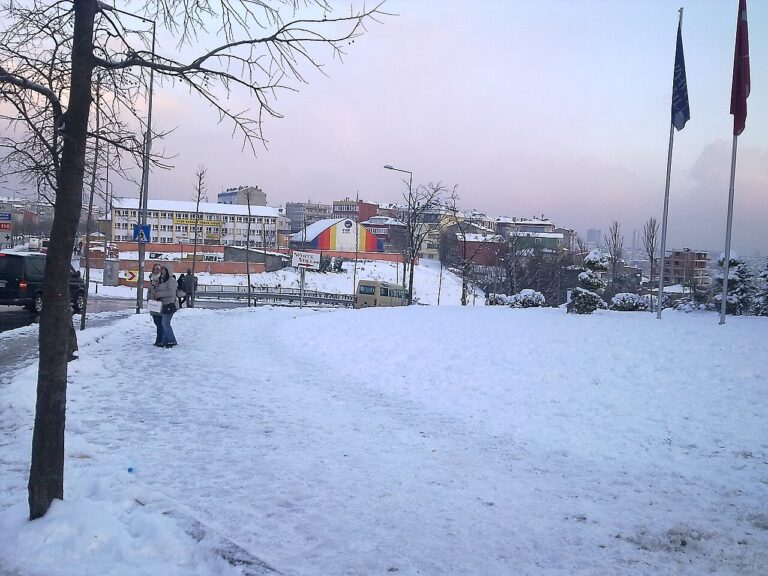
Winter is Istanbul's secret season, and Sultanahmet is its best-kept secret.

A Foodie’s Guide to Sultanahmet
Istanbul is one of the world's great food cities, and the good news for visitors is that its most historic neighborhood is…

Sultanahmet Airport and Transport Guide
Sultanahmet's transport situation is a gift to travelers: the neighborhood sits at the junction of the city's tram line, the Marmaray rail…

Best Time of Year to Visit Sultanahmet
There is no bad time to visit Sultanahmet — there are four different versions of it, one for each season, and each…

Nightlife Guide to Sultanahmet
Let's be honest about Sultanahmet's nightlife: it is not a party neighborhood, and pretending otherwise would be a disservice. m. — the…

Family-Friendly Activities in Sultanahmet
Sultanahmet is a surprisingly excellent family destination.