Ortakoy eats the village’s way — the kumpir at the square and the fish at the shore, the cafes of the back streets and the tea at the water’s edge. The village’s food is the Bosphorus’s food: the potatoes and the fish, the coffee and the tea, the meals of the waterfront eaten with the strait in view. It is not the fine-dining quarter of the city; it is the village of the honest tables, where the famous kumpir shares the shore with the fish restaurants and the back-street cafes. This guide walks through the food of Ortakoy in its natural categories — the kumpir, the fish, the cafes, and the everyday — so you can eat the village the way it lives.
The Kumpir: The Village’s Famous Meal
The kumpir — the stuffed baked potato of Ortakoy — is the village’s famous food, and the stalls of the square are the kumpir’s home. The baked potato is split and filled with the toppings of the stall: the cheese and the butter, the sausage and the corn, the olives and the pickles, the salads and the sauces — the potato piled high with the choice of the counter. The kumpir is the day-tripper’s meal and the village’s institution: the potato in the hand, the square around, the bridge overhead. The quality is the stall’s own — the potato crisp, the fillings fresh, the choice of the counter the pleasure. For the visitor, the kumpir is the essential Ortakoy meal — the taste of the village, eaten at the water’s edge.
The Fish Restaurants: The Tables on the Water
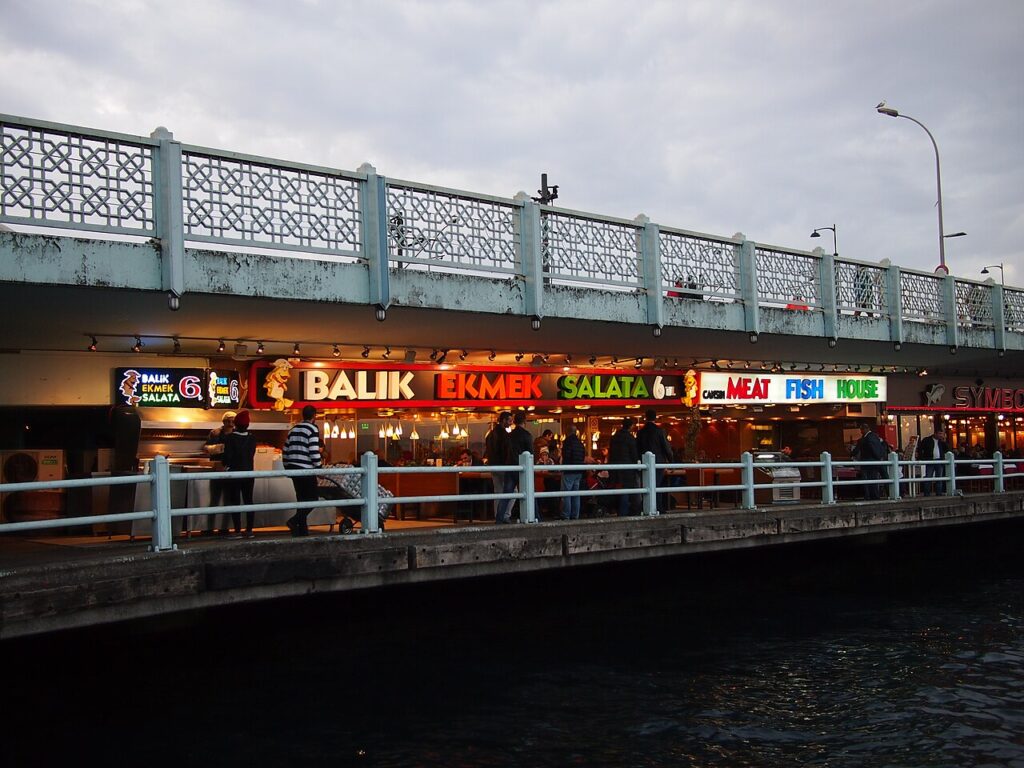
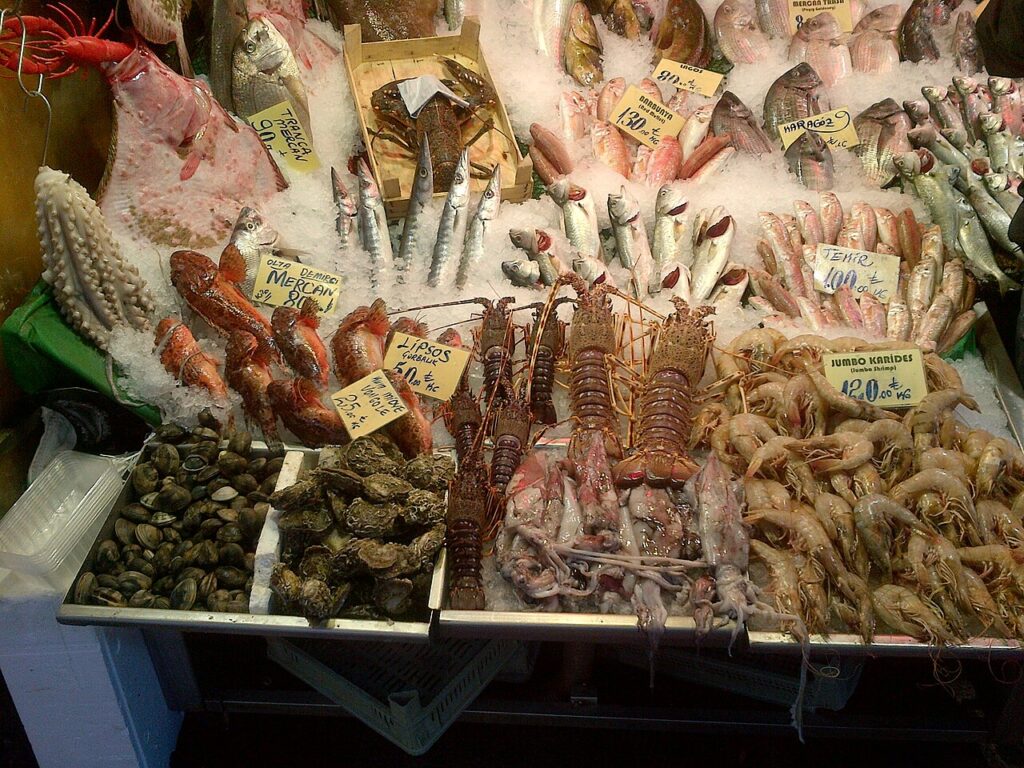
The fish restaurants of the shore — the tables along the Bosphorus — are the village’s classic dinner: the fish of the strait, the meze, the water below. The meal is the traditional fish dinner: the meze spread first — the white bean salad, the haydari, the octopus, the stuffed vine leaves — then the fish of the day, grilled simply with the lemon and the olive oil, then the fruit and the coffee. The setting is the meal’s third course: the strait before the table, the ferries crossing, the bridge overhead, the sunset over the water. The fish restaurants of Ortakoy are the Bosphorus at the table, and the dinner there is the village’s classic evening — the fish of the strait, the meze, and the sunset.
The Cafes of the Back Streets: The Quiet Tables
The cafes of the back streets — the coffee shops in the old houses of the village — are the quieter tables of Ortakoy: the coffee and the cake, the garden tables, the village’s calm away from the square. The specialty coffee of the village’s new life, the pastries and the teas, the hours that pass with the view of the strait beyond the rooftops: the back-street cafe is the sitting room of the village, the place where the residents and the travelers rest. The coffee is the village’s present life — the new Ortakoy in the old houses — and the quiet table is the escape from the square’s crowds. For the visitor who wants the village behind the postcard, the back-street cafes are the tables.
The Tea at the Water’s Edge: The Everyday Ritual
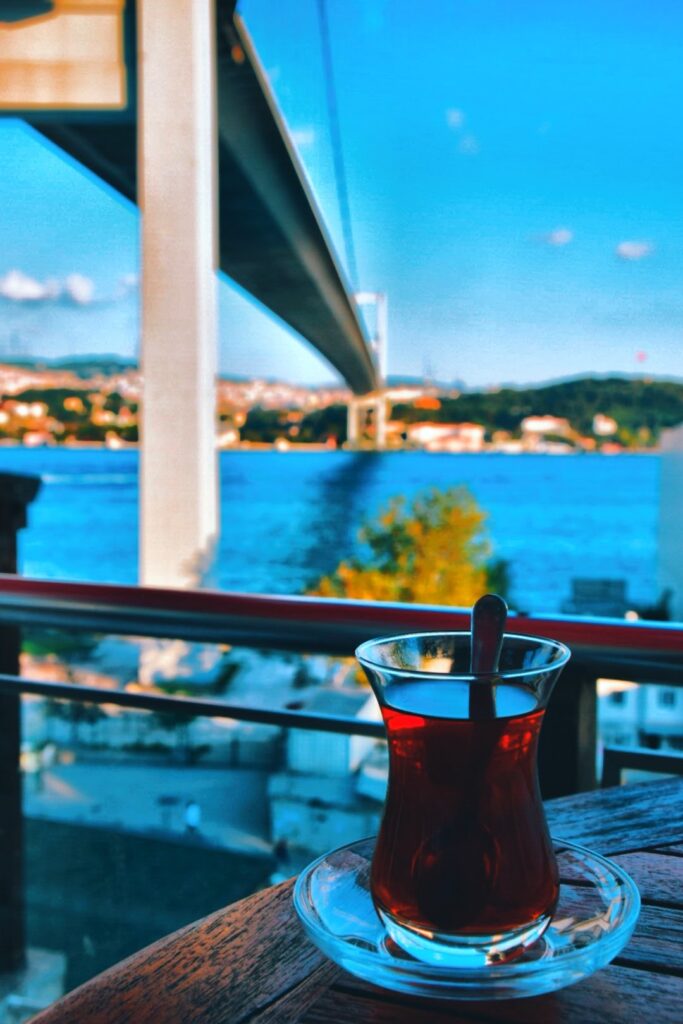
The tea at the water’s edge — the glasses from the stands and the boats of the shore — is the everyday ritual of the village: the tea with the view, the Bosphorus with the glass in hand. The tea is served everywhere at the water: the stands of the square, the boats at the moorings, the benches of the promenade — the ritual of the waterfront, the village’s life at its simplest. The tea is the cheapest table in Ortakoy and one of its best: the glass in the hand, the water before the eyes, the gulls and the ferries as the company. For the visitor, the tea at the water’s edge is the essential everyday — the village’s ritual, taken where the residents take it.
The Street Food: The Fast Life of the Square
The street food of the square — the fast life of the village’s center — is the food of the day-trippers and the residents alike: the kumpir of the stalls, the corn of the season, the simit from the cart, the dondurma of the warm days. The simit — the sesame bread ring of the city — is the morning essential; the corn and the chestnuts are the season’s treats; the dondurma — the stretchy theatrical ice cream of the Turkish tradition — is the children’s delight and the adults’ refreshment. The street food of the square is the village’s everyday layer: the food of the waterfront, eaten on the move with the bridge overhead. For the visitor, it is the fast craft of the village, as essential as the sit-down tables.
The Turkish Coffee: The Village’s Ending
The Turkish coffee is the ending of the Ortakoy meal — the small cup, the glass of water, the piece of lokum, the foam on top and the grounds below. The strength is declared in advance — sade, orta, şekerli — and the ritual is unhurried: the coffee drunk slowly, the conversation running, the fortune in the grounds read by tilting the cup. The cafes of the back streets serve it beside the specialty brews; the stands of the shore serve it the old way; and the wise visitor takes it at least once, with the view of the strait. It is the smallest course in the village’s cuisine and the most necessary — the ceremony that the Ortakoy table ends with.
The Practical Notes
A few things make the eating easier. The kumpir is the essential: the potato of the square is the village’s famous meal — take it at the lunch hour. The fish is the evening: the tables on the shore are the village’s classic dinner — book the popular ones ahead, especially at the sunset. The cafes are the calm: the back streets hold the quiet tables — take the coffee away from the square’s crowds. The tea is the ritual: the glass at the water’s edge is the cheapest and most local table in the village. And the sunset is the timing: the fish dinner at the golden hour — the strait turning amber — is the village’s best meal of the day.
The Sweets: The Final Course
No meal in Ortaköy is complete without something sweet, and the neighborhood has its own version of the classic Turkish finale. The dessert stalls in the square sell künefe — a warm, shredded pastry filled with melted cheese and soaked in syrup — baked to order in small copper pans. It arrives bubbling and golden, and the contrast of the salty cheese with the sweet syrup is one of the great street-food experiences in Istanbul. Ask for it with a scoop of ice cream if the stall offers it.
For something cooler, look for dondurma, the stretchy Turkish ice cream that vendors tease you with before handing it over. The mastic flavor, made from the resin that gives it its elasticity, is the one to try first. The ice cream stalls are as much theater as food, and the vendor’s tricks are part of the fun, especially if you have children in tow.
The baklava sold in Ortaköy tends to be good rather than extraordinary — the truly famous shops are in Karaköy and the old city — but a pistachio piece with a glass of Turkish tea still makes a fine ending. Buy a box of assorted baklava from a proper shop rather than the stalls if you want to take some home; the boxed versions travel well and the quality is noticeably higher.

The Takeaway
The food of Ortakoy is the village in edible form — the kumpir at the square and the fish at the shore, the cafes of the back streets and the tea at the water’s edge, the street food and the coffee of the waterfront. Eat it the way the village lives: the kumpir in the hand, the fish with the sunset, the coffee in the old house, the tea with the strait — and you will have eaten the Bosphorus village from the inside, the postcard’s food at the tables where the village itself eats.
Frequently asked questions
What is the essential meal in Ortakoy?
The kumpir at the square — the stuffed baked potato of the village, eaten at the water’s edge with the bridge overhead.
Where do locals actually eat?
The tea at the water’s edge and the cafes of the back streets — the everyday tables of the village, away from the square’s day-trippers.
Is there fine dining in Ortakoy?
The fish restaurants of the shore are the village’s classic tables — the fish of the strait, the meze, and the sunset — rather than the formal fine dining of the city.
Is the street food safe?
Yes — the kumpir, the simit, and the dondurma of the square are the daily food of the village, fresh and busy at every hour.
What should I order?
The kumpir with the choice of the counter, the fish of the day with the meze, the coffee in the back street, and the tea at the water — the classics, at the tables that do them best.

All Over Information
The All Over Information editorial team researches and writes practical English-language guides to Turkey. Facts are checked against official and local sources before publication, prices are published as dated ranges rather than quotes, and guides are revised when things change. We accept no sponsored posts, paid placements or paid links.
More guides like this

Top 10 Things to Do in Ortakoy
Ortakoy is the postcard of the Bosphorus — the waterfront village where the baroque mosque stands beside the great bridge, where the…

Ortakoy Airport and Transport Guide
Ortakoy sits on the European shore of the Bosphorus, in the heart of Istanbul's most scenic waterfront, and reaching it is easier…
Shopping Guide: What to Buy in Ortakoy
Ortaköy is one of the most compact shopping districts in Istanbul, and that is exactly why it works.

The Best Day Trips from Ortakoy
Ortakoy sits on the Bosphorus at the foot of the first bridge — the ferries at the nearby piers, the buses along…

A Solo Traveler’s Guide to Ortakoy
Ortakoy is one of the easiest places in Istanbul for the solo traveler — safe, small, and welcoming, with the postcard at…

Where to Stay in Ortakoy: Neighborhood Guide
Ortakoy is the character base of the Bosphorus — the waterfront village where the boutique rooms fill the old houses, where the…